


Shahzeb Hassan: Pulmonary Embolism – What to Do When Every Minute Matters
Shahzeb Hassan, House Officer at Northwest General Hospital and Research Centre, Peshawar, shared a post on LinkedIn:
“Suppose a patient present to the ER with sudden onset shortness of breath and pleuritic chest pain.
He looks anxious. His pulse is 120, BP 90/60, oxygen saturation 88% on room air and droping.
No past cardiac history.
But digging deeper – recent long travel plus calf pain 3 days ago.
Suspect:
Pulmonary Embolism (PE);
What to do:
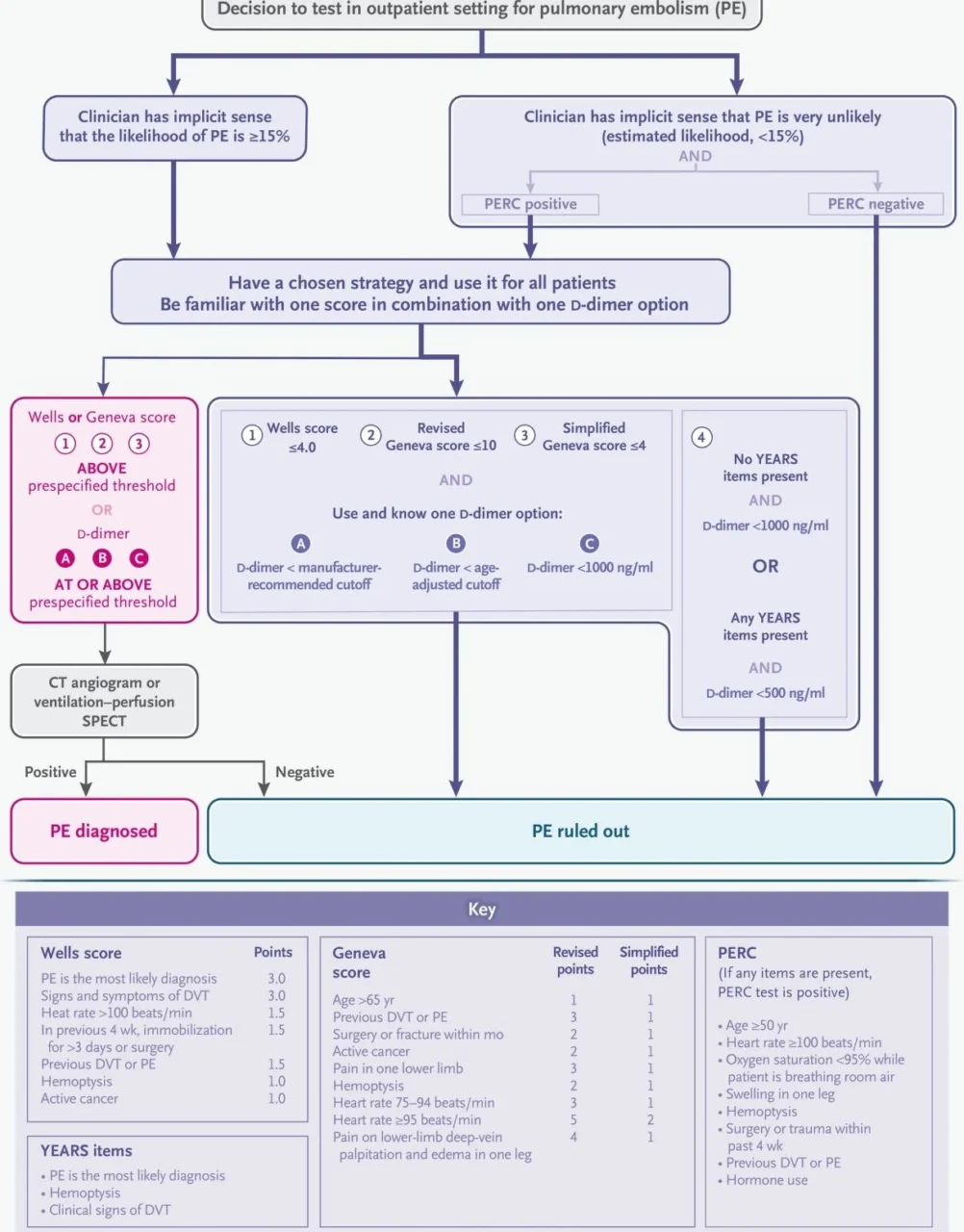
Step 1: Risk stratification
Start with clinical probability:
Wells score
- 0–1 – Low probability
- 2–6 – Moderate probability
- Greater than or equal to 7 – High probability
If low – D-dimer
If high – skip D-dimer and go straight to imaging
Step 2: Immediate stabilization
- Oxygen support
- IV access plus fluids (cautiously)
- Start anticoagulation immediately (unless contraindicated)
But here’s the key:
Hypotension is red flag – think ‘thrombolysis’
Step 3: Confirm diagnosis
- CT Pulmonary Angiography (gold standard), if contraindicated as in Pregnancy equals V/Q test…
- If unstable – bedside echocardiography (RV strain clues)
Step 4: Definitive management
If Massive PE (shock/hypotension)
- Systemic thrombolysis (Alteplase)
- If contraindicated – catheter-directed therapy / surgical embolectomy
If Submassive PE (RV strain but stable)
- Anticoagulation
- Consider thrombolysis selectively
If Low-risk PE
- Anticoagulation alone (often outpatient)
Step 5: Anticoagulation strategy
Initial: LMWH / UFH / DOACs
Long-term:
- Provoked PE – 3 months
- Unprovoked – extended therapy
- Recurrent – lifelong anticoagulation
Step 6: Don’t Forget the Cause
Always ask:
- Immobilization?
- Surgery?
- Malignancy?
- Thrombophilia?
Treating PE without addressing the cause equals setting up recurrence…!
Clinical Pearl
Not every PE presents dramatically.
Some patients just have:
- Mild dyspnea
- Unexplained tachycardia
- Or even vague anxiety
Timely management equals good clinical outcomes…!”
Stay updated with Hemostasis Today.
-
Oct 20, 2026, 03:24Chaza Alaji: Diagnosing Protein C and Protein S Deficiency
-
Oct 20, 2026, 03:24Mou Nandi: How Maternal Health During Pregnancy May Shape Infant Development
-
Oct 20, 2026, 03:13Sumyea Kabir: Pre-Analytical Quality in Phlebotomy – Preventing In Vitro Hemolysis
-
Oct 20, 2026, 02:37M. Sekip Altunkan: Can Anticoagulation Be Safely Stopped After AF Ablation?
-
Oct 20, 2026, 02:26Ahmed Ammar: Managing VT Recurrence Post-Ablation
-
Oct 20, 2026, 01:43Oliver Weingärtner: Deprescribing of Lipid Lowering Drug after MI is Associated with Cardiovascular Events
-
Oct 19, 2026, 19:44Where You Live Should not Determine Whether You Receive Care – World Federation of Hemophilia
-
Oct 19, 2026, 19:42Belen Bianco: Prevention, Early Suspicion and an Interdisciplinary Approach Save Lives
-
Oct 19, 2026, 19:40Christina Chrysohoou: Catheter-Based LAAC vs OAC for Stroke Prevention in Atrial Fibrillation