

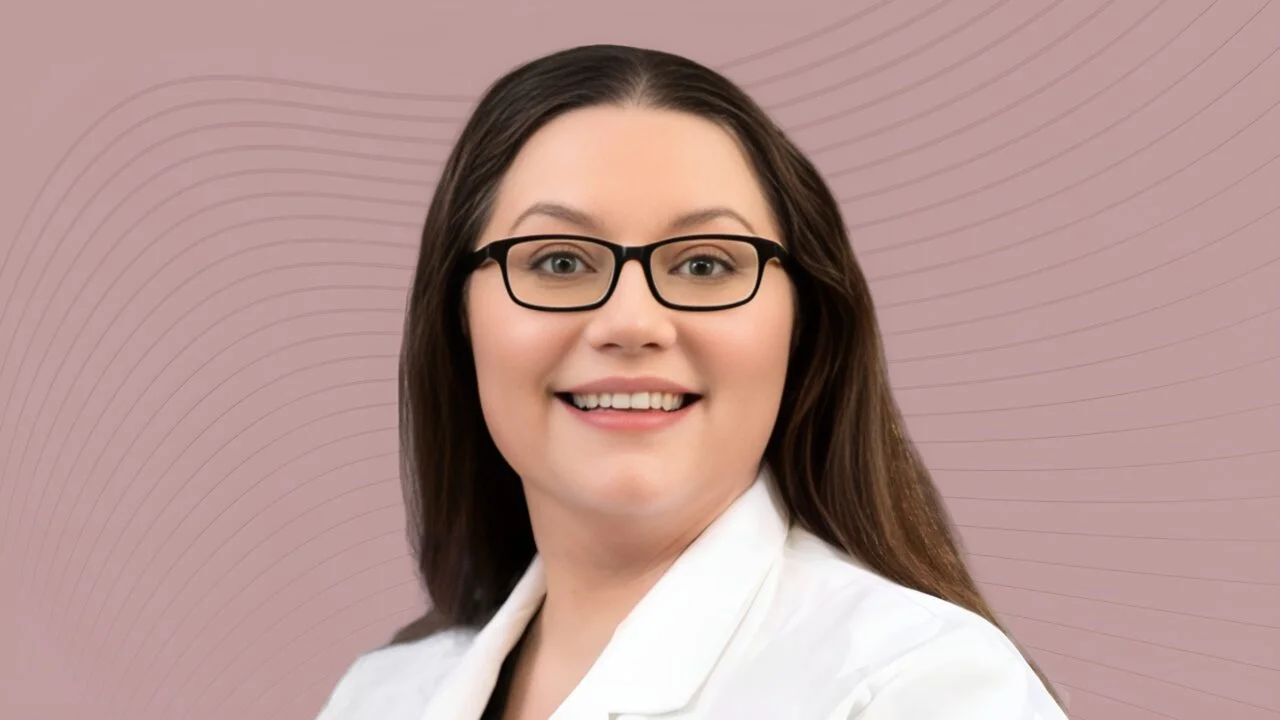
Caitlin Raymond: Augmented Intelligence Enhancing Human Capability Without Replacement
Caitlin Raymond, Assistant Professor of Pathology and Transfusion Medicine at University of Wisconsin-Madison, shared a post on LinkedIn:
“The AI in medicine discourse has two settings: it’s going to replace physicians, or it’s too dangerous to touch.
Both arguments imagine AI as an autonomous agent.
That’s not how I use it, and I don’t think it’s how physicians should.
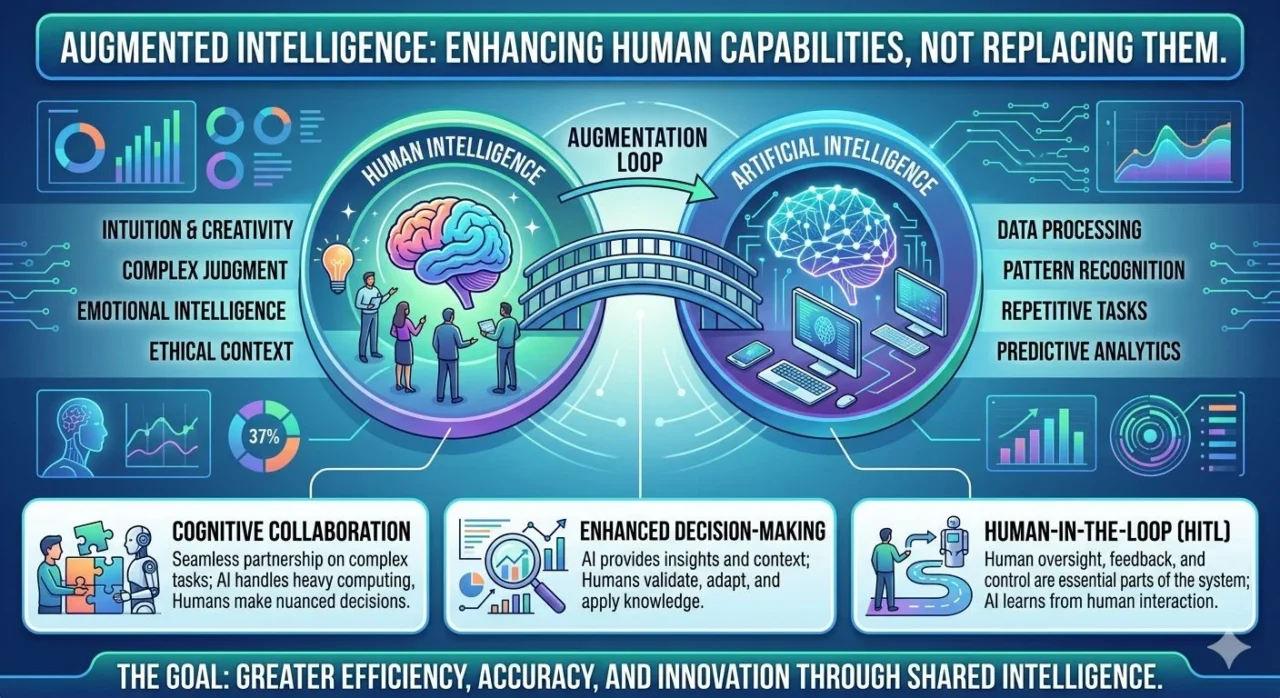
There’s a better frame: augmented intelligence.
- The AI amplifies your thinking, drafting, and analysis
- You retain intellectual ownership of the output
- You direct the work, evaluate what comes back, and correct what’s wrong
- Accountability never leaves the physician
In practice, I use Claude for writing and coding – drafting posts, structuring arguments, generating diagrams.
I use Gemini for assistant tasks.
In every case, I’m directing the work and evaluating the output critically before anything goes anywhere.
The post that goes up is mine.
The thinking is mine.
The AI accelerated production of a written artifact that represents my analysis.
It did not perform the analysis.
Anyone in laboratory medicine already understands the oversight principle intuitively.
We don’t report analyzer results without understanding what the analyzer did.
We run QC.
We investigate flags.
AI output requires the same scrutiny — because the distinctive failure mode of these tools isn’t garbled output. It’s fluent, confident, plausible-sounding output that is wrong.
And on opting out: physicians who wait aren’t avoiding risk.
They’re outsourcing the learning curve.
Someone will set the norms for how AI gets used in your institution and your specialty.
Better that it’s clinicians with hands-on experience than administrators and vendors who don’t see patients.
Augmented intelligence, done right, is not about ceding judgment to a machine.
It’s about using a powerful tool with the same rigor we bring to every other tool in medicine.
Full post in the first comment.”
Other posts featuring Caitlin Raymond on Hemostasis Today.
-
Oct 19, 2026, 19:44Where You Live Should not Determine Whether You Receive Care – World Federation of Hemophilia
-
Oct 19, 2026, 19:42Belen Bianco: Prevention, Early Suspicion and an Interdisciplinary Approach Save Lives
-
Oct 19, 2026, 19:40Christina Chrysohoou: Catheter-Based LAAC vs OAC for Stroke Prevention in Atrial Fibrillation
-
Oct 19, 2026, 19:38Matthew Flick: A Two-Day Research Meeting on Fibrinogen, Hemostasis and Thrombosis
-
Oct 19, 2026, 19:37Hayat Saeed: Excited to Share Our Publication on the FGL1–Hepcidin Axis in Iron Homeostasis and Disease
-
Oct 19, 2026, 19:08IPAW 2026 Comes to a Close, but the Work Continues – PPTA
-
Oct 19, 2026, 17:44Paul Riley: Moderating a Webinar on Anticoagulation Monitoring
-
Oct 19, 2026, 16:36Christopher Pittman: Blood Clot Prevention Cannot End at Hospital Discharge
-
Oct 19, 2026, 16:13Javier M. Floren: When Immune Cells Move With Their Environment