


Muhammad Alsabagh: Structured Clinical Algorithms for Pediatric and AYA Bone Marrow Failure Syndromes
Muhammad Alsabagh, Pediatric Oncology Assistant, Lecturer and Specialist at National Cancer Institute of Cairo University, Member of The EBMT, shared a post on LinkedIn:
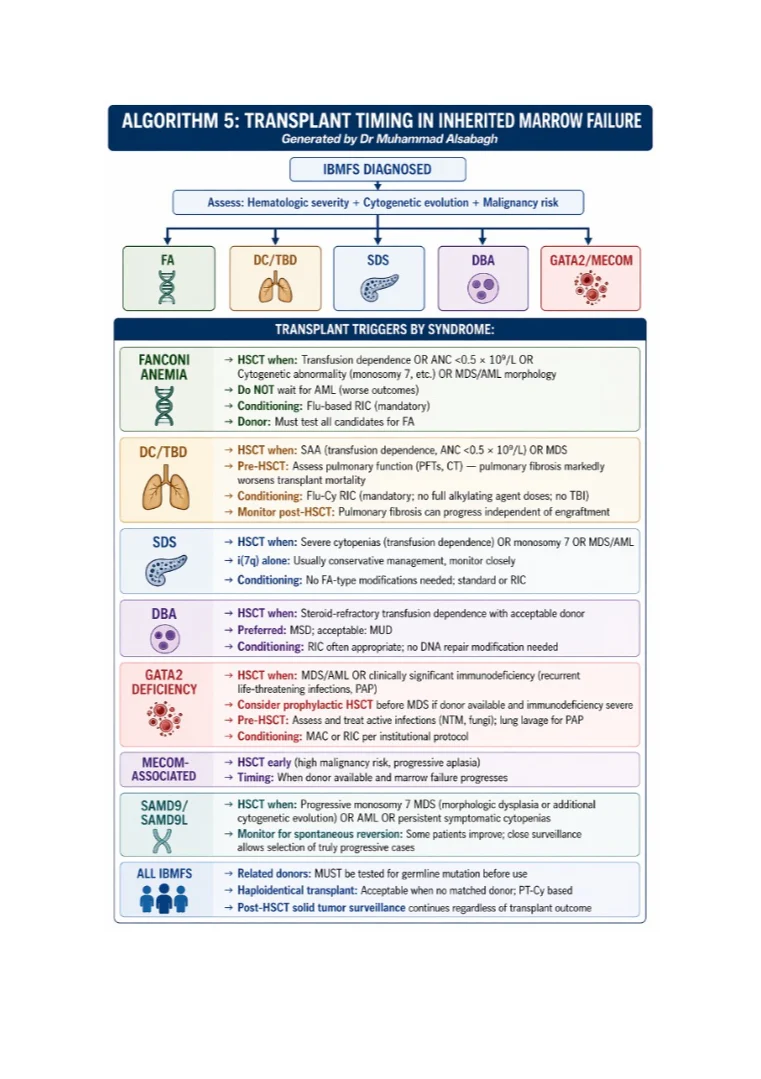
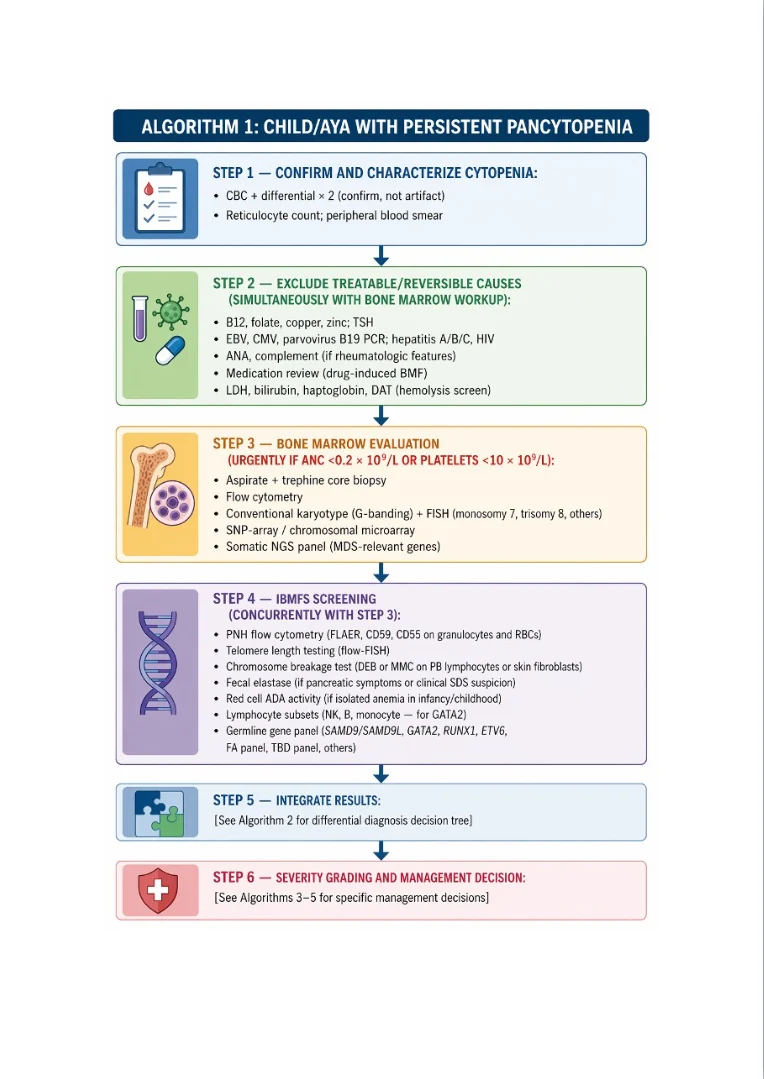
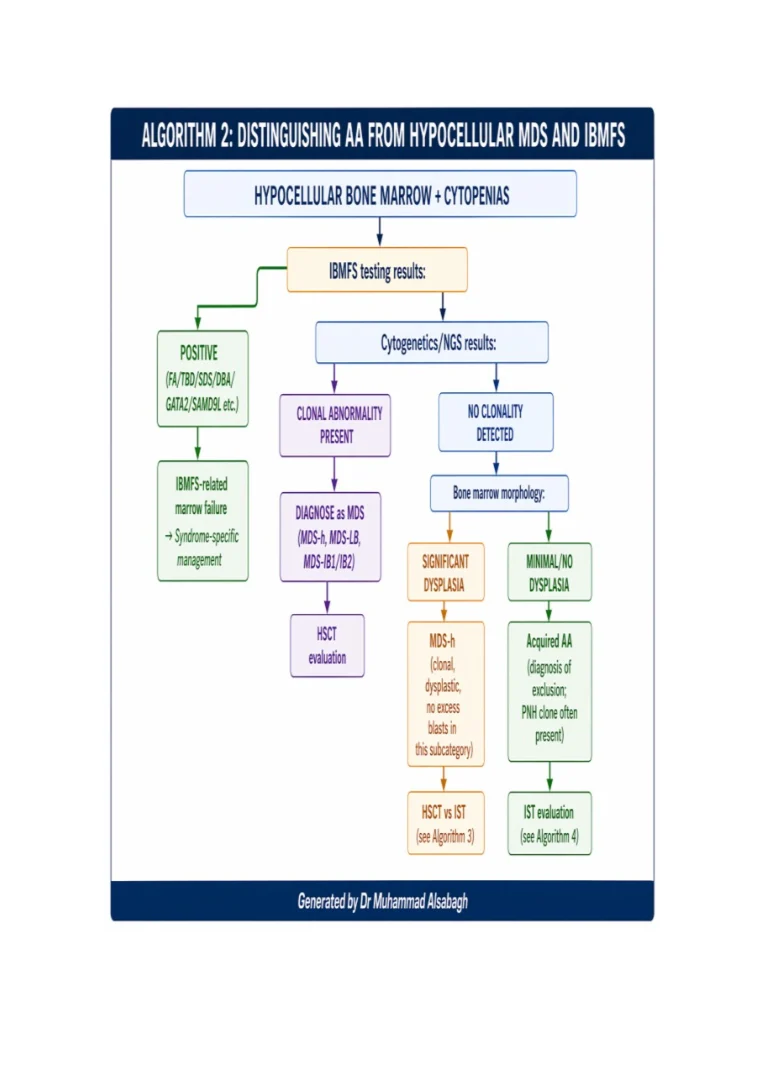
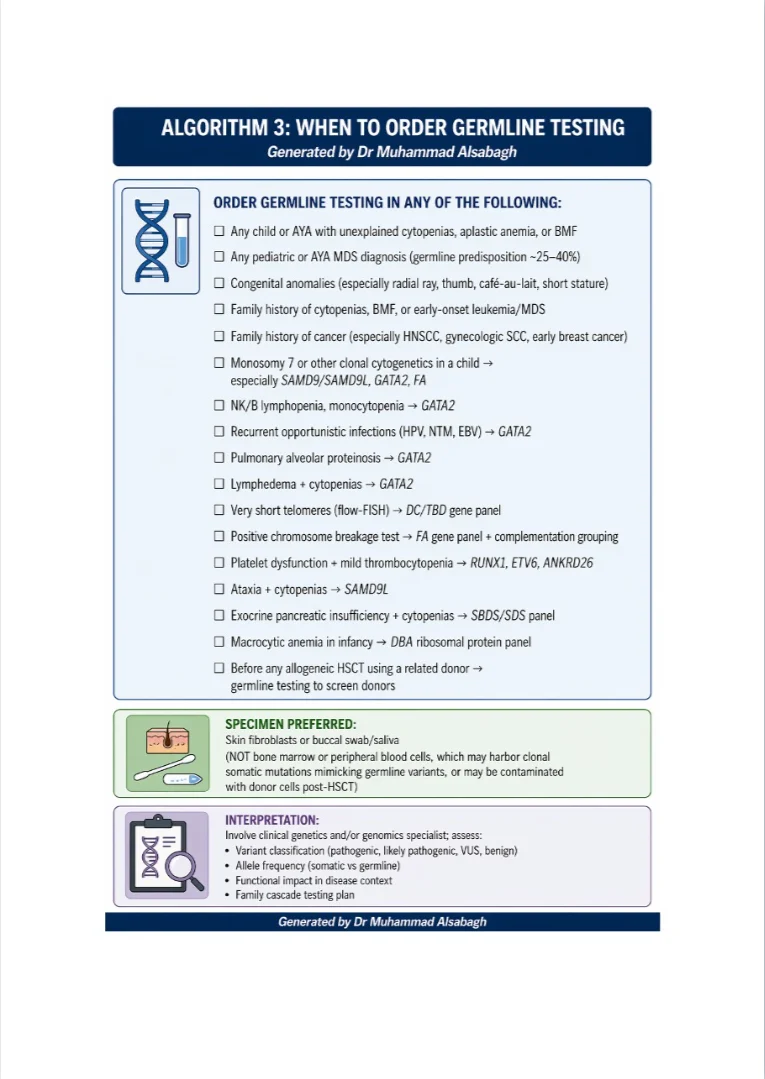
“I’m pleased to share a set of practical clinical algorithms I’ve developed for the evaluation and management of pancytopenia and bone marrow failure in children and adolescents/young adults (AYA).
These visual algorithms aim to simplify complex decision-making in daily practice, covering:
- Diagnostic approach to persistent pancytopenia
- Differentiation between aplastic anemia, hypocellular MDS, and inherited bone marrow failure syndromes (IBMFS)
- Indications for germline genetic testing
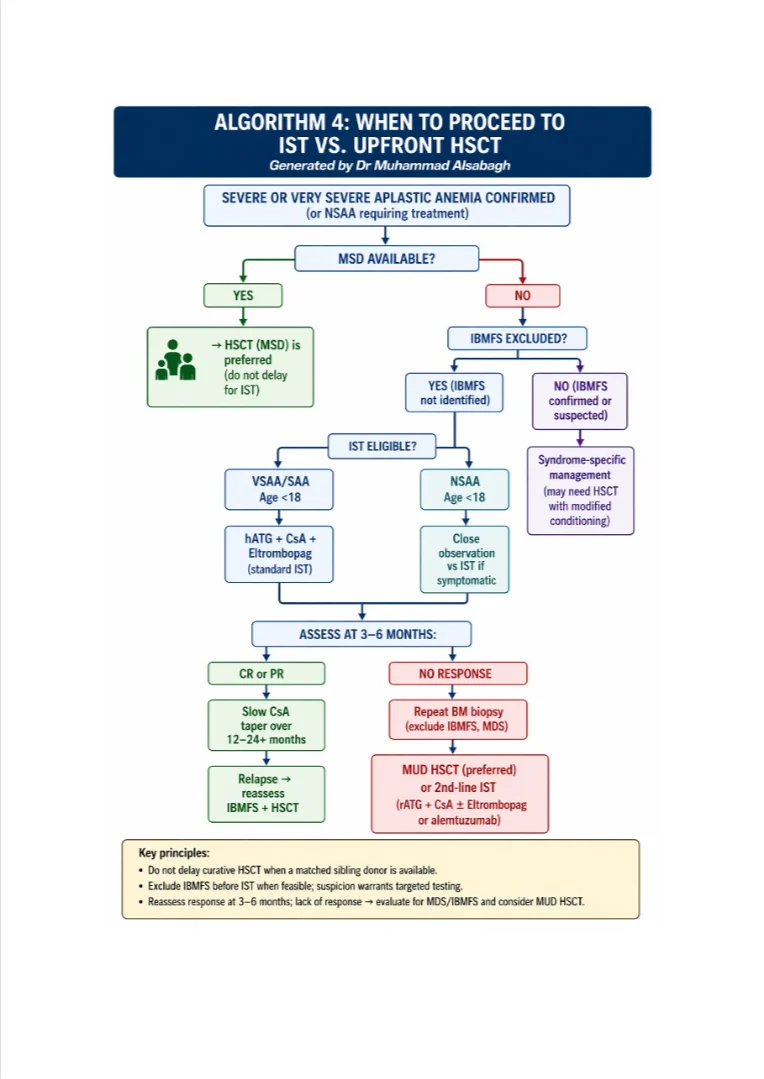
- Decision-making for IST versus upfront HSCT
- Transplant timing across major IBMFS entities
The goal is to provide a structured, practical, and clinically applicable framework that can be used at the bedside or in multidisciplinary discussions.
I’ve compiled all algorithms into a single PDF for easy use and sharing.
I would truly value feedback, discussion, and insights from colleagues in hematology, oncology, and transplantation.”
Stay updated with Hemostasis Today.
-
Sep 29, 2026, 22:45Victor Agunyego: Paracetamol – The Most Common Drug We Underestimate
-
Sep 29, 2026, 22:42Nova Sinclair: Advancing the Future of Hematology – Meet Our 2027 Organizing Committee
-
Sep 29, 2026, 22:41Lorenz Räber: Intracoronary Imaging in PCI – Why, When, How, and Which Modality?
-
Sep 29, 2026, 22:31Selma Turkovic: Pleased to Deliver the Opening Presentation at Kingston Hospital
-
Sep 29, 2026, 22:31Miguel Teran: Ultrasound and Simulation in Arterial Blood Sampling
-
Sep 29, 2026, 21:47Javed Anees: DADA2 – When a Young Stroke Is More Than a Stroke
-
Sep 29, 2026, 22:28Mohammad Refaei: Navigating Your Career in Hematology From Training to Practice
-
Sep 29, 2026, 22:27Matteo Foschi: 10 Clinical Pearls for Antithrombotic Therapy in Secondary Stroke Prevention
-
Sep 29, 2026, 22:26A Global Call for Action on Cardiovascular Health on World Heart Day – ISTH