

Ankit Panthari: Can Haemophilia Serve as A Health System Model for Other Rare Diseases in India?
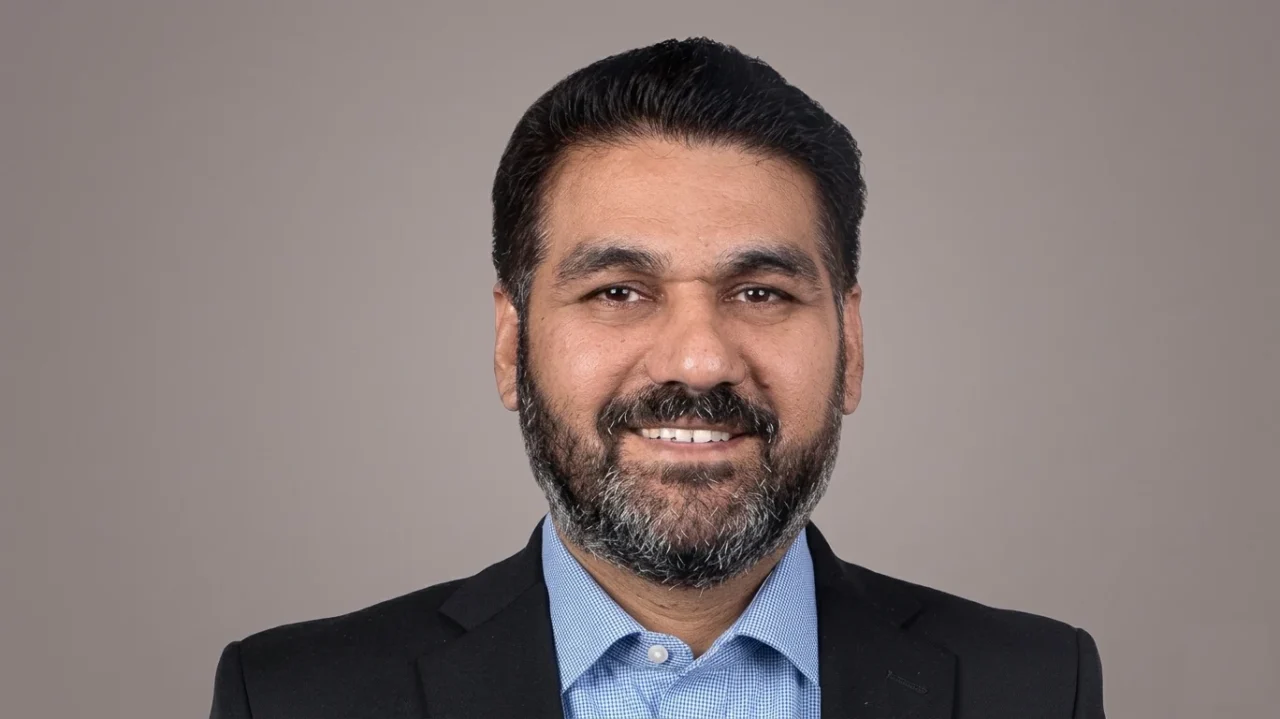
Ankit Panthari, Former Business Unit Head, Plasma Derived Therapies at Takeda, shared on LinkedIn:
”Had the opportunity to participate in a thought provoking panel discussion at the National Hemophilia Conclave 2026 on an important question: Can haemophilia serve as a health system model for other rare diseases in India?
Haemophilia, despite its continuing challenges and gaps is perhaps one of India’s most evolved examples of how patient advocacy, physician leadership, policy evolution, diagnostics, procurement systems and comprehensive care models can come together to create meaningful progress in rare diseases.
Over the years, Indian haemophilia care has evolved from transfusion based support to plasma derived factors, recombinant therapies, and now non- factor treatments.
Treatment centres have expanded from a few dozen to nearly 400 nationwide.
Diagnosis rates have steadily improved and are now estimated at approximately 18–20%, while prophylaxis adoption is gradually increasing and estimated at around approximately 10%.
What makes the broader rare disease landscape far more challenging is its heterogeneity and complexity.
With more than 10,000 recognized rare diseases globally, conditions differ widely in symptoms, diagnostics, treatment availability, access pathways, and long term outcomes.
Scientifically approved therapies exist for only a minority of diseases.
Even India’s ICMR registry (NRROID), with approximately 16,000 registered patients likely represents only a fraction of the true burden, highlighting the continuing challenges of diagnosis, data capture, registries, and genomic access.
Haemophilia is not a ‘cut copy paste’ model, but a strong operational reference point from which tailored and scalable rare disease ecosystems can evolve.
It was a privilege to exchange perspectives with fellow distinguished panelists and experts from across the rare disease ecosystem.
A special thanks to Dr Naresh Gupta and the Hemophilia Health Collective of North (HHCN) team for curating such a meaningful and forward looking discussion.”
Stay updated with Hemostasis Today.
-
Oct 19, 2026, 19:44Where You Live Should not Determine Whether You Receive Care – World Federation of Hemophilia
-
Oct 19, 2026, 19:42Belen Bianco: Prevention, Early Suspicion and an Interdisciplinary Approach Save Lives
-
Oct 19, 2026, 19:40Christina Chrysohoou: Catheter-Based LAAC vs OAC for Stroke Prevention in Atrial Fibrillation
-
Oct 19, 2026, 19:38Matthew Flick: A Two-Day Research Meeting on Fibrinogen, Hemostasis and Thrombosis
-
Oct 19, 2026, 19:37Hayat Saeed: Excited to Share Our Publication on the FGL1–Hepcidin Axis in Iron Homeostasis and Disease
-
Oct 19, 2026, 19:08IPAW 2026 Comes to a Close, but the Work Continues – PPTA
-
Oct 19, 2026, 17:44Paul Riley: Moderating a Webinar on Anticoagulation Monitoring
-
Oct 19, 2026, 16:36Christopher Pittman: Blood Clot Prevention Cannot End at Hospital Discharge
-
Oct 19, 2026, 16:13Javier M. Floren: When Immune Cells Move With Their Environment