


Paolo Zamboni: How Female Steroid Metabolism Triggers Lipedema?
Paolo Zamboni, Full Professor of Vascular Surgery at the University Hospital of Ferrara, shared a post on LinkedIn about a recent article by Daniil Vainberg et al., published in Veins and Lymphatics, adding:
“Lipedema is often misdiagnosed.
But even when a correct diagnosis is made, there’s a lot of embarrassment in explaining to a patient why she’s in that condition.
There is in general a lack of scientific information.
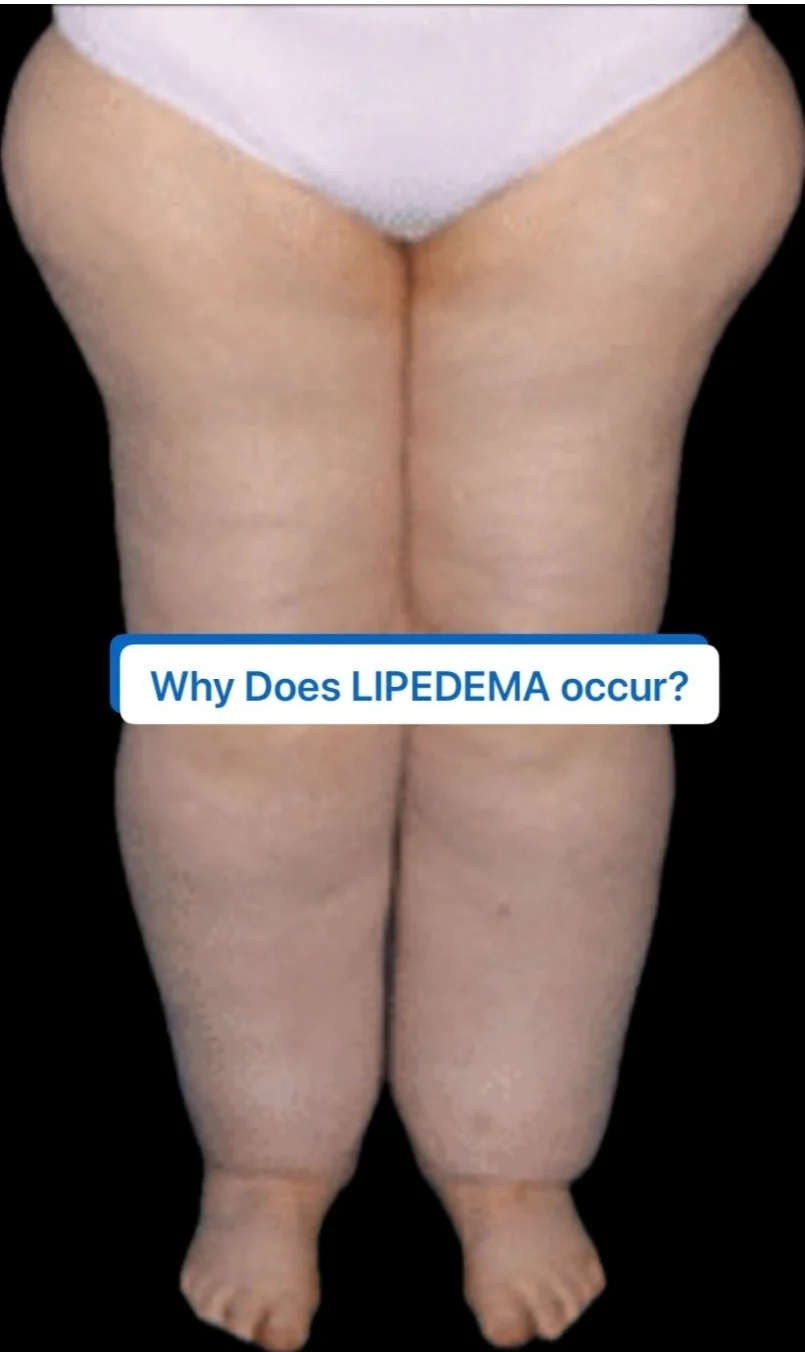
I’d like to point out an enlightening article that demonstrates how due to an aberrant enzyme activity, steroids from the normal female metabolism, can cause this condition.
The AKR1C1 variant decreases progesterone inactivation by 50%, leading to local progesterone accumulation and suppresses anti-adipogenic androgen signaling.
This leads to progressive adipose tissue hypertrophy.”
Title: From rare familial mutations to multifactorial disease: aldo-keto reductase 1C enzymes as a central biological pathway in lipedema
Authors: Daniil Vainberg, Jurgen Kaftalli, Luca Ferrari, Kristjana Dhuli, Beatrice Della Frera, Dominika Veselenyiova, Ahmad Jainul Abidin, Serena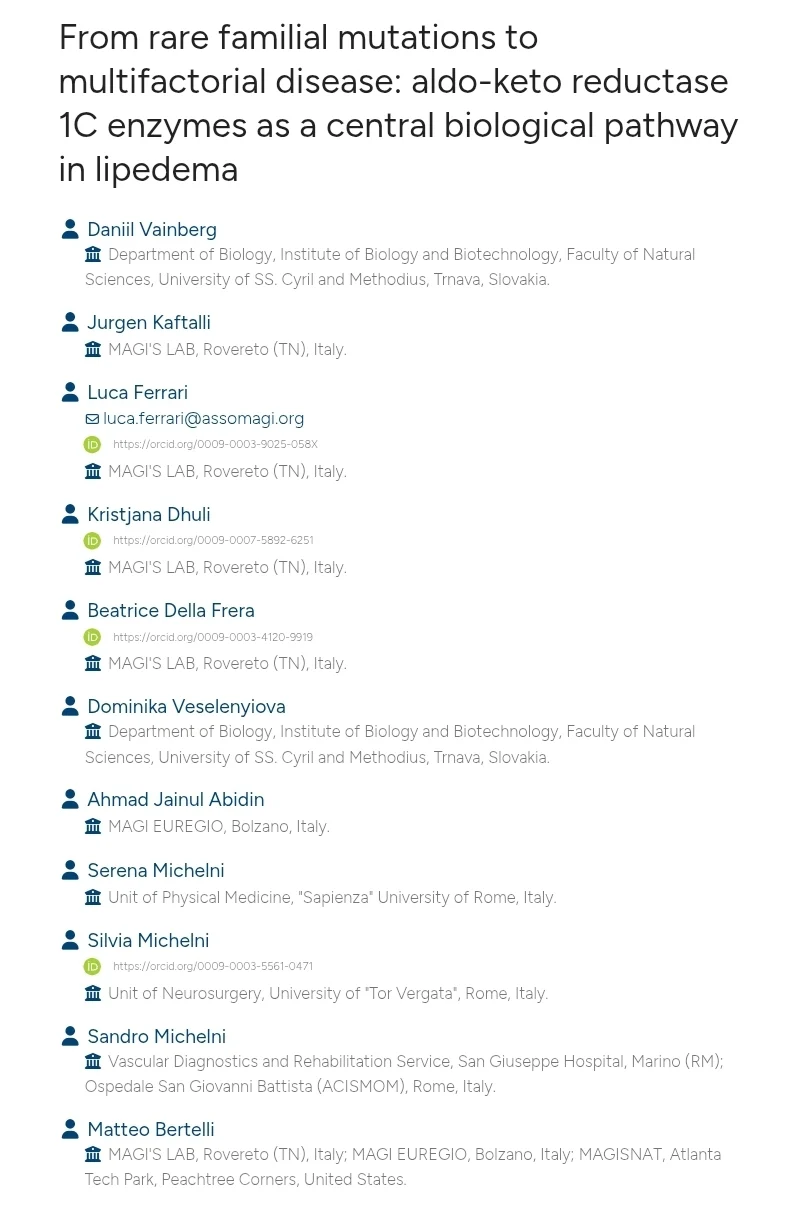
Other posts featuring Paolo Zamboni on Hemostasis Today.
-
Oct 20, 2026, 15:28Stacy E. Croteau: 33 Countries, One Mission – Better Bleeding Disorder Care
-
Oct 20, 2026, 15:19Teresa Barnes: What Does a Pulmonary Embolism Mean for Jalen Hurts?
-
Oct 20, 2026, 15:04Laura S.: Could Speaking Up Prevent Maternal Deaths from Thrombosis?
-
Oct 20, 2026, 14:44Pete Stibbs: VTE in Professional Athletes – When Fitness Is Not Enough
-
Oct 20, 2026, 14:39Jan Hartmann: How Hemophilia Care Has Advanced Over the Past Decade
-
Oct 20, 2026, 14:27Amna Jamalallail: SCD and Thalassemia in Jeddah – A Public Health Perspective
-
Oct 20, 2026, 14:14Advancing Thalassaemia and Sickle Cell Care Through Nordic Collaboration – TIF
-
Oct 20, 2026, 14:01Ashkan Forouzani։ Warfarin or DOACs in Protein C and S Deficiency?
-
Oct 20, 2026, 13:20The Global Blood Crisis – Are We Solving the Wrong Problem?