


Kalyan Roy: The Critical Role of Chelation Therapy in Thalassaemia
Kalyan Roy, Transfusion Medicine Specialist at Square Hospitals LTD, shared a post on LinkedIn:
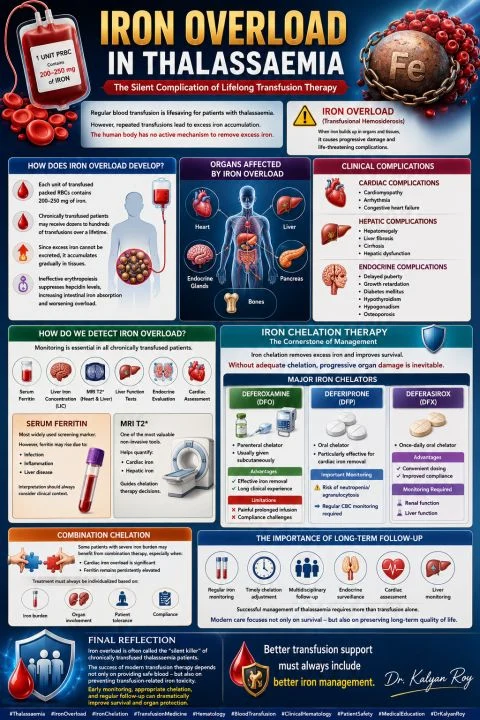
“Iron Overload in Thalassaemia.
The silent threat of chronic transfusion therapy.
For patients with β-thalassaemia major, regular blood transfusion is lifesaving — but repeated transfusions gradually lead to iron overload (Transfusional Hemosiderosis).
Since the body cannot effectively remove excess iron, iron accumulates in vital organs over time.
Organs affected
Excess iron deposition commonly affects:
- Heart
- Liver
- Endocrine glands
- Pancreas
This may result in:
- Cardiomyopathy
- Arrhythmia
- Liver fibrosis and cirrhosis
- Diabetes mellitus
- Delayed puberty and hormonal dysfunction
Monitoring iron overload
Early detection is essential.
- Important investigations include:
- Serum Ferritin
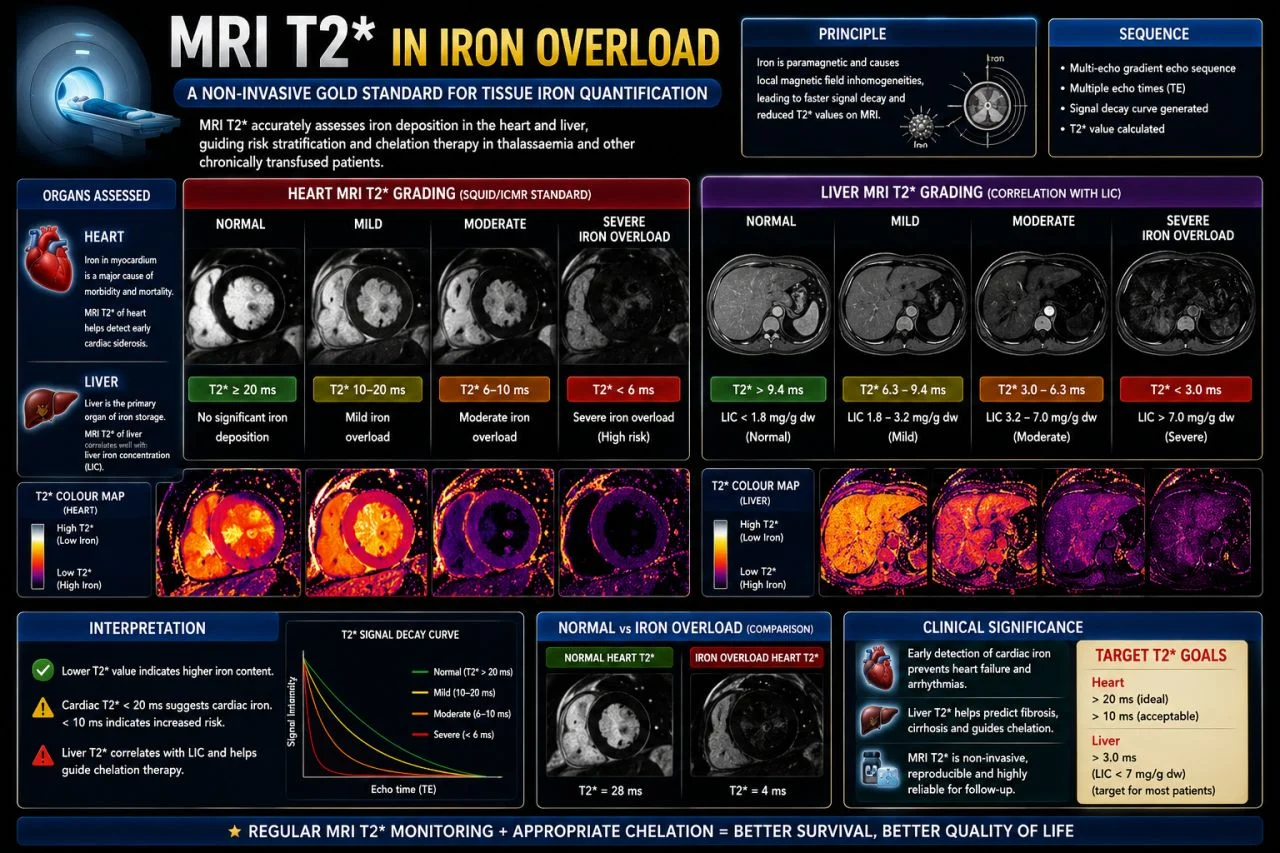
- MRI T2 of Heart and Liver
- Liver Iron Concentration (LIC)
- Cardiac and Endocrine Evaluation
MRI T2 remains one of the most valuable non-invasive tools for assessing cardiac and hepatic iron burden.
Iron chelation therapy
Iron chelation is the cornerstone of management and significantly improves long-term survival.
Common Chelators:
- Deferasirox (DFX)
- Deferiprone (DFP)
- Deferoxamine (DFO)
Treatment should always be individualized based on:
- Iron burden
- Organ involvement
- Patient compliance
- Clinical response
Long-term care is essential.
Successful thalassaemia management requires:
- Regular iron monitoring
- Timely chelation adjustment
- Multidisciplinary follow-up
- Cardiac, liver and endocrine surveillance
Modern thalassaemia care focuses not only on survival — but also on preserving long-term quality of life.
Final thought
Iron overload remains one of the most important complications in chronically transfused thalassaemia patients.
Early diagnosis, appropriate chelation therapy, and continuous monitoring can dramatically reduce organ damage and improve survival.
Better transfusion support must always include better iron management.”
Stay updated with Hemostasis Today.
-
Oct 20, 2026, 16:51Suzan Nakasendwa: A Growing Stroke Challenge in Uganda
-
Oct 20, 2026, 16:38Steve Moon: How Does Smoking Cessation Duration Affect Ischemic Stroke Risk
-
Oct 20, 2026, 16:25Cedrice Mentor: Reducing Platelet Wastage Through Cold Storage
-
Oct 20, 2026, 16:09Thirunavukkarasu Angappan: Can a Purified Fibrinogen Concentrate Replace Cryoprecipitate
-
Oct 20, 2026, 16:01Kalyan Roy: Platelet Conservation Through Evidence-Based Transfusion Practice
-
Oct 20, 2026, 15:28Stacy E. Croteau: 33 Countries, One Mission – Better Bleeding Disorder Care
-
Oct 20, 2026, 15:19Teresa Barnes: What Does a Pulmonary Embolism Mean for Jalen Hurts?
-
Oct 20, 2026, 15:04Laura S.: Could Speaking Up Prevent Maternal Deaths from Thrombosis?
-
Oct 20, 2026, 14:44Pete Stibbs: VTE in Professional Athletes – When Fitness Is Not Enough