

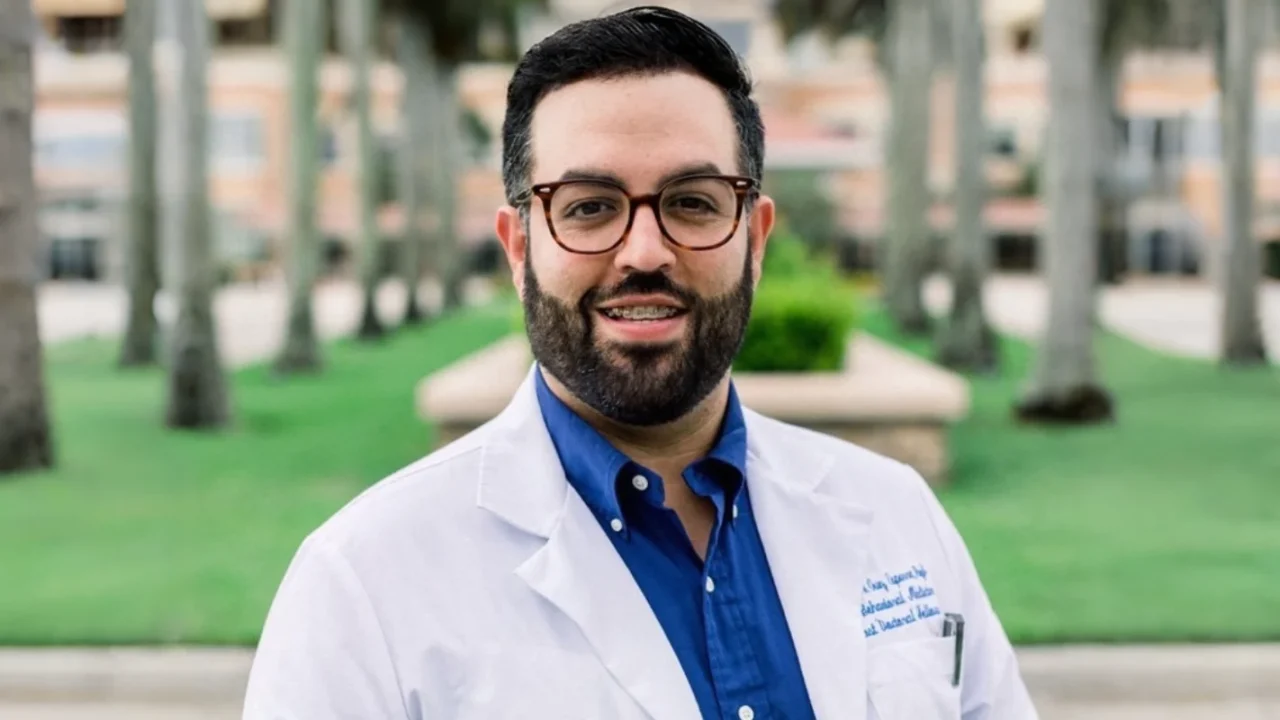
Humberto Cruz Esparra: Stroke Recovery Is More Than Regaining Function
Humberto Cruz Esparra, Behavioral Medicine Fellow at Medical University of South Carolina, shared on LinkedIn:
”A stroke does not only affect the brain it can profoundly impact a person’s emotions, identity, relationships, and hope for the future.
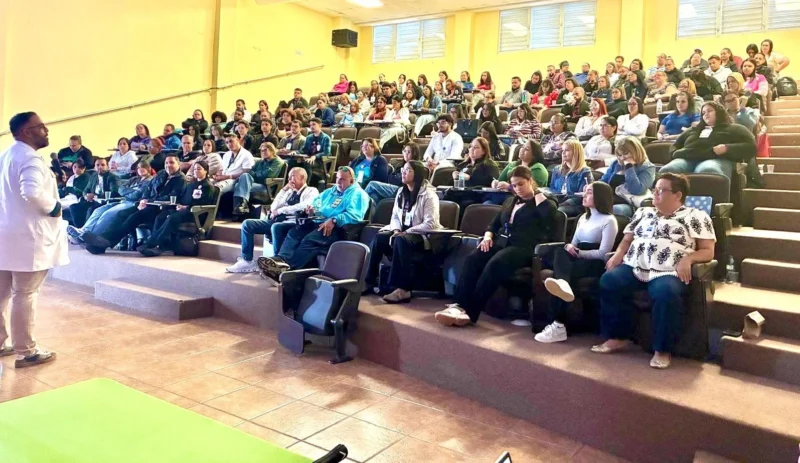
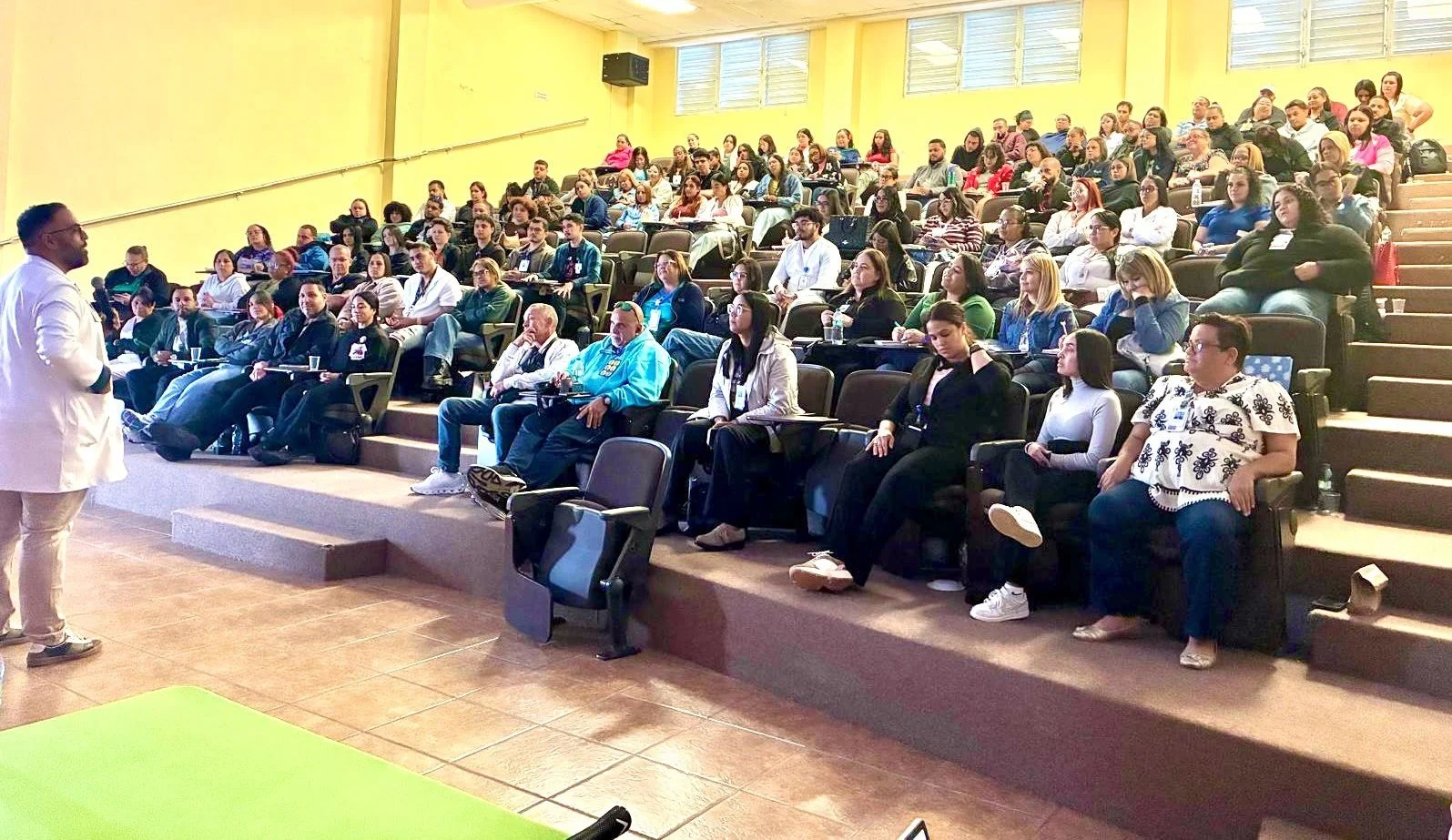
Today had the opportunity to discuss the emotional consequences of stroke with nursing professionals across the Mennonite Health System.
Depression, anxiety, grief and adjustment difficulties are common yet often underrecognized barriers to recovery.
Nurses play a critical role in this journey.
Through their daily interactions they are often the first to recognize emotional distress, provide support and help patients and families navigate the challenges that follow a life-changing diagnosis.
Because stroke recovery is about more than regaining function it’s about helping individuals rediscover confidence, purpose, and the belief that meaningful recovery is possible.”
Stay updated with Hemostasis Today.
-
Sep 29, 2026, 19:00Caitlin Raymond: Can Artificial Blood Solve Blood Supply Shortages?
-
Sep 29, 2026, 18:51Chaza Alaji: Dyslipidemia, Thrombosis and the DIC Diagnostic Trap
-
Sep 29, 2026, 17:31Rajnikant Patel: Bridging Ayurvedic Concepts and Modern Toxin-Mediated Disease
-
Sep 29, 2026, 17:13Nicholas Lang։ A Meaningful Case of Immune Thrombocytopenia
-
Sep 29, 2026, 16:55Ayatullah Gamal Wahab: When the CBC Lies
-
Sep 29, 2026, 16:35Jonathan Douxfils: Navigating the VTE Risk Continuum in Reproductive Medicine
-
Sep 29, 2026, 16:35Chaima Rajeh: Types of Anemia and Their Laboratory Features
-
Sep 29, 2026, 16:27Scott Isaacs: How GLP-1 RAs Target Systemic Inflammation to Drive Cardio, Autoimmune, and Gut Health
-
Sep 29, 2026, 16:21Yitshak Kreiss: From Treating Patients to Defining the Standard of Knowledge