

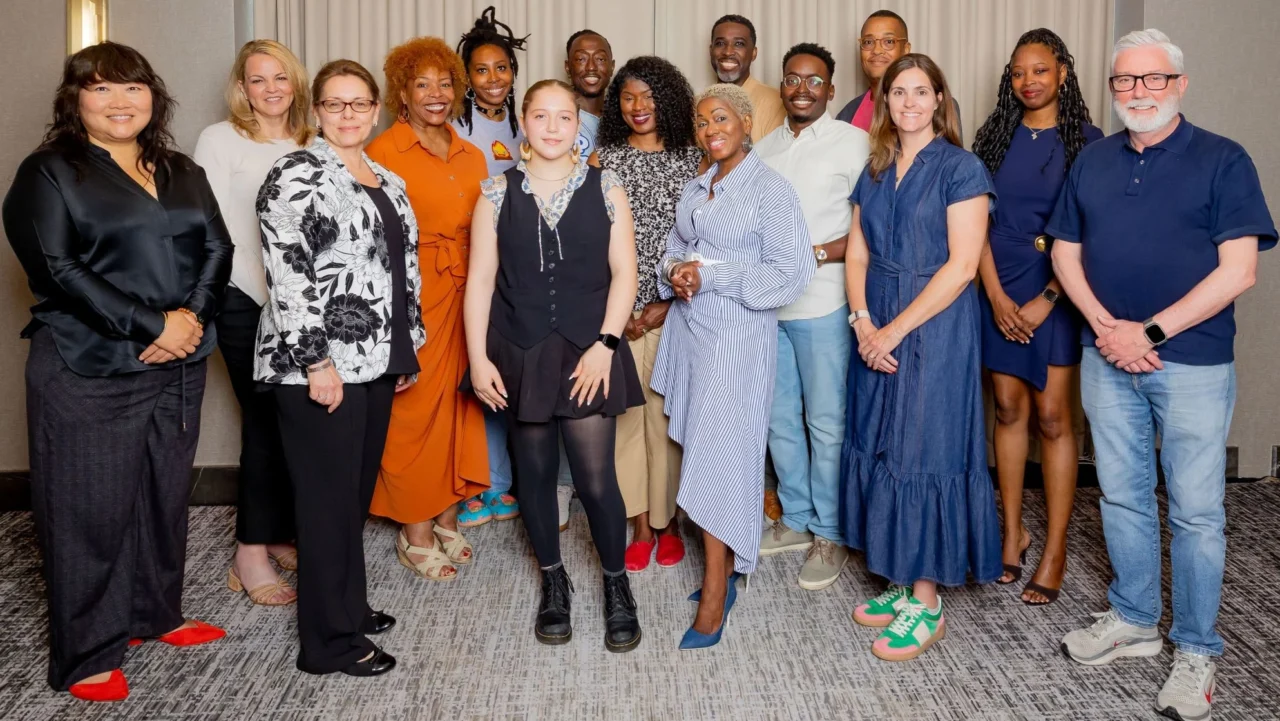
Holly John: Patient Advocacy as the Foundation of Rare Disease Innovation
Holly John, Senior Director of Patient Advocacy at Agios Pharmaceuticals, shared a post on LinkedIn:
“A few weeks ago, I was honored to take part in two sessions at the 3rd Annual Orphan Drug Summit 2026, exploring the future of patient advocacy in rare disease development.
I had the opportunity to deliver a presentation, ‘Designed with Patients, for Patients: The RISE UP Sickle Cell Disease Clinical Program’, and participate in a panel discussion, ‘Patient Advocacy as Infrastructure for Rare Disease Development.’
As I left the room, one thought stayed with me: Patient advocacy is a strategic driver of successful clinical development, access, trust, and long-term impact. Yet it is still too often viewed as an add-on rather than an essential part of the process.
The work we do, the research, the clinical trials, the milestones we celebrate, has little meaning if we lose sight of the people, it is ultimately intended to serve.
That is where patient advocacy comes in.
At its heart, patient advocacy ensures that research and clinical development are grounded in real-world patient experience. It reminds us that behind every protocol, endpoint, and regulatory milestone is a person trying to live their life as fully as possible.
The father living with sickle cell disease who is unable to return to work because of chronic fatigue. The college student whose education is disrupted by the ongoing complications of thalassemia.
The caregiver balancing appointments, uncertainty, and the everyday realities of supporting a loved one with a rare disease.
These experiences matter. Not simply because they deserve to be heard, but because they help us build better medicines and better development programs.
When patients and communities are engaged early and meaningfully, we ask better questions. We identify barriers sooner. We design trials that are more relevant, more accessible, and more reflective of what meaningful outcomes actually look like in people’s lives.
The result is not only stronger patient engagement. It can mean improved recruitment and retention, more meaningful endpoints, richer insights, and ultimately greater confidence that we are developing medicines that will make a tangible difference for the people who need them most.
In other words, patient advocacy creates value at every stage of the development journey. It strengthens trust between industry and communities. It improves decision-making.
It helps align scientific innovation with genuine patient needs. Most importantly, it increases the likelihood that the therapies we develop will be adopted, valued, and truly transformative for the people they are intended to serve.
As our industry continues to advance innovative therapies, we must move beyond simply inviting patients to the table. Patients deserve to be active partners in the conversation, helping to shape the decisions that affect their lives, families, and communities.
And patient advocacy is what makes that possible.”
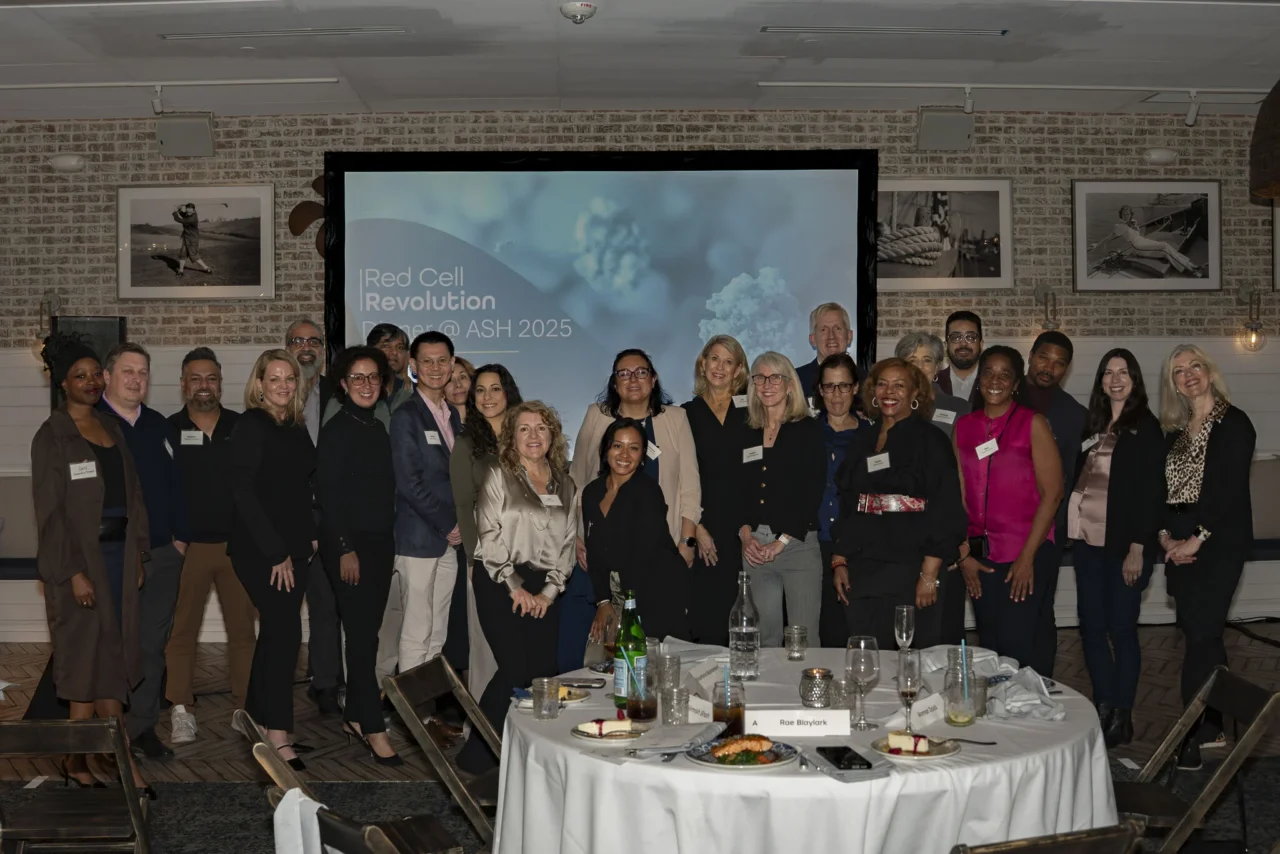
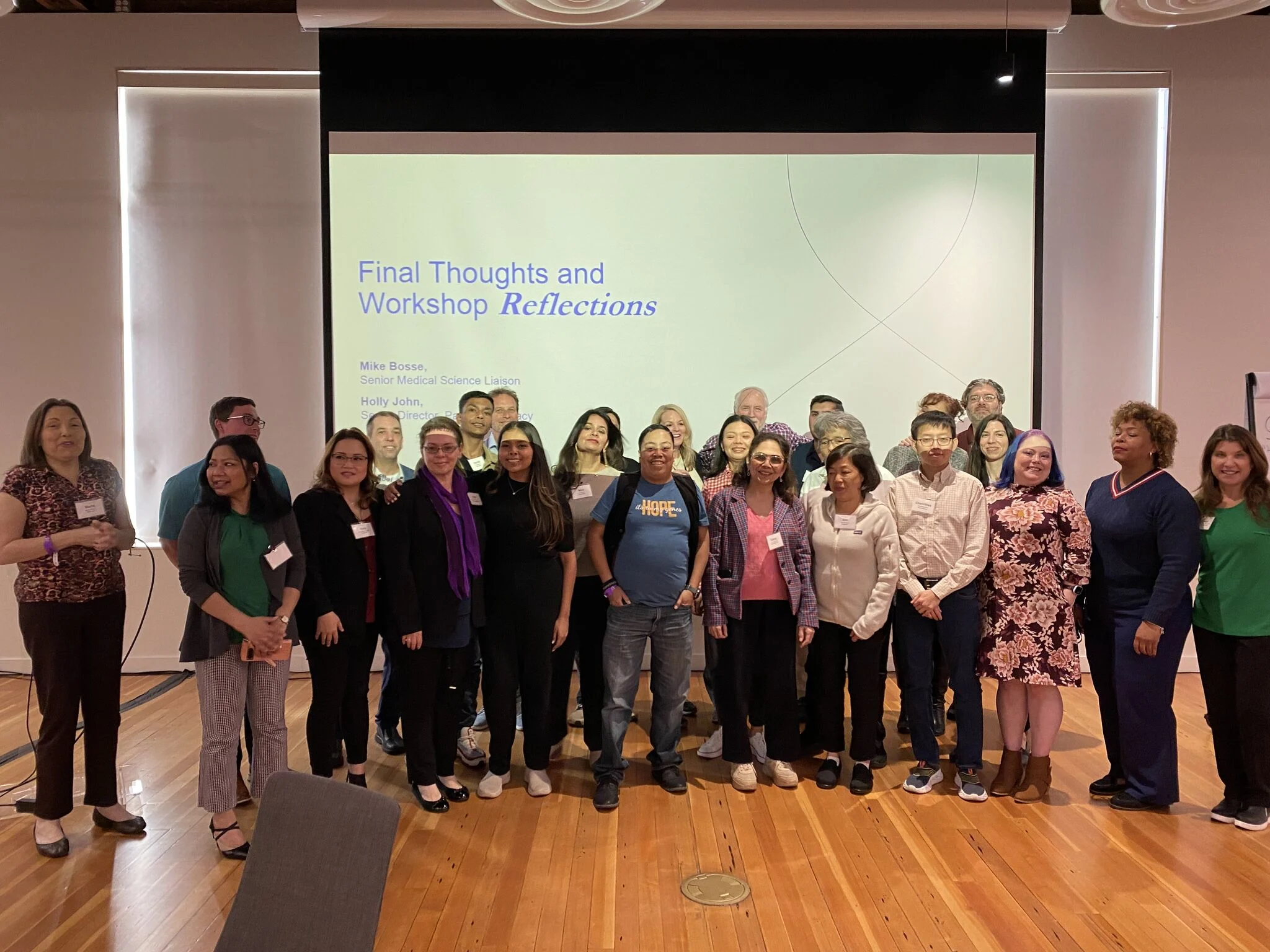
Stay updated with Hemostasis Today.
-
Sep 20, 2026, 13:29Factor XI Deficiency and the Challenge of Unpredictable Bleeding – EHC
-
Sep 20, 2026, 13:18Cindy Howry: FDA Approves First Treatment for Ataxia-Telangiectasia
-
Sep 20, 2026, 13:08Mohammad Salar Amoli: When Routine Coagulation Tests Miss von Willebrand Disease
-
Sep 20, 2026, 12:55Stelios Andreadis։ Human Salivary Gland Organoids Offer New Potential for Regenerative Medicine
-
Sep 20, 2026, 12:43Obi Light Ogbonnia: The Power of Lived Experience in Sickle Cell Care
-
Sep 20, 2026, 12:34Sabrine Mekni: Advancing HSCT for Children With Fanconi Anemia
-
Sep 20, 2026, 12:11Giacomo Buso: Silent Atherosclerosis Begins Earlier Than Expected
-
Sep 20, 2026, 12:0310 Posts Not to Miss This Week
-
Sep 20, 2026, 11:27Edward Lee Carter: Prasugrel Dosing Matters in P2Y12 Inhibitor Comparisons After PCI