


Enewa Onoja: Platelet Satellitism Phenomenon, Three Misleading Counts
Enewa Onoja, Medical Laboratory Scientist at Cerba Lancet Nigeria, shared a post on LinkedIn:
“Platelet Satellitism: when one phenomenon creates three false counts.
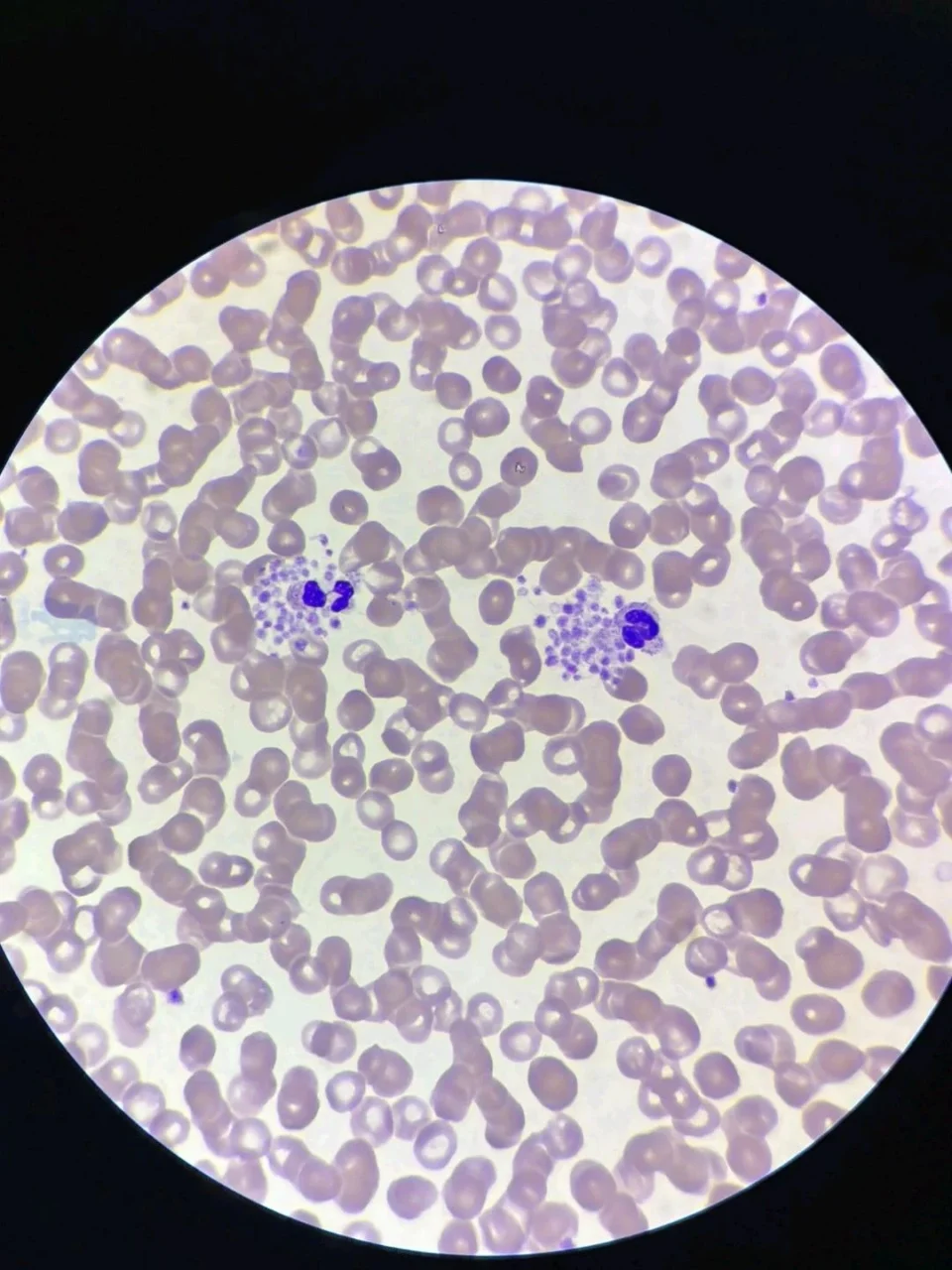
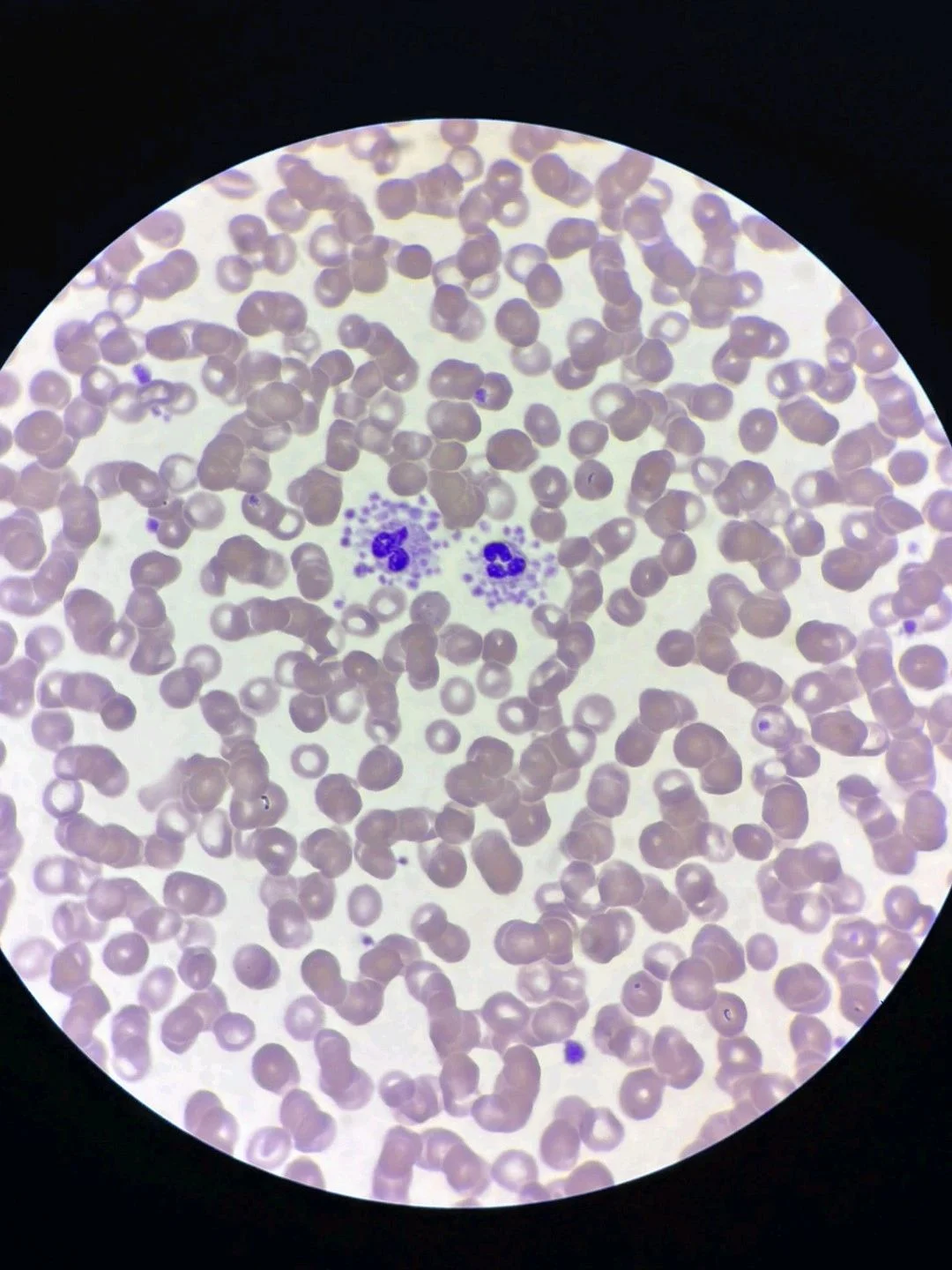
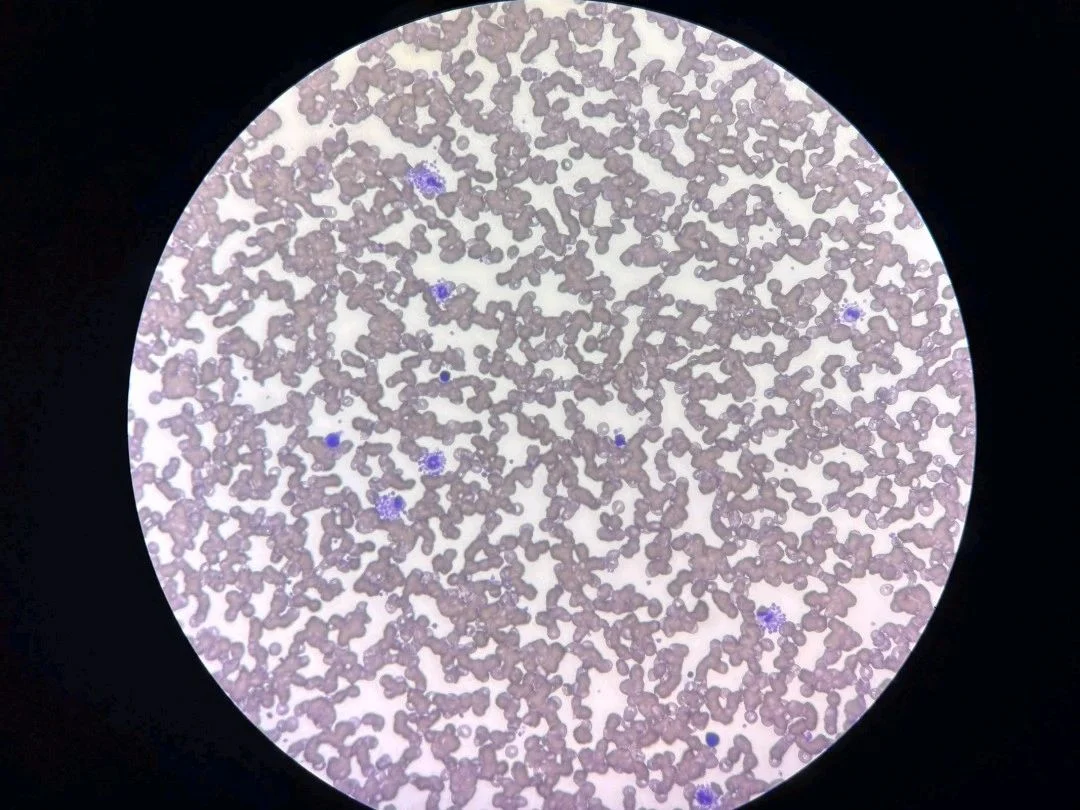
Platelet satellitism is an in vitro phenomenon in which platelets adhere to neutrophils, most commonly in EDTA blood samples.
It can produce pseudothrombocytopenia and pseudoneutropenia on automated full blood count analysers.
Less frequently, it may also result in pseudo-eosinophilia.
And in the case behind today’s reference image, all three occurred simultaneously.
So, how does this happen?
1. Pseudothrombocytopenia
When platelets adhere to neutrophils, fewer platelets remain freely suspended in the sample, causing the analyser to count fewer platelets than are actually present, producing a falsely low platelet count.
2. Pseudoneutropenia
Because platelets are attached to neutrophils, some neutrophil-platelet complexes may not be recognised and classified as neutrophils by the analyser. This can result in a falsely reduced neutrophil count.
3. Pseudoeosinophilia
Automated haematology analysers classify cells using parameters such as size, light scatter and staining characteristics. Platelet-neutrophil complexes can alter these optical characteristics and depending on the analyser, some complexes may be misclassified as eosinophils, producing a falsely elevated eosinophil count.
This is why a seemingly alarming full blood count can sometimes tell a very different story from the blood film.
In such cases, peripheral blood film should be examined and manual differential count reported instead.
A sodium citrate or heparin sample should be collected to get an accurate platelet count.
Automation has without a doubt improved accuracy and TAT in the laboratory.
However cases like this are a good reminder that although the analyser provides data, the scientist provides the interpretation.”
Stay updated with Hemostasis Today.
-
Sep 17, 2026, 10:08WFH 2027 Comprehensive Care Summit Opens Abstract Submissions – World Federation of Hemophilia
-
Sep 17, 2026, 09:56Marianne Yee: MySCDstory Expands Access to Multilingual Sickle Cell Education
-
Sep 17, 2026, 09:22Emmanuel J Favaloro: Hemostasis and Thrombosis in Exercise and Athletes
-
Sep 17, 2026, 09:18Updated Iron Deficiency Diagnostic Guidelines – American Society of Hematology
-
Sep 17, 2026, 09:14Angela Weyand: ASH 2026 Iron Deficiency Guidelines
-
Sep 17, 2026, 08:18Anirban Sen Gupta: From Flow to Clot Insights Into Hemostasis and Thrombosis
-
Sep 17, 2026, 08:03Aya Sherif: HEMO COP – Building a Collaborative Future for Hemophilia Care
-
Sep 17, 2026, 07:50Applications Are Now Open for the 2026 WFH IHTC Fellowships
-
Sep 17, 2026, 07:37Jim Hoffman: Could NET Removal Help Restore Vascular Homeostasis?