

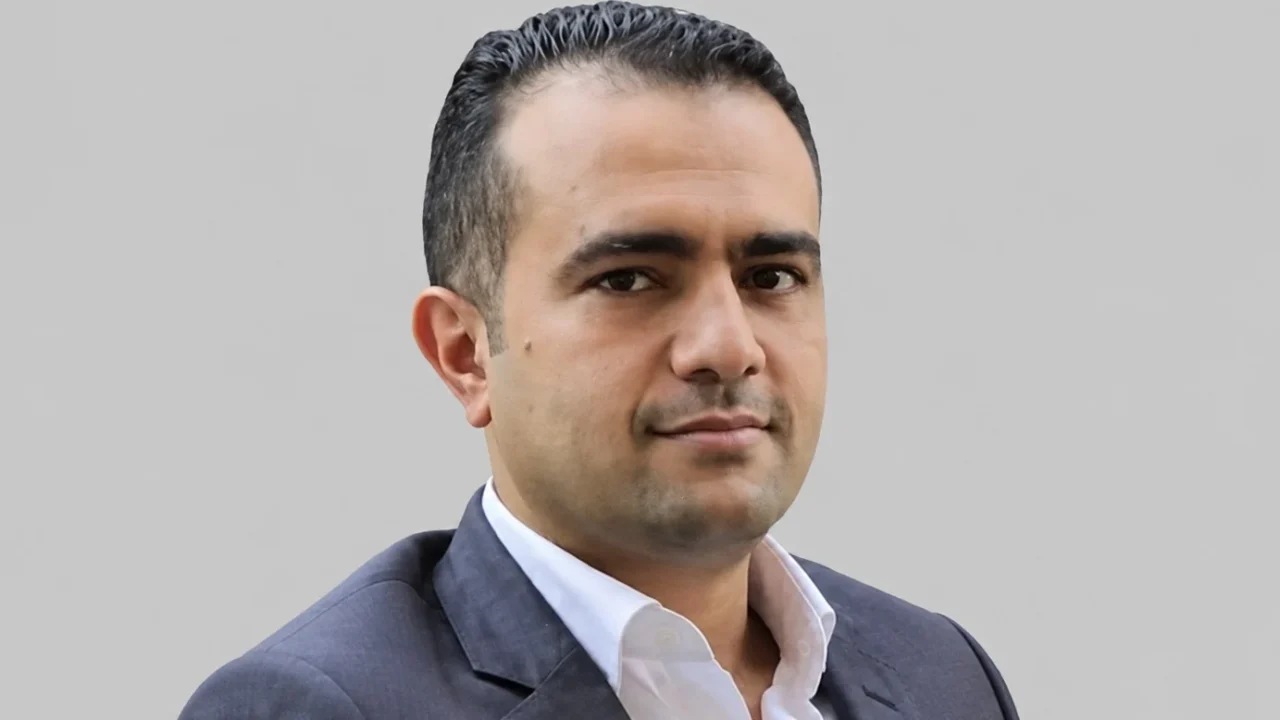
Ahmed Abdulrahman Al Mathehaji: LMWH Is Preferred Despite Elevated INR in Decompensated Cirrhosis
Ahmed Abdulrahman Al Mathehaji, Internal Medicine Specialist and Gastroenterology, Hepatology, Endoscopy Fellow, shared a post on X:
“Low molecular weight heparin (LMWH) is the preferred anticoagulant for treating acute deep vein thrombosis in patients with decompensated cirrhosis, regardless of the elevated INR.
The elevated INR should not be considered an absolute contraindication to anticoagulation, as it reflects impaired hepatic synthetic function rather than true anticoagulation status in cirrhosis.
Direct oral anticoagulants (DOACs) are contraindicated in decompensated cirrhosis, particularly in Child-Pugh class C patients and critically ill individuals, due to hepatic metabolism and unpredictable drug levels.
While DOACs may be considered in compensated cirrhosis (Child-Pugh class A or B), they should be avoided in decompensated disease.
LMWH has demonstrated superior outcomes in cirrhotic patients with venous thromboembolism, achieving higher recanalization rates (71% vs 42% without treatment) and lower variceal bleeding risk compared to no anticoagulation. Meta-analyses confirm that LMWH produces more complete recanalization than warfarin and reduces all-cause mortality.
Warfarin may be considered as an alternative if LMWH is contraindicated, though INR monitoring is problematic in cirrhosis due to baseline coagulopathy and uncertain target ranges. Historical studies have used INR targets of 2-3, but this approach requires careful individualization.
The decision to anticoagulate should be individualized based on extent of thrombosis, bleeding risk, platelet count (generally safe if more than 50,000/μL), and fall risk rather than INR alone.
Active bleeding would be a contraindication, but thrombocytopenia and prolonged INR should not automatically preclude treatment.”
Stay updated with Hemostasis Today.
-
Oct 1, 2026, 09:19Pauline Schuitema: Lipemic Index May Help Identify Severe Lipid Disorders
-
Oct 1, 2026, 07:52Marc Carrier: TRIM-Line Trial Evaluates VTE Prevention in Cancer
-
Oct 1, 2026, 07:29Ariela Marshall: New Guidelines Provide Updated Recommendations for Iron Deficiency Diagnosis
-
Sep 30, 2026, 22:28Recent Mechanical Risk Factors and Young-Onset Cryptogenic Ischemic Stroke – American Heart Association International
-
Sep 30, 2026, 22:22Expert Consensus on Inferior Vena Cava Thrombosis – Thrombosis and Haemostasis Journal
-
Sep 30, 2026, 22:21Markus Abeln: How Platelets and Complement Shape Placental Blood Flow
-
Sep 30, 2026, 22:19Fatma Al Arbawi: Studying Blood Clot Mechanics to Understand Aspirin Resistance and Thrombosis
-
Sep 30, 2026, 22:17Sudhir Kumar: Stroke is a Medical Emergency – and Every Minute Matters
-
Sep 30, 2026, 22:15Luisa Medeiros Visentini: Our Research on Cognitive Impairment After CVT Cited in the International Journal of Stroke