

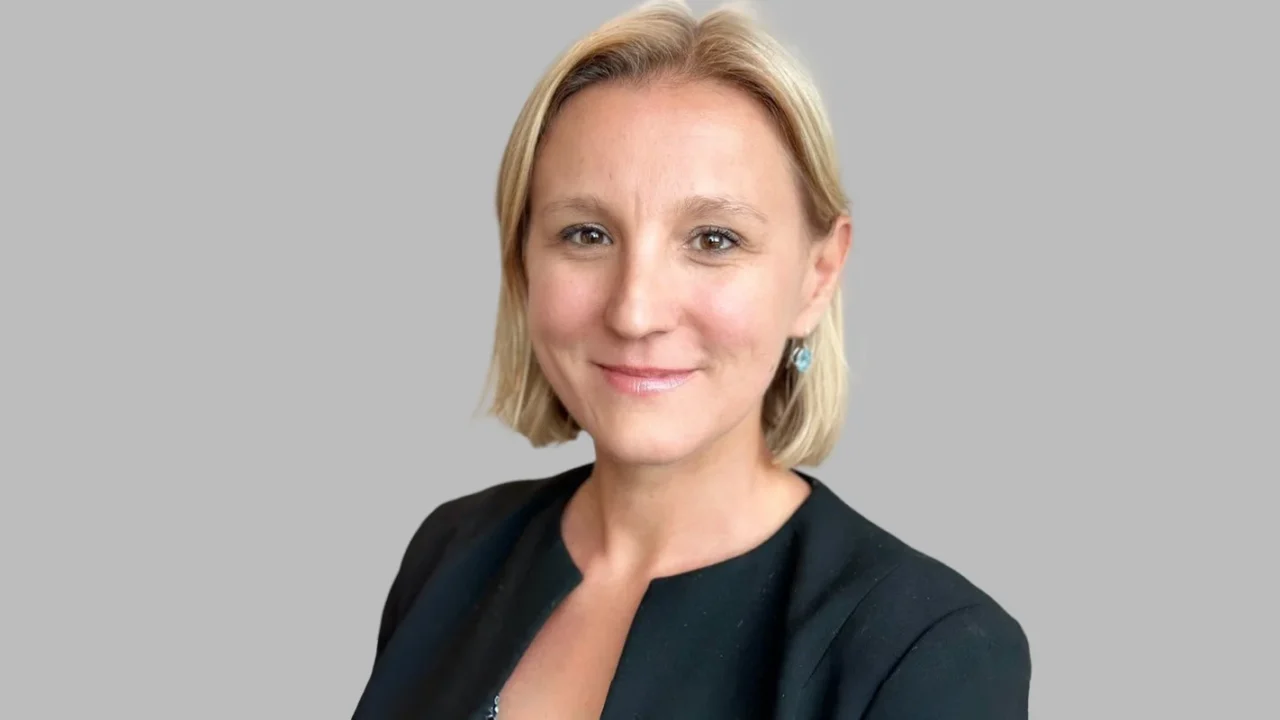
Caroline Voltz-Girolt: Accelerating the Development of Innovative Therapies for Rare Blood Disorders
Caroline Voltz-Girolt, Senior Scientific Pfficer, Office of Advanced Therapies and Haemato-oncology at European Medicines Agency, shared a post on LinkedIn:
” ‘If you want to go fast, go alone. If you want to go far, go together.’
African proverb
But can we go fast together?
AI and gene editing are rapidly reshaping the future of rare blood disorders, bringing new hope for patients through the promise of a cure.
The question is: how can regulators, clinicians, researchers, patients, industry and other stakeholders work together to make this happen?
The European Medicines Agency (EMA) has opened a public consultation on two new draft guidelines:
Comments are welcome until 31 January 2027.
These draft guidelines build on discussions from the EMA workshop on the challenges in drug development, regulation, and clinical practice in haemoglobinopathies, held in July 2024. The workshop brought together regulators, clinicians, patients, HTA bodies, researchers, and other experts to explore key challenges and opportunities in this rapidly evolving field.
Key topics included:
Unmet medical needs and the current treatment landscape in the EU and the US
- Clinical trial design and the selection of meaningful endpoints
- Innovative therapies, including gene-editing approaches
- Bioethics, health technology assessment, and the role of patient registries
A sincere thank you to all colleagues, experts, working parties and committees who contributed to the development of these draft guidelines: Viktoriia Starokozhko, Karri Penttilä, Johanna Lähteenvuo, Antonella Isgro’, Sylvie Benchetrit, Aysun Cetinyurek Yavuz, Florian Lasch, Angelika Geroldinger, Johannes Walter Beiersdorf, Frederike Lentz, Ole Weis Bjerrum, Flora Musuamba, Caroline Pothet, Benjamin Hofner, Sotiris Michaleas, Caroline Voltz, Daniela Philadelphy, Bruno Sepodes with consultation of the methodology Working Party (MWP), the committee for orphan medicines (COMP), the paediatric committee (PDCO) and the committee for advanced therapies (CAT), the pharmacovigilance committee (PRAC) and endorsed by the committee for human medicinal products (CHMP).
And everyone involved in the workshop: Emer Cooke, Ali Taher, John Porter, Mariane de Montalembert, Raffaella Colombatti, Loris Brunetta, Patricia Oneal, Megha Kaushal, Johanna Lähteenvuo, Radhouane Cherif, Laurence Lwoff, Anja Schiel, María del Mar Mañú Pereira, Antonella Isgro‘
We welcome your comments and perspectives.”
Stay updated with Hemostasis Today.
-
Nov 8, 2026, 19:31Anna Kajaste-Rudnitski: Presenting AAV-Induced p53 Signalling in Human CNS Cells at ESGCT 26
-
Nov 8, 2026, 19:29David McIntosh: Cybersecurity Matters, but Blood Availability Remains the Bigger Challenge
-
Nov 8, 2026, 19:26Wenxue Ma: An Integrative Framework for Macrophage-Mediated Therapeutic Resistance in Cancer
-
Nov 8, 2026, 19:25Yildiz Yigit: Presenting a Polycythemia Vera Case at the MPN Subcommittee Session
-
Nov 8, 2026, 18:56Denis Oduor: Strengthening the Regulation and Delivery of Blood Transfusion and Transplantation Services
-
Nov 8, 2026, 18:28Raghavendra Rao: A Narrative Review on Chronic Venous Disease during Pregnancy
-
Nov 8, 2026, 17:57Dhiren Patel: PLD1-Derived Phospholipids Regulate NAD Kinase and ROS Production in Neutrophils
-
Nov 8, 2026, 17:48Andra T.: What Causes Antiphospholipid Syndrome? – Four Steps, not One Cause
-
Nov 8, 2026, 17:38Nasrin Samadi: Can a Normal Clotting Test Be Misleading?