


Christina Pohlman: The Hidden Complexity of Warfarin Therapy in APS
Christina Pohlman, CEO and Co-Founder of APS Foundation of America, shared a post on LinkedIn:
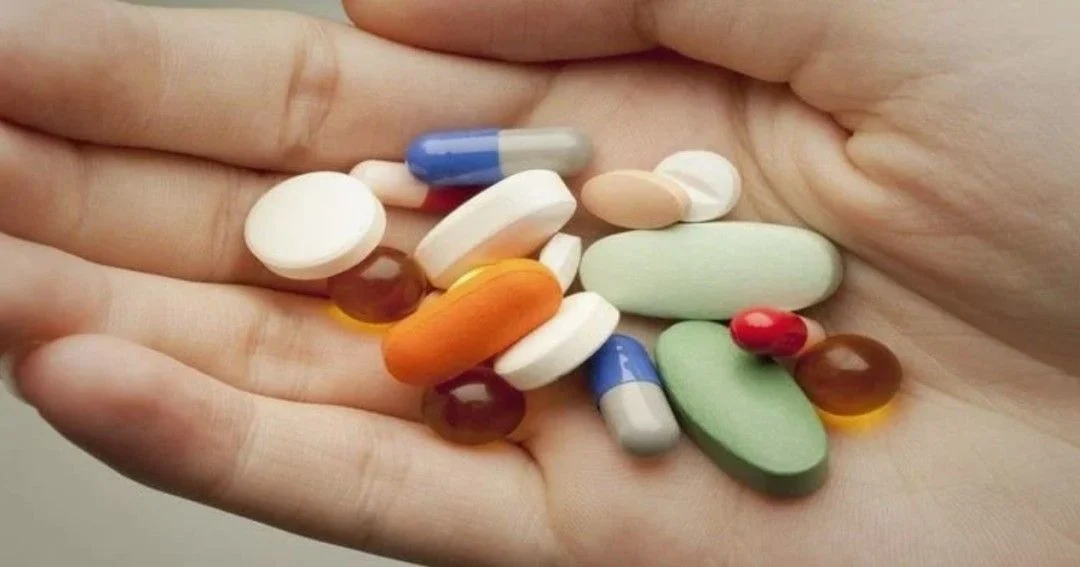
“Use anticoagulants with caution when taking supplements.
This article details a 63-year-old woman with Antiphospholipid syndrome (APS) who had two previous episodes of acute pulmonary embolism (PE).
Due to her high risk of recurrent clots, she was on long-term vitamin K antagonist therapy.
Regular follow- up and INR checks were scheduled to keep her anticoagulation within the target range.
However, she used an old prescription without monitoring and started taking a dietary supplement on her own.
About two weeks later, she developed hematuria, increased leg bruising, and worsening bleeding symptoms.
Initially, her hematuria was thought to be from a urinary tract infection, and she was given antibiotics.
Her bleeding persisted and worsened.
Evaluation revealed her INR had risen to 10.6.
While typical INR targets are around 2–3 for many patients, an INR of 10.6 indicates dangerously excessive anticoagulation and a high bleeding risk.
The doctors temporarily stopped her anticoagulant and supplement, gave two units of fresh frozen plasma, monitored her coagulation, and adjusted her medication.
After three days, her symptoms improved, INR decreased to 2.48, and her regimen was recalibrated before discharge.
The key lesson for APS
patients is not that one supplement caused the high INR, but that multiple factors- missed monitoring, continued old medication, supplement use, antibiotics, and overall health changes- can influence anticoagulation.
It emphasizes the importance of evaluating all medications and supplements, as many people consider vitamins, herbal, and over-the-counter products safe and often omit mentioning them to healthcare providers.
Some substances can impact drug metabolism, vitamin K pathways, platelet function, and coagulation, altering bleeding risk and anticoagulant effectiveness, especially with vitamin K antagonists like warfarin that require close monitoring.
Patients should never adjust their anticoagulant doses on their own during bleeding or abnormalities.
Instead, they should contact their healthcare team immediately for proper testing.
A simple message for patients: If you have APS and take warfarin or similar drugs, always inform your healthcare provider about all medications, vitamins, herbs, and supplements you use.
Do not assume that natural or supplemental products are safe.
Regular INR checks are crucial, and your doctor must guide any dose changes.
Bleeding symptoms such as unexplained bruising or blood in urine should never be ignored, particularly when on anticoagulants.
The article does not identify a specific supplement as the cause of the INR spike or establish a direct interaction; instead, it highlights that various factors can affect anticoagulation, including supplements, antibiotics, and monitoring gaps.
Read More Here.”
Stay updated with Hemostasis Today.
-
Sep 15, 2026, 14:44Consuela A. Albright: Building a More Connected Sickle Cell Care System
-
Sep 15, 2026, 14:43Andrew Jackson: Cyanosis as a Clue to Central Venous Obstruction
-
Sep 15, 2026, 14:43Andy Darlington: Randomized Evidence for Catheter-Based Treatment of Intermediate-High-Risk PE
-
Sep 15, 2026, 14:31Yaozhi Wang: AI Increased Incidental Pulmonary Embolism Detection
-
Sep 15, 2026, 14:30Moe Alsumidaie: Mitapivat Challenges the Transfusion-Centric Model of Thalassaemia Care
-
Sep 15, 2026, 14:28Jonathan Douxfils: The Emerging Role of Estetrol in Menopausal Hormone Therapy
-
Sep 15, 2026, 14:19Mohammad Salar Amoli: The Coagulation Laboratory Approach to Hemophilia A
-
Sep 15, 2026, 14:09Lydia Pecker: A Call for Blood Donors for Sickle Cell Patients
-
Sep 15, 2026, 13:50Richard Godin: Challenges in Diagnosing Homozygous Familial Hypercholesterolemia