

David McIntosh: Concrete Performance Targets for Rare Disease Patients
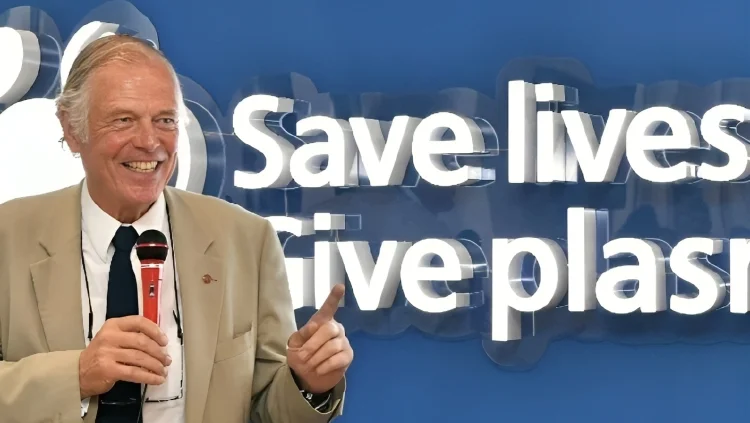
David McIntosh, Founder and Chair of United Plasma Action, shared PPTA Europe’s post on LinkedIn, adding:
“As yet another Rare Disease Day rolls round, it certainly behoves us all to pause and reflect upon the dire circumstances of the millions of patients and undiagnosed sufferers in this World currently suffering and dying from lack of appropriate care.
With upwards of 300 million people in this category, globally, they must surely be our key focus.
There can be no doubt that the commemoration of World Rare Disease Day, and the widespread publicity associated with it, will have beneficial effects.
To optimise these, however, consequent action will be required.
Awareness has potential value. Action will save lives.
A footnote here may be of value –
It will surely be helpful to approach February 28th with three numbers clearly in mind
- the number of unserved and underserved patients and undiagnosed sufferers, globally, in 2024/’25
- the number as it stands now
- the number the International Plasma Community is determined to see achieved by the end of 2026.
What those 300 million people our there need to know, please God, is that we’re making real solid progress towards relieving their suffering, and are determined to make even more progress – much more progress – in the years ahead.
Concrete performance targets will surely help towards that end ….”
PPTA Europe shared a post on LinkedIn:
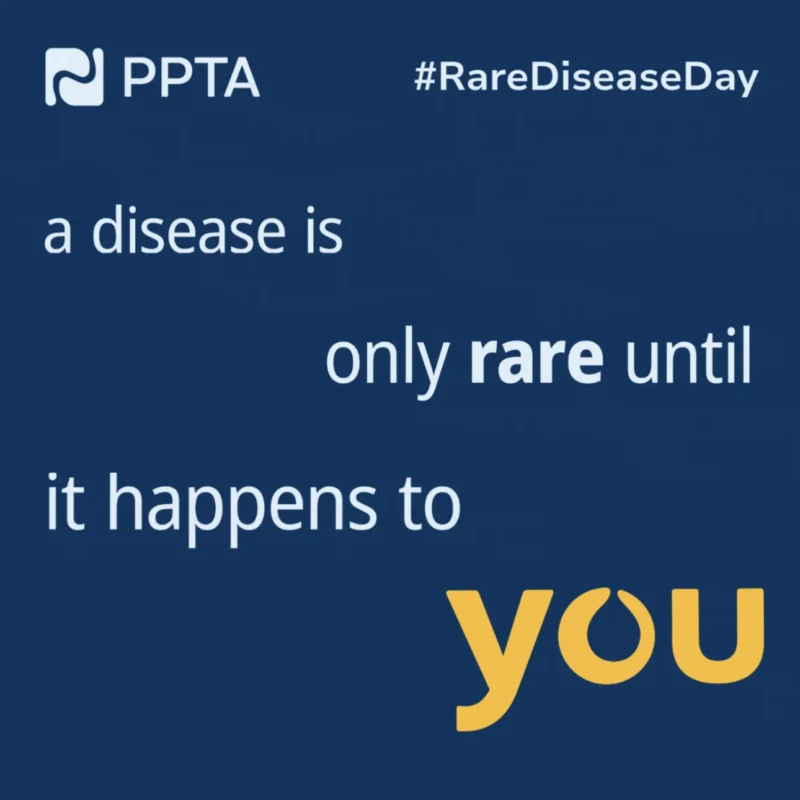
“Rare diseases can be isolating and scary. The plasma community supports many patients experience rare diseases and is proud to raise awareness for Rare Disease Day occuring later this month (28 Feb).
Every year, thanks to better diagnostic tools and increased provider education, more patients are diagnosed with life-threatening plasma protein-related disorders, such as:
- Immune deficiencies
- Immune-mediated peripheral neuropathies
- Hereditary angioedema
- Alpha-1 antitrypsin deficiencies
- Haemophilia and other bleeding disorders
- And more
These aren’t your everyday health issues. They can be incredibly challenging to live with, and they often require lifelong treatment. In many cases, plasma-derived medicines are the only option to treat these rare diseases.
Many patients report not only improvements to their physical health after starting these unique therapies, but also share improvements in their mental health and overall happiness as well.
If you found this post insightful, please like and share.”
Find the latest updates on Hemostasis Today.
-
Apr 3, 2026, 17:59A Free Hemoglobin Screening Camp for Kaikadi Vasti and Eramushti Community Women – Hope Foundation Sironcha
-
Apr 3, 2026, 17:53Carlos Henrique Del Carlo: HFpEF and Iron Deficiency – Why Treating the Mitochondrial Engine Matters More Than We Thought?
-
Apr 3, 2026, 17:46Michelle Leona Cecil: A Call to Protect Patient Care and The Nation’s Blood Supply for Blood Disorders Community
-
Apr 3, 2026, 17:38Shahab Sheikhalishahi: A Rare Case of Portal Vein Thrombosis After Echis Carinatus Envenomation
-
Apr 3, 2026, 17:33Kimberly Ha: Epia Neuro Aims to Restore Movement in Stroke Survivors
-
Apr 3, 2026, 17:28Ryan Perry: Heart and Stroke Announces 2026 Grants-in-Aid Indigenous Research Stream Funding Opportunity
-
Apr 3, 2026, 17:21Maxime Dely: A Meaningful Journey of 14 years in Blood Transfusion
-
Apr 3, 2026, 17:19Arun V J: Don’t Miss TRANSCON 2026 – A Direct Pathway Into India’s Clinical and Institutional Network
-
Apr 3, 2026, 17:17Louise St. Germain Bannon: Preparating for ISTH 2026 and Highlighting Best Aspects of Congress