

A Free Hemoglobin Screening Camp for Kaikadi Vasti and Eramushti Community Women – Hope Foundation Sironcha
Hope Foundation Sironcha shared a post on LinkedIn:
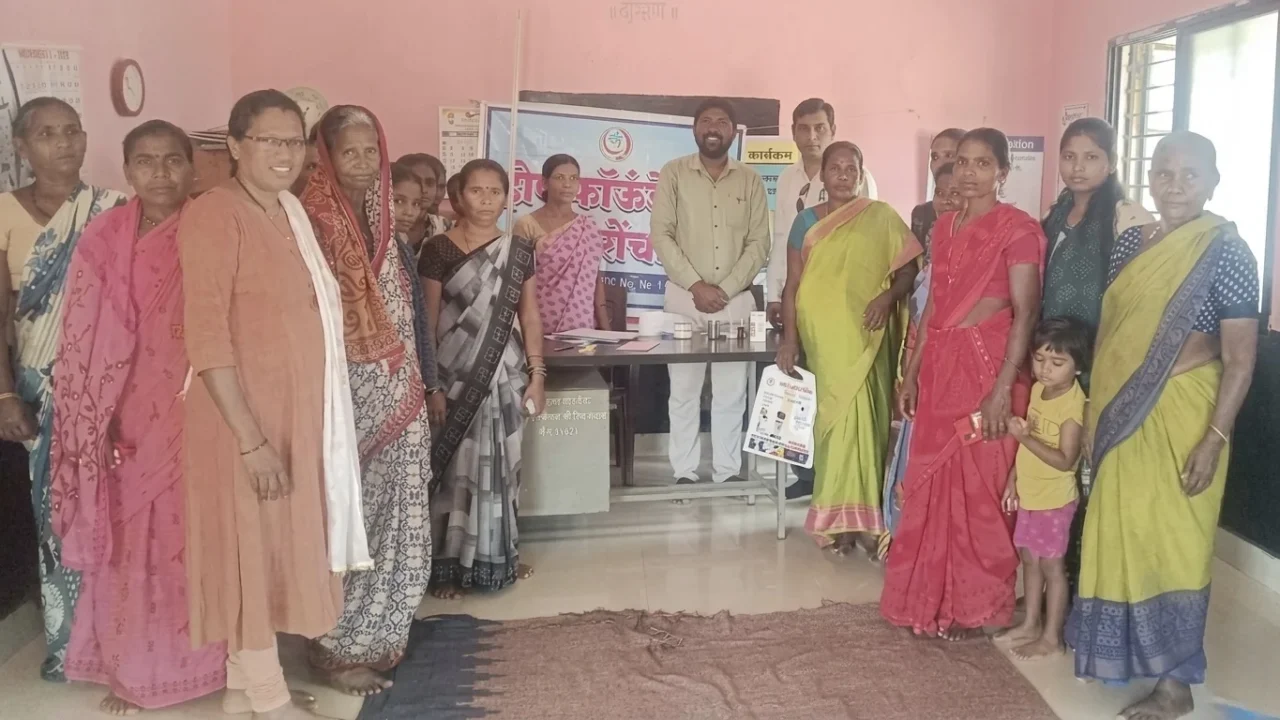
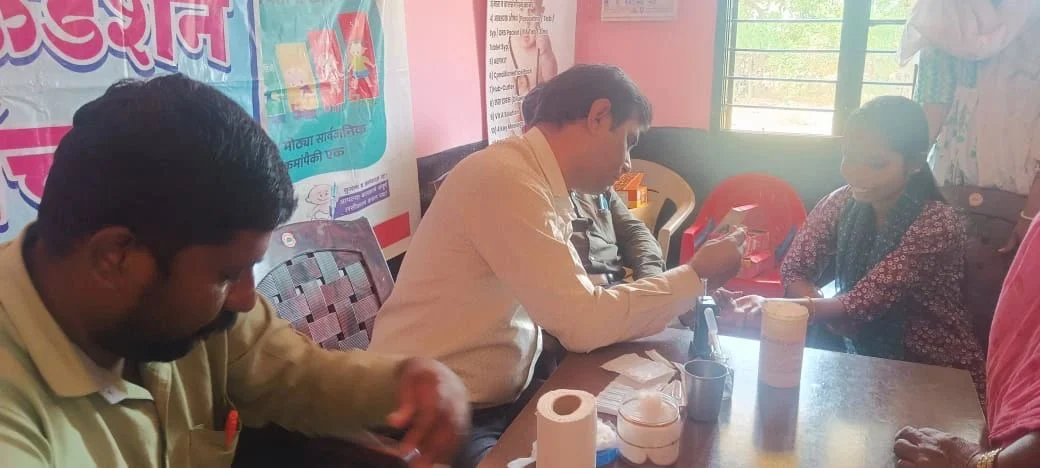
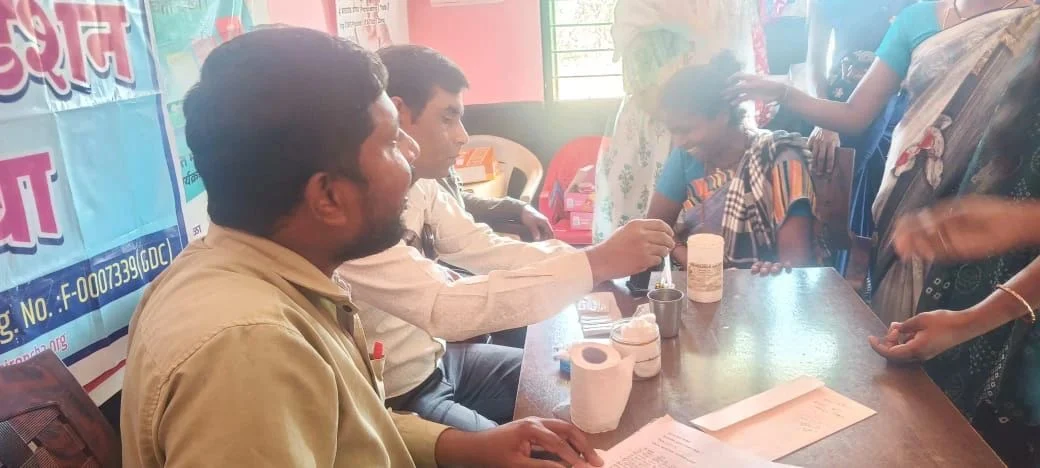
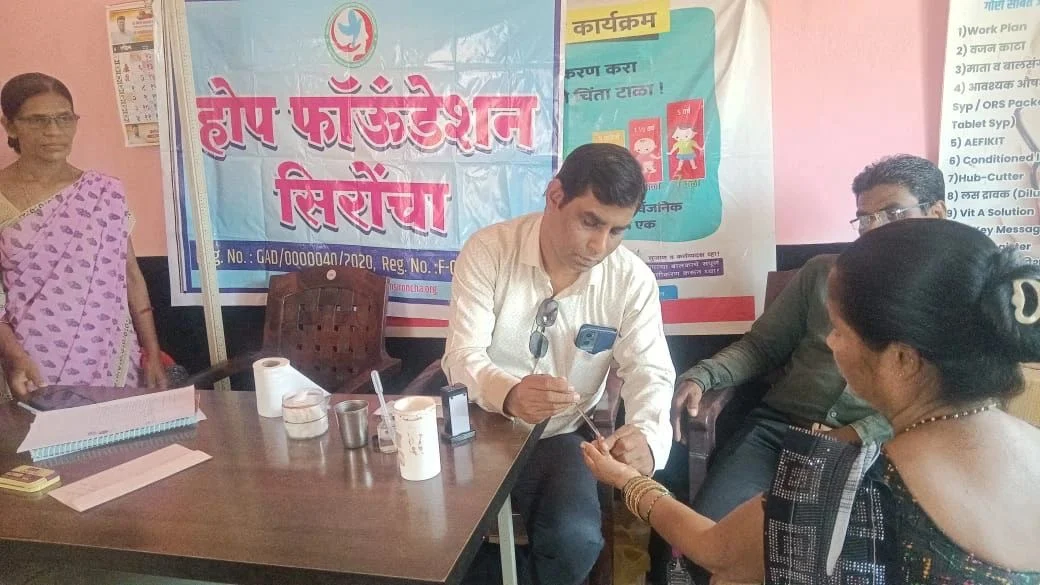
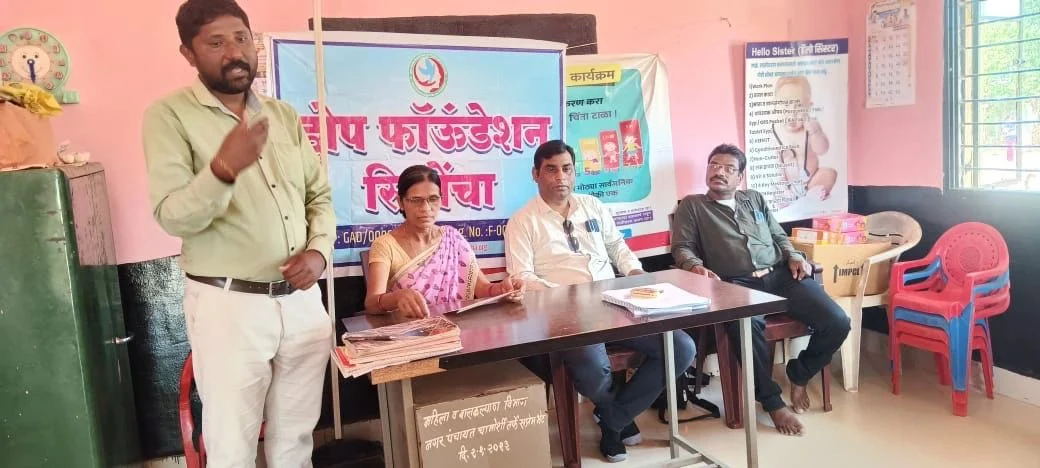
”Today, Hope Foundation Sironcha organized a Free Hemoglobin Screening Camp for women from the Kaikadi Vasti and Eramushti community.
A total of 41 women underwent hemoglobin testing during the camp.
Alarmingly, 8 women were found to have hemoglobin levels as low as 8 g/dL, which is a serious public health concern.
Many women from these communities leave home early every morning to collect scrap for survival.
Often, they work on an empty stomach, and some even have to travel outside their area for this physically exhausting work.
In such conditions, weakness, dizziness, headaches, and constant fatigue are often dismissed as ‘normal.’
But in reality, these are often important warning signs of anemia.
One incident during the camp deeply reflected the seriousness of this issue.
An elderly grandmother came to the camp with her granddaughter.
The young girl had been feeling extremely weak earlier in the day and had already received IV saline at a private hospital.
After hearing that hemoglobin screening was happening in the locality, they came for testing. Her result showed that her hemoglobin was only 8 g/dL.
This was not just one girl’s story — it reflects the hidden health struggles of many girls and women in vulnerable communities.
What is often ignored as ‘ordinary weakness’ may actually be severe anemia.
Another major concern is the presence of food and health myths that continue to worsen the problem.
For example:
- ‘Cooking in an iron pan causes rust to enter the stomach’
- ‘Eating peas increases body heat’
- ‘Eating spinach causes kidney stones’
Because of such misconceptions, many women and adolescent girls avoid foods that are actually helpful for increasing hemoglobin and improving health.
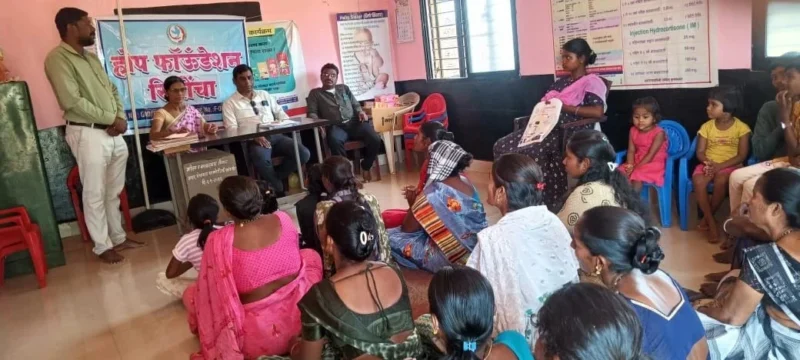
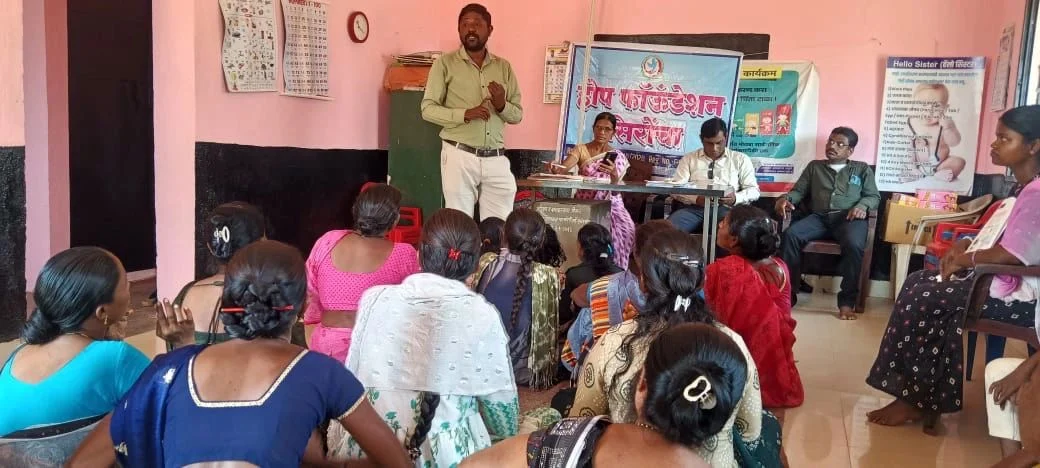
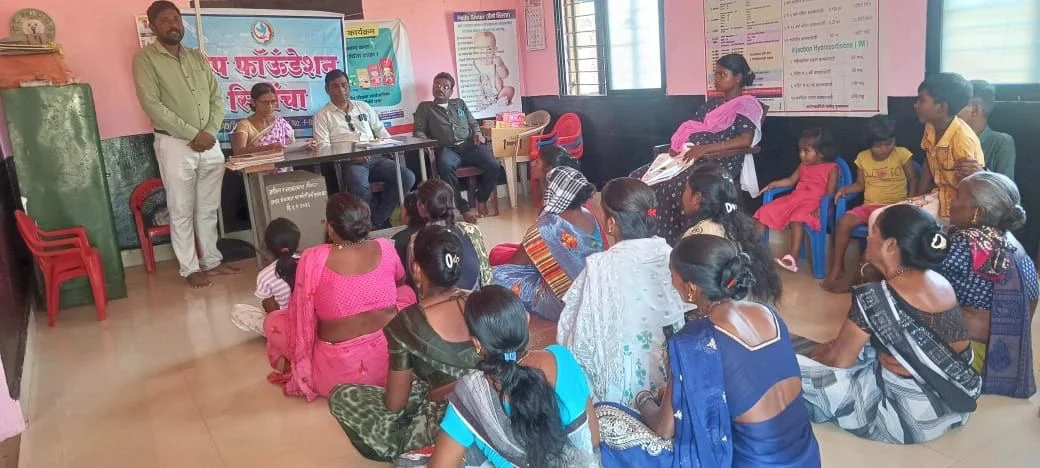
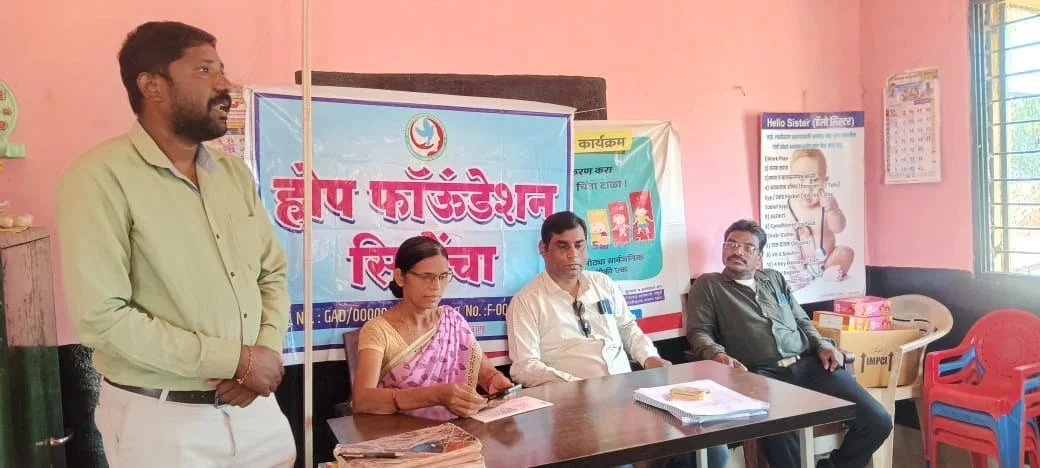
Through today’s awareness session, these myths were addressed, and participants were guided about:
- The importance of nutritious food
- Iron-rich dietary practices
- Recognizing the symptoms of anemia
- Seeking timely treatment and care
Today’s camp was not limited to hemoglobin testing alone.
It became a moment of awareness – helping many women and girls understand why they may have been silently suffering for so long.
Timely screening, the right information, and breaking harmful myths – this is where a healthier society truly begins.”
Stay updated with Hemostasis Today.
-
Oct 4, 2026, 15:06Vasiliki Gkalea: Journal of Clinical Medicine Launches Special Issue on Hematologic Thrombosis and Bleeding
-
Oct 4, 2026, 14:55Quentin Brebant: What Defines a High-Quality Red Blood Cell Concentrate?
-
Oct 4, 2026, 14:47Rana Al-Hrout: Recognizing Non-Anemic Iron Deficiency – Why Iron Matters Beyond Hemoglobin
-
Oct 4, 2026, 14:41David McIntosh: International Plasma Awareness Week 2026 – Closing the Global Plasma Gap
-
Oct 4, 2026, 14:33Pete Stibbs: CleanerVac Real-World Study Presented at VIVA and The VEINS 2026
-
Oct 4, 2026, 13:56Maria Elisa Mancuso: EHC 2026 Highlights the Unmet Needs of Women with Bleeding Disorders
-
Oct 4, 2026, 13:53Nirmal Shaji George: Individualizing Anticoagulation in Complex APS and Thrombocytopenia
-
Oct 4, 2026, 13:5210 Posts Not to Miss This Week
-
Oct 4, 2026, 13:45Suswapna Singh Rawat: The Clinical Significance of Coronary Plaque Stability