

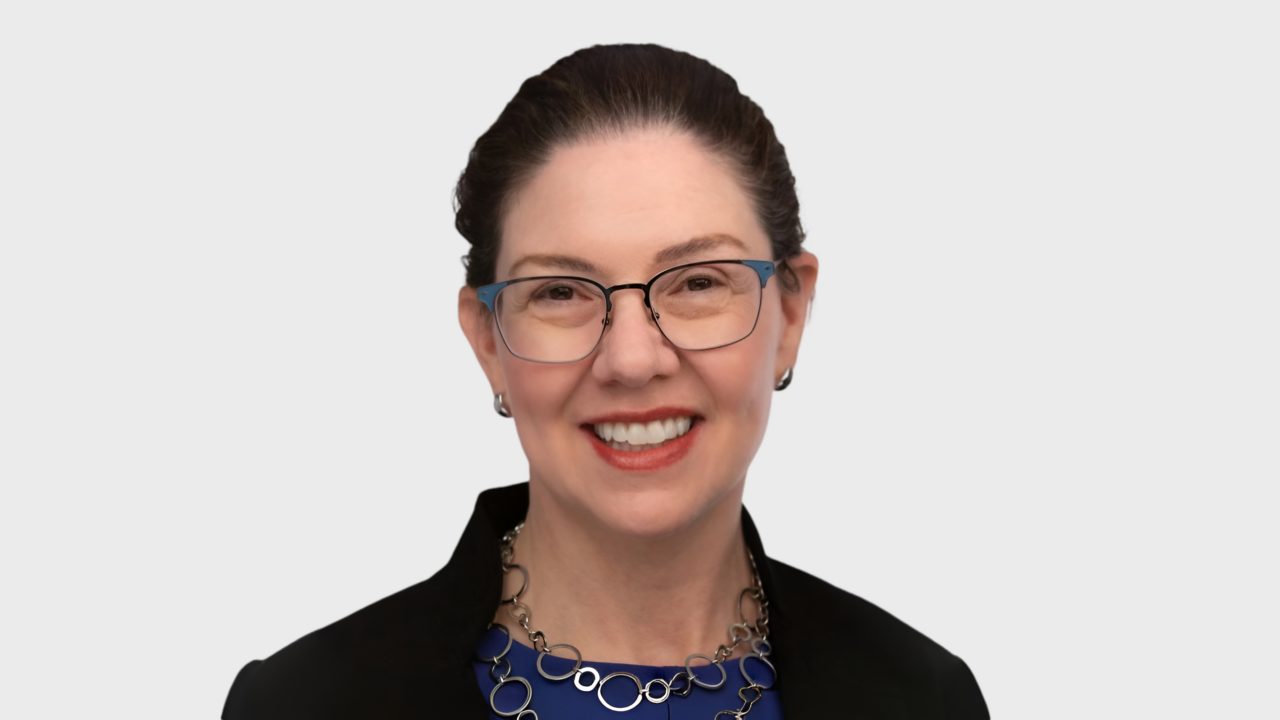
Deborah Ebert Long on Hemophilia Care: Progress, Possibility, and the Power of Listening
Deborah Ebert Long, Senior Vice President, Medical Affairs at CSL, shared on LinkedIn:
”Hemophilia Care: Progress, Possibility, and the Power of Listening
I am pleased to share reflections on one of the most inspiring journeys in rare disease care—hemophilia.
As the head of Medical Affairs at CSL, I see every day how science continues to redefine what’s possible for people living with rare diseases.
In hemophilia, the progress has been extraordinary, from uncertainty of frequent bleeds and transfusions to enabling proactive management.
Factor replacement therapies changed the game, and extended half-life therapies built on that progress, offering even greater freedom and protection.
Each advance reflects decades of research, collaboration, and advocacy.
Now, science is opening a new chapter: gene therapy.
Instead of relying on replacement therapies, gene therapy aims to restore the body’s ability to make the protein missing in people living with Hemophilia B, addressing the underlying genetic cause of the disease.
It’s a shift in how we think about what’s possible.
But with innovation comes complexity—questions about access, education, and support.
At CSL, our commitment remains clear: to advance science in ways that are meaningful and sustainable for the people we serve.
Here are three principles shaping how we move forward.
1. Fostering Dialogue—Thoughtfully
Progress begins with listening. When patients, clinicians, and advocates share their perspectives, solutions become more inclusive and enduring.
2. Communicating—Openly
Change brings questions. Transparent, consistent communication builds trust and confidence as new therapies emerge.
3. Collaborating—Relentlessly
Every step forward in hemophilia care is the result of partnership—between researchers, advocates, and the community itself.
The future of hemophilia care is bright and still unfolding.
Together, we can ensure it’s defined not only by innovation, but by empathy, integrity, and hope.
It’s a privilege to be part of this journey.
Learn more about the latest data shaping this next chapter.”

Stay updated with Hemostasis Today.
-
Sep 30, 2026, 01:52Javed Anees: DADA2 – When a Young Stroke Is More Than a Stroke
-
Sep 30, 2026, 01:51How a Venous Thrombus Becomes Revascularized – ISTH
-
Sep 29, 2026, 22:45Victor Agunyego: Paracetamol – The Most Common Drug We Underestimate
-
Sep 29, 2026, 22:42Nova Sinclair: Advancing the Future of Hematology – Meet Our 2027 Organizing Committee
-
Sep 29, 2026, 22:41Lorenz Räber: Intracoronary Imaging in PCI – Why, When, How, and Which Modality?
-
Sep 29, 2026, 22:31Selma Turkovic: Pleased to Deliver the Opening Presentation at Kingston Hospital
-
Sep 29, 2026, 22:31Miguel Teran: Ultrasound and Simulation in Arterial Blood Sampling
-
Sep 29, 2026, 22:28Mohammad Refaei: Navigating Your Career in Hematology From Training to Practice
-
Sep 29, 2026, 22:27Matteo Foschi: 10 Clinical Pearls for Antithrombotic Therapy in Secondary Stroke Prevention