

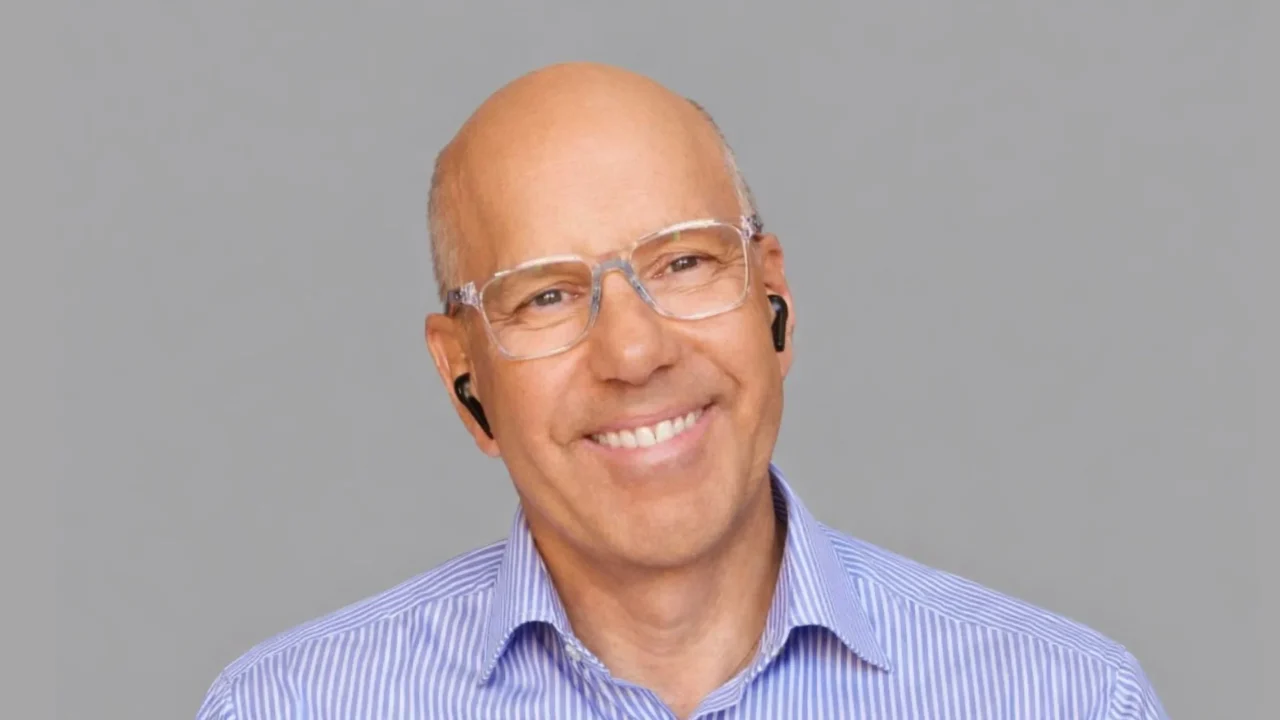
Haroun Gajraj: Effects of Combining Liquid Sclerotherapy with RF Thermocoagulation for Spider Veins
Haroun Gajraj, Phlebologist and Board Member of the British Association of Sclerotherapists, shared a post on LinkedIn about a recent article by Adem İlkay Diken et al, adding:
“Are you using combination treatment for leg spider veins?
Microsclerotherapy plus RF (aka Short Wave Diathermy)
This pilot study from 2021 investigated the effects of combining standard liquid sclerotherapy with Radiofrequency (RF) thermocoagulation for patients with spider veins.
The study included 111 randomized patients:
- Group 1: Received liquid sclerotherapy alone.
- Group 2: Received liquid sclerotherapy followed immediately by low-energy percutaneous RF thermocoagulation.
The RF thermocoagulation was intended to induce vein spasm, thereby reducing blood flow and limiting complications like trapped blood and micro-thrombosis.
Key Results
- Cosmetic Outcomes: Patients in the combined treatment group (Group 2) reported significantly higher satisfaction with cosmetic outcomes compared to those who received sclerotherapy alone.
- Complications: Group 2 showed significantly lower rates of hyperpigmentation (9 percent versus 28.5 percent) and trapped blood (3 percent versus 16 percent).There was no significant difference between the groups regarding skin necrosis.
- Clinical Efficacy: Both groups showed significant improvements in Venous Clinical Severity Scores (VCSS) after three months, with no significant difference between the two techniques in terms of VCSS reduction.
- Treatment Sessions and Time: Patients in the combined group required fewer treatment sessions on average (2.7 versus 3.3). However, the procedure duration was significantly longer in Group 2 (25.5 minutes versus 7.2 minutes).
Conclusion
The study concludes that adding RF thermocoagulation to liquid sclerotherapy can improve cosmetic outcomes and reduce complication rates, with the benefit of requiring fewer treatment sessions, despite the increased duration of individual procedures.
This combination method is used and taught by Emma Kelliher at the EK Clinic and VCA training courses.
Interested to hear what YOU do
Leave a comment ‘combo’ if you like to know more about what we do…”
Title: Adjuvant radiofrequency thermocoagulation improves the outcome of liquid sclerotherapy in the treatment of spider veins of the leg: A pilot study
Authors: Adem İlkay Diken, Utku Alemdaroğlu, Sertan Özyalçın, İzzet Hafez, Hüseyin A Tünel, Adnan Yalçınkaya, Ata N Ecevit
Read the Full Article on Phlebology
Stay updated with Hemostasis Today.
-
Sep 30, 2026, 01:52Javed Anees: DADA2 – When a Young Stroke Is More Than a Stroke
-
Sep 30, 2026, 01:51How a Venous Thrombus Becomes Revascularized – ISTH
-
Sep 29, 2026, 22:45Victor Agunyego: Paracetamol – The Most Common Drug We Underestimate
-
Sep 29, 2026, 22:42Nova Sinclair: Advancing the Future of Hematology – Meet Our 2027 Organizing Committee
-
Sep 29, 2026, 22:41Lorenz Räber: Intracoronary Imaging in PCI – Why, When, How, and Which Modality?
-
Sep 29, 2026, 22:31Selma Turkovic: Pleased to Deliver the Opening Presentation at Kingston Hospital
-
Sep 29, 2026, 22:31Miguel Teran: Ultrasound and Simulation in Arterial Blood Sampling
-
Sep 29, 2026, 22:28Mohammad Refaei: Navigating Your Career in Hematology From Training to Practice
-
Sep 29, 2026, 22:27Matteo Foschi: 10 Clinical Pearls for Antithrombotic Therapy in Secondary Stroke Prevention