

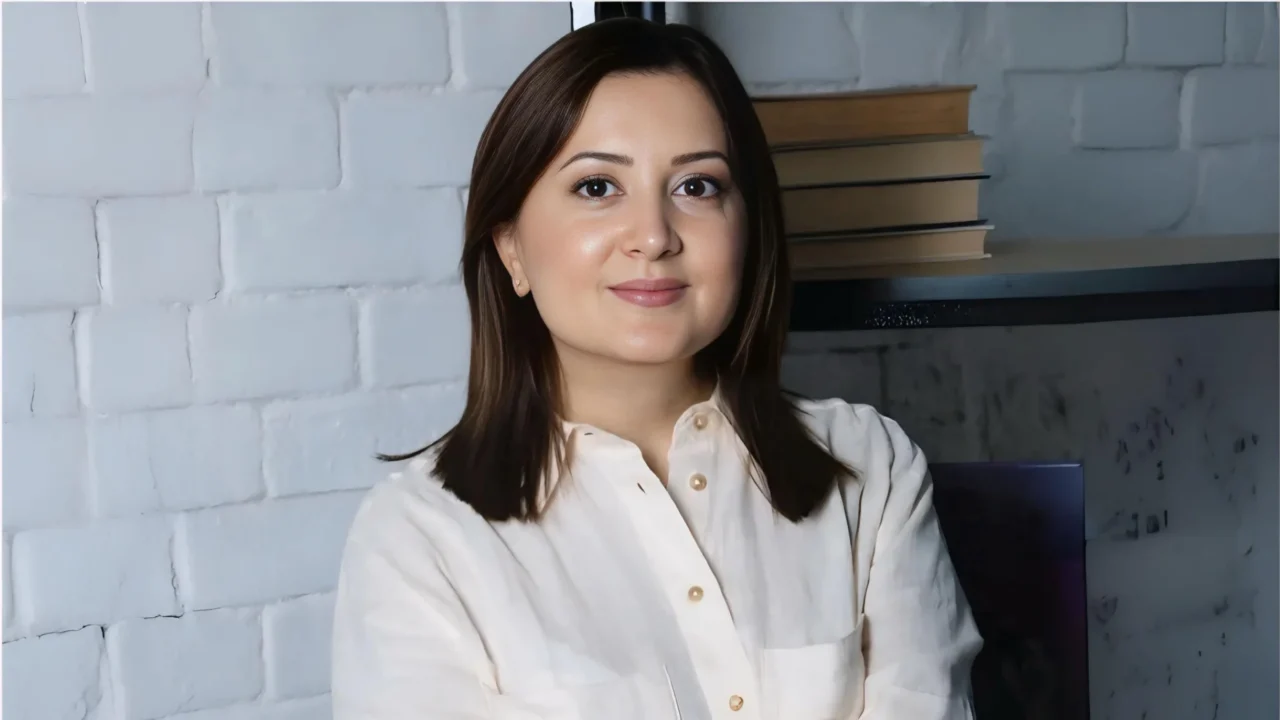
Heghine Khachatryan: What Is Your Position on the Voluntary or Financially Compensated Blood Donation Model
Heghine Khachatryan, Editor-in-Chief of Hemostasis Today, Head of Hemophilia and Thrombosis Center at Yeolyan Hematology and Oncology Center, shared a post on LinkedIn:
“Blood donation remains one of the most essential pillars of modern healthcare.
Yet, the sustainability of blood supplies continues to challenge healthcare systems worldwide, raising important ethical and practical questions.
As healthcare professionals, researchers, and transfusion specialists, your perspective is invaluable.
Discussion Question
Should blood donation remain a completely voluntary, non-remunerated act, or should financial compensation for donors be considered under specific circumstances?
Please share your opinion and the reasoning behind it.
Option 1 – Voluntary, Non-Remunerated Blood Donation (Supported by WHO)
- Promotes altruism, solidarity, and public trust.
- Is generally associated with the lowest risk of transfusion-transmissible infections.
- Reduces the possibility that financial need may influence donor eligibility or disclosure of risk factors.
- Supports a sustainable culture of regular, repeat voluntary donors.
Option 2 – Financially Compensated Donation
- May increase donor recruitment during periods of blood shortages.
- Could improve the availability of plasma or blood components in regions facing chronic supply deficits.
- May acknowledge the donor’s time, travel expenses, and inconvenience.
- Raises ethical concerns regarding equity, exploitation of economically vulnerable populations, and potential impacts on donor safety and blood quality.
There is no universally simple answer. Different countries have adopted different models, each with unique ethical, clinical, and public health implications.
What is your position?
- I support exclusively voluntary, non-remunerated donation.
- I support carefully regulated financial compensation.
- I believe a hybrid model is the most appropriate.
Please explain the evidence, ethical principles, or clinical experience that has shaped your opinion. An open, respectful discussion can help advance transfusion medicine and strengthen future blood donation policies.”
Other posts featuring Heghine Khachatryan on Hemostasis Today.
-
Oct 8, 2026, 04:28Jeff Molter: Electrophysiological PIEZO1 Analysis Advances Diagnosis in Hereditary Xerocytosis
-
Oct 8, 2026, 04:23Barbara Adams Krolak: Women and Blood Clots Are We Missing the Warning Signs
-
Oct 8, 2026, 04:10Rutendo Muzambi: Hospital Admission Patterns and Care Disparities in Sickle Cell Disease
-
Oct 8, 2026, 03:50Olfat Berro: Redefining the Future of Haemophilia A
-
Oct 8, 2026, 03:35Tasnia Tarana: Heavy Menstrual Bleeding When the Cause Is Not in the Uterus
-
Oct 8, 2026, 03:28Kian Haseli: Electrophysiological PIEZO1 Analysis Advances Diagnosis in Hereditary Xerocytosis
-
Oct 8, 2026, 03:20Sthanu Subramanian: Leukopenia in Sepsis A Marker of Severe Disease
-
Oct 7, 2026, 16:44Amor Salah: 2026 NCS/SCCM Guidelines for Managing Antithrombotic-Associated ICH
-
Oct 7, 2026, 16:04NETs in Thrombosis: From Mechanism to Therapeutic Target