

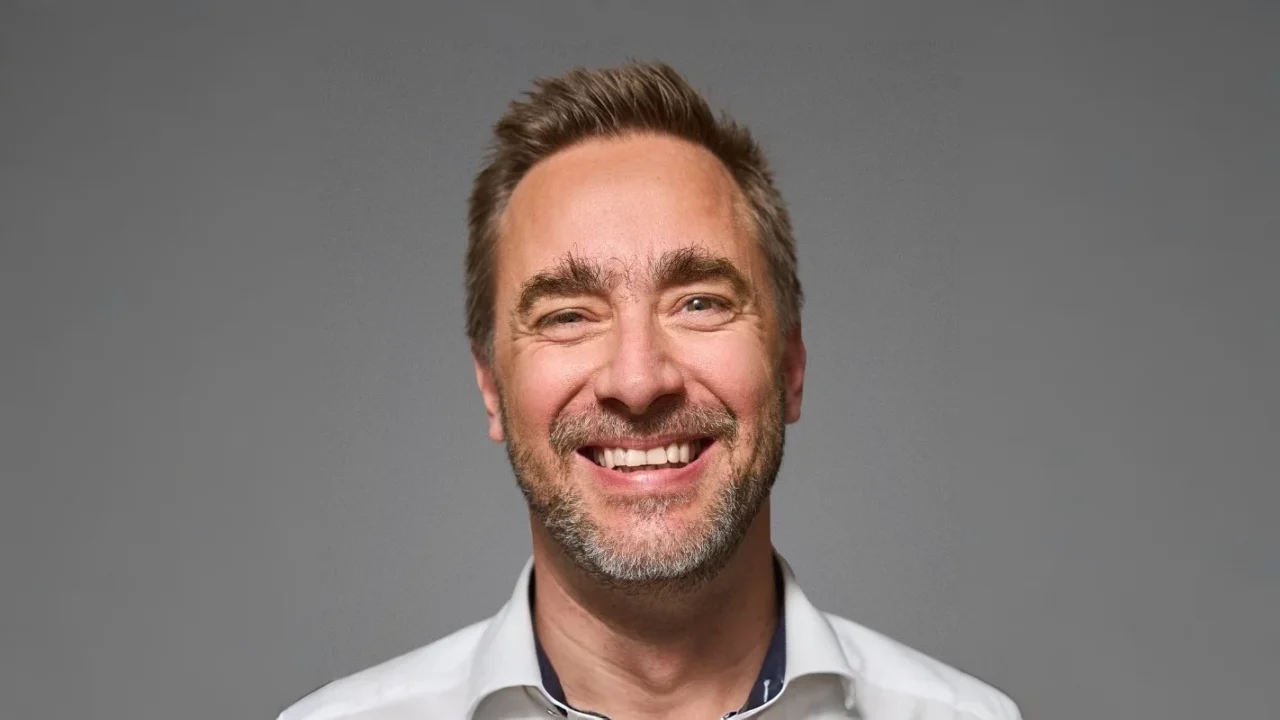
Jan Geissler: Shaping the Future of Hematology Research at EHA CRTH
Jan Geissler, Founder and CEO of Patvocates, shared a post on LinkedIn:
“Just back from five days deep in the French woods, investing in the people who will shape tomorrow’s haematology research.
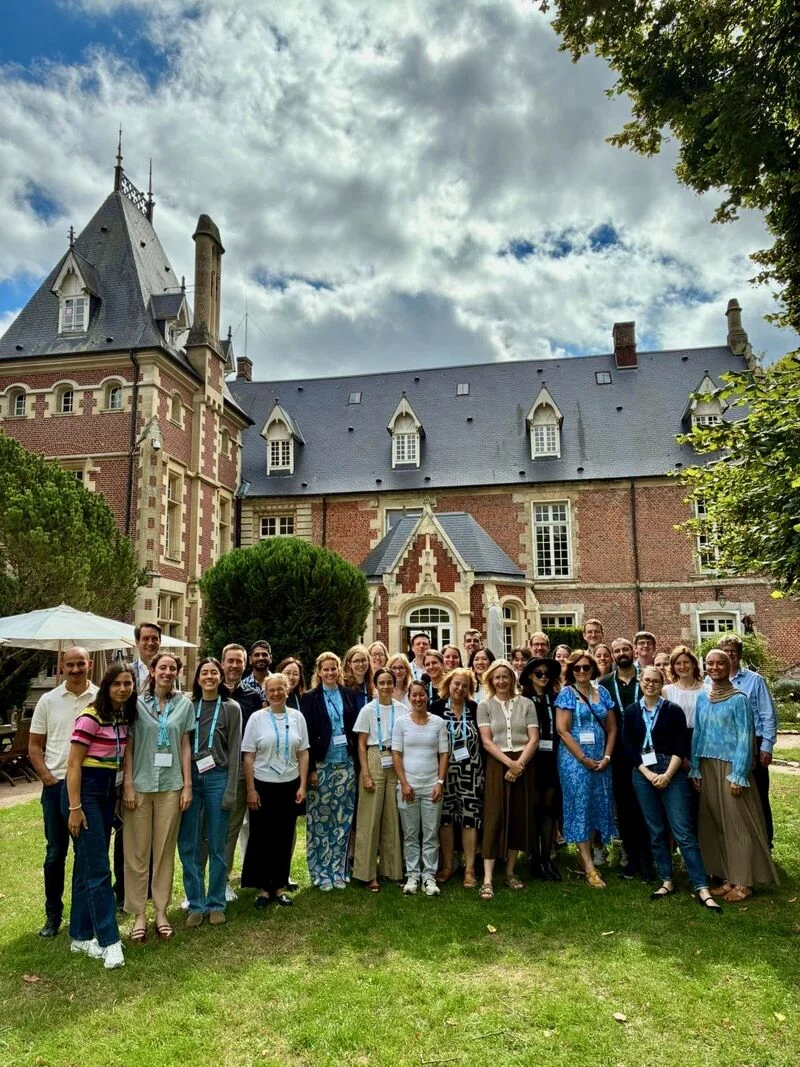
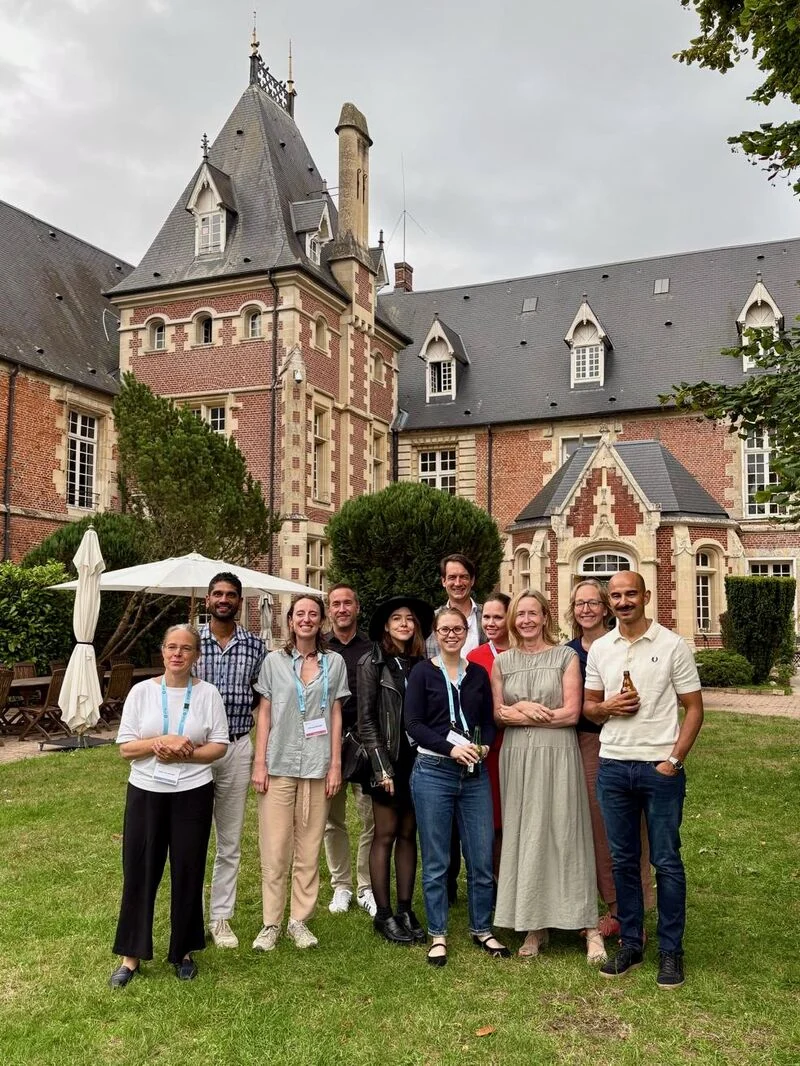
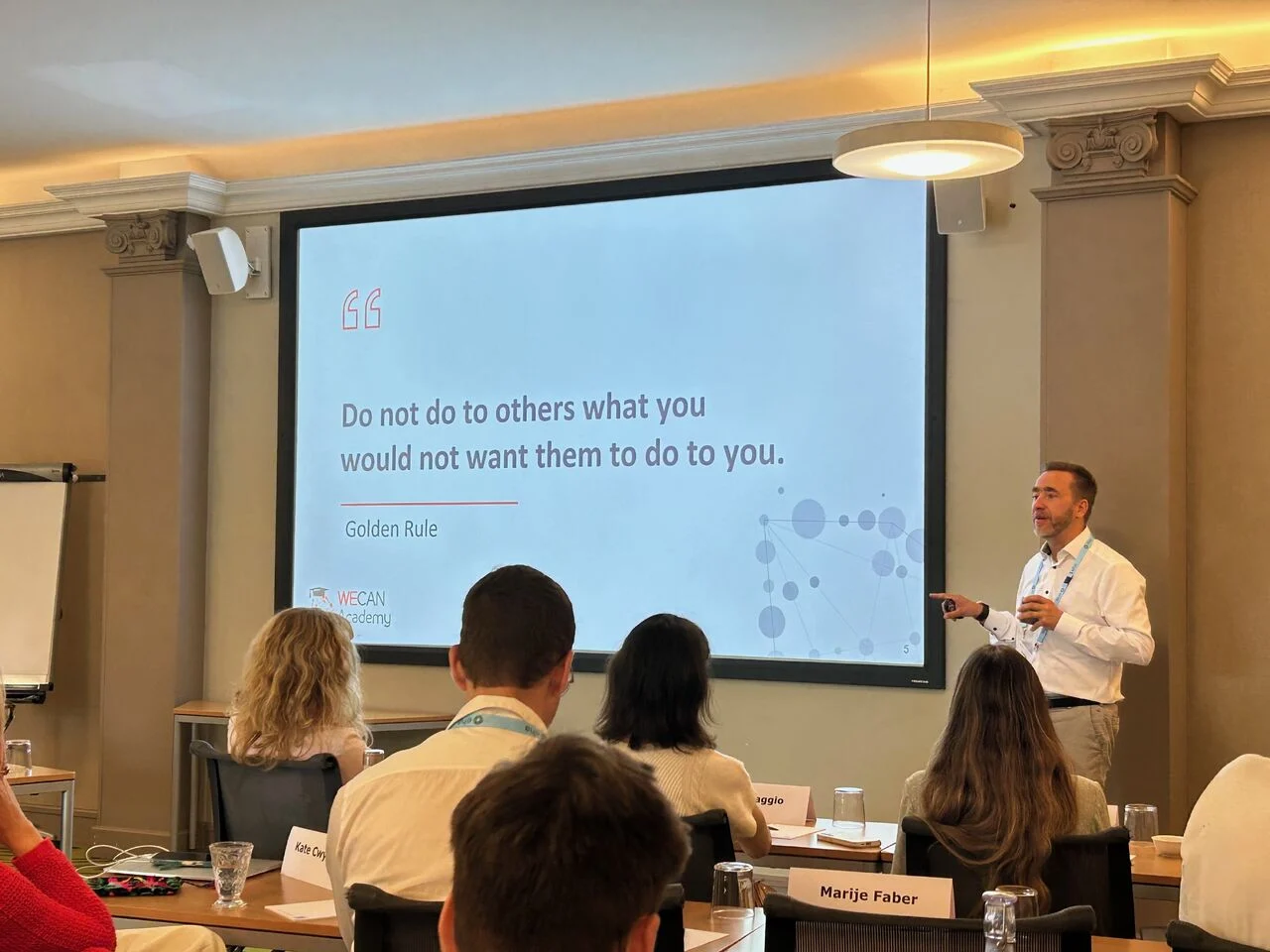
For the fourth year, I had the privilege of serving on the faculty of the European Hematology Association (EHA) Clinical Research Training in Hematology (CRTH) programme at Bellinglise Castle, France .
And I love CRTH.
There is something super rewarding about working with young, supersmart clinical researchers who are full of ideas, curiosity and enthusiasm – and, importantly, not yet fixed in how clinical research ‘should be’ and ‘has always been’ done.
These are the clinicians and investigators who will design tomorrow’s trials.
So we spent quite some time making the patient perspective difficult to ignore:
- Would you honestly offer your own trial to your patients?
- Who are your eligibility criteria quietly excluding?
- Are you measuring what actually matters to patients?
- Does informed consent result in understanding, or merely a signature?
- Who owns and controls samples in a biobank?
And what use is patient literacy if it doesn’t ultimately give patients agency?
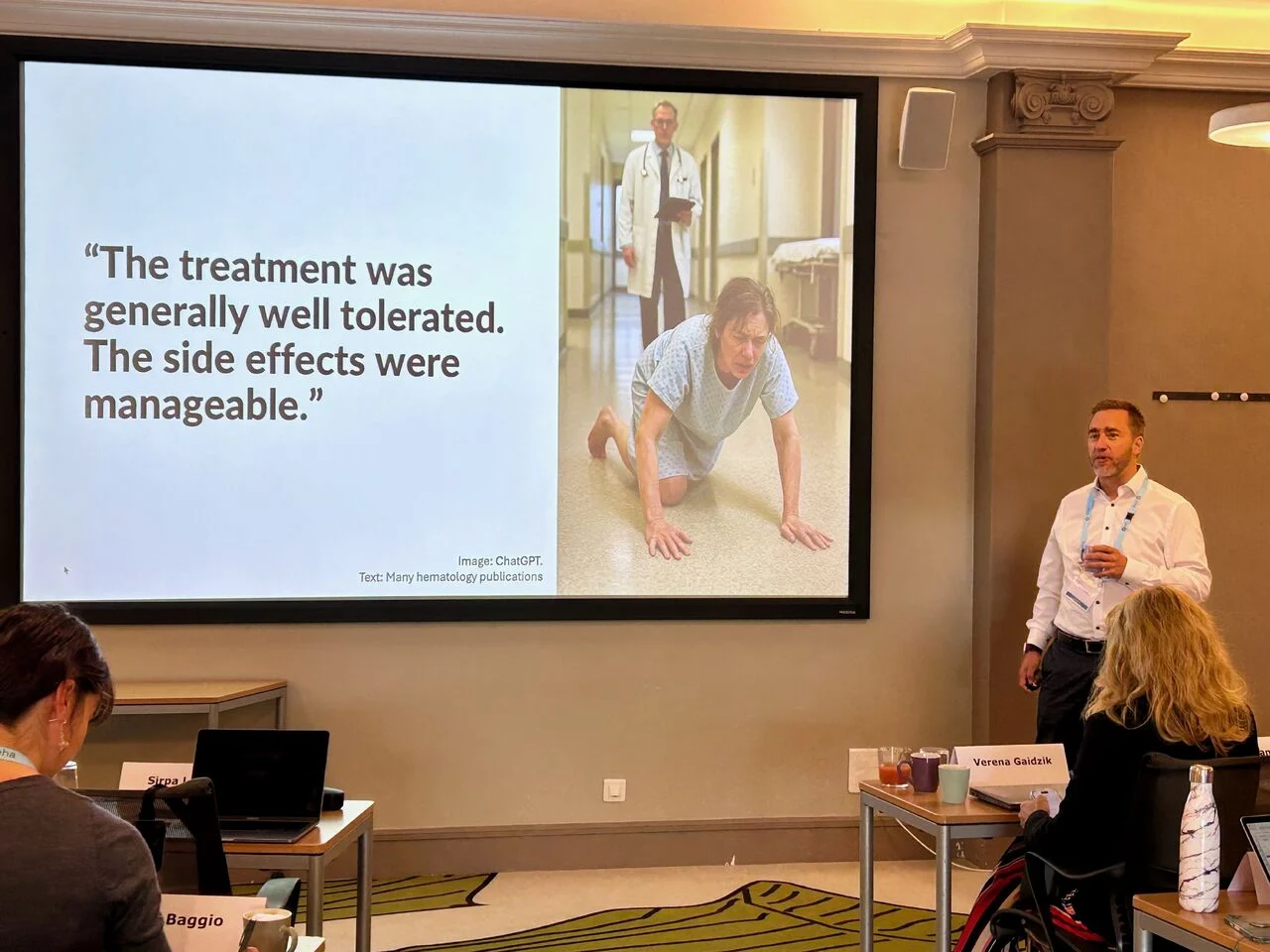
My sessions covered patient involvement in trial design and participation, patient-reported outcomes and treatment tolerability, ethical questions around biobanking, and patient literacy about research.
What I particularly like: these topics aren’t sitting in some separate ‘and now let’s hear from a patient’ corner.
They are embedded alongside statistics, data management, precision medicine, DEI, real-world evidence, AI and translational research.
Patient engagement shouldn’t be something researchers discover after their first protocol has failed to recruit.
It should be part of how we teach people to become clinical researchers in the first place.
A huge thank you to course directors Sirpa Leppa and Verena Gaidzik, and to European Hematology Association (EHA) and all the faculty for putting patient involvement so firmly at the heart of CRTH.
And deep thanks to Jennifer Scheffer and Audrey Urighe for managing this demanding but very sweet crowd with so much humour, patience and professionalism.
The CRTH class of 2026 has graduated.
I feel proud, grateful and optimistic about what these people will do next.
Our paths will cross again, I am sure.
Hematology is such a great space for innovation and patient advocacy.
For those early-career hematologists who want to go through this amazing programme in 2027: Applications are open until 15 Sept 2026!
Apply Now!”
Stay updated with Hemostasis Today.
-
Oct 20, 2026, 05:46Jan T. Kielstein: DNP Poisoning and Hemoadsorption The Limits of Rescue Therapy
-
Oct 20, 2026, 05:33Giulia Di Paolo: Connecting Plasma Donation to the Patients Who Depend on It
-
Oct 20, 2026, 05:20James Knowles: Exploring Plasma Manufacturing and Strengthening Industry Collaboration
-
Oct 20, 2026, 05:11Giuseppe Lippi։ Understanding Liver Test Abnormalities After AAV Gene Therapy
-
Oct 20, 2026, 05:02Sanam Loghavi: Test Your Hematology Knowledge at ASH 2026!
-
Oct 20, 2026, 04:13Ifeanyichukwu Ifechidere: DOACs Are Not the Answer to Every Anticoagulation Question
-
Oct 20, 2026, 04:04Sadia Kamal: Honored to Receive the Outstanding Abstract Award at the 20th Midwest Platelet Conference
-
Oct 20, 2026, 04:03Yu-Hsuan Chen: One Antibody, Two Diseases from FcRn Biology to Clinical Translation
-
Oct 20, 2026, 03:49Domenico Simone Castiello: Rethinking Prolonged DAPT in Multivessel PCI – Insights from the DAPT-MVD Trial