


Muhammad Aasim Ali: Treatment Strategies for Chemotherapy-Induced Cytopenias
Muhammad Aasim Ali, Pharmacist at Premium Care Medical Polyclinic, shared a post on LinkedIn:
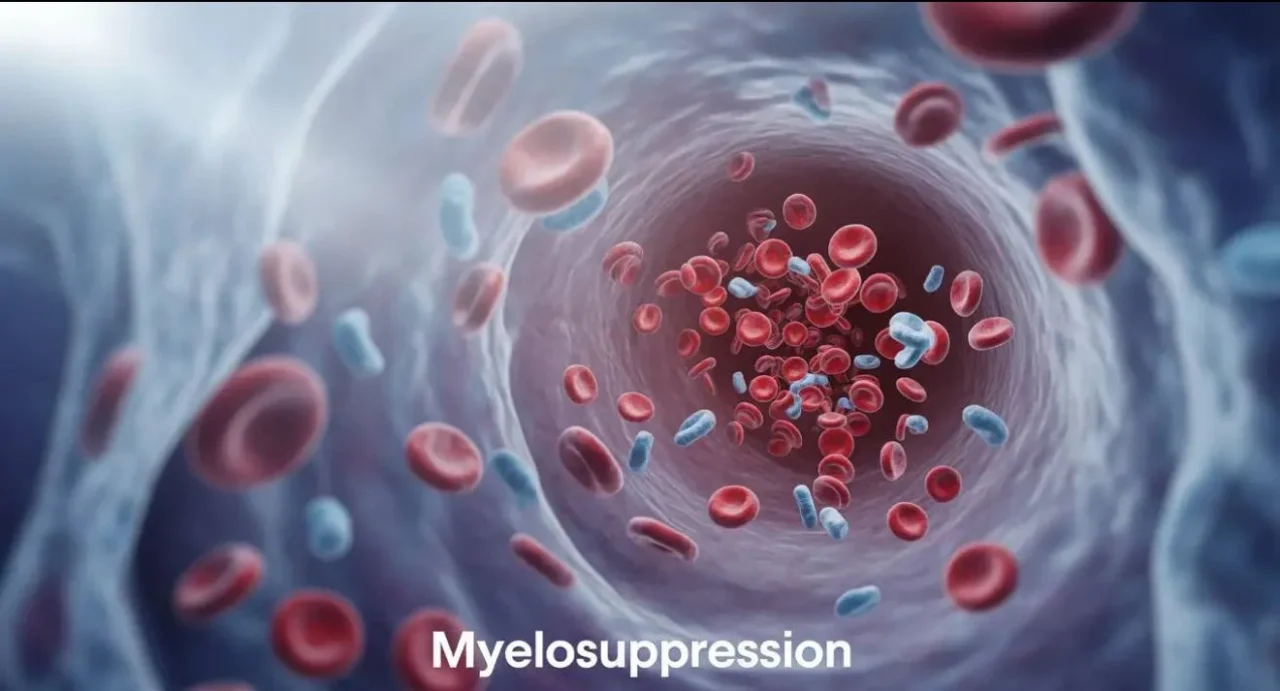
”Cancer Myelosuppression Treatment
Cancer therapy–induced myelosuppression:
Neutropenia:
Granulocyte colony-stimulating factors include:
- filgrastim
- pegfilgrastim
They act on myeloid progenitors via the G-CSF receptor to accelerate neutrophil proliferation, differentiation, and release from the bone marrow.
Pegylation prolongs half-life and allows once-per-cycle dosing.
These agents reduce febrile neutropenia risk but can cause bone pain and, rarely, splenic complications.
Anemia:
Chemotherapy-induced anemia is addressed with erythropoiesis-stimulating agents such as:
- epoetin alfa
- darbepoetin alfa
These drugs activate erythropoietin receptors on erythroid progenitors to increase erythrocyte production.
However, their use is restricted due to risks of thromboembolism and potential tumor progression, and they are generally reserved for palliative settings with careful hemoglobin targets.
Thrombocytopenia:
- Oprelvekin: a recombinant human IL-11 drug used to prevent severe thrombocytopenia and reduce the need for platelet transfusions.
It acts as a thrombopoietic growth factor that stimulates the bone marrow to produce more megakaryocytes and platelets.”
Stay updated with Hemostasis Today.
-
Sep 29, 2026, 22:45Victor Agunyego: Paracetamol – The Most Common Drug We Underestimate
-
Sep 29, 2026, 22:42Nova Sinclair: Advancing the Future of Hematology – Meet Our 2027 Organizing Committee
-
Sep 29, 2026, 22:41Lorenz Räber: Intracoronary Imaging in PCI – Why, When, How, and Which Modality?
-
Sep 29, 2026, 22:31Selma Turkovic: Pleased to Deliver the Opening Presentation at Kingston Hospital
-
Sep 29, 2026, 22:31Miguel Teran: Ultrasound and Simulation in Arterial Blood Sampling
-
Sep 29, 2026, 21:47Javed Anees: DADA2 – When a Young Stroke Is More Than a Stroke
-
Sep 29, 2026, 22:28Mohammad Refaei: Navigating Your Career in Hematology From Training to Practice
-
Sep 29, 2026, 22:27Matteo Foschi: 10 Clinical Pearls for Antithrombotic Therapy in Secondary Stroke Prevention
-
Sep 29, 2026, 22:26A Global Call for Action on Cardiovascular Health on World Heart Day – ISTH