

Robert Brown: Hemostatic Factors in Recurrent Pregnancy Loss
Robert Brown, Academic Obstetrician, shared a post on LinkedIn:
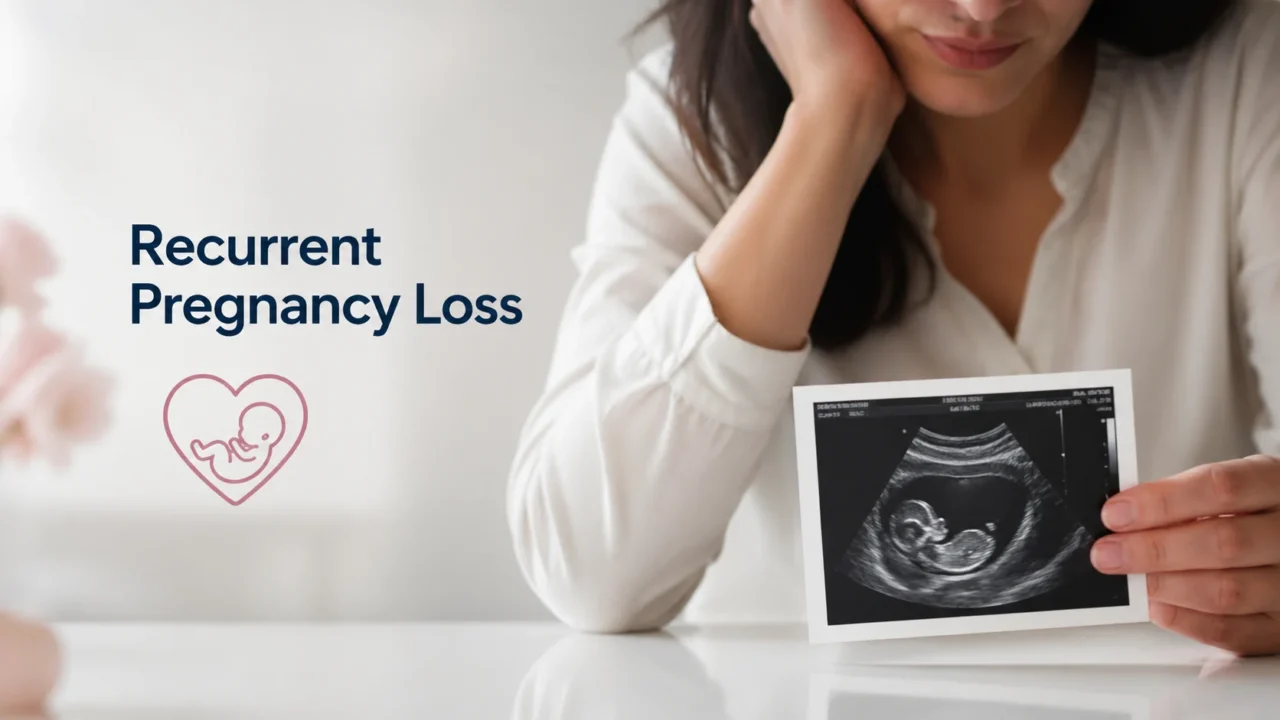
“Recurrent Pregnancy Loss.
Evaluation of recurrent pregnancy loss is indicated after two or three consecutive miscarriages.
The minimum diagnostic work-up consists of a complete medical, surgical, genetic, and family history and a physical examination.
The history should include a description of the gestational age and characteristics of all previous pregnancies.
Physical examination should include a general physical examination with attention to signs of endocrinopathy(hirsutism, galactorrhea) and pelvic organ abnormalities.
Laboratory and imaging tests include: sonohysterogram, testing for antiphospholipid syndrome (ACA antibodies and lupus anticoagulant performed twice twelve weeks apart).
The diagnosis should include anti-beta2glycoprotein I antibodies as well.
TSH and thyroid perixidase antibodies, parental karyotype and karyotype of the abortus if the above examinations are normal.
This is the last test performed only if preceding work-up is yields negative results.
Additional tests depend upon the diagnosis suggested by history, physical examination, and laboratory results.
Male contribution to RPL is unclear.”
Stay updated with Hemostasis Today.
-
Sep 22, 2026, 04:15Wolfgang Miesbach: First AAV Gene Therapy Data in Adolescents With Haemophilia B
-
Sep 22, 2026, 04:03Emmanuel J Favaloro: 100 Years of VWD – A Special Virtual Issue
-
Sep 22, 2026, 03:31Mostafa Elshazly: How Is Humidification Used During Non Invasive Ventilation?
-
Sep 22, 2026, 03:05Sumyea Kabir: Jehovah’s Witnesses Update Their Position on Blood Components
-
Sep 22, 2026, 02:33Gerardo Moscatelli: The Spike Protein Cascade – From Endothelial Binding to Vascular Collapse
-
Sep 21, 2026, 20:56George Touma: ApoB Should Be Central to All Lipid Guidlines
-
Sep 21, 2026, 20:55Christopher Robinson: Obstetric Risks Are Seen at the Extremes of Birthweight
-
Sep 21, 2026, 20:54Emicizumab for Refractory GI Bleeding in Myeloma-Associated Acquired VWD – JTH
-
Sep 21, 2026, 20:52Ross Baker: ASH 2026 Guidelines on Iron Deficiency in HMB and Bleeding Disorders