

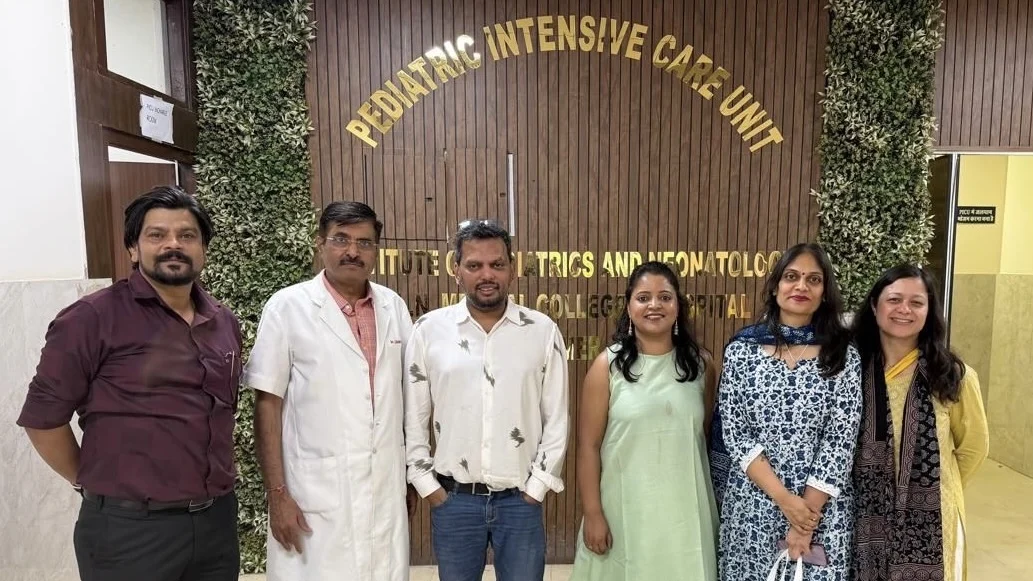
Rucha Patil: A Collaborative Initiative to Transform Rare Blood Disorder Care in Rajasthan
Rucha Patil, Scientist at Department of Haemostasis and Thrombosis, ICMR- National Institute of Immunohaematology, shared on LinkedIn:
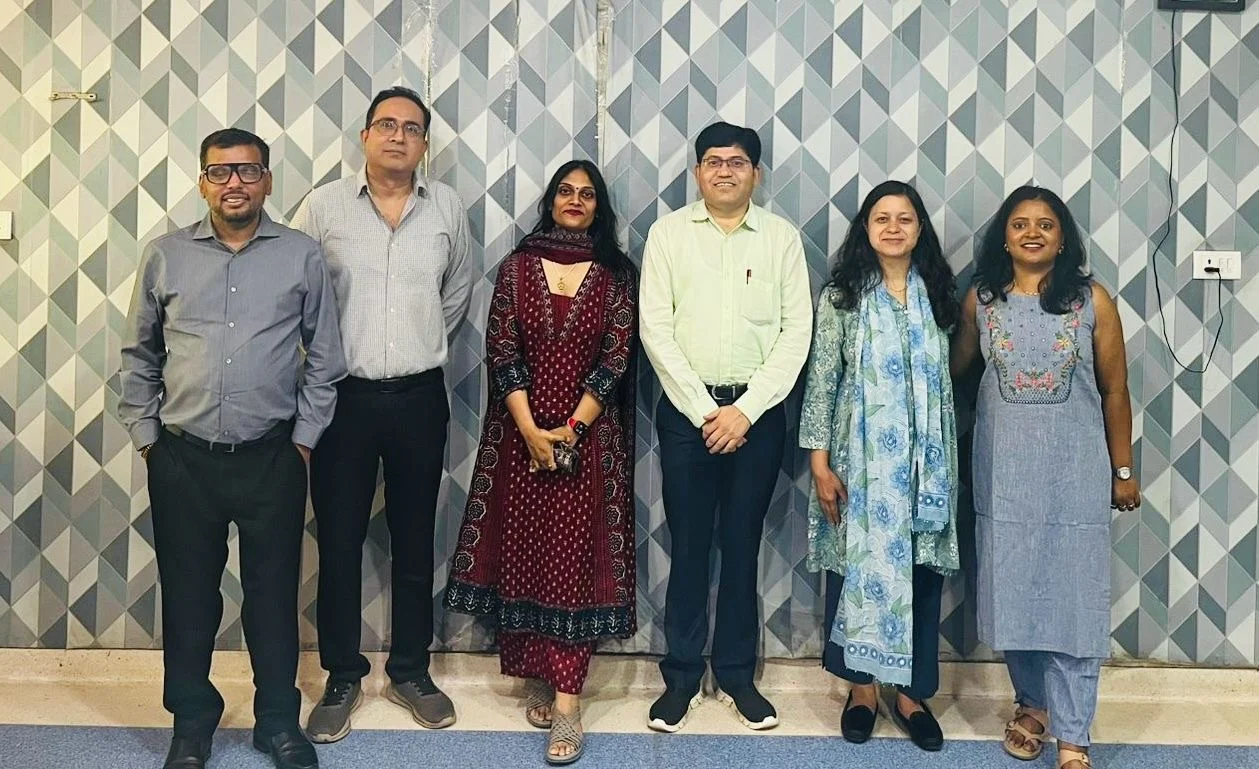
”Extremely fortunate and grateful to be part of this collaborative initiative focused on introducing point-of-care diagnostics for the early diagnosis of Hemophilia and von Willebrand Disease, along with exploring integrated care models for bleeding disorders and hemoglobinopathies.
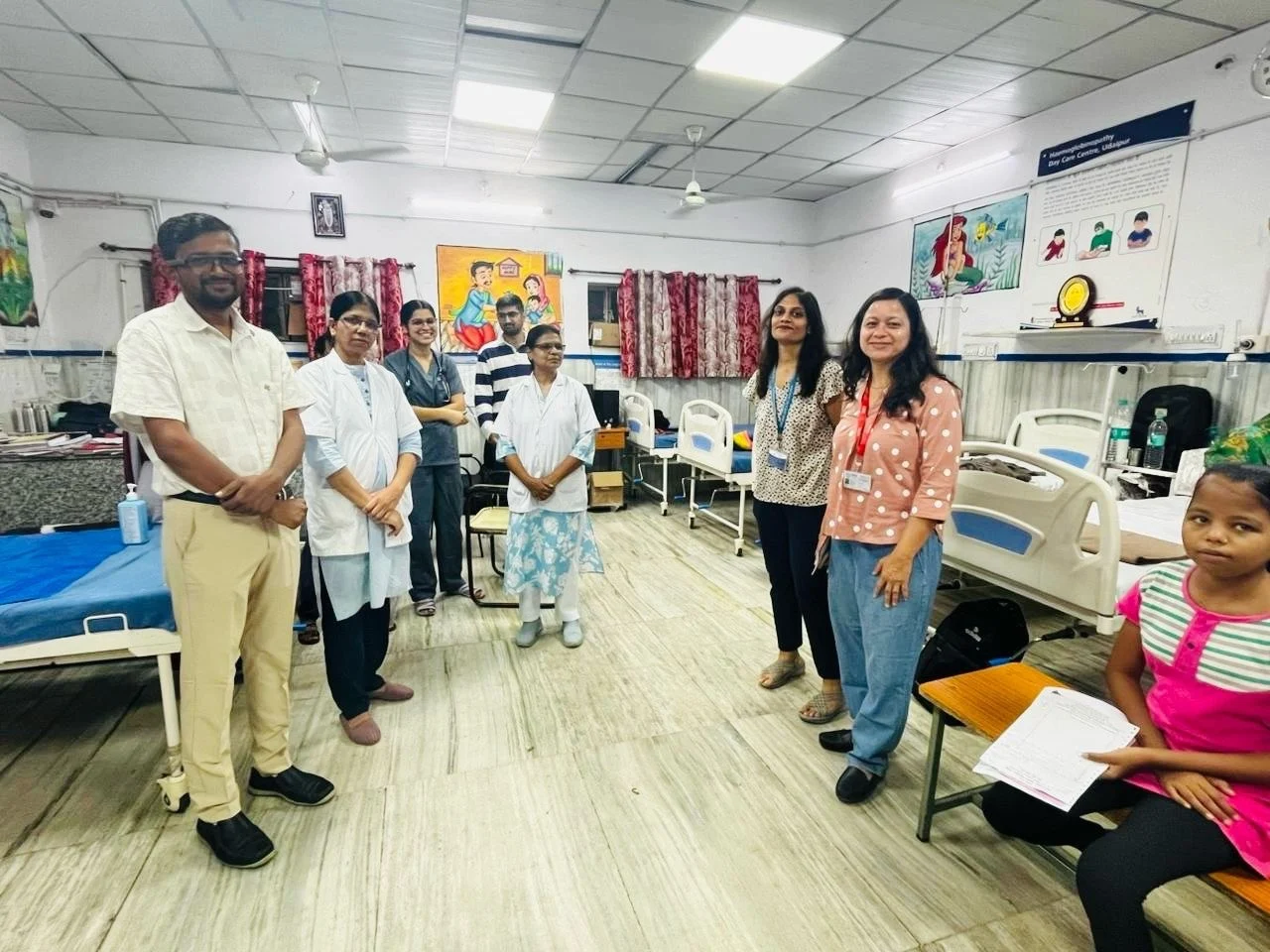
The initial implementation activities (1–5th June 2026) have commenced in Rajasthan, marking an important first step toward strengthening early diagnosis, care pathways, and overall disease management in the region.
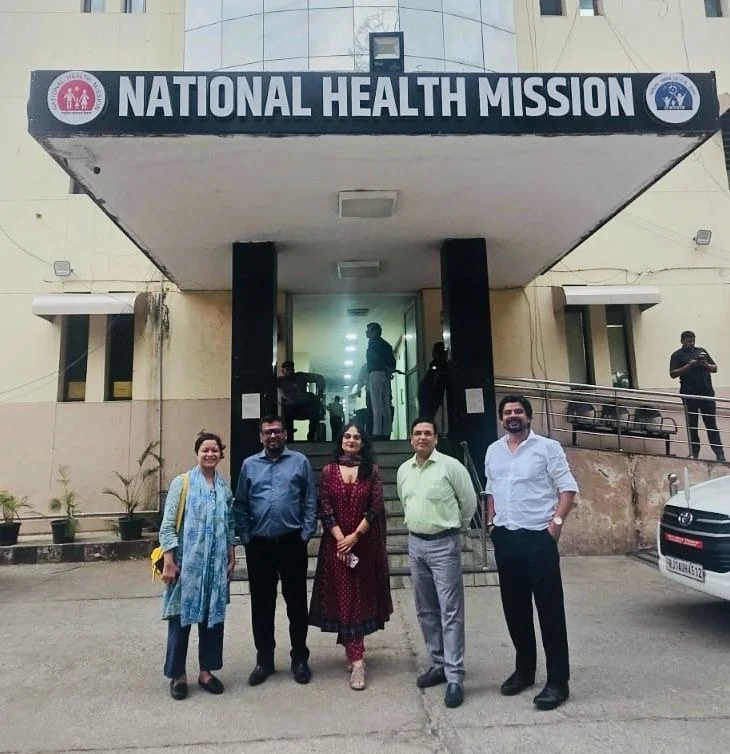
This initiative is supported by the Hemophilia Federation (India) and the Novo Nordisk Haemophilia and Haemoglobinopathies Foundation, along with Indian Council of Medical Research (ICMR) and National Health Mission (NHM) and it was a pleasure to work alongside Shikha Jha, Premroop Alva, Dharam, Babu Lal Jee from these organizations throughout the visit.
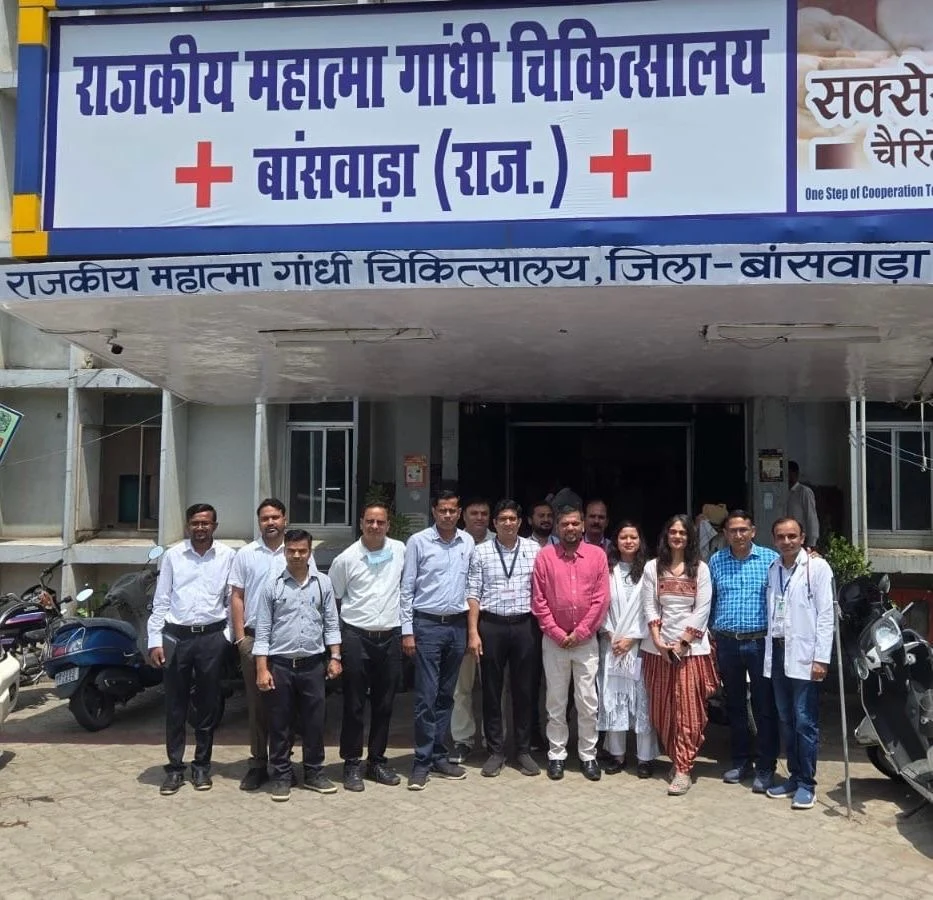
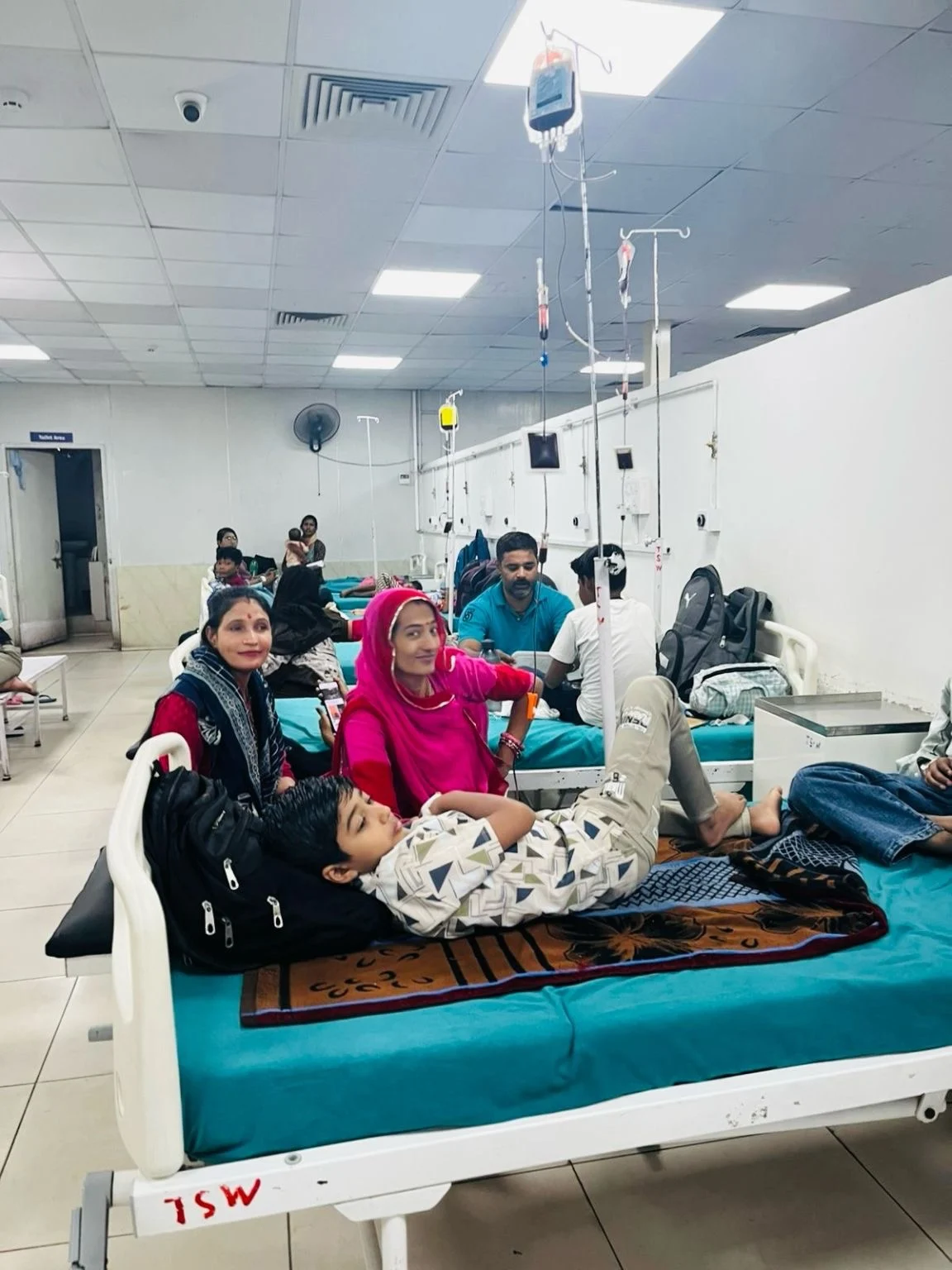
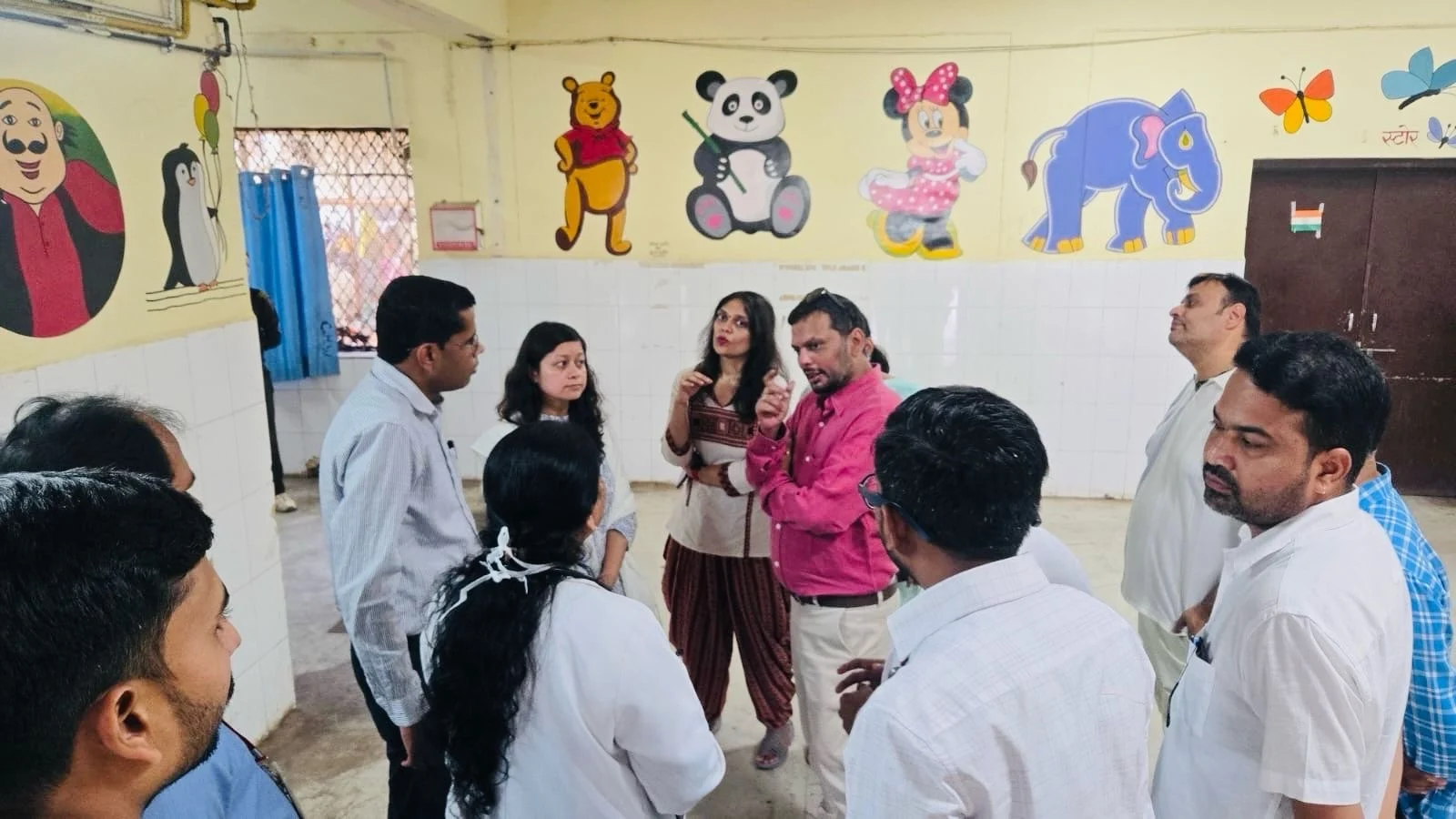
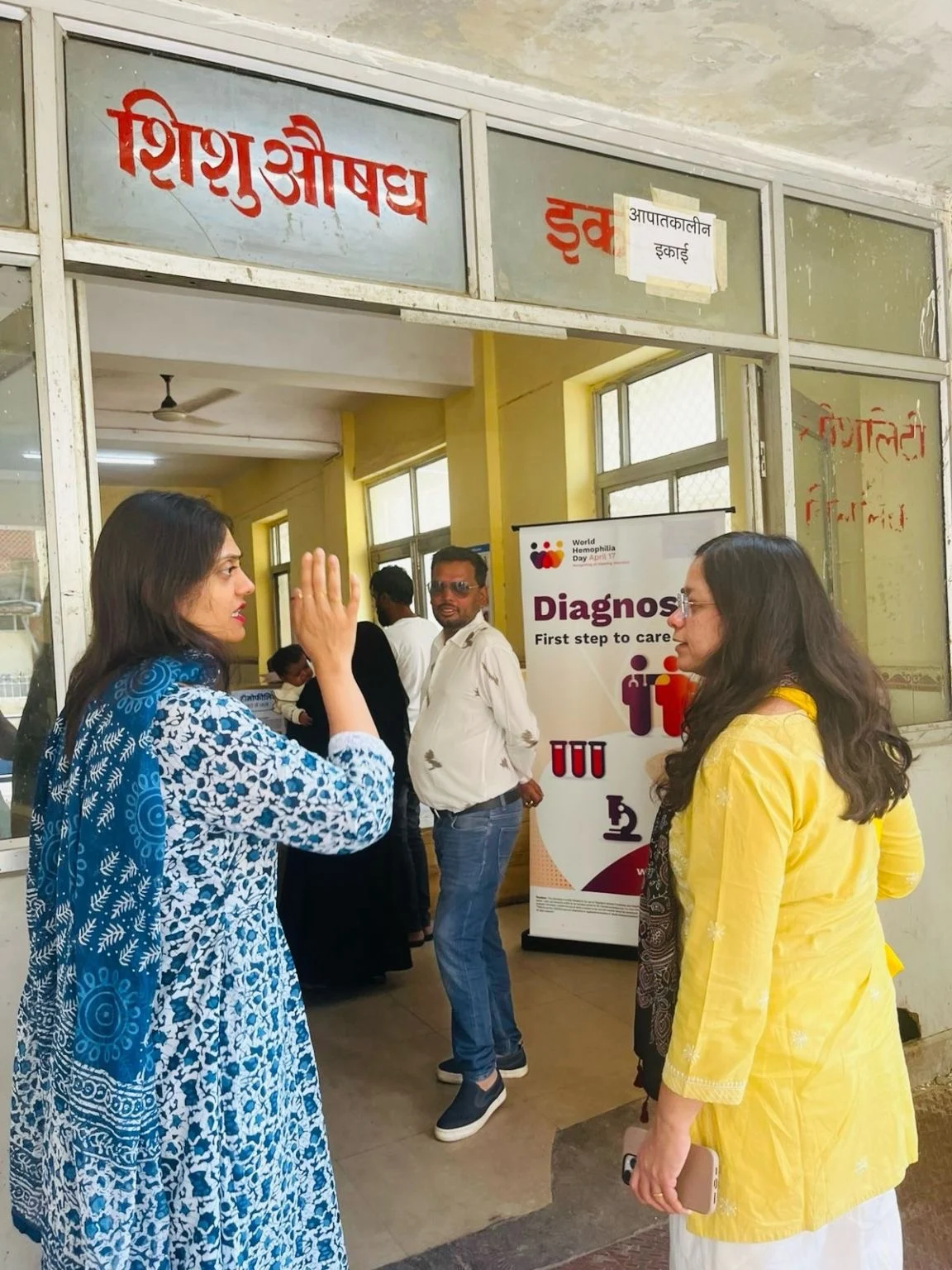
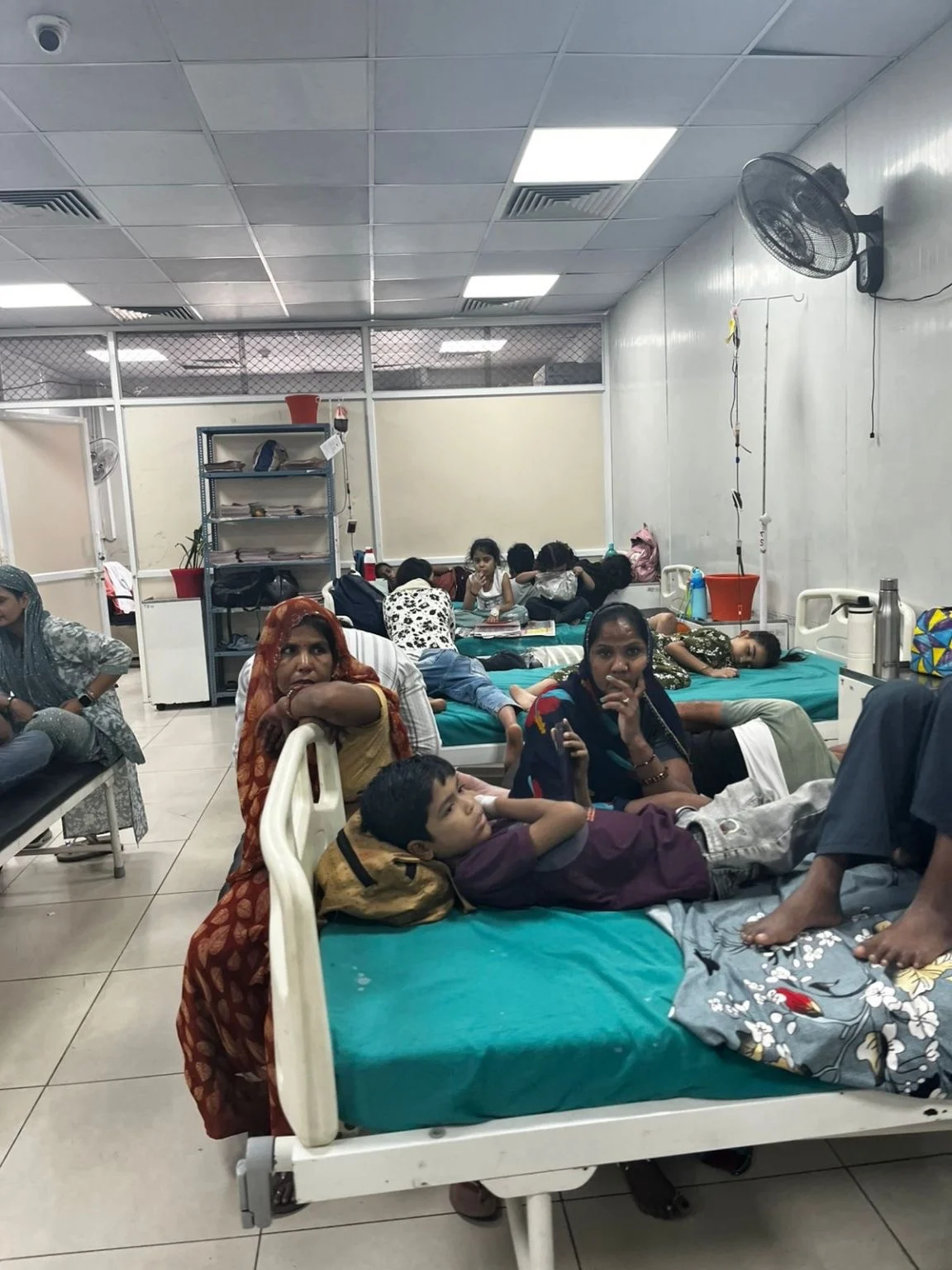
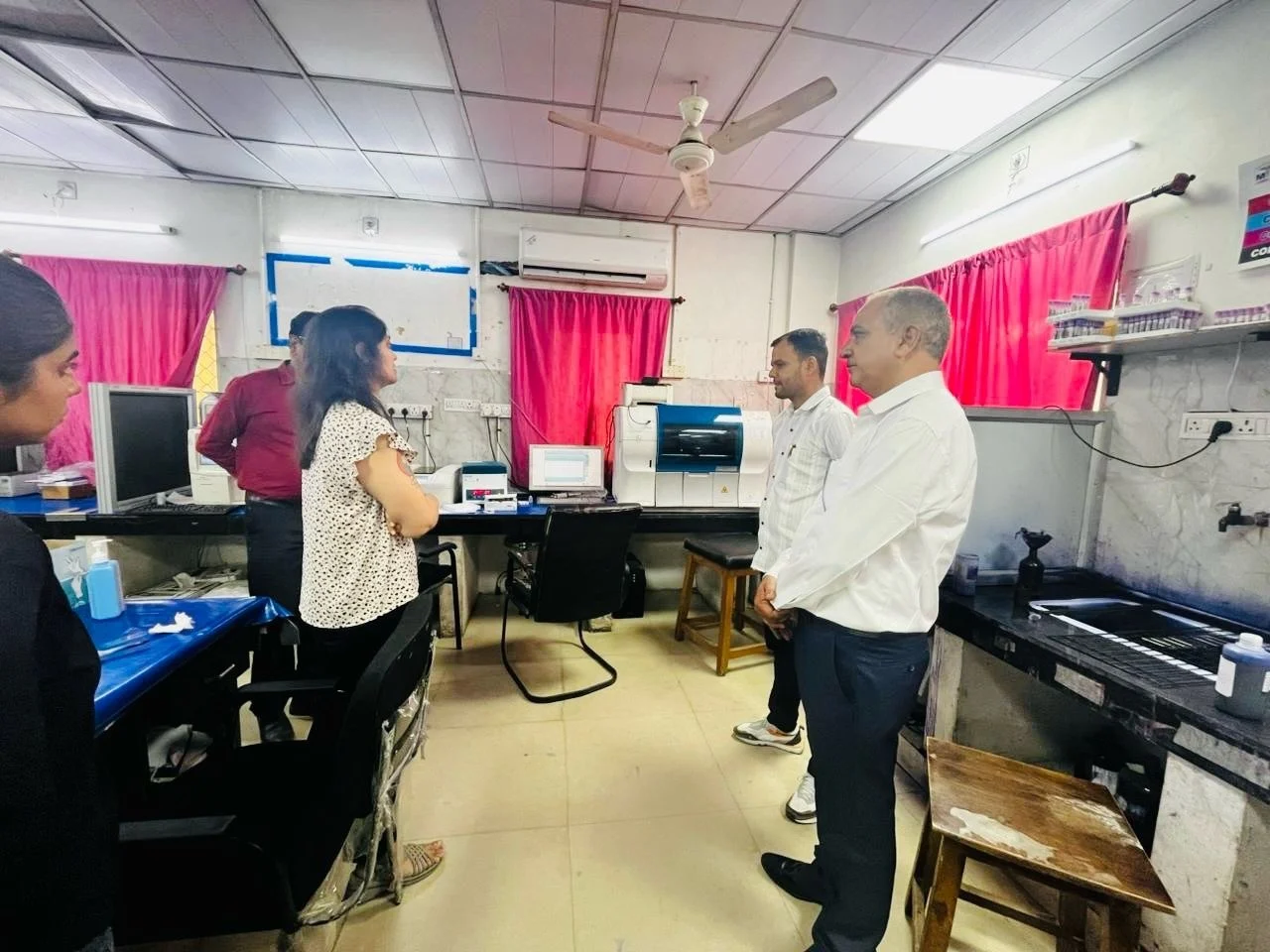
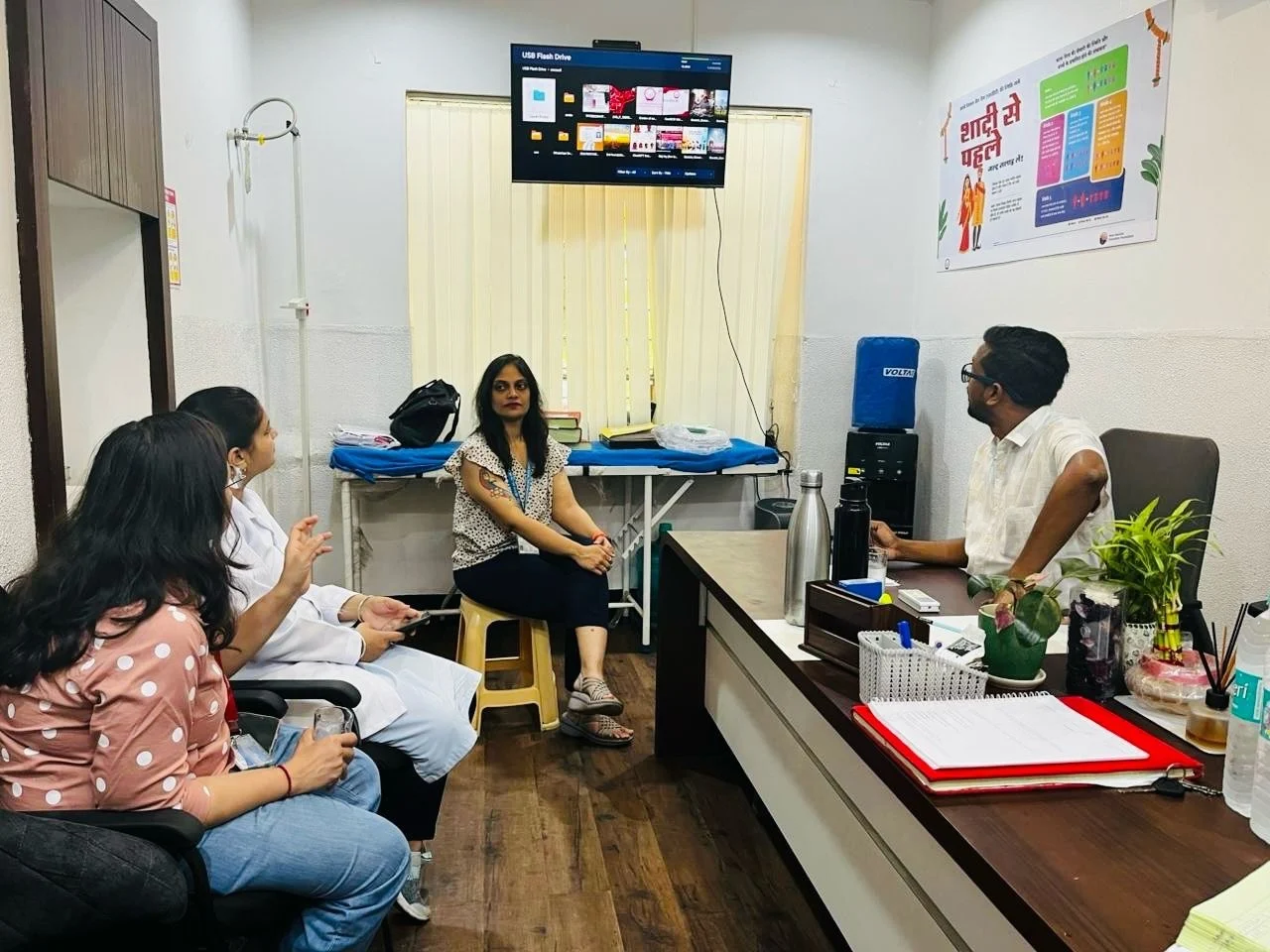
The visit focused on stakeholder engagement, site readiness assessments, and identifying opportunities to strengthen diagnostic and treatment pathways for patients who often experience delays in accessing specialized care.
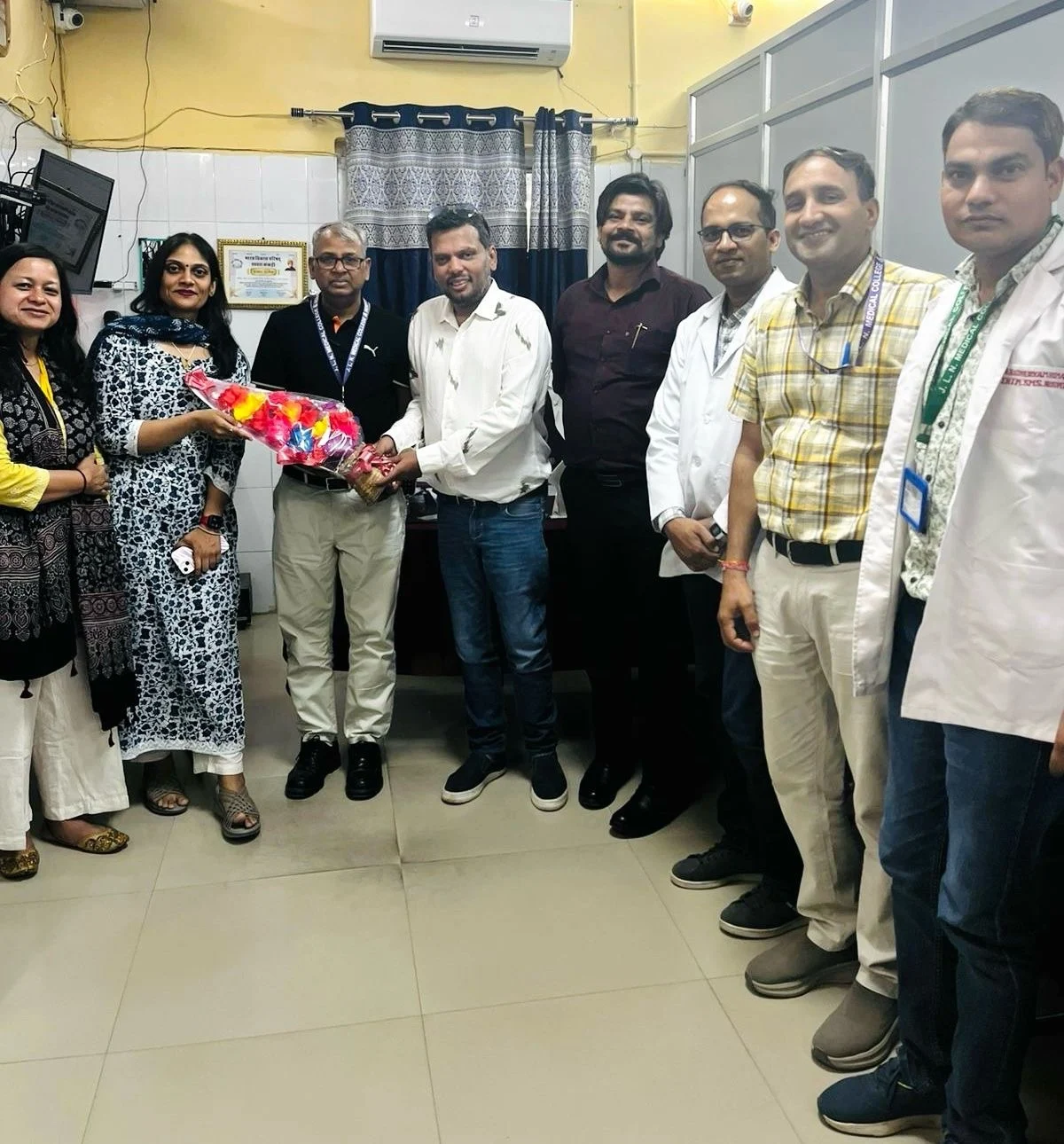
We had the opportunity to engage with clinicians from Hemophilia Treatment Centres (HTCs), medical colleges, and public health systems across the state.
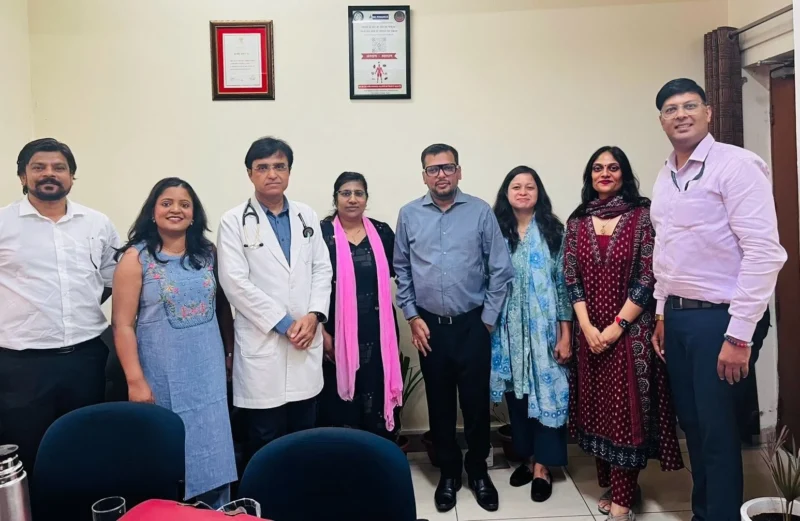
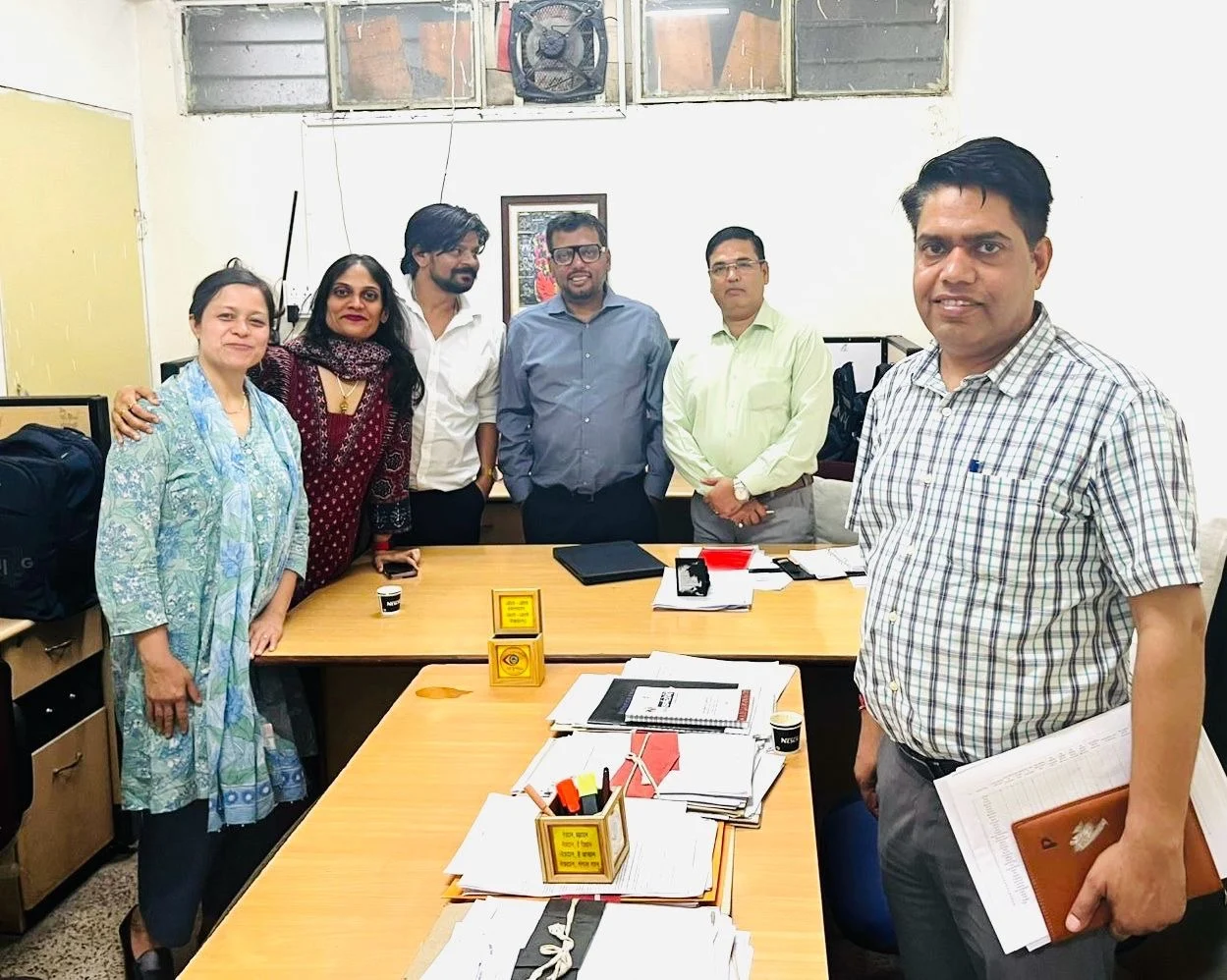
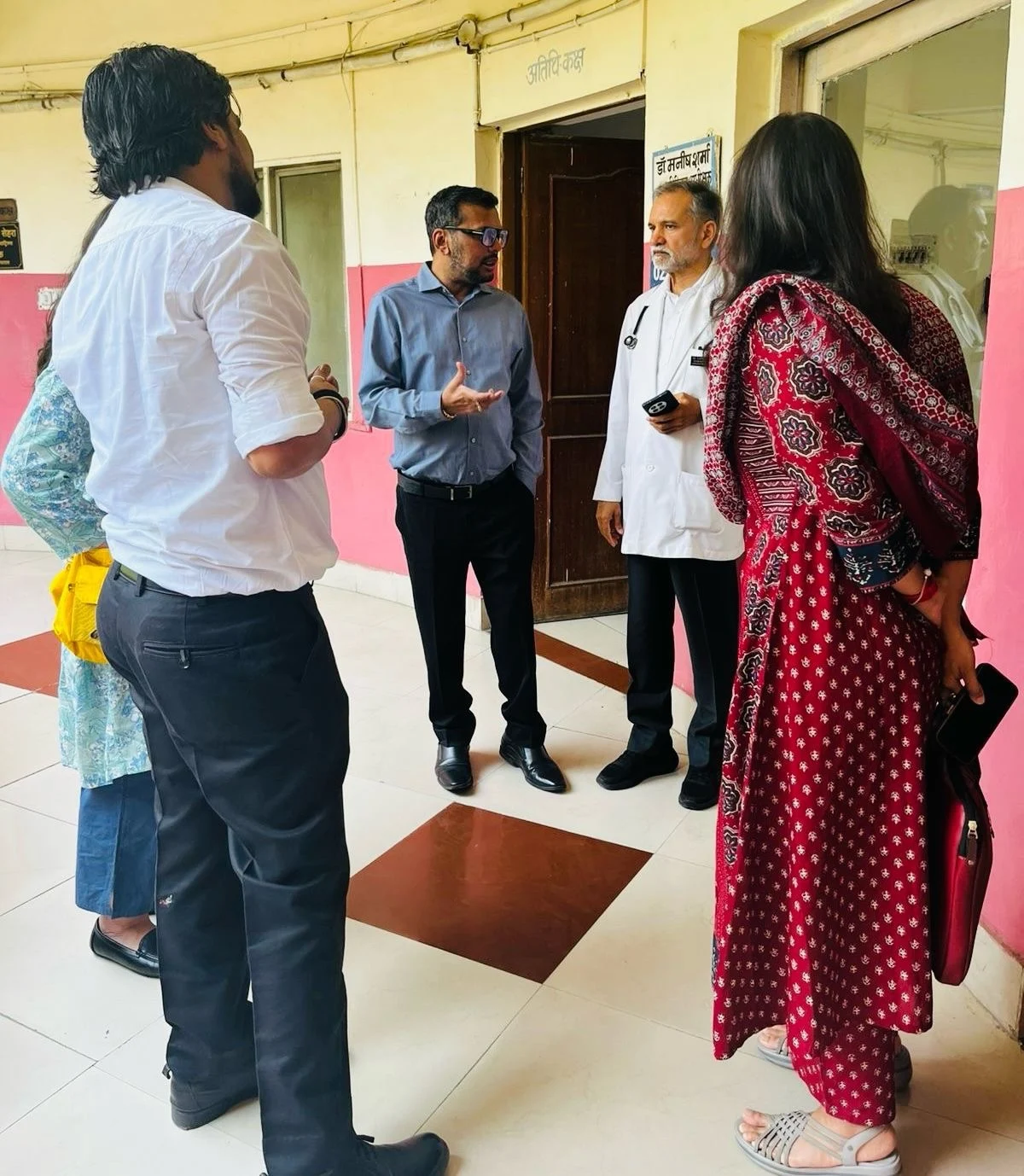
I am deeply grateful for the guidance and support of Dr. Mahaveer Prasad Saini and Dr. Maneesh Kumar, National Health Mission, Rajasthan as well as colleagues from the Directorate of Medical Education Rajasthan.
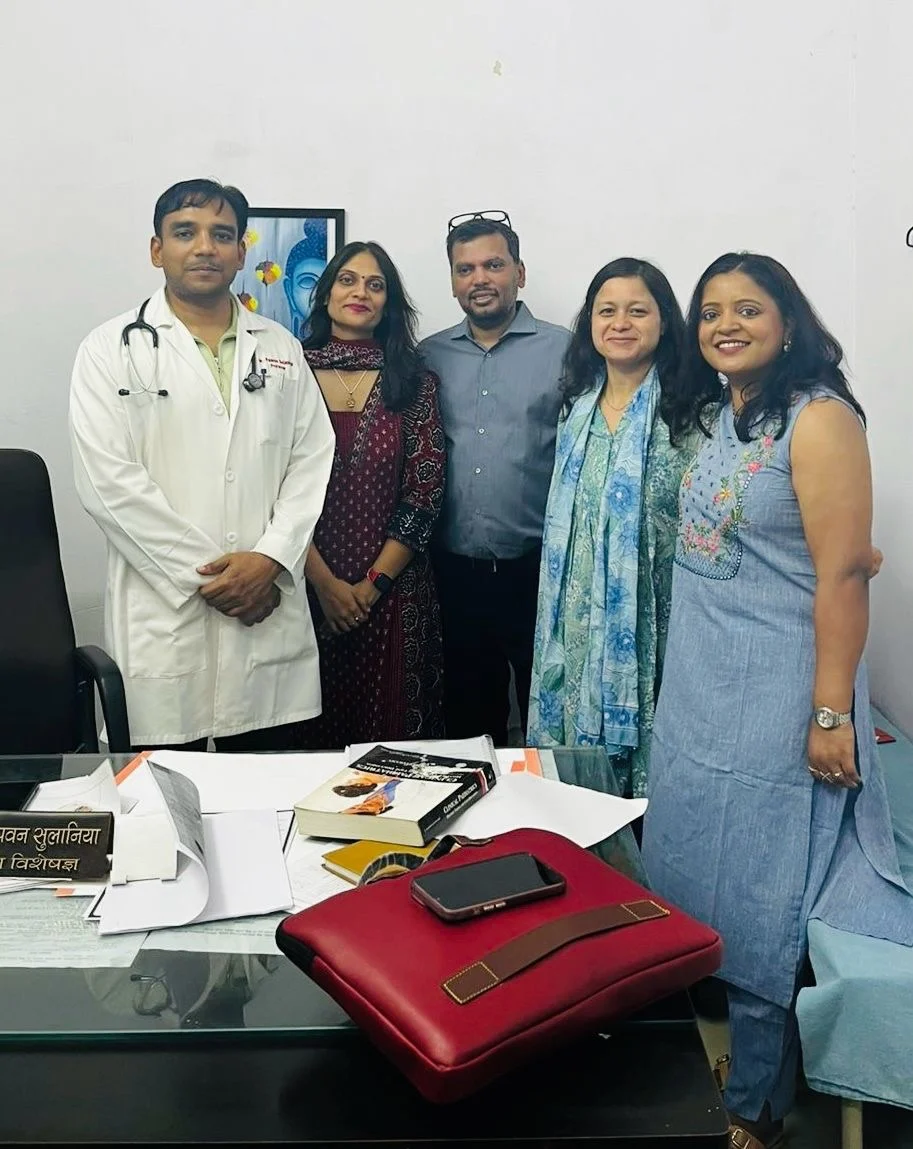
Our visits to SMS Medical College and Hospital provided invaluable insights into best practices in diagnosis and comprehensive patient care through discussions with Dr. Vishnu Sharma, Dr. Kapil Garg, and Dr. Pawan.
Further visits to Jawaharlal Nehru Hospital and Mahatma Gandhi Hospital, with the enthusiastic support of Dr. Lakhan Poswal and Lalit Kishor Pargi, helped us better understand the existing gaps in diagnosis and treatment and identify practical pathways to address them.
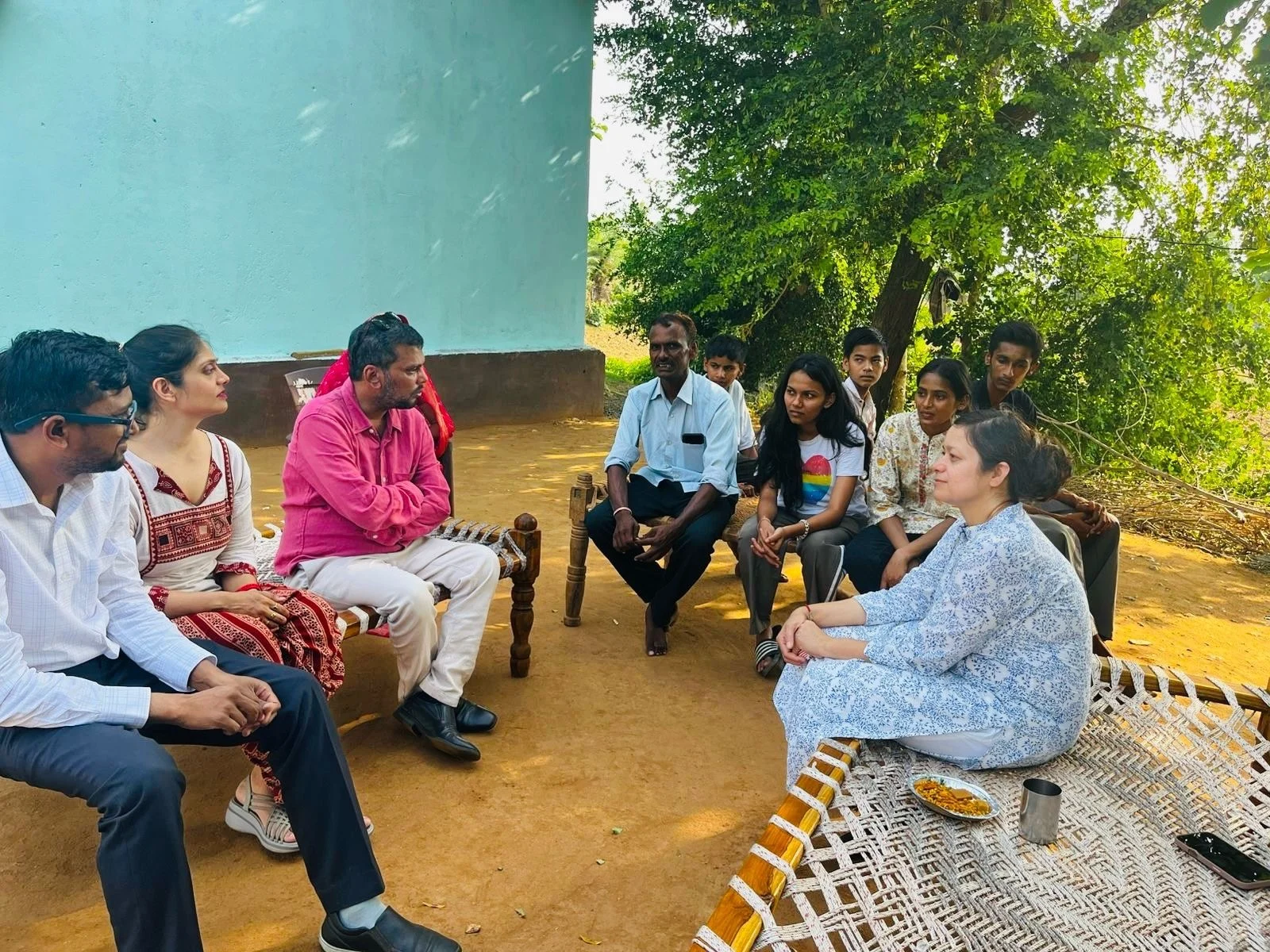
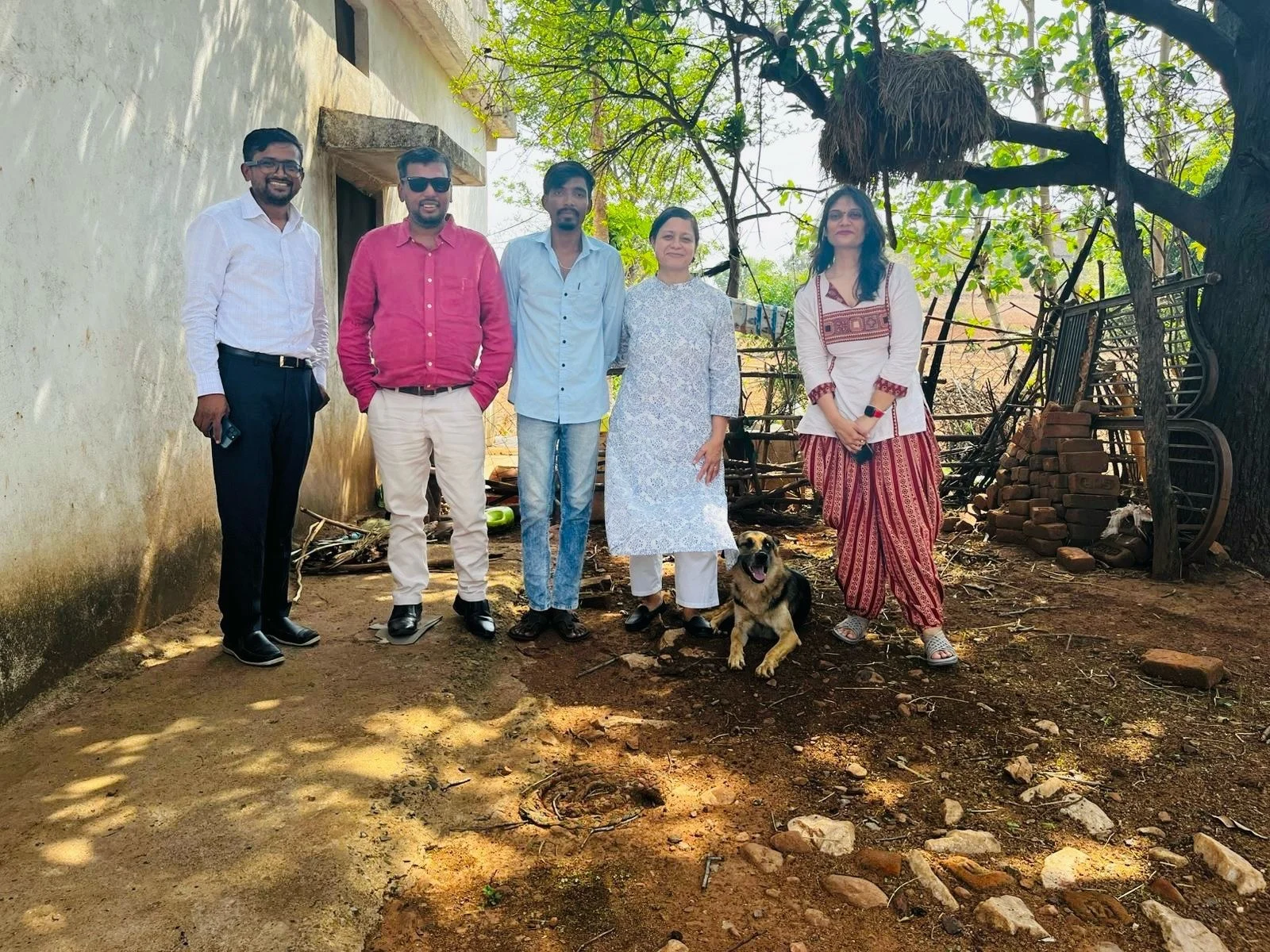
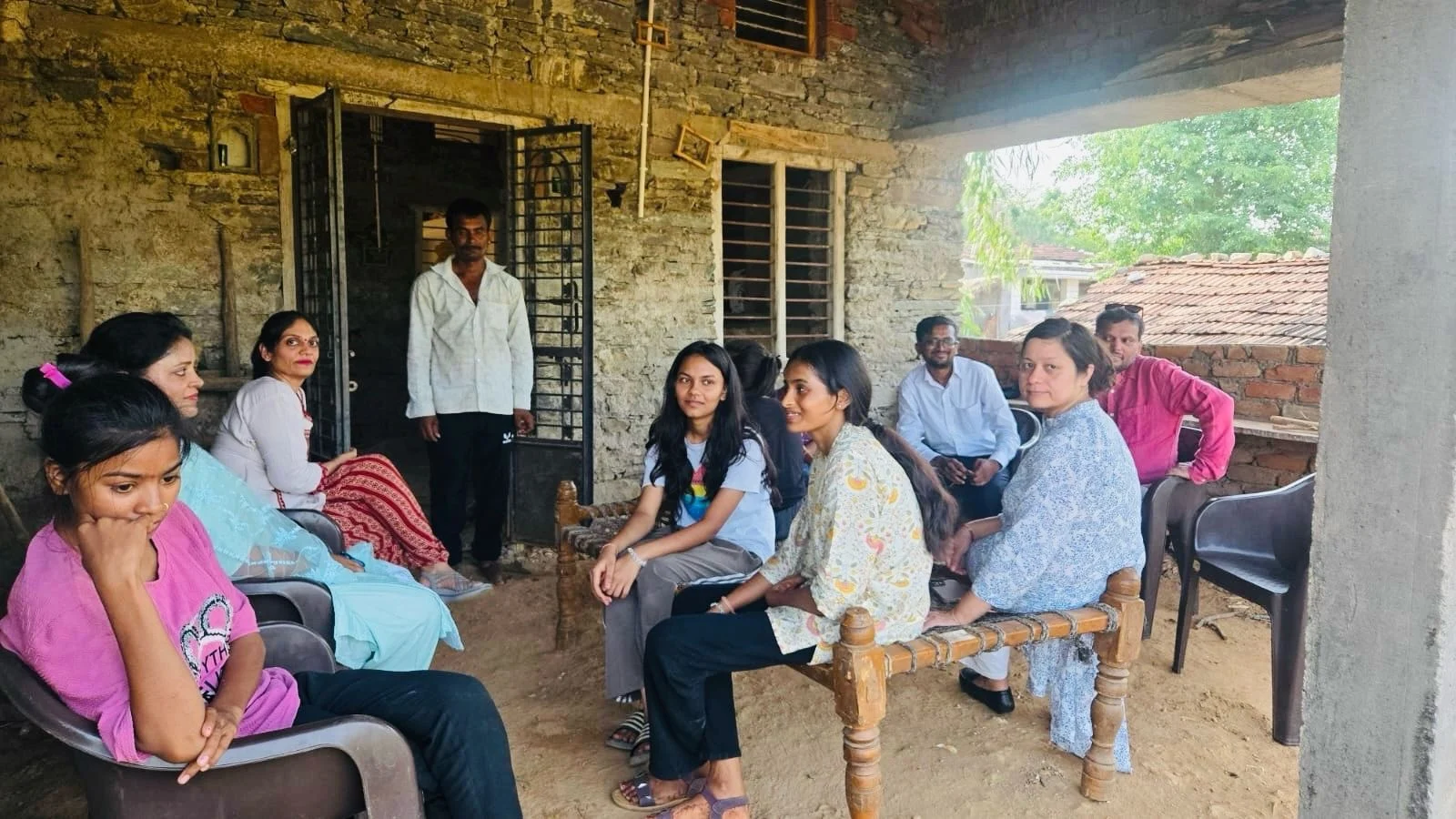
One of the most impactful experiences was visiting patients and families in the tribal region of Banswara.
Despite the challenges in accessing timely and specialized healthcare, their resilience, warmth, and optimism were truly inspiring and served as a powerful reminder of why strengthening healthcare access matters.
Throughout the visit, we assessed locations where point-of-care diagnostics could significantly improve early diagnosis and where integrated centres for bleeding disorders and hemoglobinopathies could be developed.
These findings will help shape the implementation framework and strengthen access to quality care for underserved populations.
This is only the beginning of what we hope will be a transformative collaborative journey.”
Stay updated with Hemostasis Today.
-
Oct 18, 2026, 01:44Marta Velia Antonini: How to Deliver CRRT during ECMO?
-
Oct 18, 2026, 01:19Aamir Saeed: Anticoagulation, Cirrhosis, and Other Risk Factors for Post-ERCP Bleeding
-
Oct 18, 2026, 00:33Elad Asher: Does Opening the Clot Change How a Patient Feels Three Months Later?
-
Oct 18, 2026, 00:22Richa Sharma: Evaluating Heterogeneity in Anticoagulation Treatment Effects in Cryptogenic Stroke
-
Oct 18, 2026, 00:07Irem Karaman Sebin: The Evidence Favoring Warfarin in High-Risk Antiphospholipid Syndrome
-
Oct 18, 2026, 00:07Emma Stevens: Lighting Up Buildings in Red and Blue for World Thrombosis Day
-
Oct 17, 2026, 23:18Maha Othman: Establishing ISTH-BAT Reference Ranges for Children and Adolescents
-
Oct 17, 2026, 17:27John Strouse: Building Standards for Whole-Person Sickle Cell Care Through Collaboration
-
Oct 17, 2026, 17:20Jean-Jacques Kiladjian: Exploring the Future of Polycythemia Vera Treatment at MPN Horizons 2026