

Sally Mandour/LinkedIn
Aug 13, 2026, 08:23
Sally Mandour: The Diagnostic Challenge of Hypocellular Bone Marrow Failure
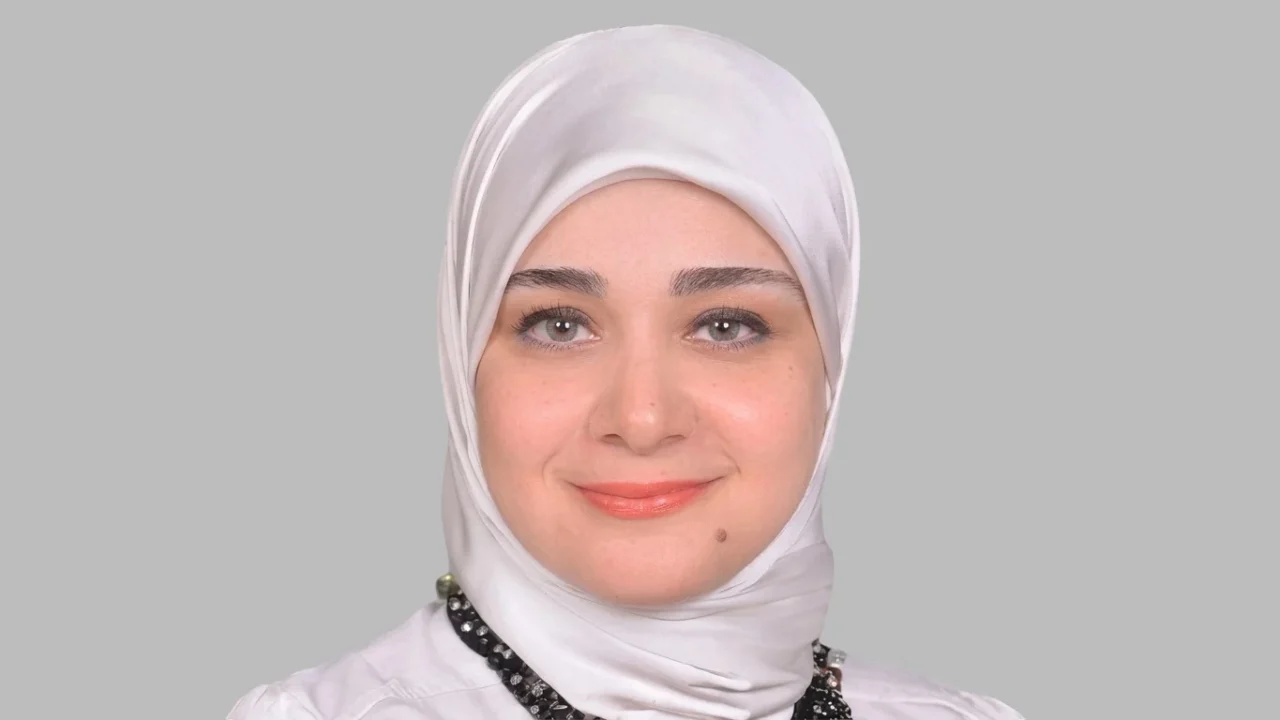
Sally Mandour, Associate Professor, Head of Hematology Unit at Clinical Pathology Department of National Liver Institute, Monofeya University, shared a post on LinkedIn:
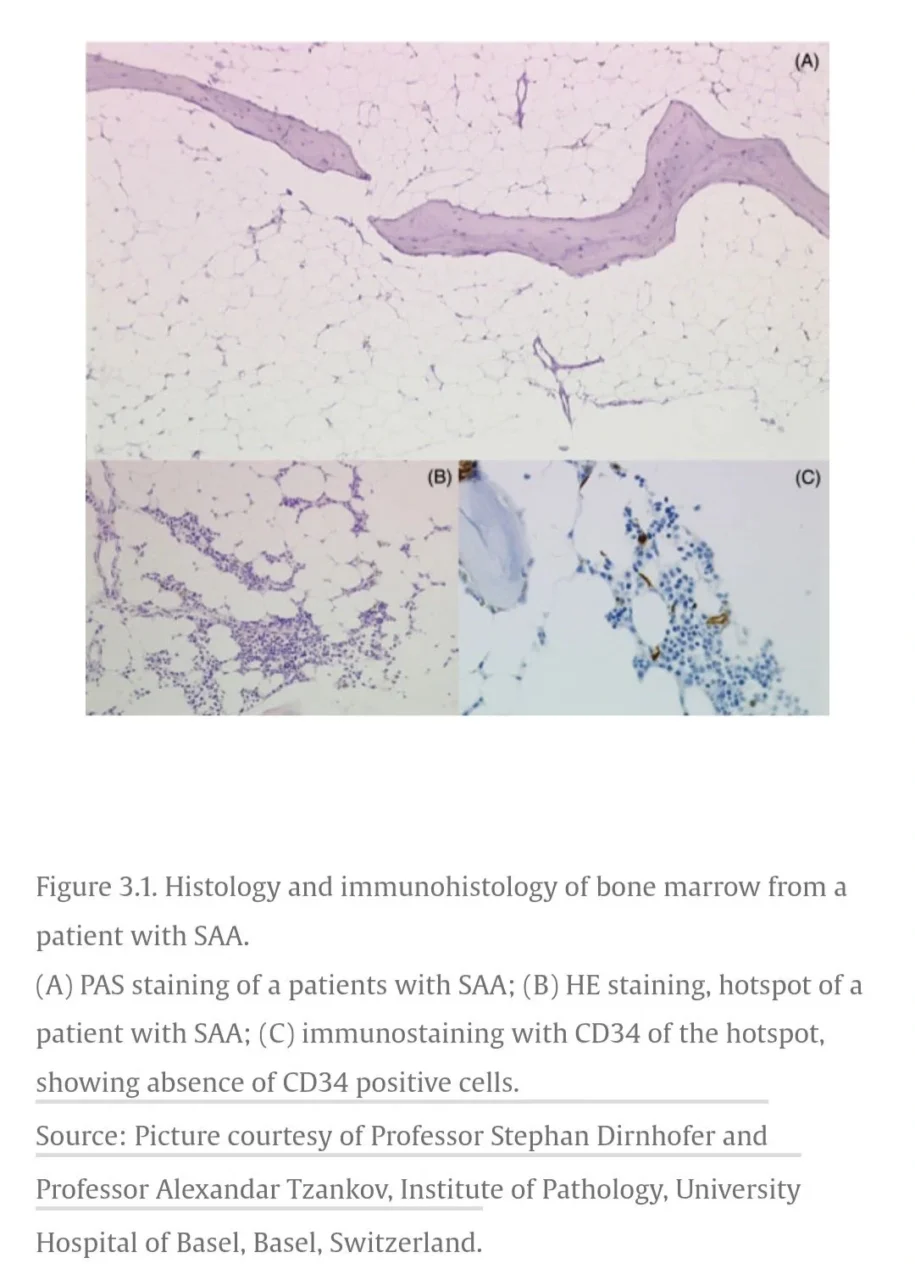
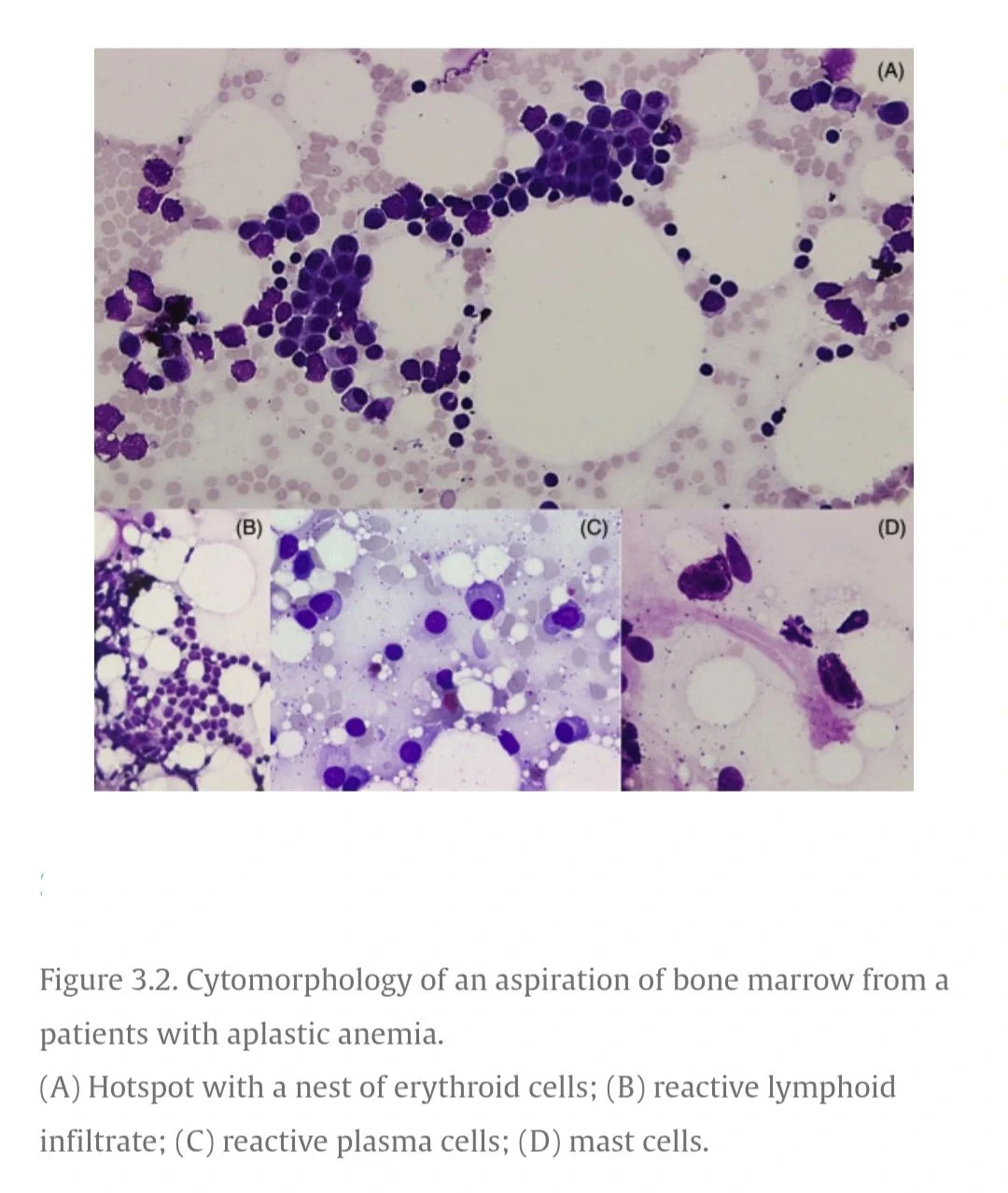
“Aplastic Anaemia is defined by the presence of pancytopenia with an empty bone marrow , by exclusion of marrow aplasia due to direct effect of chemotherapy or radiotherapy or any underlying pathological marrow condition.
Diagnosis difficulty is due to the number of marrow failure syndromes having a similar presentation.
Aplastic Anaemia vs. Hypoplastic MDS: Two Empty Marrows, Two Very Different Diseases
- Both present with pancytopenia and a ’empty,’ fat-replaced marrow.
- Both are driven by an oligoclonal CD8+ T-cell attack on haematopoietic stem cells. On a low-power view.
But one is an autoimmune bone marrow failure state. The other is a clonal neoplasm
5 differentiating tips:
- Dysplasia — subtle dysgranulopoiesis, megakaryocyte atypia, or ring sideroblasts favour MDS-h; a ‘clean’ hypoplastic marrow favours AA.
- Blasts — even a mildly increased blast percentage tips the scale toward MDS-h.
- Cytogenetics — clonal abnormalities (del(5q), del(7q), trisomy 8, del(20q)) support MDS-h; a normal karyotype supports AA (though AA is not always normal either).
- Molecular profile — BCOR/BCORL1 and PIGA mutations are typically ‘benign passengers’ in AA and predict a good response to immunosuppression. TP53, RUNX1, and multi-hit mutations point toward MDS-h/high-risk disease.
- PNH clone — a sizeable PNH clone (flow cytometry: CD55/CD59/FLAER) supports immune-mediated AA rather than MDS-h.”
Stay updated with Hemostasis Today.
-
Sep 27, 2026, 15:49Rana Al-Hrout: Iron Deficency – Is Ferritin 15ng/mL or Less Still the Cutoff?
-
Sep 27, 2026, 15:49Ayushi Sharma: What I Thought Transfusion Medicine Would Be vs What It Actually Is
-
Sep 27, 2026, 15:48William Wallace: How Much Human Research Is Behind the Supplements We Take?
-
Sep 27, 2026, 15:46Franck Perraudin: Lp(a) Lowering Alone May Not Be Enough
-
Sep 27, 2026, 15:41Ahmed Hamandi: Sharing Real-World HSCT Experience at the Iraqi Society of Haematology Conference
-
Sep 27, 2026, 15:39Co-creating Digital Support With Young Stroke Survivors – European Stroke Organisation
-
Sep 27, 2026, 15:39Eleri Schiavone: Celebrating 80 Years of the Welsh Blood Service
-
Sep 27, 2026, 15:38Jessica Garcia: Standing Where VWD Was First Recognized 100 Years Later
-
Sep 27, 2026, 15:37Heghine Khachatryan: A Meaningful Step Forward for Inherited Blood Disorders in Africa