

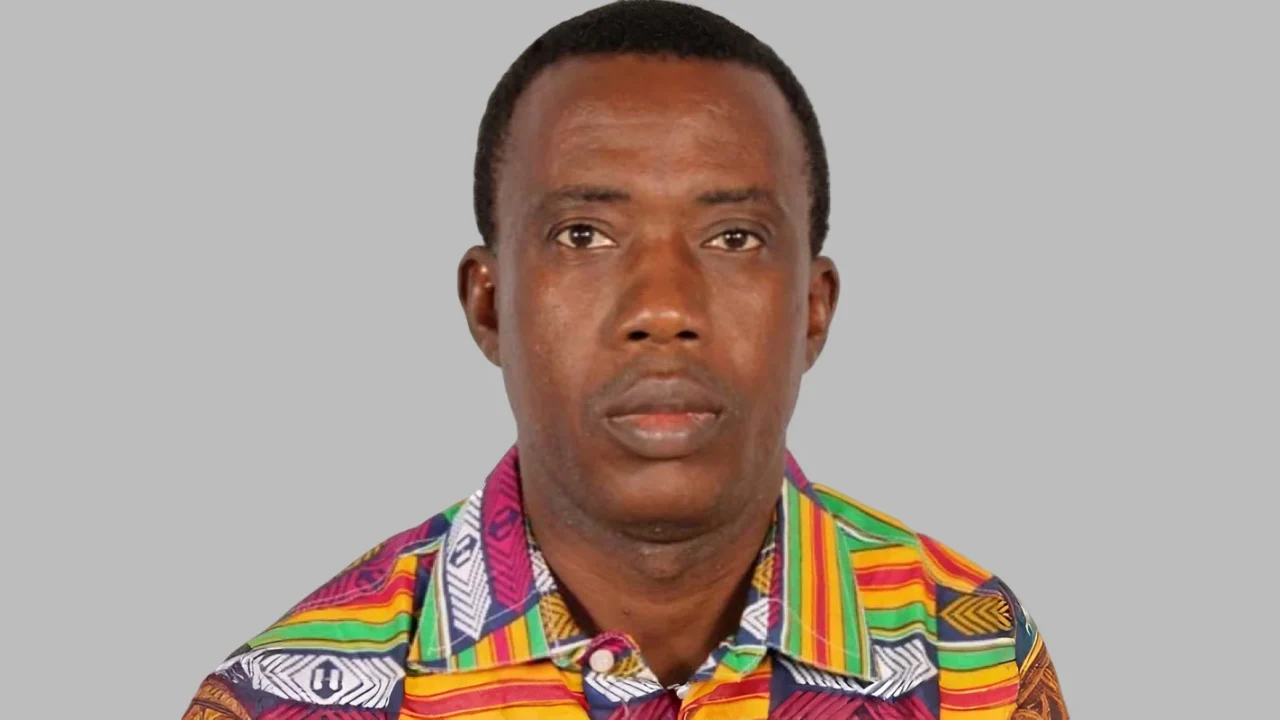
Siaka Ouattara: From 2% to 100% Voluntary Blood Donation in One Year
Siaka Ouattara, Head of Laboratory Monitoring Service of Ministry of Health — Directorate of Medical Biology Laboratories, Burkina Fas, shared a post on LinkedIn:
“From 2% to 100% voluntary blood donation in one year:
a lesson Africa’s transfusion systems cannot ignore
When I took over the Regional Blood Transfusion Center of Fada N’Gourma in eastern Burkina Faso, voluntary blood donation stood at 2%.
In this region, blood donation was not merely a medical issue.
It was a sociocultural one.
For many families, blood symbolized life force, identity, and power.
Donating blood could be perceived as surrendering part of oneself.
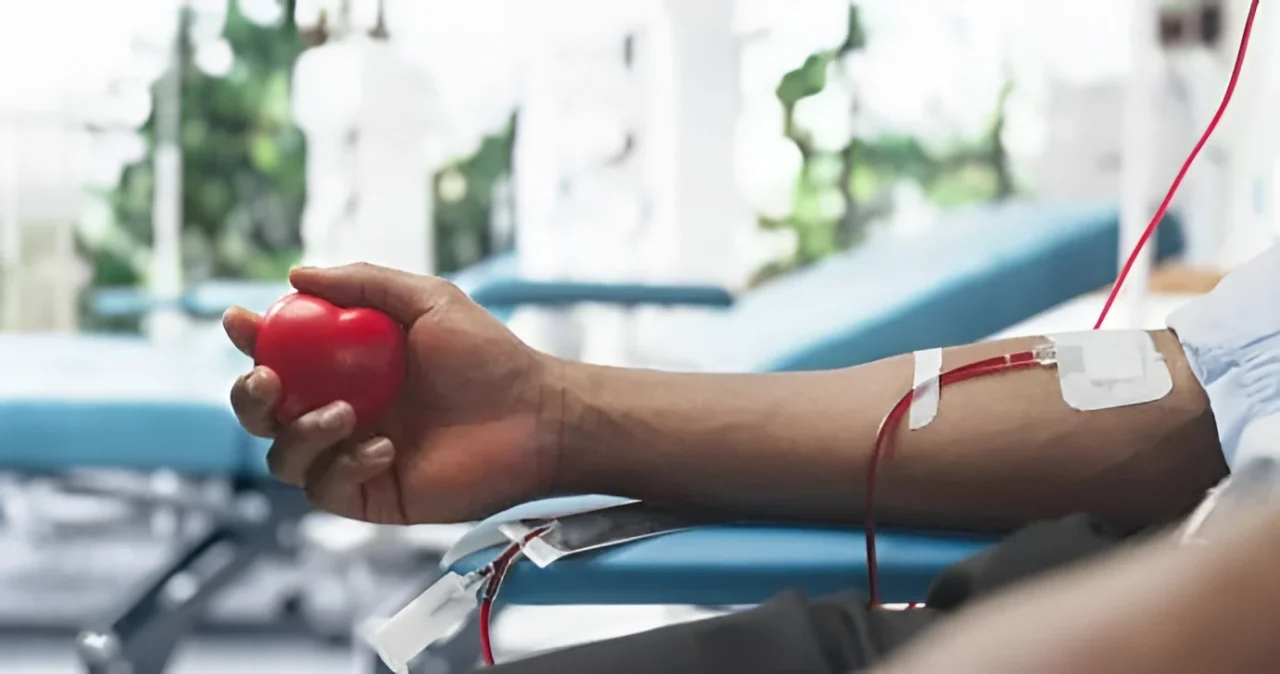
Twelve months later, we reached 100% voluntary blood donation.
Not because we imported a better technical model.
But because we stopped treating blood donation as a purely logistical problem.
This experience taught me a critical lesson that I now share in every global health forum:
In sub-Saharan Africa, chronic blood shortages are not primarily failures of collection capacity.
They are failures of community governance and social legitimacy.
Too many transfusion strategies remain built around imported models:
- urban repeat donors,
- school campaigns,
- centralized mobile collection systems.
These approaches are necessary but structurally insufficient in many African settings.
The real architecture of decision-making in Africa is often community-based:
- traditional chiefs,
- religious leaders,
- frontline primary healthcare workers,
- local social networks.
So we redesigned the strategy accordingly.
We engaged governors, mayors, traditional authorities, imams, priests, and community health supervisors across the district.
Then we decentralized donor mobilization through 57 primary healthcare centers during the high-malaria season — the very period when blood demand peaks and blood availability usually collapses.
Result:
3,327 units collected in one campaign, during the most vulnerable period of the year, in a region previously considered resistant to blood donation.
What we activated was not simply a collection campaign.
We activated a community-based transfusion governance ecosystem.
After more than two decades working across West and Central Africa, I am increasingly convinced of this:
Blood transfusion is a clinical act.
Voluntary blood donor mobilization is a political, sociological, and anthropological act.
African transfusion systems will not become resilient through infrastructure alone.
They will become resilient when national blood policies integrate what I call:
‘Bottom-up transfusion sovereignty’ — the capacity of communities to co-own and sustain local blood availability through socially legitimate leadership structures embedded within national transfusion systems.
I believe this remains one of the most underexplored dimensions of blood safety policy in Africa today.”
Stay updated with Hemosatsis Today.
-
Oct 18, 2026, 17:11Owen McCarty: Understanding Prekallikrein and Its Role in Inflammation and Thrombosis
-
Oct 18, 2026, 17:04Emna Gouider Belhadjali: Don’t Miss GPAS 2026 on Bleeding Disorders
-
Oct 18, 2026, 16:53Mehran Ghasemzadeh: Microparticle-Associated Mitochondrial DNA in Stored Platelet Products
-
Oct 18, 2026, 16:38Edward Lee Carter: A 15-Minute Blood Test for Brain Hemorrhage?
-
Oct 18, 2026, 16:29Patrick Taylor: Oral vs Transdermal Estrogen and Cardiovascular Risk in Menopausal Women
-
Oct 18, 2026, 16:19Artangela Henry: A Meaningful Week at the SCDAA National Convention
-
Oct 18, 2026, 16:04Emília Araújo։ New Insights Into the Genetics of Hemophilia B Leyden
-
Oct 18, 2026, 15:43André Marcel Harris: Award-Winning Research on Texas Sickle Cell Data Collection
-
Oct 18, 2026, 15:21Eleonora Gambineri: First Results of the IEI-Haem Consortium at ESID 2026