

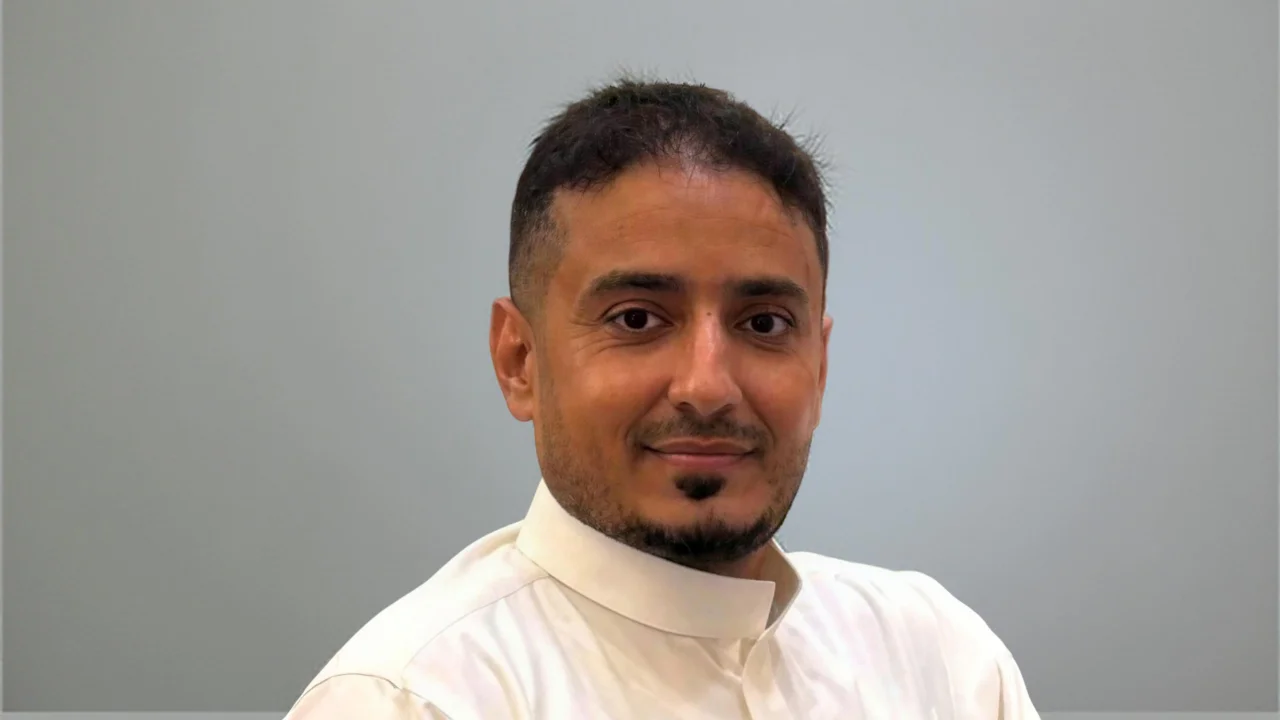
Tareq Abadl: CSF Culture – Understanding Cerebrospinal Fluid Testing
Tareq Abadl, Medical Lab Specialist, shared a post on LinkedIn:
“The story is about the fluid that protects the brain and spinal cord:
CSF
When a patient is admitted to the hospital with a severe headache, high fever, stiff neck, or seizures… the doctor suspects meningitis.
And that’s where the journey begins with a lumbar puncture…
A fine needle withdraws a drop of the clear fluid surrounding the nervous system.
This tiny drop is sent to the lab… and that’s where the story begins:
Direct microscopic examination:
- The first step is to place a drop of CSF on a glass slide.
We perform a Gram stain and examine it under the microscope.
If we find Gram-positive bacteria like Streptococcus pneumoniae (appearing as round, purple cells in pairs), or Gram-negative bacteria like Neisseria meningitidis (appearing as red cells in pairs), then the enemy is right in front of us.
We also look at the number and type of cells:
- The presence of many neutrophils means a severe bacterial infection.
- The presence of lymphocytes indicates a viral or fungal infection.
- The presence of yeast cells, such as Cryptococcus neoformans, can be confirmed using India ink staining.
Culture:
Place the liquid on special plates such as chocolate agar and blood agar.
Incubate for 24–48 hours.
Colonies that exhibit a distinctive appearance and odor:
Neisseria meningitidis:
- Transparent, gray colonies.
Streptococcus pneumoniae: Shiny colonies with an alpha-lysis zone.
Cryptococcus:
- White, creamy colonies.
Confirmatory Tests:
Latex agglutination:
- Rapidly detects antigens in CSF. PCR:
- The most accurate method for identifying the type of microbe.
Biochemical tests:
- Such as the oxidase test for Gram-negative bacteria.
This isn’t just about analysis…it’s a journey to find the real enemy attacking the nervous system.
Message: Direct microscopic examination with CSF culture are the first line of defense in saving a patient’s life from fatal meningitis.”

Other posts featuring Tareq Abadl on Hemostasis Today.
-
Nov 8, 2026, 19:31Anna Kajaste-Rudnitski: Presenting AAV-Induced p53 Signalling in Human CNS Cells at ESGCT 26
-
Nov 8, 2026, 19:29David McIntosh: Cybersecurity Matters, but Blood Availability Remains the Bigger Challenge
-
Nov 8, 2026, 19:26Wenxue Ma: An Integrative Framework for Macrophage-Mediated Therapeutic Resistance in Cancer
-
Nov 8, 2026, 19:25Yildiz Yigit: Presenting a Polycythemia Vera Case at the MPN Subcommittee Session
-
Nov 8, 2026, 18:56Denis Oduor: Strengthening the Regulation and Delivery of Blood Transfusion and Transplantation Services
-
Nov 8, 2026, 18:28Raghavendra Rao: A Narrative Review on Chronic Venous Disease during Pregnancy
-
Nov 8, 2026, 17:57Dhiren Patel: PLD1-Derived Phospholipids Regulate NAD Kinase and ROS Production in Neutrophils
-
Nov 8, 2026, 17:48Andra T.: What Causes Antiphospholipid Syndrome? – Four Steps, not One Cause
-
Nov 8, 2026, 17:38Nasrin Samadi: Can a Normal Clotting Test Be Misleading?