


Zain Khalpey: How a Sudden Blockage Causes Myocardial Infarction
Zain Khalpey, Adjunct Assistant Professor of Surgery at Columbia University Irving Medical Center, shared a post on LinkedIn:
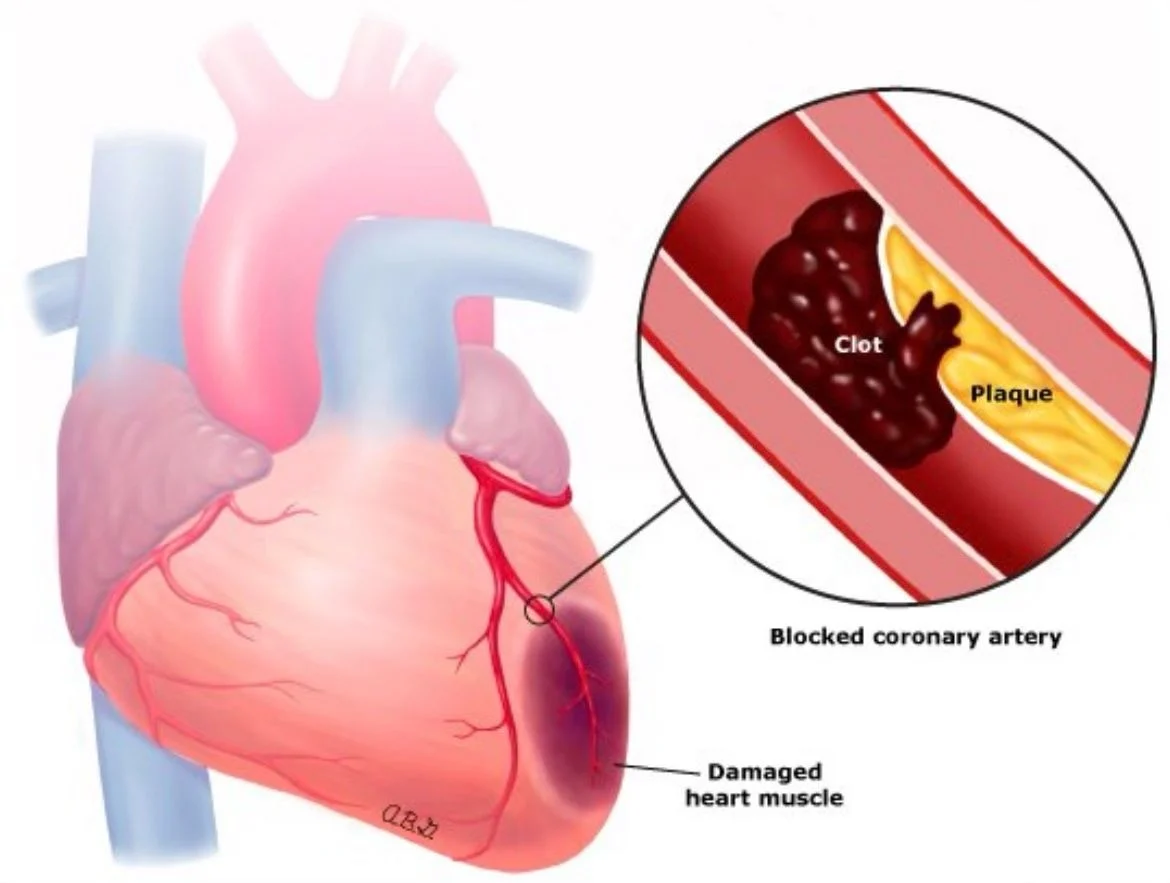
“A myocardial infarction can begin when an atherosclerotic plaque ruptures or erodes, triggering formation of a blood clot within a coronary artery.
As blood flow becomes severely reduced or completely obstructed, the myocardium supplied by that artery becomes ischemic.
If circulation is not restored quickly enough, irreversible myocardial injury can follow.
The extent of injury depends on the location of the obstruction, the amount of myocardium at risk, and the duration of ischemia.
This is why early recognition and rapid reperfusion remain central to the treatment of acute myocardial infarction.”
More posts featuring Zain Khalpey on Hemostasis Today.
-
Sep 23, 2026, 12:16Apurva Popat: When Heparin Triggers Thrombosis
-
Sep 23, 2026, 12:14Zahra Ghasemi: The Power of Voluntary Blood Donation
-
Sep 23, 2026, 12:04Leo Nicolai: Activated Platelets Get Trapped in the Spleen During Thrombosis
-
Sep 23, 2026, 12:01Francisco Chacón-Lozsán: Rethinking PE Risk in 2026
-
Sep 23, 2026, 11:58Ifeanyichukwu Ifechidere: Factor V Leiden Requires Context Beyond the Genetic Result
-
Sep 23, 2026, 11:35Martina Wolff: How Platelet Membrane Protrusions Shape Hemostasis and Thrombosis
-
Sep 23, 2026, 11:28Alejandro González Veliz: Ultrashort DAPT After PCI May Reduce Bleeding Without Increasing Overall Ischemic Events
-
Sep 23, 2026, 11:17High DOAC Adherence After Stroke – International Journal of Stroke
-
Sep 23, 2026, 11:08John Cush: Do JAK Inhibitors Increase VTE Risk After Joint Replacement?