

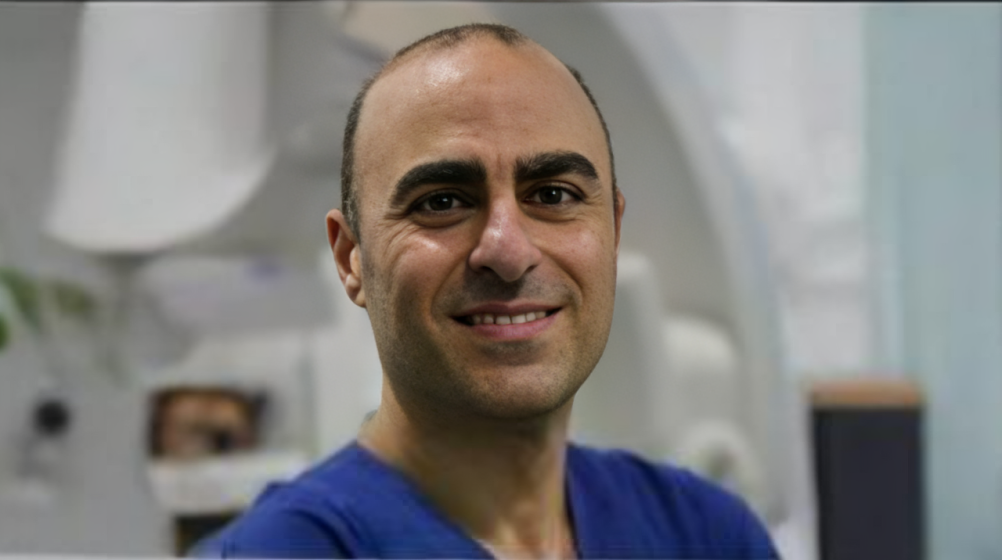
George Touma: Sirolimus DCBs Will Eventually Replace Paclitaxel
George Touma, Interventional Cardiologist at St George Private Cardiology, posted on LinkedIn:
”Sirolimus-Coated Balloons (SCB)
Drug-coated balloons (DCBs) deliver antiproliferative therapy during angioplasty—reducing restenosis—without leaving a permanent stent behind. Historically, paclitaxel was used due to its high lipophilicity, but it carries a narrow therapeutic window and embolisation raises safety concerns.
Late aneurysm formation with paclitaxel is a concern in two situations:
- In the Subintimal space
- High-dose applications (e.g., overlapping balloons for de novo disease)
In the periphery especially below-the-knee, many still have safety concerns with paclitaxel.
Why Sirolimus?
- Sirolimus is a cytostatic ‘-limus’ drug that inhibits smooth muscle proliferation via mTOR with a wider safety margin than paclitaxel.
- The challenge: its lower lipophilicity requires new delivery technologies for reliable drug transfer/uptake. This drove the development of modern sirolimus DCBs: SELUTION SLR, MagicTouch, and SeQuent SCB.
Technological Differences
- SELUTION SLR: micro-reservoirs for slow, sustained sirolimus release.
- MagicTouch: nanoparticle + phospholipid carrier for rapid transfer
- SeQuent SCB: crystalline sirolimus coatin
Clinical Evidence
- SELUTION SLR (Cordis)
- First-in-human (56 pts) + registry (204 pts): high procedural success, low TLR
- SELUTION DeNovo (2025, >3,300 pts): DCB-first strategy → TVF 5.3% vs 4.4% with DES
- MagicTouch SCB (Concept Medical)
- TRANSFORM-I (121 pts, small vessels): non-inferiority vs PCB not met, but very low LLL
- EASTBOURNE (>2,000 lesions): low TLR and MACE across de novo lesions and ISR
- TRANSFORM-II RCT (1,832 pts, completed 2025): MagicTouch vs EES — results pending
- SeQuent SCB (B. Braun)
- RCT (70 pts, de novo): non-inferior LLL vs paclitaxel DCB at 6 months
- Multicentre retrospective (771 pts, 2016–2023): Follow-up 640 days: TLR 5.6%, TVR 5.8%, Cardiac death 1.3%, TV-MI 2.6%, MACE 8%, Bailout stenting ~9%, no acute vessel closures
- Meta-analysis (1,861 pts) treated with SCB
- No significant difference in TLF
- LLL and diameter stenosis similar
- MLD slightly favours paclitaxel DCB
- > 12 month data limited
Key Takeaways
Sirolimus-DCBs now supported by RCTs + growing real-world data
- SELUTION SLR leads with the strongest coronary and peripheral evidence
- MagicTouch— TRANSFORM-II will define its place
- SeQuent SCB a reliable option for ISR and selected de novo disease. More randomised data needed.
Looking Ahead — My Opinion Only!
- Sirolimus DCBs will eventually replace paclitaxel for de novo coronary and peripheral disease.
- The penalty? Maybe an extra procedure in some — but a better long-term safety profile.
- For in-stent restenosis, paclitaxel remains the mainstay for now.
- Higher sirolimus doses may be needed for ISR & small vessels in future devices.
- Remember — there is no class effect with DCBs. Each new technology must prove itself.
Cordis and B. Braun Group – when will Australia get these balloons?”
Stay updated with Hemostasis Today.
-
Oct 16, 2026, 17:50Elad Asher։ STORM-PE Shows Functional Benefits of Thrombectomy
-
Oct 16, 2026, 17:32Shruthi Narayan: STORM-PE and STRIKE-PE Studies Advance Understanding of Recovery After Pulmonary Embolism
-
Oct 16, 2026, 17:22Wolfgang Miesbach։ What a Near-Perfect FISH Score Fails to See
-
Oct 16, 2026, 17:06Troels Wienecke: Connecting Myeloproliferative Disease and Ischemic Stroke
-
Oct 16, 2026, 17:03Only 5 Days Left to Submit Your Research for EAHAD 2027
-
Oct 16, 2026, 16:48Abdul Rahman: Reticulocyte Count and Bone Marrow Activity
-
Oct 16, 2026, 16:44DOAC Adherence in Stroke Patients With Atrial Fibrillation – International Journal of Stroke
-
Oct 16, 2026, 16:22Shannon Farmer: Driving Patient Blood Management Forward in Australia and New Zealand
-
Oct 16, 2026, 16:01Obi Light Ogbonnia: The Greatest Reward Is Changing Lives, Not Winning Awards