

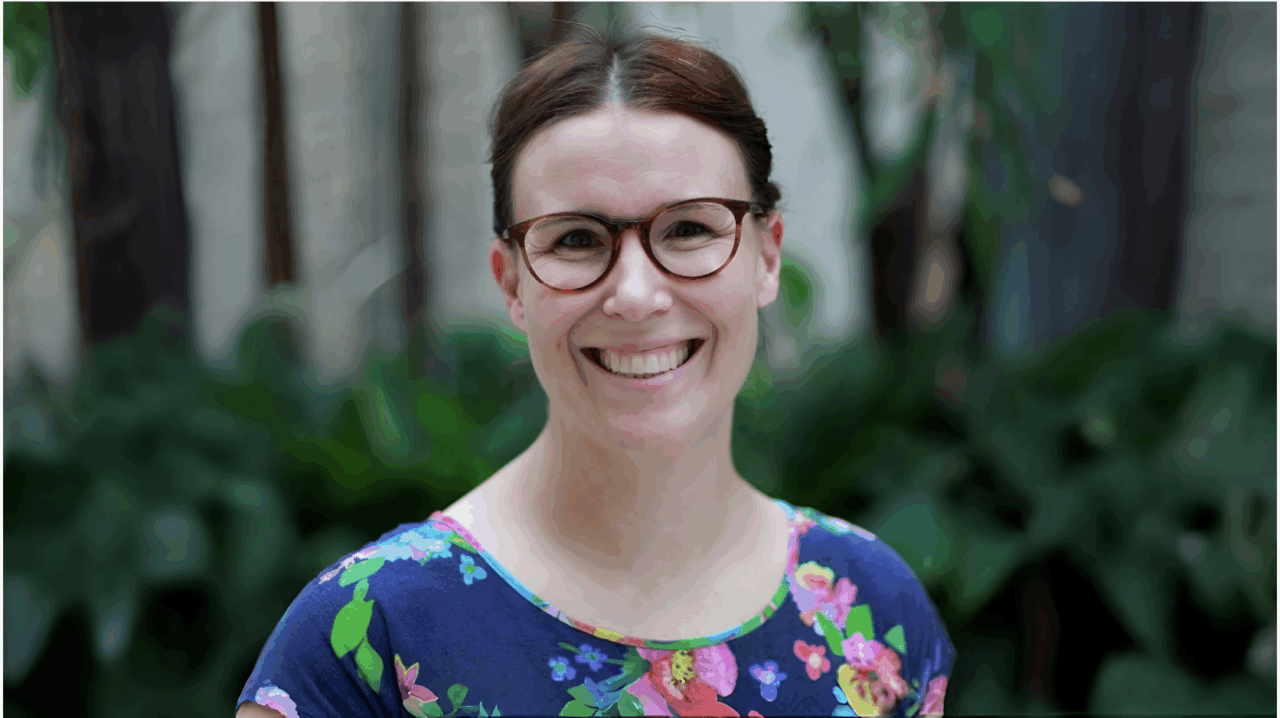
Candice Davison Shares a Review on Kell and Kx Blood Group Systems
Candice Davison, Project Research Scientist – Genomics Transfusion Array at Australian Red Cross Lifeblood, shared on LinkedIn:
”Excited to share a recent collaboration with my mentor Dr. Gregory A. Denomme—our review on the Kell (ISBT 006) and Kx (ISBT 019) blood group systems is now published in Immunohematology!
Since 2015, these systems have expanded significantly, with new antigens and alleles registered by ISBT.
Advances in molecular diagnostics are reshaping how we resolve serologic challenges and predict fetal blood type in alloimmunised pregnancies—critical for preventing HDFN.
Anti-K remains a key clinical concern, and emerging technologies like single-cell sequencing and gene editing are opening new doors to understanding red cell biology and immunogenicity.
Davison CL, Denomme GA. Kell and Kx blood group systems: an update. Immunohematology. 2025 Oct 31;41(3):90–99. doi: 10.2478/immunohematology-2025-014
Grateful for the opportunity to learn and contribute alongside a mentor who continues to shape the field!
Your guidance, insight, and generosity Greg, have made this collaboration deeply meaningful.”
Read the abstract here.
Stay updated with Hemostasis Today.
-
Oct 10, 2026, 17:58Archo Farzana Batool: Exploring Medical Writing Through an Article on Iron Deficiency Anemia
-
Oct 10, 2026, 17:53Assessing Frailty in Adults With Hemophilia – JTH
-
Oct 10, 2026, 17:52Fatma Sadeghi: Reducing Maternal Health Inequalities Through Nursing Advocacy
-
Oct 10, 2026, 17:50Grzegorz Hensler: How Apheresis Transformed Blood Cell Separation and Collection
-
Oct 10, 2026, 17:47Hemant K Sharma: Japan’s Universal Artificial Blood Research – A Potential Breakthrough in Transfusion Medicine
-
Oct 10, 2026, 17:40John Strouse: Learning About Bleeding Disorders and Sickle Cell Disease at FWGBD
-
Oct 10, 2026, 17:34Mae Caime: Speaking at the Annual Women’s Retreat for the Hemophilia Community in Florida
-
Oct 10, 2026, 17:30Chokri Ben Lamine: PNH beyond the Textbook Triad
-
Oct 10, 2026, 17:29Ruah Alyamany: Thrombosis and Anticoagulation in Hematological Malignancies at SOHO KSA 2026