


Edward Adomako: Recognizing Thrombotic Thrombocytopenic Purpura as A Life-Threatening Emergency
Edward Adomako, Biochemist and Molecular Biologist, shared on LinkedIn:
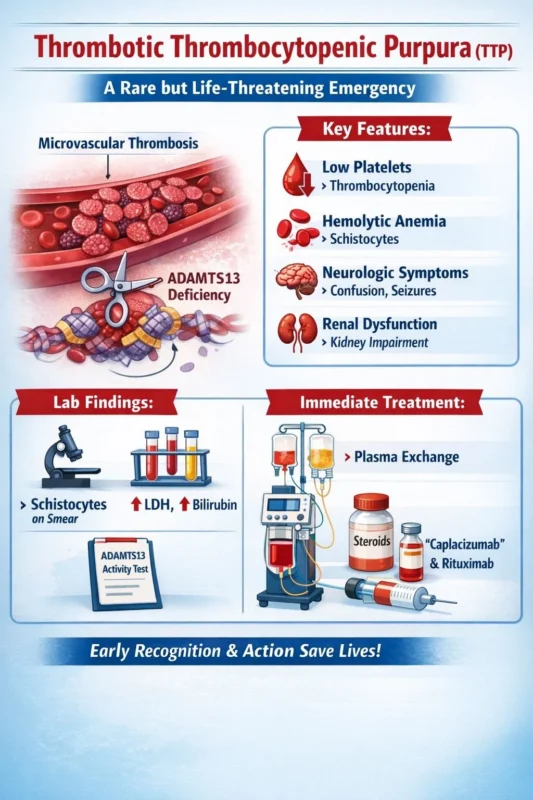
”Thrombotic Thrombocytopenic Purpura (TTP): A Rare but Life-Threatening Medical Emergency
In clinical laboratory medicine, some conditions demand rapid recognition and immediate intervention.
One of these is Thrombotic Thrombocytopenic Purpura (TTP), a rare disorder that can become fatal if not treated promptly.
TTP occurs when there is a severe deficiency of the enzyme ADAMTS13, which normally regulates von Willebrand factor in the blood.
When this enzyme is lacking, abnormal platelet clumping can occur in small blood vessels, leading to microvascular thrombosis.
Key laboratory and clinical features include:
- Severe thrombocytopenia (low platelet count)
- Microangiopathic hemolytic anemia with schistocytes on peripheral smear
- Elevated LDH and bilirubin
- Neurological symptoms such as confusion or seizures
- Possible renal impairment
Historically, clinicians described a ‘pentad’ of symptoms, but in many cases, the combination of thrombocytopenia and hemolytic anemia is enough to raise strong suspicion.
Why early diagnosis matters
Without treatment, mortality from TTP can be extremely high.c
Fortunately, modern therapies such as therapeutic plasma exchange, corticosteroids, and targeted therapies like caplacizumab have dramatically improved survival rates.
The role of the laboratory
Laboratory professionals play a critical role in identifying:
- Schistocytes on peripheral blood smear
- Evidence of hemolysis
- ADAMTS13 activity testing when available
Early laboratory detection can be the difference between rapid life-saving treatment and delayed care.
For healthcare professionals:
Maintaining a high index of suspicion when encountering unexplained thrombocytopenia and hemolytic anemia is crucial.
As laboratory and healthcare professionals, our vigilance helps ensure that rare but critical conditions like TTP are recognized and treated in time.”
Stay updated with Hemostasis Today.
-
Sep 30, 2026, 01:52Javed Anees: DADA2 – When a Young Stroke Is More Than a Stroke
-
Sep 30, 2026, 01:51How a Venous Thrombus Becomes Revascularized – ISTH
-
Sep 29, 2026, 22:45Victor Agunyego: Paracetamol – The Most Common Drug We Underestimate
-
Sep 29, 2026, 22:42Nova Sinclair: Advancing the Future of Hematology – Meet Our 2027 Organizing Committee
-
Sep 29, 2026, 22:41Lorenz Räber: Intracoronary Imaging in PCI – Why, When, How, and Which Modality?
-
Sep 29, 2026, 22:31Selma Turkovic: Pleased to Deliver the Opening Presentation at Kingston Hospital
-
Sep 29, 2026, 22:31Miguel Teran: Ultrasound and Simulation in Arterial Blood Sampling
-
Sep 29, 2026, 22:28Mohammad Refaei: Navigating Your Career in Hematology From Training to Practice
-
Sep 29, 2026, 22:27Matteo Foschi: 10 Clinical Pearls for Antithrombotic Therapy in Secondary Stroke Prevention