

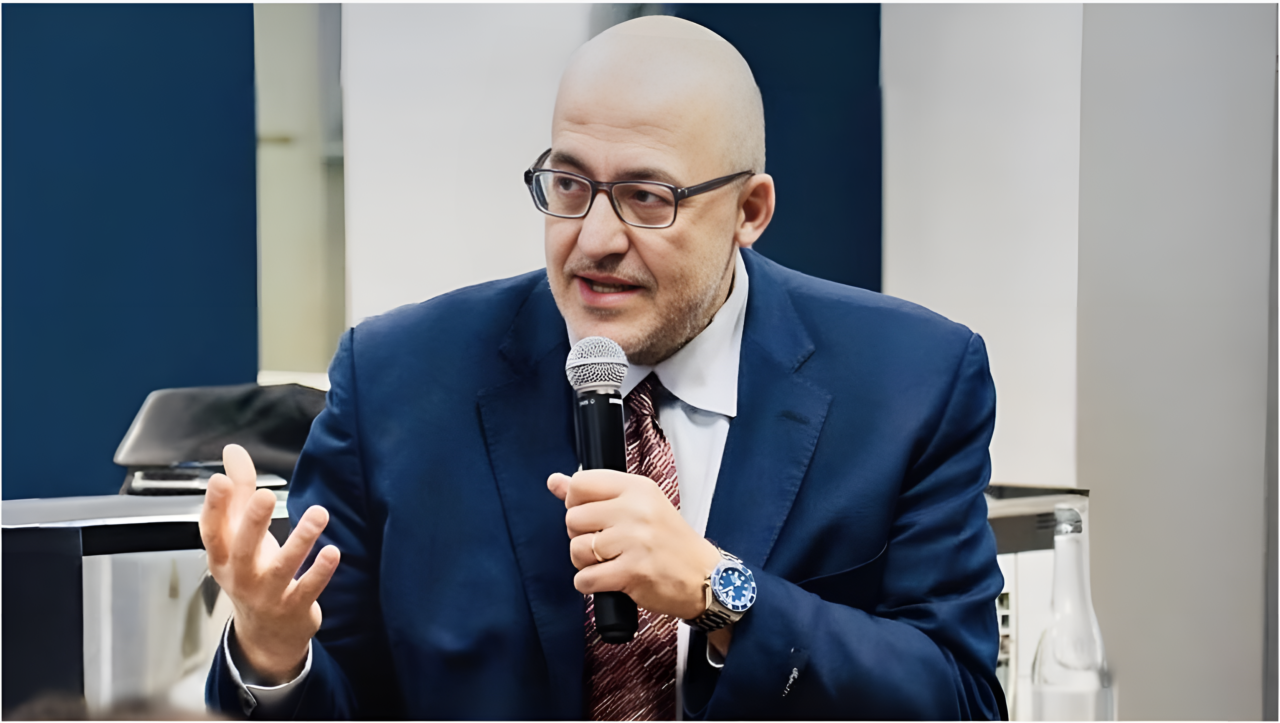
Filippo Cademartiri on Why Vascular Health Is Cognitive Health
Filippo Cademartiri, Consultant Advanced Cardiovascular Imaging at UPMC Salvator Mundi International Hospital, shared on LinkedIn:
”’When the Heart and Brain Fail Together: Why Vascular Health Is Cognitive Health’
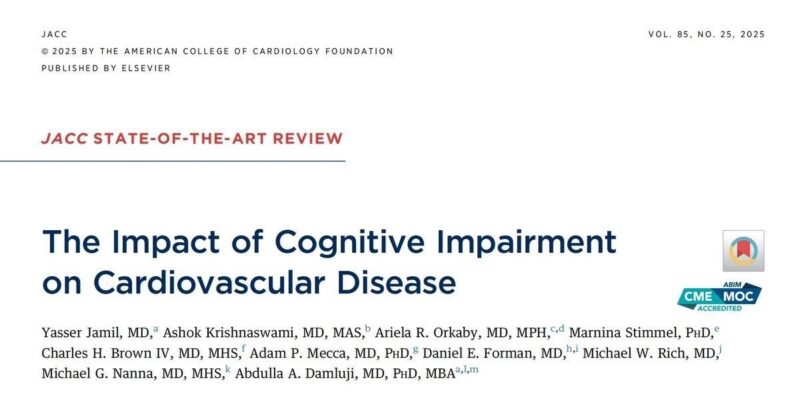
Cognitive impairment and cardiovascular disease are deeply connected in both biology and care delivery.
New evidence highlights that cognitive decline isn’t just an outcome of aging — it affects how patients receive and respond to heart care, and conversely, vascular health shapes cognitive trajectories.
People with cardiovascular disease (CVD) are at higher risk for cognitive impairment due to shared mechanisms like hypertension, cerebral hypoperfusion, inflammation, atrial arrhythmias, and microvascular injury.
Importantly, cognitive impairment reduces engagement with care: lower treatment adherence, delayed help-seeking, and under-prescription of guideline-directed therapies are all more common.
This creates a vicious cycle where heart disease worsens cognition and impaired cognition undermines cardiovascular care.
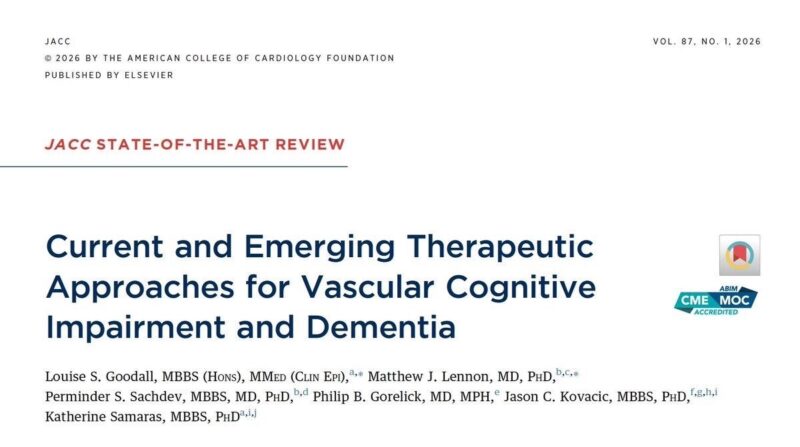
Therapeutically, progress in vascular cognitive impairment and dementia (VCID) has been modest compared to Alzheimer’s, but meaningful strategies exist.
Symptomatic cognitive enhancers (e.g., donepezil, memantine) may offer modest benefits, especially in mixed pathology.
Behavioral and environmental interventions remain first-line for neuropsychiatric symptoms.
The greatest impact comes from vascular risk management: aggressive control of blood pressure, diabetes, atrial fibrillation, smoking cessation, and promotion of physical activity not only protects the heart but also slows cognitive decline.
Take-home:
Screen for cognitive impairment in all cardiac patients
Treat the whole patient: cardiovascular + cognitive risk
Focus on aggressive vascular prevention as dementia prevention
Tailor care plans to support adherence and decision-making
Better cardiovascular health equals better brain health.”
Stay updated with Hemostasis Today.
-
Oct 16, 2026, 18:12Adil Nawaz: Extended Dual Antiplatelet Therapy After Coronary Stenting
-
Oct 16, 2026, 17:50Elad Asher։ STORM-PE Shows Functional Benefits of Thrombectomy
-
Oct 16, 2026, 17:32Shruthi Narayan: STORM-PE and STRIKE-PE Studies Advance Understanding of Recovery After Pulmonary Embolism
-
Oct 16, 2026, 17:22Wolfgang Miesbach։ What a Near-Perfect FISH Score Fails to See
-
Oct 16, 2026, 17:06Troels Wienecke: Connecting Myeloproliferative Disease and Ischemic Stroke
-
Oct 16, 2026, 17:03Only 5 Days Left to Submit Your Research for EAHAD 2027
-
Oct 16, 2026, 16:48Abdul Rahman: Reticulocyte Count and Bone Marrow Activity
-
Oct 16, 2026, 16:44DOAC Adherence in Stroke Patients With Atrial Fibrillation – International Journal of Stroke
-
Oct 16, 2026, 16:22Shannon Farmer: Driving Patient Blood Management Forward in Australia and New Zealand