


Joyce John Chalakkal: The Dangerous Area of The Face….
Joyce John Chalakkal, Clinical Physiotherapist at Positivephysio and Wellness, shared on LinkedIn:
”The Dangerous Area of the face….
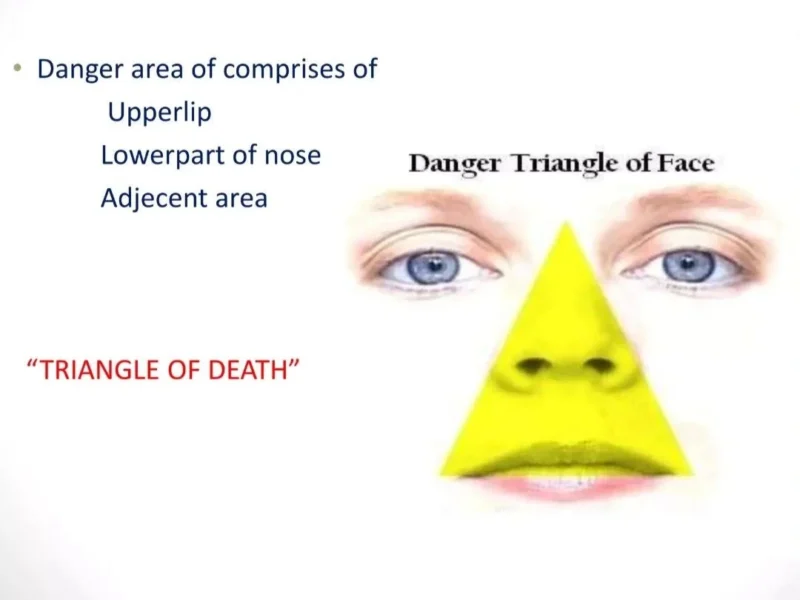
The “dangerous triangle” is a region on your face that poses a higher risk for infections to spread to the brain.
This area includes the space from the corners of your mouth up to the bridge of your nose, encompassing the nose and upper lip.
Here’s a more detailed breakdown:
1. The Danger: The main concern is that infections in this area can lead to a serious condition called cavernous sinus thrombosis (CST).
This is a blood clot in the cavernous sinus, a major vein at the base of the brain.
2. How Infections Spread?
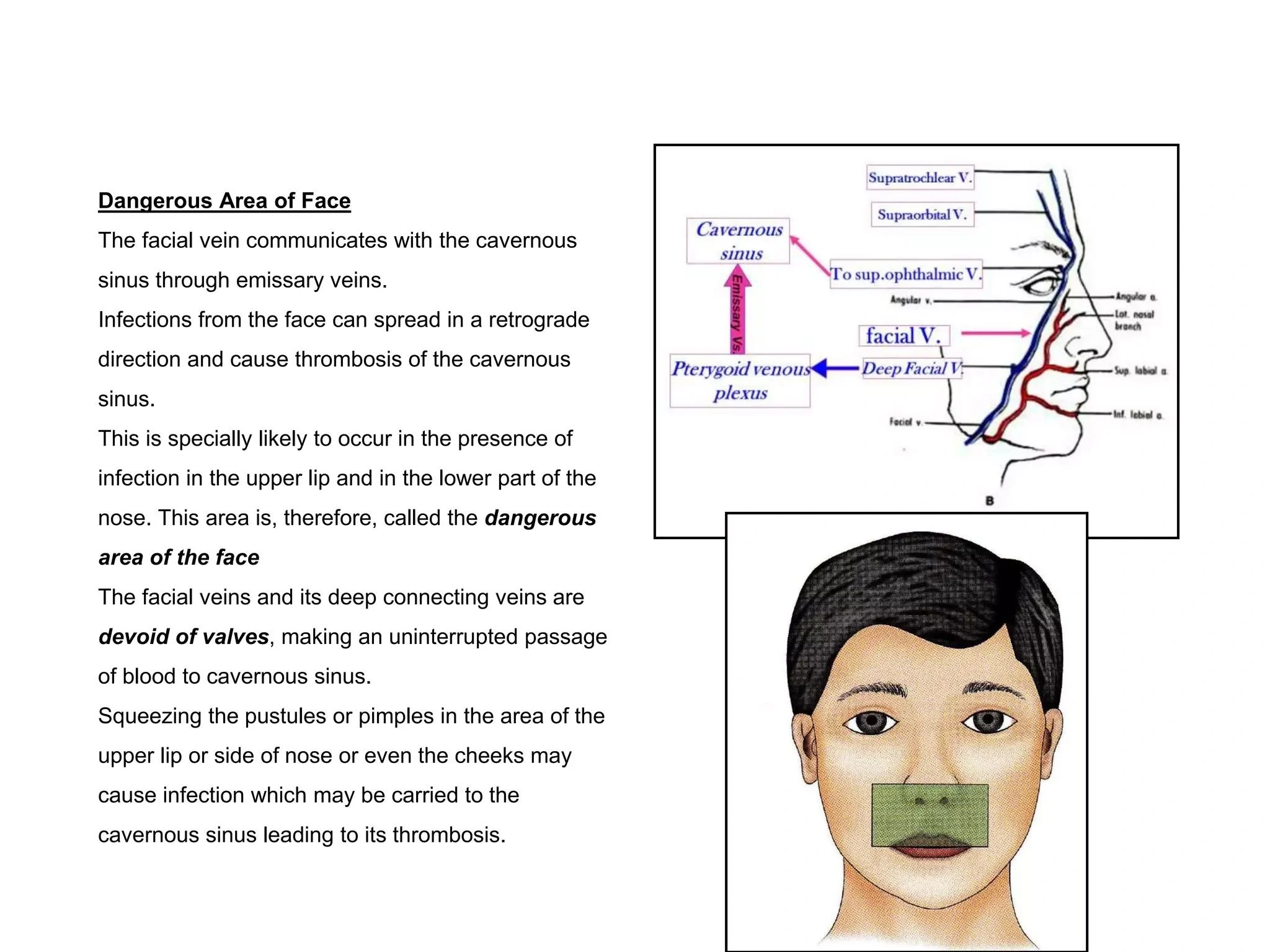
* Facial Veins: The veins in the face drain blood into the cavernous sinus.
* Valve-less Veins: Unlike veins in other parts of the body, facial veins don’t have valves. This means blood can flow in either direction.
* Infection Entry Points: Infections can enter through pimples, boils, cuts, or even nose picking.
3. Why It’s Dangerous?
* Direct Path to the Brain: Infections can travel directly to the brain through the facial veins and the cavernous sinus.
* Cavernous Sinus Thrombosis: This condition can cause severe inflammation, headaches, eye problems, and neurological issues.
* Life-Threatening: CST can be life-threatening if not treated promptly.
4. Preventive Measures:
* Avoid Squeezing or Picking: Refrain from squeezing pimples or picking at your skin in this area.
* Proper Hygiene: Practice good hygiene to prevent infections.
* Treat Infections Quickly: If you get an infection in this area, seek medical attention immediately.
* Watch for Symptoms: Be aware of symptoms like redness, swelling, pain, fever, or neurological symptoms and seek medical help if they appear.
In summary, the dangerous triangle highlights the importance of being careful with skin infections in this facial area due to the direct connection to the brain and the risk of severe complications.”
Stay updated with Hemostasis Today.
-
Sep 30, 2026, 14:13Ashok Choudhury: Portal Vein Thrombosis and Outcomes in Cirrhosis
-
Sep 30, 2026, 13:57Leslye Conde Bazán: When Conventional Imaging Is Not Enough – The Role of IVUS
-
Sep 30, 2026, 13:41Huda Salah Eldin: The Challenge of Balancing Antithrombotic Therapy After PCI
-
Sep 30, 2026, 13:29Abdus Salam: What Can CT Venography Reveal About the Veins?
-
Sep 30, 2026, 13:03Amira Mohy: Diagnostic Flow Cytometry Panels for Hematological Malignancies
-
Sep 30, 2026, 12:52Paul Watton: Could Repetitive Head Impacts Leave a Molecular Memory?
-
Sep 30, 2026, 12:41The Journey to ISTH 2027 Starts in Vancouver
-
Sep 30, 2026, 11:36Basit Ali: A Closer Look at CT Venography
-
Sep 30, 2026, 11:16Christina Pohlman: Could aPL Levels Help Predict Stroke Recurrence?