


Marios Georgakis: An Unprecedented for An Antithrombotic Therapy from OCEANIC-STROKE Trial
Marios Georgakis, Research Group Leader and Physician at LMU Munich, Visiting Scientist at Broad Institute of MIT and Harvard University, shared on LinkedIn:
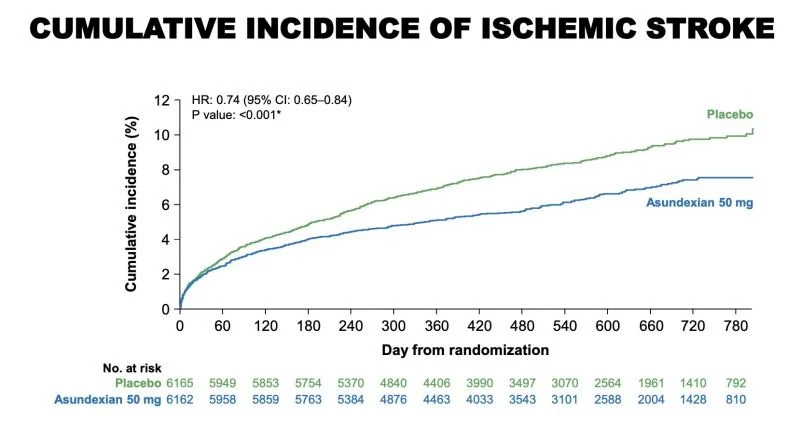
”In another win for genetically validated drug targets, a small molecule factor XI inhibitor on top of antiplatelet treatment, led to significant reductions (HR: 0.74, 95%CI: 0.65–0.84) in risk of recurrent ischemic stroke among patients with a non-cardioembolic ischemic stroke or TIA in the placebo-controlled OCEANIC-STROKE trial (12,327 patients).
As predicted by Mendelian randomization analyses several years ago, the benefit against ischemic stroke was not accompanied by an increase in risk of major bleeding, intracranial bleeding, or even minor bleeding.
This is unprecedented for an antithrombotic therapy.
Also interestingly, human genetic analyses had long supported no effects on myocardial infarction or coronary artery disease risk, which also lines up with the underwhelming available trial data in patients with acute myocardial infarction.”
Stay updated with Hemostasis Today.
-
Nov 17, 2026, 15:26Hereditary Hemorrhagic Telangiectasia: The Molecular Connection Between Vascular Malformations and Bleeding
-
Nov 17, 2026, 14:54Cindy Neunert: Beyond Platelet Counts – Addressing Fatigue and Whole-Person Care in ITP
-
Nov 17, 2026, 14:44Strengthening Haemophilia Diagnosis Through Hands-On Laboratory Training – IAHAD
-
Nov 17, 2026, 14:40Platelet Membrane Protrusions Beyond Their Role in Hemostasis – JTH
-
Nov 17, 2026, 14:10Wolfgang Miesbach: Aspirin vs Anticoagulants – Who Needs More Than Aspirin?
-
Nov 17, 2026, 14:08Chaza Alaji: Soluble Transferrin Receptor – A Key to Uncovering Hidden Iron Deficiency
-
Nov 17, 2026, 14:03Shadi Tabibian: Fibrinogen – From Molecular Structure to Clinical Decision Making
-
Nov 17, 2026, 13:54Gabrielle Sarlon: Breaking the Silence on Menstrual Bleeding During Anticoagulant Therapy
-
Nov 17, 2026, 13:47Ksenia Guznova Kats: Advanced Venous Stenting in May–Thurner Syndrome