

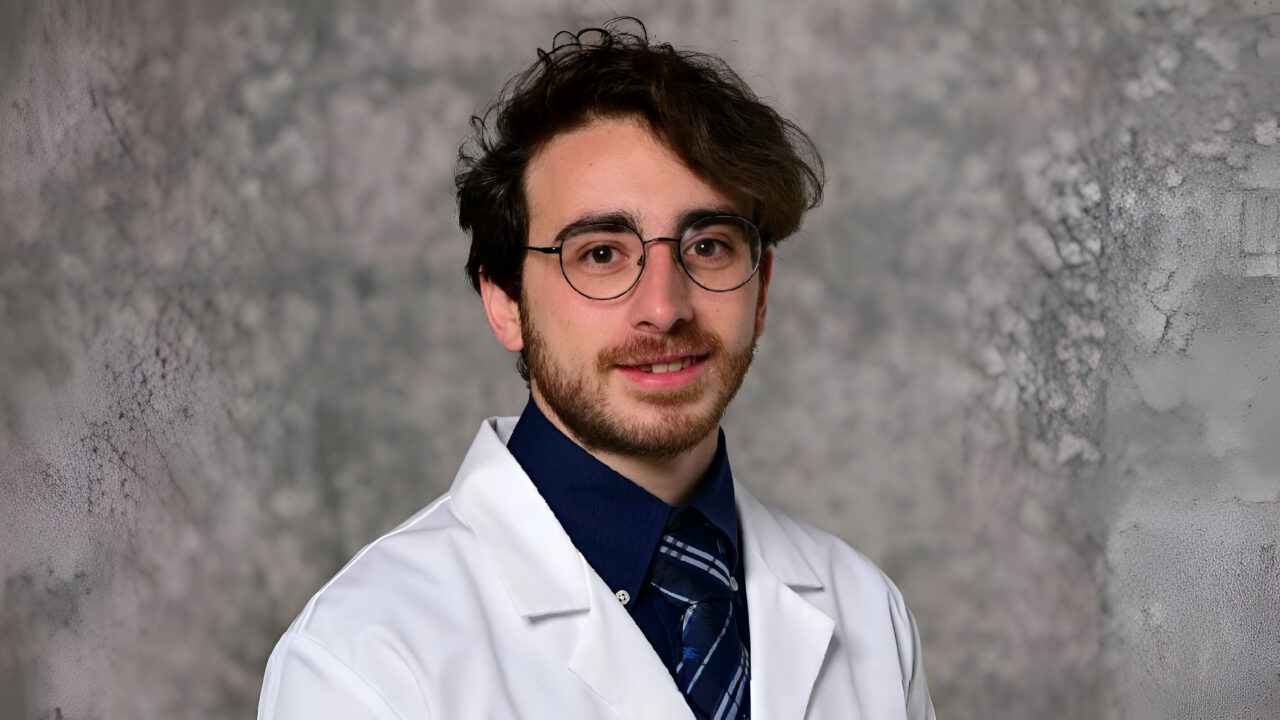
Claudio Laudani on Comparison of Target and Non-target Vessel Revascularization for Recurrent ACS
Claudio Laudani, Cardiovascular Disease Fellow UNICT, Post-Doc Research Scholar UFHealth JAX, shared on LinkedIn:
”Patients undergoing repeat revascularization for recurrent acute coronary syndrome represent a particularly high-risk population, yet limited data exist on whether outcomes differ between target-vessel and non-target-vessel revascularization.
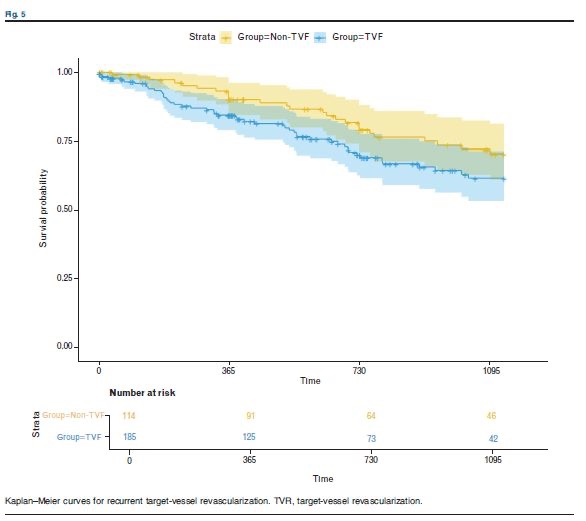
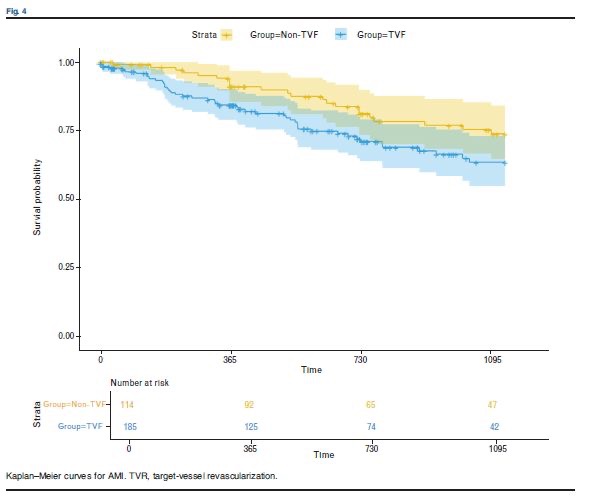
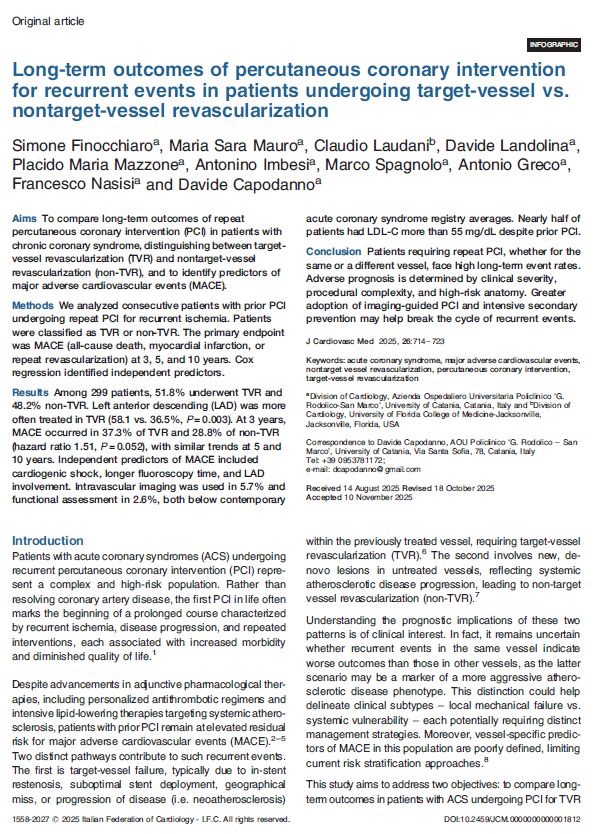
In our latest study from the CAST Registry, published in Journal of Cardiovascular Medicine, we analyzed 299 patients undergoing repeat PCI for ACS, and compared the long-term outcomes of patients undergoing TVR vs. non-TVR.
Alos, we explored the predictors of long-term adverse events in this high-risk population.
In our study, we found that:
- Patients undergoing repeat PCI for ACS represent a very high risk population, with most of the patients presenting with not at target LDL levels.
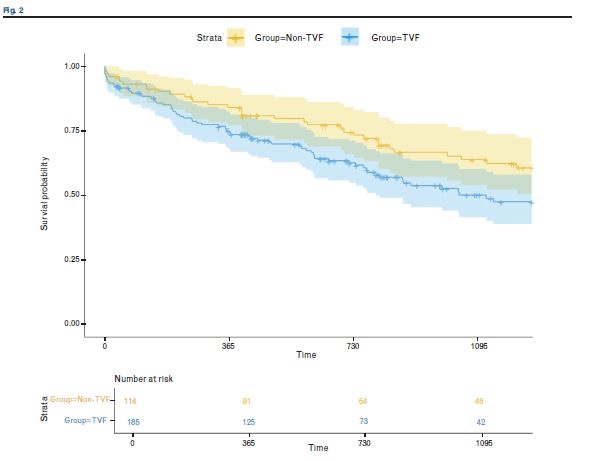
- This high thrombotic risk is also reflected in the follow-up event rate, as MACE rates were as high as 37% at 3 years.
- There were no significant differences between TVR and non-TVR, suggesting that recurrent ischemia is the reflection of a systematic high thrombotic burden phenotype rather than local procedure failure.
- Variables of procedural complexity were the main predictors of long-term events, including cardiogenic shock at presentation, longer fluoroscopy time, and LAD involvement.
Overall, our data highlight that patients undergoing repeat PCI require a more aggressive treatment to prevent long-term adverse events.”
Read the full article here.
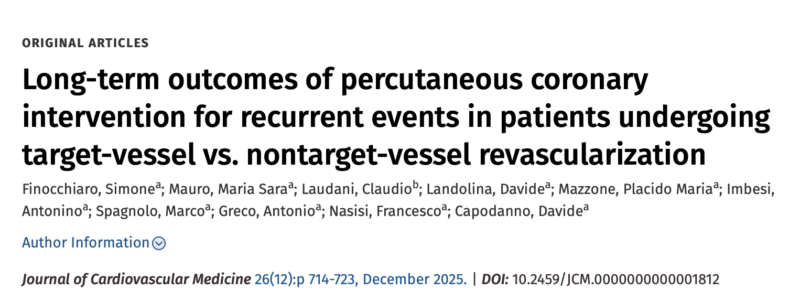
Article: Long-term outcomes of percutaneous coronary intervention for recurrent events in patients undergoing target-vessel vs. nontarget-vessel revascularization
Authors: Simone Finocchiaro, Maria Sara Mauro, Claudio Laudani, Davide Landolina, Placido Maria Mazzone, Antonino Imbesi, Marco Spagnolo, Antonio Greco, Francesco Nasisi, Davide Capodanno
Stay updated on all scientific advances with Hemostasis Today.
-
Oct 4, 2026, 11:02Stimuli-Induced Remodeling of the Platelet Lipidome in Pulmonary Embolism – ESC
-
Oct 4, 2026, 10:45Join the Bleeding Disorders Advocacy Network! – HFA
-
Oct 4, 2026, 06:12David McIntosh: 900 Plasma Donations One Patient One Lifeline
-
Oct 4, 2026, 06:00Aadil Sheikh: Menopausal Hormone Therapy and Thrombosis Rethinking Route Dose and Risk
-
Oct 4, 2026, 05:27Nirali Thakkar: Influenza and Myocardial Infarction An Unexpected Cardiovascular Connection
-
Oct 4, 2026, 05:03Hisham Fahmi: Thromboprophylaxis in Children With ALL A Risk Adapted Approach
-
Oct 4, 2026, 05:00Mary Cushman: Erin Michos Highlights Rising Heart Disease Mortality Among Younger Women in the US
-
Oct 4, 2026, 04:48Liv Tybjærg Nordestgaard: Is Fasting Necessary Before Blood Sampling?
-
Oct 4, 2026, 04:31Sonal Sonu: Gen Z doesn’t just set trends – Gen Z saves lives