

Shadi Tabibian: Molecular Diagnosis of Inherited Platelet Disorders
Shadi Tabibian, Director of the Iranian Comprehensive Hemophilia Care Center (ICHC) and Deputy of research at Blood Diseases Research Centers, Iran University of Medical Sciences, shared a post on LinkedIn:
“Proud to share our newly published narrative review in Thrombosis Journal (2025):
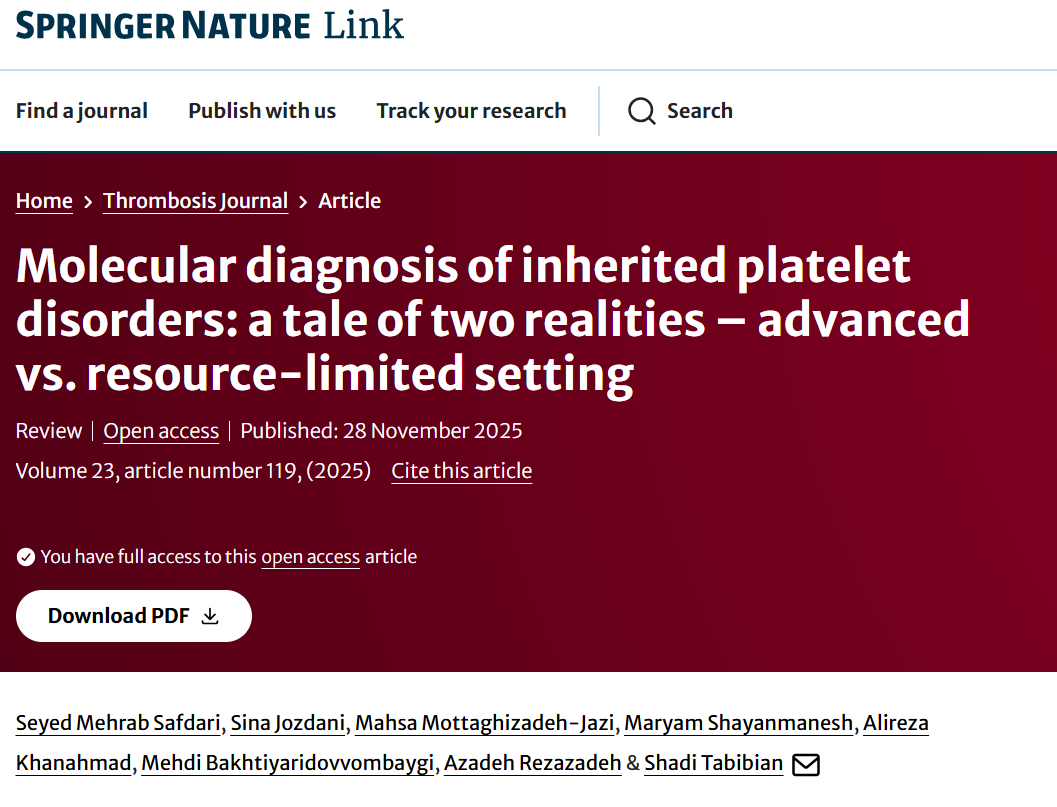
Title: Molecular diagnosis of inherited platelet disorders: a tale of two realities – advanced vs. resource-limited setting
Authors: Seyed Mehrab Safdari, Sina Jozdani, Mahsa Mottaghizadeh-Jazi, Maryam Shayanmanesh, Alireza Khanahmad, Mehdi Bakhtiyaridovvombaygi, Azadeh Rezazadeh and Shadi Tabibian
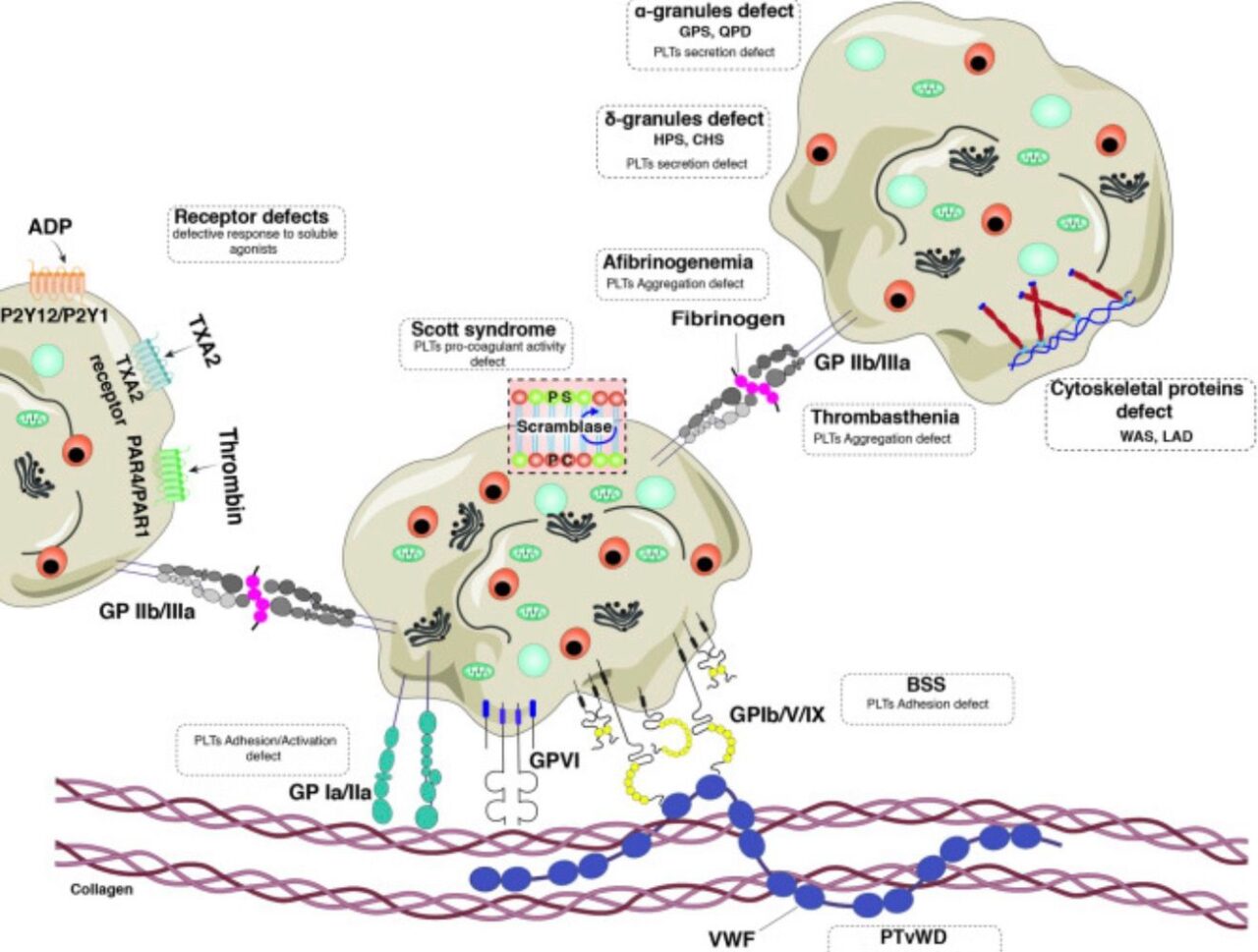
In this review, we discuss how molecular technologies—particularly next-generation sequencing (NGS)—are transforming the diagnosis of inherited platelet disorders, while also emphasizing why phenotypic and laboratory investigations (platelet function testing, flow cytometry, immunofluorescence, and electron microscopy) remain essential for first-line evaluation.
We also highlight a critical global challenge: in resource-limited settings, restricted access to genetic platforms (cost, infrastructure, and expertise) can delay or prevent accurate diagnosis—ultimately affecting patient care.
Key takeaways:
• NGS improves diagnostic precision and supports tailored management
• Conventional laboratory pathways remain foundational for initial diagnosis
• Closing the diagnostic gap requires affordable testing models, collaboration, and capacity building
I’d be honored if you read the paper and share your thoughts or experience from your own setting.”
Stay updated with Hemostasis Today.
-
Oct 7, 2026, 16:44Amor Salah: 2026 NCS/SCCM Guidelines for Managing Antithrombotic-Associated ICH
-
Oct 7, 2026, 16:04NETs in Thrombosis: From Mechanism to Therapeutic Target
-
Oct 7, 2026, 15:28Amir Samimi: Prognostic Value of Platelet Count in Resected HNSCC
-
Oct 7, 2026, 15:21Eloïse Laouenan: Bridging Immunity and Thrombosis in MVTE
-
Oct 7, 2026, 15:10Uthra Sundaram: Honouring Donors During International Plasma Awareness Week
-
Oct 7, 2026, 15:04Daniel Victor Ortigoza: Should Frail Older Patients With AF Switch From VKA to DOACs?
-
Oct 7, 2026, 14:53Susan Noone: Donor Turned Recipient Shares Lifesaving Transfusion Story
-
Oct 7, 2026, 14:49Aimee Burtenshaw: The Impact of the Infected Blood Inquiry on Hospital Transfusion Laboratories
-
Oct 7, 2026, 14:41Vikash Jaiswal: Does Timing Matter for Calcium in Pre-Eclampsia Prevention?