

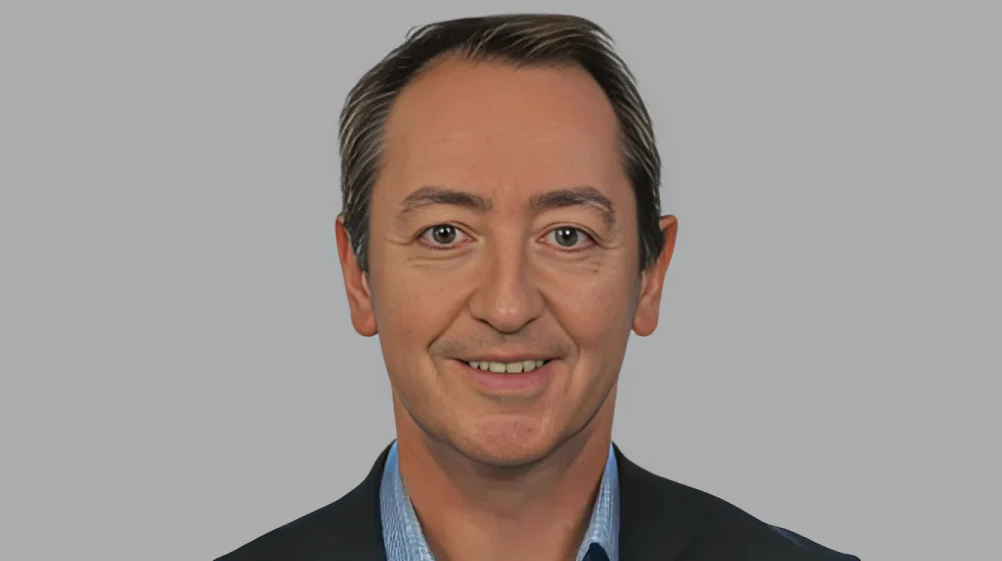
Pablo Corral: Why Should Dyslipidemia Be Any Different?
Pablo Corral, Pharmacology Professor at FASTA University, Past President of Argentine Lipid Society, shared a post on LinkedIn about a recent article by Liam R. Brunham et al., published in JACC Journals, adding:
“Why should dyslipidemia be any different?
Over the past two decades, medicine has embraced early combination therapy in chronic diseases:
- Hypertension: combination therapy is now recommended for most patients.
- Type 2 diabetes: early combination therapy has become routine to improve glycemic control and cardiovascular outcomes.
Dyslipidemia: why do we still expect statin monotherapy to achieve increasingly ambitious LDL-C goals?
Today’s LDL-C targets are lower than ever. In fact, recent ESC/EAS and ACC/AHA guidelines acknowledge that achieving these goals will frequently require combination lipid-lowering therapy.
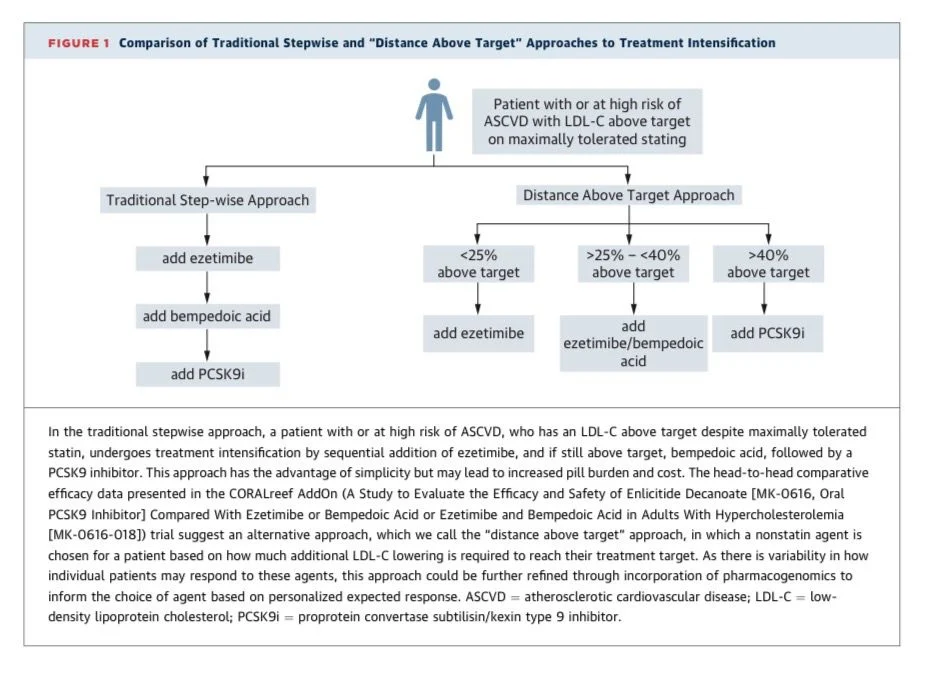
Even more importantly, a recent JACC Editorial proposes moving beyond the traditional stepwise intensification toward a ‘distance above target’ strategy: selecting the treatment according to how much additional LDL-C reduction is needed, rather than adding drugs sequentially.
The question is no longer whether combination therapy should be used.
The real question is when.
For many patients at high and very high cardiovascular risk, the answer should be:
From the beginning.
If early combination therapy is the standard for hypertension and diabetes, it should no longer be the exception in dyslipidemia.
Same philosophy. Same goal: reach the target early and reduce cardiovascular risk.”
Title: The Expanding Oral Options for LDL Cholesterol Management: Ain’t No Cholesterol High Enough, Ain’t No Target Low Enough!
Authors: Liam R. Brunham, Michael D. Shapiro, and Vijay Nambi
Stay updated on all scientific advances with Hemostasis Today.
-
Sep 18, 2026, 13:22Christine Rabinak: Predictive Modeling for Individualized Unfractionated Heparin Dosing
-
Sep 18, 2026, 13:07Bastu Odoka: Principles of Pediatric Transfusion Dosing
-
Sep 18, 2026, 12:54David McIntosh: Plasma Therapies and the Unfinished Global Access Mission
-
Sep 18, 2026, 11:10R. Stephani Hellwege: Beyond LVEF Echocardiographic Assessment of Undifferentiated Shock
-
Sep 18, 2026, 06:48Gopal Patidar: Honoured to Contribute to the ASFA 2026 Guidelines for Therapeutic Apheresis
-
Sep 18, 2026, 05:48Julie Taylor: Navigating Tech Glitches to Deliver Engaging BBTS Presentation
-
Sep 18, 2026, 05:42Emma Copperwaite: BBTS Conference Presentation Highlights Power of Peer Support and Pushing Past Fear
-
Sep 18, 2026, 05:34Suhasini Sil: RGSSH Joins Mega Blood Donation Camp at Thyagaraj Stadium
-
Sep 18, 2026, 05:25Lisa Laun: Spleen Clears Activated Platelets to Limit Thrombosis and Inflammation