

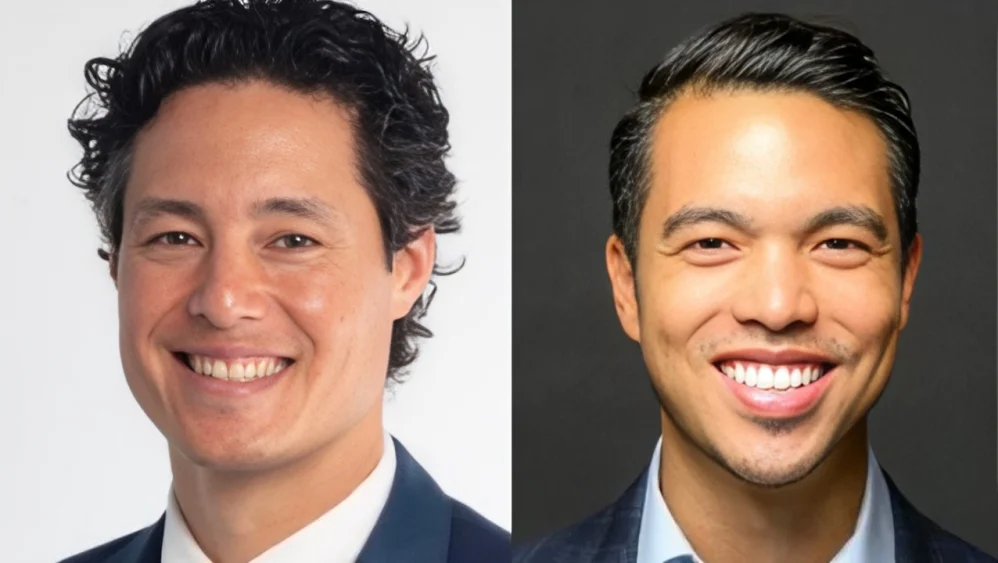
Philip A. Chan: Occasional Heavy Drinking Leads to 3 Times Higher Liver Fibrosis Risk in MASLD
Philip A. Chan, Chief Medical Officer at The Rhode Island Public Health Institute, shared a post on LinkedIn:
“Occasional heavy drinking may triple the risk of liver damage. People may assume that if they drink lightly during the week or month, heavy drinking on the occasional Friday or Saturday may not cause their liver harm.
New research suggests otherwise, according to a Keck Medicine of USC study published today in Clinical Gastroenterology and Hepatology.
Researchers discovered that people with metabolic dysfunction-associated steatotic liver disease (MASLD), the most common liver condition in the country affecting one-in-three adults, face significantly higher risk of liver fibrosis, or harmful scarring of the liver, if they engage in episodic heavy drinking. Episodic heavy drinking is four or more drinks in one day for women and five or more drinks in one day for men, at least once a month.
Those who consume large amounts of alcohol in a single day at least once per month are three times more likely to develop advanced liver fibrosis than individuals who spread out the same total alcohol intake over time, according to the findings.
Younger adults and men were more likely to report episodic heavy drinking, and the more drinks consumed at one time, the more liver fibrosis people tended to have.
‘This study is a huge wake-up call because traditionally, physicians have tended to look at the total amount of alcohol consumed, not how it is consumed, when determining the risk to the liver,’ said Brian P. Lee, a hepatologist and liver transplant specialist with Keck Medicine and principal investigator of the study.
‘Our research suggests that the public needs to be much more aware of the danger of occasional heavy drinking and should avoid it even if they drink moderately the rest of the time.'”
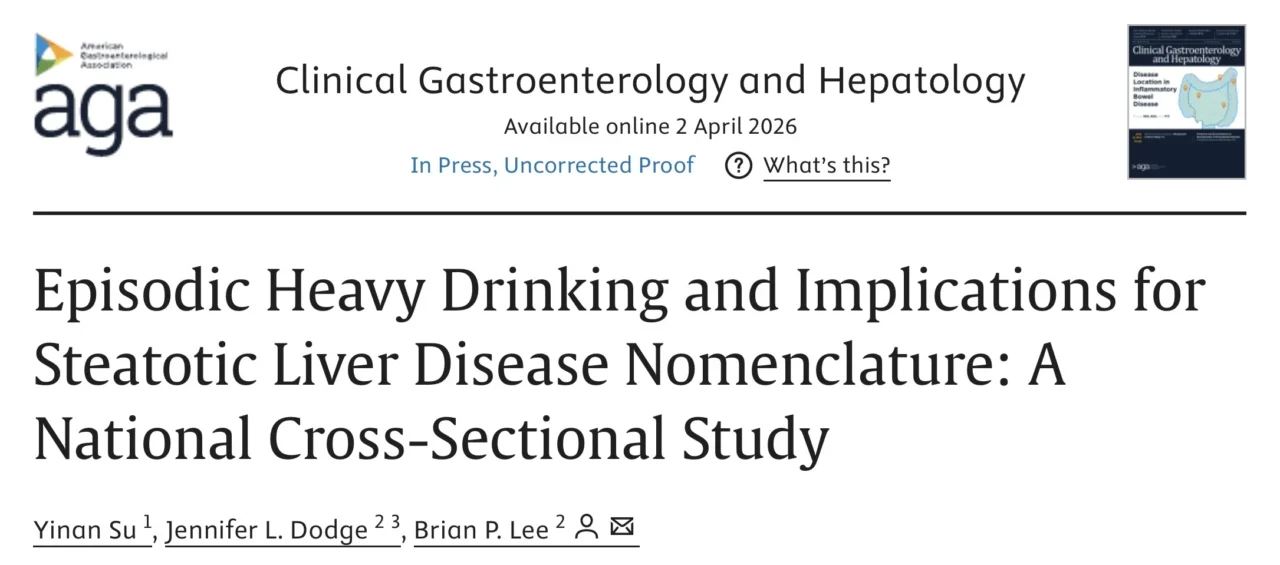
Title: Episodic Heavy Drinking and Implications for Steatotic Liver Disease Nomenclature: A National Cross-Sectional Study
Authors: Yinan Su, Jennifer L. Dodge, Brian P. Lee
Read the Full Article on Clinical Gastroenterology and Hepatology
Stay updated on all scientific advances Hemostasis Today.
-
Oct 8, 2026, 14:17Sudhanshi Raina: Predicting Germline Mutations in Aplastic Anemia Using Telomere Length
-
Oct 8, 2026, 14:10Rebecca Akpeloo: PE as an Overlooked Threat in Sickle Cell Disease
-
Oct 8, 2026, 14:05Christina Pohlman: World Thrombosis Day – Raising Awareness of DVT
-
Oct 8, 2026, 13:59Patience Nkabe Odey: What Drives Rhesus D Screening Uptake Among Pregnant Women?
-
Oct 8, 2026, 13:50Todd Rice: ECMO at the Intersection of Anticoagulation and Respiratory Failure
-
Oct 8, 2026, 13:35Manuel Monreal: Why IVC Filter Retrieval Matters for VTE Outcomes
-
Oct 8, 2026, 12:53Hellen Ishikawa-Ankerhold: PhD and Postdoctoral Positions in Advanced Microscopy and Immunothrombosis at LMU Munich
-
Oct 8, 2026, 12:45Pedro Perez: World Thrombosis Day 2026 – Raising Awareness of Women’s VTE Risk
-
Oct 8, 2026, 12:20Berrin Gunaydin: Functional Biomarkers of Iron Deficiency in Pregnancy