


Zain Khalpey: The Hidden Impact of Sex Hormones on Thrombosis and Heart Health
Zain Khalpey, Adjunct Assistant Professor of Surgery at Columbia University Irving Medical Center, shared a post on LinkedIn about a recent article by Leslie Skeith et al, adding:
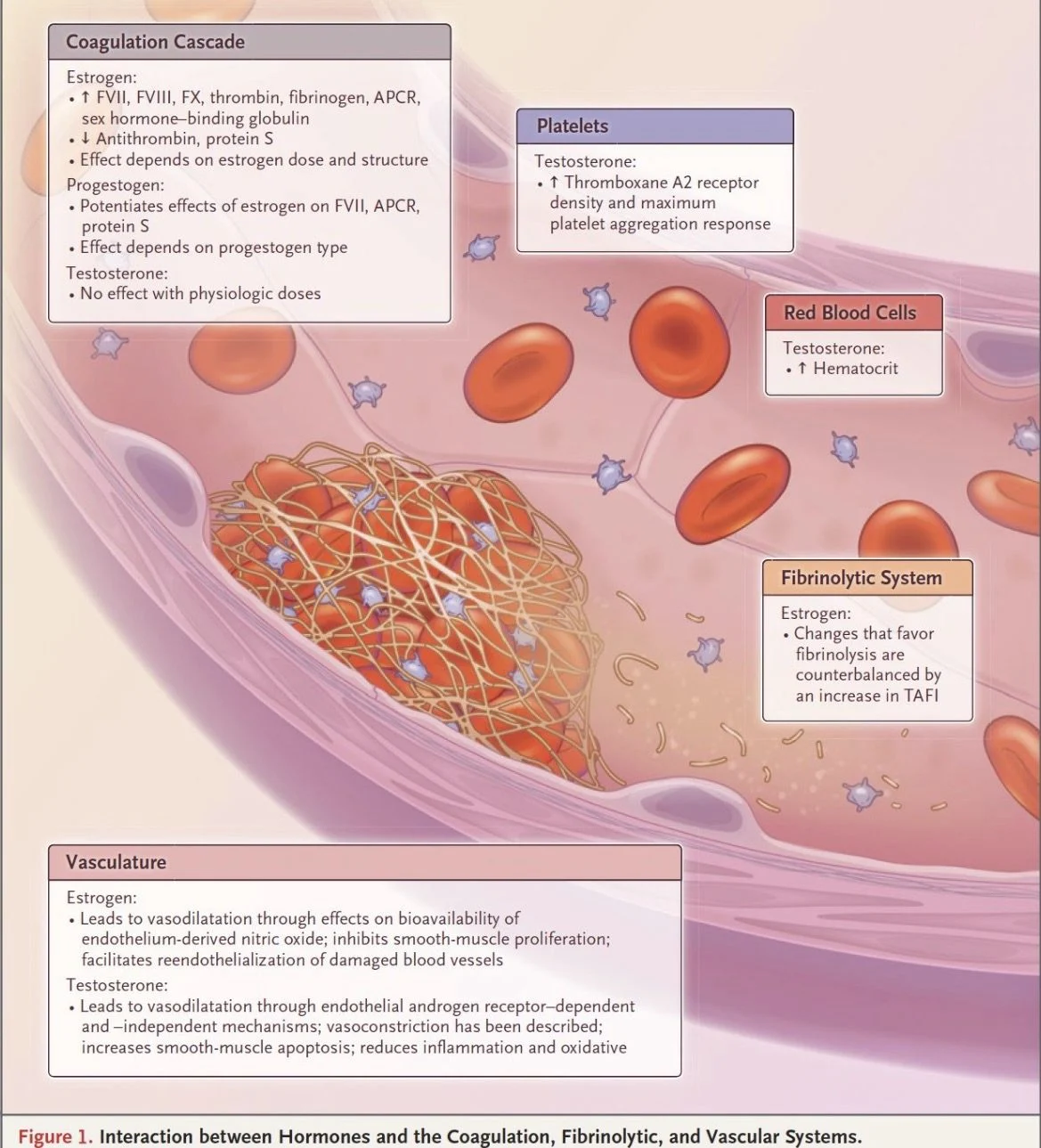
“This visual outlines how estrogen, progesterone, and testosterone affect coagulation pathways, platelet activity, red blood cells, and vascular function.
These physiologic changes can alter clotting risk depending on dose, formulation, and patient specific factors.
Recent evidence highlights the importance of evaluating individual risk, including prior thrombosis, underlying conditions, and treatment indication when considering hormone therapy.
Clear understanding of these mechanisms supports safer clinical decision making across cardiology, internal medicine, and women’s health.
Follow Zain Khalpey for more on AI and Healthcare.”
Title: Sex Hormone Influences on Venous Thrombotic and Cardiovascular Risk
Authors: Leslie Skeith, Shannon M. Bates

Stay updated on all scientific advances with Hemostasis Today.
-
Oct 20, 2026, 02:37M. Sekip Altunkan: Can Anticoagulation Be Safely Stopped After AF Ablation?
-
Oct 20, 2026, 02:26Ahmed Ammar: Managing VT Recurrence Post-Ablation
-
Oct 20, 2026, 01:43Oliver Weingärtner: Deprescribing of Lipid Lowering Drug after MI is Associated with Cardiovascular Events
-
Oct 19, 2026, 19:44Where You Live Should not Determine Whether You Receive Care – World Federation of Hemophilia
-
Oct 19, 2026, 19:42Belen Bianco: Prevention, Early Suspicion and an Interdisciplinary Approach Save Lives
-
Oct 19, 2026, 19:40Christina Chrysohoou: Catheter-Based LAAC vs OAC for Stroke Prevention in Atrial Fibrillation
-
Oct 19, 2026, 19:38Matthew Flick: A Two-Day Research Meeting on Fibrinogen, Hemostasis and Thrombosis
-
Oct 19, 2026, 19:37Hayat Saeed: Excited to Share Our Publication on the FGL1–Hepcidin Axis in Iron Homeostasis and Disease
-
Oct 19, 2026, 19:08IPAW 2026 Comes to a Close, but the Work Continues – PPTA