


Mohamed Reda/LinkedIn
Oct 25, 2025, 07:26
Mohamed Reda: Stroke Management and Prevention
Mohamed Reda, Registered Nurse at Canadian Specialist Hospital, shared on LinkedIn:
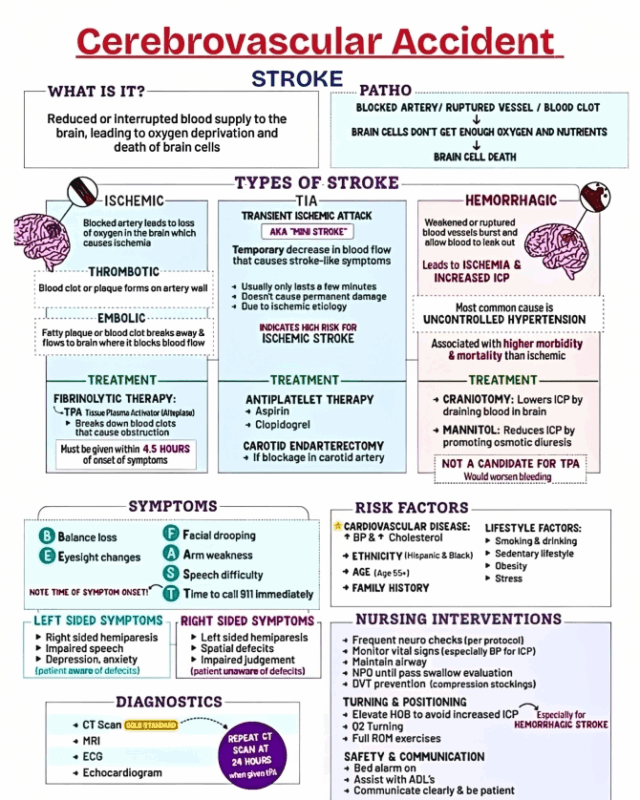
”Stroke (Cerebrovascular Accident – CVA)
A stroke occurs when blood flow to a part of the brain is interrupted or reduced, causing brain cells to die due to lack of oxygen and nutrients.
It is a medical emergency that requires immediate treatment to reduce brain damage and improve outcomes.
Types of Stroke:
- Ischemic Stroke (≈ 85%)
- Blocked artery
- Caused by a blood clot or plaque blocking blood flow to the brain.
- Hemorrhagic Stroke (≈ 15%)
- Ruptured blood vessel
- Caused by bleeding into or around the brain (e.g., aneurysm, hypertension).
- Transient Ischemic Attack (TIA)
- Temporary blockage
- “Mini-stroke” — symptoms last < 24 hours, a warning sign of a full stroke.
Common Signs and Symptoms (Remember FAST):
- F Face drooping
One side of the face droops or feels numb - A Arm weakness
Weakness or numbness in one arm or leg - S Speech difficulty
Slurred, confused, or absent speech - T Time to call emergency
Seek help immediately (within 3–4.5 hours for best results)
Other symptoms:
- Sudden confusion or trouble understanding
- Vision problems (blurred, double vision, loss of one eye’s vision)
- Severe headache (especially in hemorrhagic stroke)
- Loss of balance, dizziness, or trouble walking
- Numbness or weakness on one side of the body
Diagnosis:
- CT Scan – differentiates ischemic vs. hemorrhagic stroke
- MRI of the brain – detailed brain imaging
- Carotid Doppler ultrasound – checks blood flow in neck arteries
- Blood tests – glucose, clotting time, cholesterol
- ECG – to check for atrial fibrillation (source of emboli)
Treatment:
Ischemic Stroke
- tPA (Tissue Plasminogen Activator) – dissolves clot (must be given within 3–4.5 hours)
- Aspirin/Clopidogrel – antiplatelet drugs
- Heparin / Warfarin – anticoagulants for embolic stroke
- Mechanical thrombectomy – surgical removal of large clots (within 6–24 hours)
Hemorrhagic Stroke
- Stop bleeding and reduce pressure:
- Control blood pressure
- Mannitol or hypertonic saline to reduce brain swelling
- Surgery (clip aneurysm, remove clot)
- Avoid anticoagulants
Nursing and Supportive Care:
- Maintain airway, breathing, circulation (ABCs)
- Monitor vital signs and neurological status
- Head elevated 30°, midline position (to reduce ICP)
- Check swallowing before giving food/water (prevent aspiration)
- Assist with mobility and prevent contractures
- Speech and physical therapy
- Monitor for complications: aspiration pneumonia, DVT, pressure ulcers
Prevention:
- Control hypertension, diabetes, and cholesterol
- Quit smoking and limit alcohol
- Exercise regularly
- Eat a balanced diet (low salt, low fat)
- Take prescribed aspirin or statins if at high risk
- Manage heart conditions (like atrial fibrillation).”
Stay updated with Hemostasis Today.
-
Sep 27, 2026, 15:49Rana Al-Hrout: Iron Deficency – Is Ferritin 15ng/mL or Less Still the Cutoff?
-
Sep 27, 2026, 15:49Ayushi Sharma: What I Thought Transfusion Medicine Would Be vs What It Actually Is
-
Sep 27, 2026, 15:48William Wallace: How Much Human Research Is Behind the Supplements We Take?
-
Sep 27, 2026, 15:46Franck Perraudin: Lp(a) Lowering Alone May Not Be Enough
-
Sep 27, 2026, 15:41Ahmed Hamandi: Sharing Real-World HSCT Experience at the Iraqi Society of Haematology Conference
-
Sep 27, 2026, 15:39Co-creating Digital Support With Young Stroke Survivors – European Stroke Organisation
-
Sep 27, 2026, 15:39Eleri Schiavone: Celebrating 80 Years of the Welsh Blood Service
-
Sep 27, 2026, 15:38Jessica Garcia: Standing Where VWD Was First Recognized 100 Years Later
-
Sep 27, 2026, 15:37Heghine Khachatryan: A Meaningful Step Forward for Inherited Blood Disorders in Africa