


Ney Carter Borges: The Central Role of Endothelial Dysfunction in Cardiovascular Disease Progression
Ney Carter Borges, Member Cardiologist of Global Physician Association at Cleveland Clinic Florida, shared on LinkedIn:
“The Central Role of Endothelial Dysfunction in Cardiovascular Disease Progression
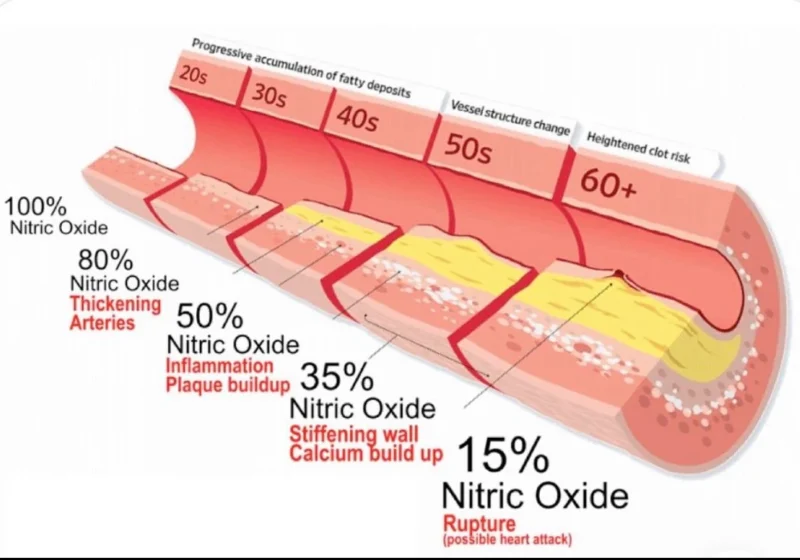
The vascular endothelium is a highly specialized, metabolically active organ that plays a pivotal role in cardiovascular homeostasis. It regulates vascular tone, platelet activity, leukocyte adhesion, oxidative balance, and thrombosis primarily through the synthesis of vasoactive mediators, notably nitric oxide (NO). In healthy individuals, endothelial cells maintain high NO bioavailability, which promotes vasodilation, inhibits smooth muscle proliferation, suppresses inflammation, and prevents platelet aggregation.
Epidemiological and mechanistic studies consistently demonstrate that endothelial dysfunction precedes overt atherosclerosis by decades. Flow-mediated dilation (FMD), a validated marker of endothelial function, declines progressively with age—approximately 0.5–1.0% per decade in low-risk populations—and is markedly impaired in individuals with traditional cardiovascular risk factors. Large cohort studies show that a 1% reduction in FMD is associated with an 8–13% increase in future cardiovascular events.
Reduced NO bioavailability is a hallmark of endothelial dysfunction and is strongly linked to atherosclerotic progression. Experimental and clinical data indicate that NO production may decline by 40–60% in middle-aged adults with metabolic syndrome or diabetes, accelerating lipid oxidation, vascular inflammation, and plaque formation. In advanced stages, severe NO depletion (<20% of physiological levels) is associated with arterial stiffening, plaque instability, and a significantly increased risk of thrombotic events.
Clinically, endothelial dysfunction independently predicts myocardial infarction, stroke, and cardiovascular mortality, even after adjustment for conventional risk factors. Meta-analyses involving over 20,000 patients demonstrate that impaired endothelial function confers a 1.7–2.3-fold higher risk of major adverse cardiovascular events. These findings underscore that endothelial health is not merely a marker but a central driver of cardiovascular disease complexity, progression, and clinical outcomes—making it a critical therapeutic target in modern preventive cardiology.”
More posts featuring Ney Carter Borges.
-
Sep 30, 2026, 14:41Bruna Gigante: Balancing Thrombosis and Bleeding in Cardiovascular Care
-
Sep 30, 2026, 14:13Ashok Choudhury: Portal Vein Thrombosis and Outcomes in Cirrhosis
-
Sep 30, 2026, 13:57Leslye Conde Bazán: When Conventional Imaging Is Not Enough – The Role of IVUS
-
Sep 30, 2026, 13:41Huda Salah Eldin: The Challenge of Balancing Antithrombotic Therapy After PCI
-
Sep 30, 2026, 13:29Abdus Salam: What Can CT Venography Reveal About the Veins?
-
Sep 30, 2026, 13:03Amira Mohy: Diagnostic Flow Cytometry Panels for Hematological Malignancies
-
Sep 30, 2026, 12:52Paul Watton: Could Repetitive Head Impacts Leave a Molecular Memory?
-
Sep 30, 2026, 12:41The Journey to ISTH 2027 Starts in Vancouver
-
Sep 30, 2026, 11:36Basit Ali: A Closer Look at CT Venography