

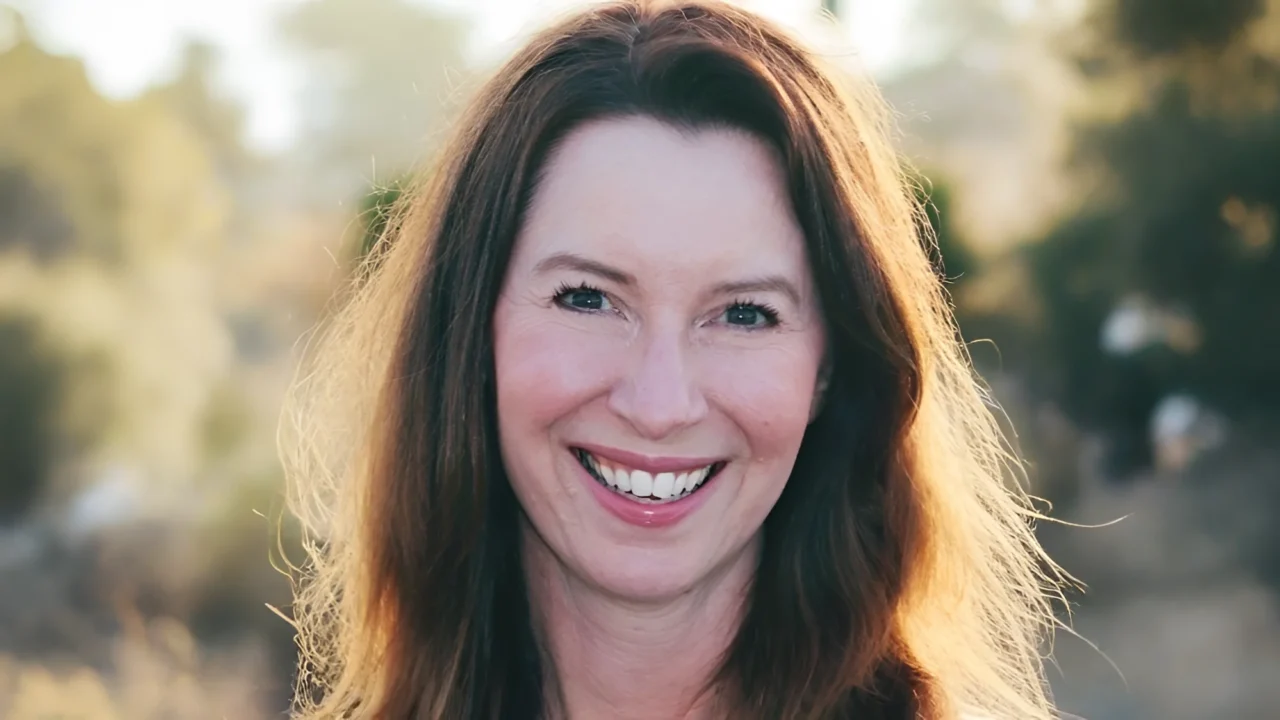
Mignon Fogarty: Understanding Aphasia and Language Disruption in Brain Injuries
Mignon Fogarty, Science Writer, Founder of Grammar Girl’s Quick and Dirty Tips for Better Writing, shared on LinkedIn:
”March is Brain Injury Awareness Month, and many people don’t know about the subtle ways that brain injuries can take people’s words.
For example, aphasia is a language disorder caused by damage to the brain — usually from a stroke, but also from infections, tumors, or head injuries.
And depending on where the damage happens, it can show up in very different ways.
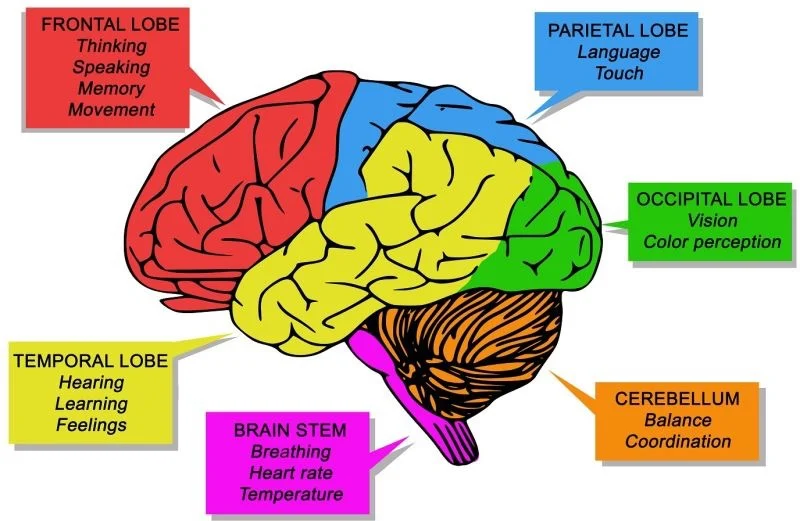
Damage in or near one area (often called Broca’s area) can make speech slow and effortful. People may drop small words like ‘the’ and ‘in.’
They often know what they want to say, but struggle to say it.
Damage in or near another area (often called Wernicke’s area) can look almost the opposite.
Speech can flow easily, but it may include the wrong words, made-up words, or sentences that don’t quite make sense.
Understanding language can be hard, too.
The people with brain injuries who participated in this research helped scientists understand how different parts of the brain control language.
And learning what brain injuries do to language is one step toward better treatments — and more compassion for people living with language disruption.
Drop a heart if you have known someone who struggled with language disruption. I have.”
Stay updated with Hemostasis Today.
-
Sep 30, 2026, 10:55Rana Al Hrout: Diagnostic Approach to Hypochromic Microcytic Anemia
-
Sep 30, 2026, 01:52Javed Anees: DADA2 – When a Young Stroke Is More Than a Stroke
-
Sep 30, 2026, 01:51How a Venous Thrombus Becomes Revascularized – ISTH
-
Sep 29, 2026, 22:45Victor Agunyego: Paracetamol – The Most Common Drug We Underestimate
-
Sep 29, 2026, 22:42Nova Sinclair: Advancing the Future of Hematology – Meet Our 2027 Organizing Committee
-
Sep 29, 2026, 22:41Lorenz Räber: Intracoronary Imaging in PCI – Why, When, How, and Which Modality?
-
Sep 29, 2026, 22:31Selma Turkovic: Pleased to Deliver the Opening Presentation at Kingston Hospital
-
Sep 29, 2026, 22:31Miguel Teran: Ultrasound and Simulation in Arterial Blood Sampling
-
Sep 29, 2026, 22:28Mohammad Refaei: Navigating Your Career in Hematology From Training to Practice