


Mohamed Sikkander Abdul Razak/LinkedIn
Mar 16, 2026, 15:08
Mohamed Sikkander Abdul Razak: Warning Signs of Vitamin Deficiencies
Mohamed Sikkander Abdul Razak, Professor at GKM College of Engineering Technology, shared a post on LinkedIn:
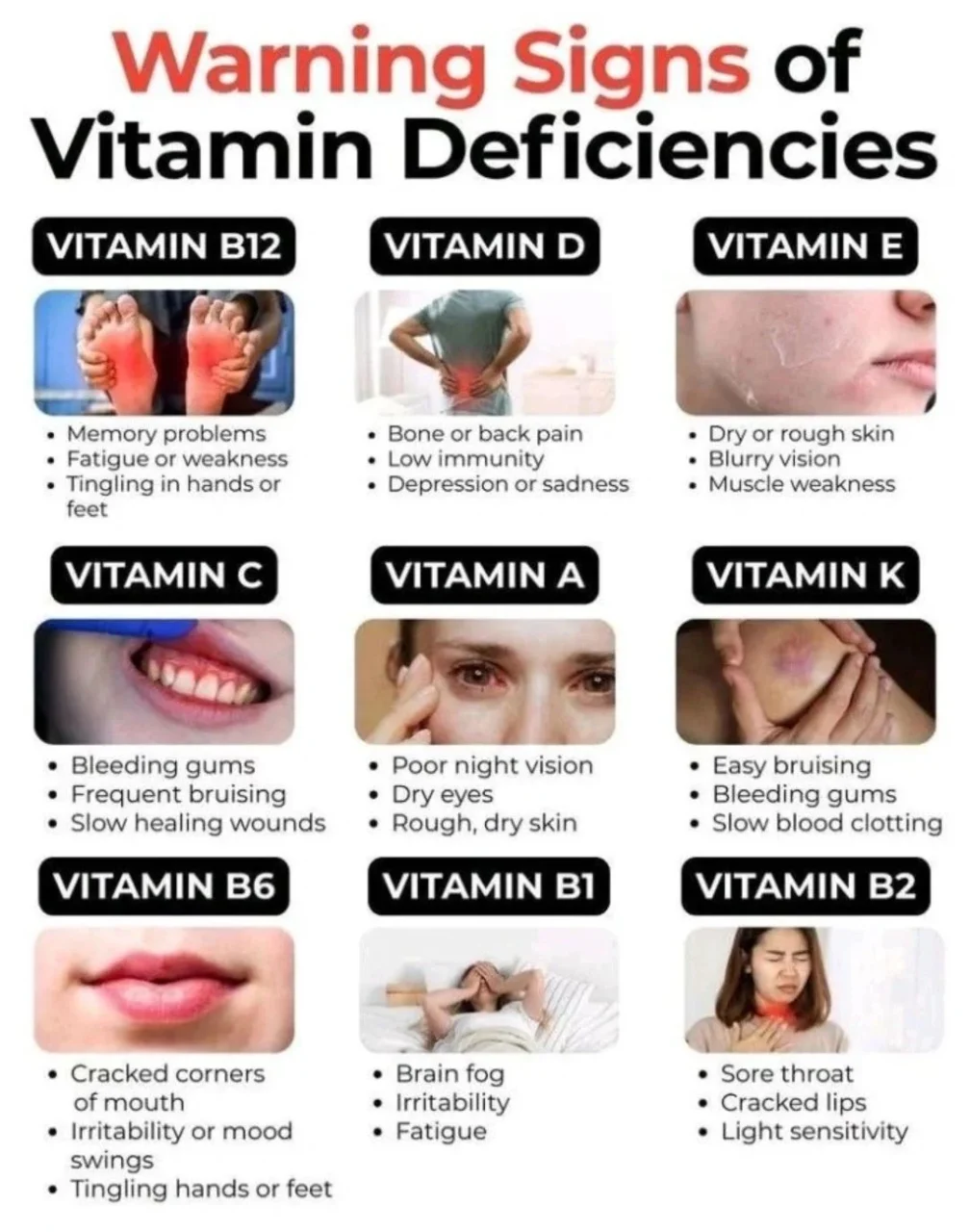
“Warning Signs of Vitamin Deficiencies:
1. Vitamin B12
- Memory problems
- Fatigue or weakness
- Tingling in hands or feet
2. Vitamin D
- Bone or back pain
- Low immunity
- Depression or sadness
3. Vitamin E
- Dry or rough skin
- Blurry vision
- Muscle weakness
4. Vitamin C
- Bleeding gums
- Frequent bruising
- Slow healing wounds
5. Vitamin A
- Poor night vision
- Dry eyes
- Rough, dry skin
6. Vitamin K
- Easy bruising
- Bleeding gums
- Slow blood clotting
7. Vitamin B6
- Cracked corners of mouth
- Irritability or mood swings
- Tingling hands or feet
8. Vitamin B1 (Thiamine)
- Brain fog
- Irritability
- Fatigue
9. Vitamin B2 (Riboflavin)
- Sore throat
- Cracked lips
- Light sensitivity
Next steps for addressing vitamin deficiencies
- Consult a healthcare professional: Get a blood test to confirm specific deficiencies and receive personalized advice.
- Dietary adjustments: Include foods rich in the deficient vitamin (e.g., leafy greens for Vitamin K, citrus fruits for Vitamin C).
- Supplementation: If needed, take supplements as recommended by a doctor, ensuring proper dosage.
- Lifestyle changes: Manage stress, ensure adequate sleep, and maintain a balanced diet for overall health.
Food sources and supplement tips for the vitamins in the image
1. Vitamin B12
- Foods: meat, fish, eggs, dairy, fortified cereals.
- Supplement tip: methylcobalamin or cyanocobalamin tablets; take with meals.
2. Vitamin D
- Foods: fatty fish (salmon), fortified milk, egg yolk, mushrooms.
- Supplement tip: Vitamin D3 (cholecalciferol); take with a fatty meal for better absorption.
3. Vitamin E
- Foods: nuts (almonds), seeds, spinach, avocado, vegetable oils.
- Supplement tip: mixed tocopherols; avoid high doses without medical advice.
4. Vitamin C
- Foods: citrus fruits, strawberries, bell peppers, broccoli.
- Supplement tip: ascorbic acid; take in divided doses for better absorption.
5. Vitamin A
- Foods: liver, carrots, sweet potatoes, dark leafy greens (beta-carotene).
- Supplement tip: retinyl acetate or beta-carotene; monitor dosage to avoid toxicity.
6. Vitamin K
- Foods: kale, spinach, broccoli, Brussels sprouts, fermented foods.
- Supplement tip: Vitamin K2 (menaquinone); useful for bone health.
7. Vitamin B6
- Foods: poultry, fish, potatoes, bananas, chickpeas.
- Supplement tip: pyridoxine; check dosage to prevent nerve issues.
8. Vitamin B1 (Thiamine)
- Foods: whole grains, pork, legumes, nuts.
- Supplement tip: thiamine mononitrate; take with meals.
9. Vitamin B2 (Riboflavin)
- Foods: eggs, dairy, lean meats, green leafy vegetables.
- Supplement tip: riboflavin; best absorbed with food.”
Find more posts featuring Mohamed Sikkander Abdul Razak on Hemostasis Today.
-
Sep 19, 2026, 10:46Anton Farkas: Mechanical Thrombectomy for Acute PE in Early Pregnancy
-
Sep 19, 2026, 10:40Marjolein Smidt: ASH Raises Ferritin Thresholds for Iron Deficiency
-
Sep 19, 2026, 10:34Nawsherwan Mohammad: ASH 2026 Guidelines Redefine How We Detect Iron Deficiency
-
Sep 19, 2026, 10:21Upcoming Podcast on Thalassaemia with The Lancet Haematology
-
Sep 19, 2026, 10:20Steve Helm: Cardiology and Anticoagulation Pharmacist Role Opens Near NYC
-
Sep 19, 2026, 10:12Omid Seidizadeh: A Great Pleasure to Speak on vWD at the 59th NordCoag Congress
-
Sep 19, 2026, 10:08Carsten Hansen: What Happens During a Sickle Cell Crisis?
-
Sep 19, 2026, 10:05Alan Nurden: Thyroid Hormones as Regulators of Acute Platelet Release
-
Sep 19, 2026, 10:02Oliver Weingärtner: What Can Real-World Data Teach Us about Long-Term Treatment Persistence in CP?