

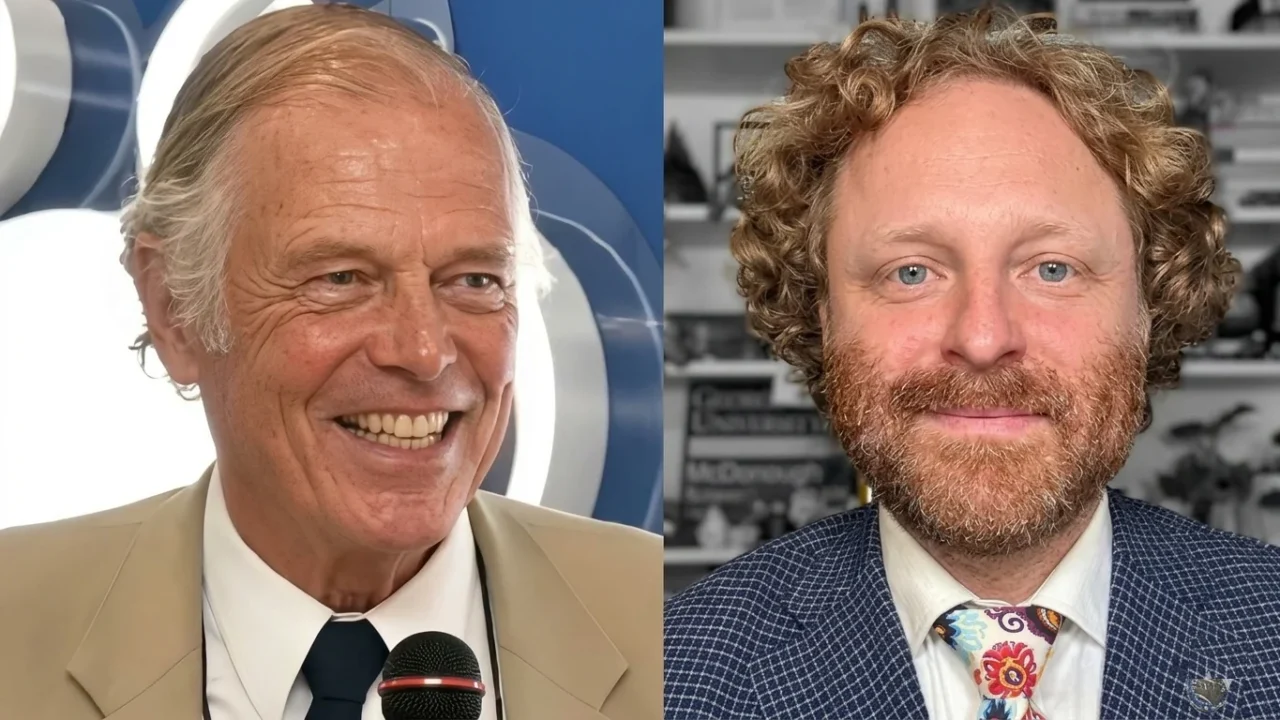
David McIntosh: Moving Beyond Doubts and Ensuring the Safety of Plasma Donation
David McIntosh, Founder and Chair of United Plasma Action, shared on LinkedIn about a recent article by Peter Jaworski, adding:
”The safety of plasma donation.
This interesting publication in Professor Jaworski‘s substack is full of relevant data – and hugely encouraging for anyone who might have been harbouring doubts about the safety of plasma donation by pheresis.
The footnote that I believe it may be helpful to add is as follows:
- The safety of all donations, both patient safety and donor safety – depends on good practice; thoroughly good practice all down the line, from donor health screening to patient treatment.
Every step of the way, risk avoidance and mitigation must be top priorities.
- The safety of those processes is not affected by the colour of the donor’s socks. It is not affected by the brand of tea provided post-donation, nor the type of biscuit served.
Nor is it affected by administrative details such as donor motivation, recognition or reward, or whether or not the collection organisation works for- or not-for-profit.
All collectors are subject to the same rigorous Safety and Quality obligations.
- Where there are safety risks – as in almost any human activity there are bound to be – these will not be mitigated by dispersing incense, sounding bells or burning candles.
Nor will they be mitigated by preaching ‘altruistic’ donation.
(By all means feel free to sing your favourite hymn while donating, but please be aware that there are much more scientific precautions already being taken on your behalf, as a matter of routine – precautions that have nothing to do with attitudes to donor motivation or reward….. )
- This most recent study was clearly motivated by some lingering notion that somehow the sector of the international plasma community that produces and delivers some 90% of the World’s current supplies for patients is – or might be – defective in some way; might pose a serious risk either to patients or donors, or both.
This notion is patently utterly absurd, but is constantly propagated by not-for-profit sector interests, for reasons that are not always clear, but almost certainly have more to do with not-for-profit organisational funding and survival than they have to do with any genuine concern about safety of any kind.
- Meanwhile – amidst all the earnest talk about irrelevant details – millions of patients in the World who desperately need plasma-derived medicines, simply aren’t getting any.
Could the commercial and the not-for-profit folks please get together and decide to tackle the real problems – not argue about illusory ones?”
Stay updated with Hemostasis Today.
-
Sep 25, 2026, 15:23Bringing Hope and Treatment Access to Morocco’s Hemophilia Community – World Federation of Hemophilia
-
Sep 25, 2026, 15:22Alejandro González Veliz: Targeting Atherosclerosis Before the First Event
-
Sep 25, 2026, 15:00Sarah Richardson: Finding Strength Through Bleeding Disorders Advocacy
-
Sep 25, 2026, 14:54James Fildes: Modeling Device Related Thrombosis in Multi Organ Systems
-
Sep 25, 2026, 14:51Platelet Metabolic Reprogramming: How Cellular Energy Drives Thrombosis
-
Sep 25, 2026, 14:46Thomas Maxwell: From Hemophilia Shame to Strength – Walking for Bleeding Disorders
-
Sep 25, 2026, 14:35Sarita Rani Jaiswal: Sharing Basic Science Insights at EBMT HWP 2026
-
Sep 25, 2026, 14:12Managing Breakthrough Bleeds in Hemophilia – National Bleeding Disorders Foundation
-
Sep 25, 2026, 13:50Alejandro González Veliz: Beyond the Golden Hour in Stroke Care