

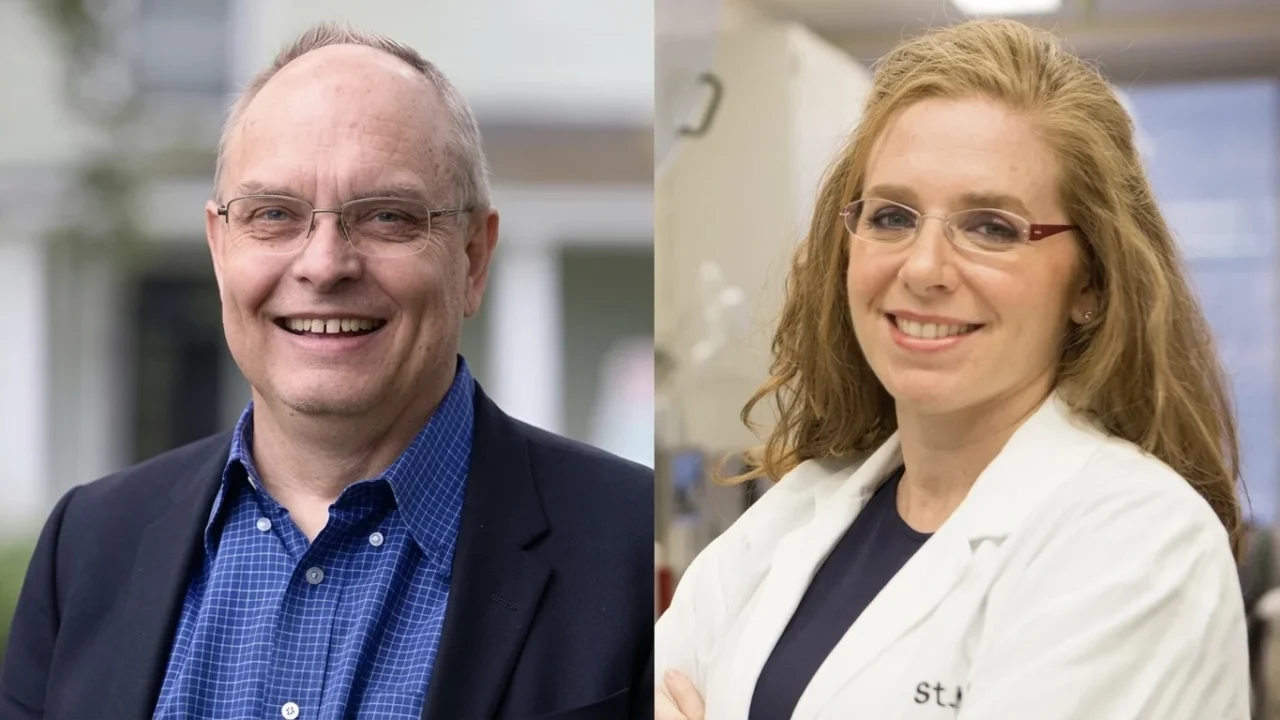
Mark Crowther: Iron Deficiency in Women Is Extraordinarily Common, Highly Symptomatic, and Still Widely Underrecognized
Mark Crowther, Distinguished University Professor and Chair, Department of Medicine at McMaster University, reposted from ASH on LinkedIn:
”Iron deficiency in women is extraordinarily common, highly symptomatic, and still widely underrecognized and undertreated.
It is also one of the easiest causes of significant morbidity to diagnose and treat—especially now, with multiple highly effective and accessible iron therapies that can deliver dramatic improvement in a short time.
Working closely with Michelle Sholzberg, her team, and many others, I’ve been honoured to help push this agenda through the Canadian Institute for the Transfer of Knowledge and beyond.
It is wonderful to see the American Society of Hematology on board!!
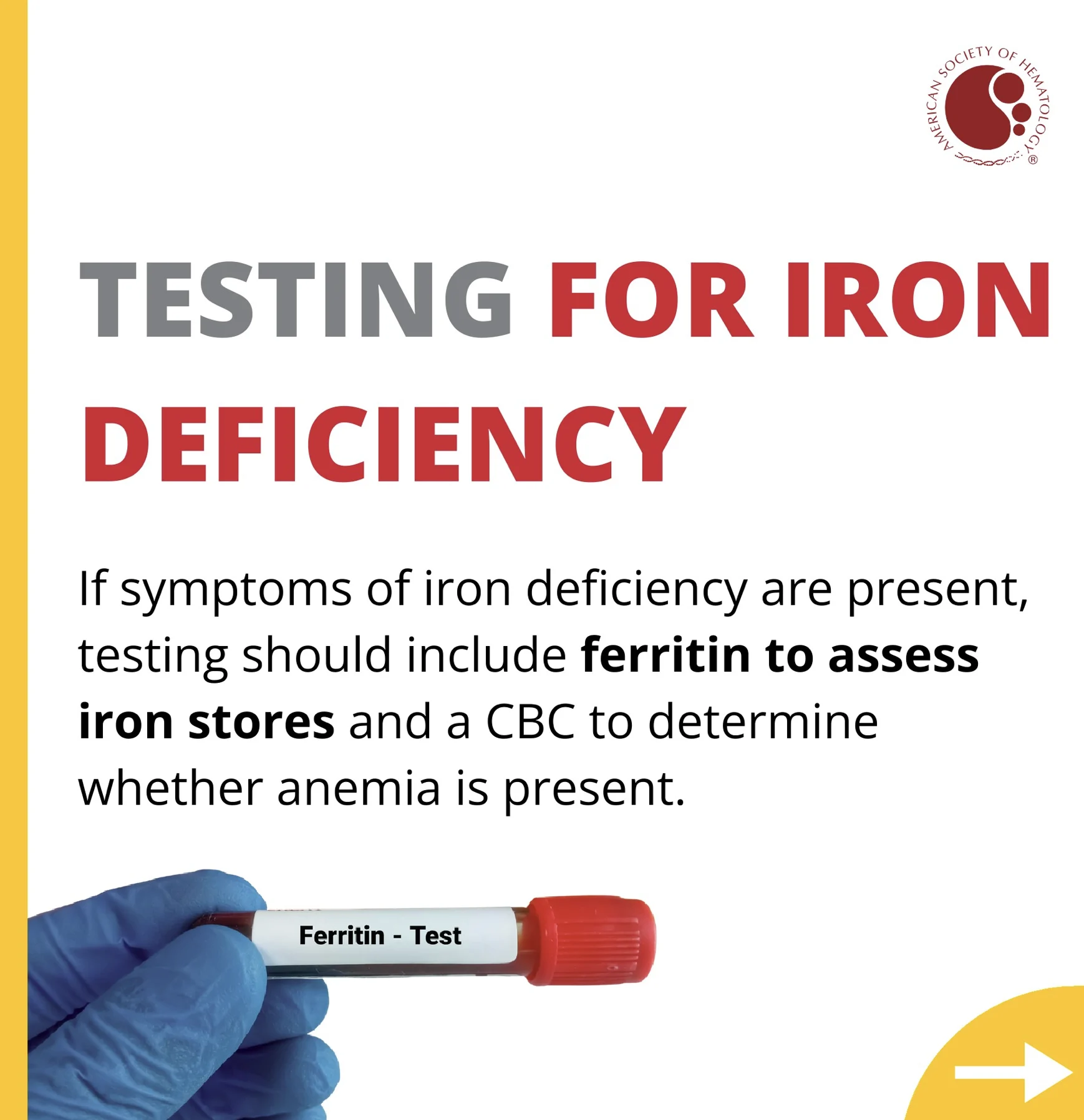
Testing for iron deficiency anemia is simple, reliable, and low-risk. If you think this might apply to you, go get tested.
There is essentially no downside, and the potential upside is life-changing.
A few weeks ago, I spoke with a healthcare professional who had never been asked about iron deficiency anemia or heavy menstrual bleeding.
A 10‑minute conversation led to diagnosis and treatment (for both) and, by her own account, has completely changed her life.”
Quoting American Society of Hematology (ASH)‘s post:
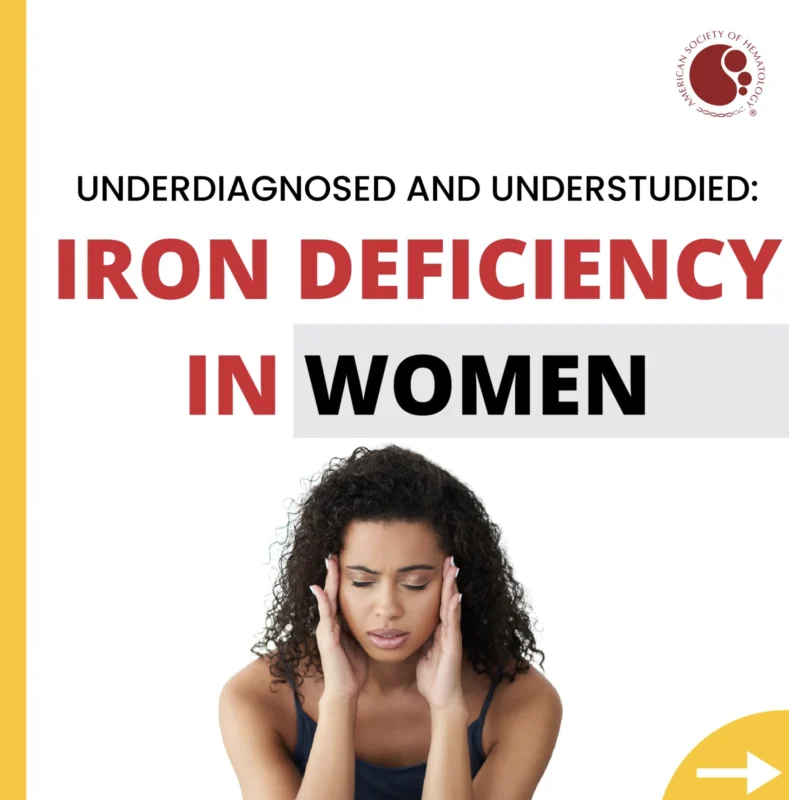
”During this Women’s History Month, ASH is highlighting the impact of iron deficiency in women.
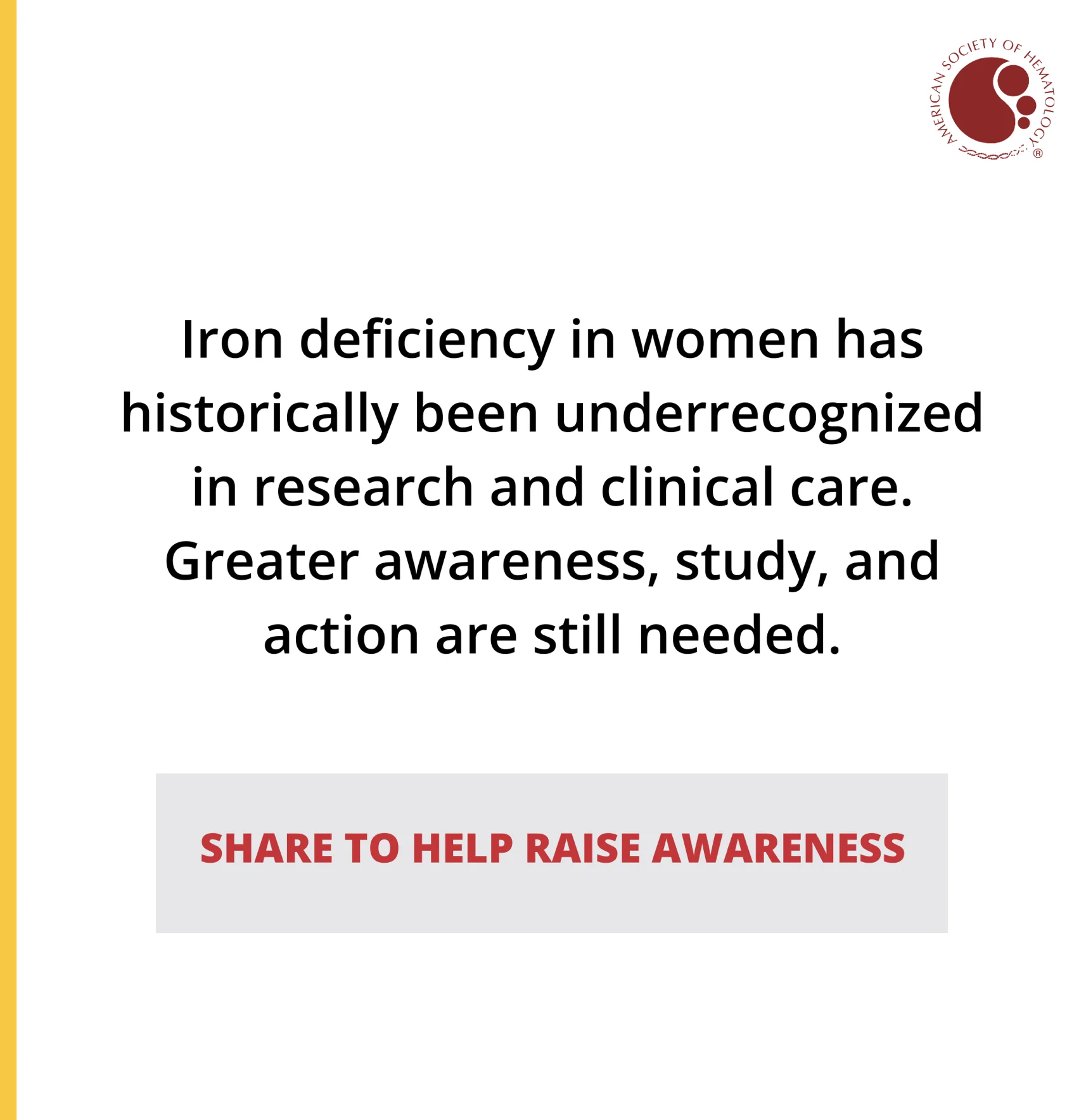
Despite how common and clinically significant it is, iron deficiency has historically received too little attention in research and clinical care.
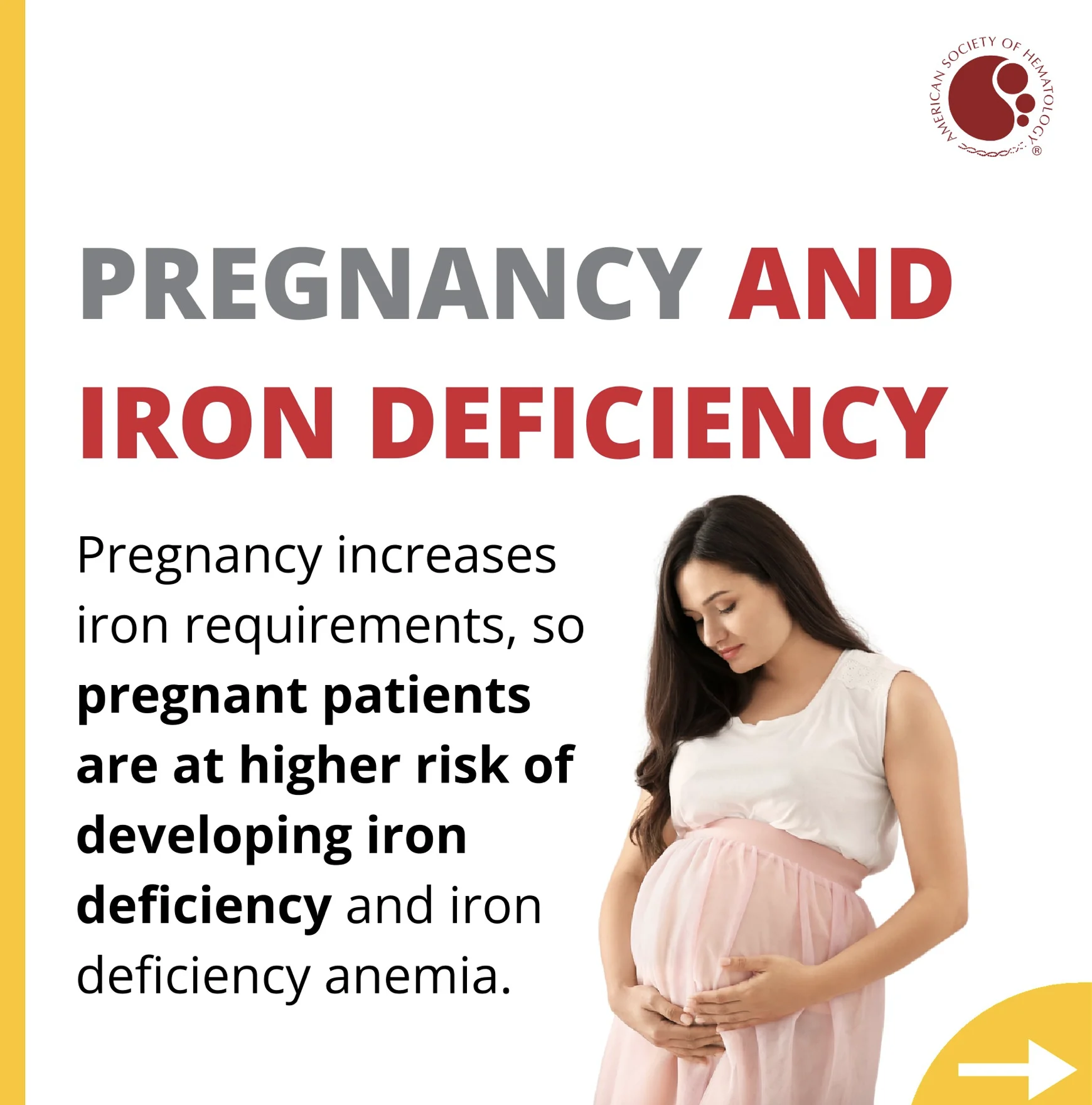
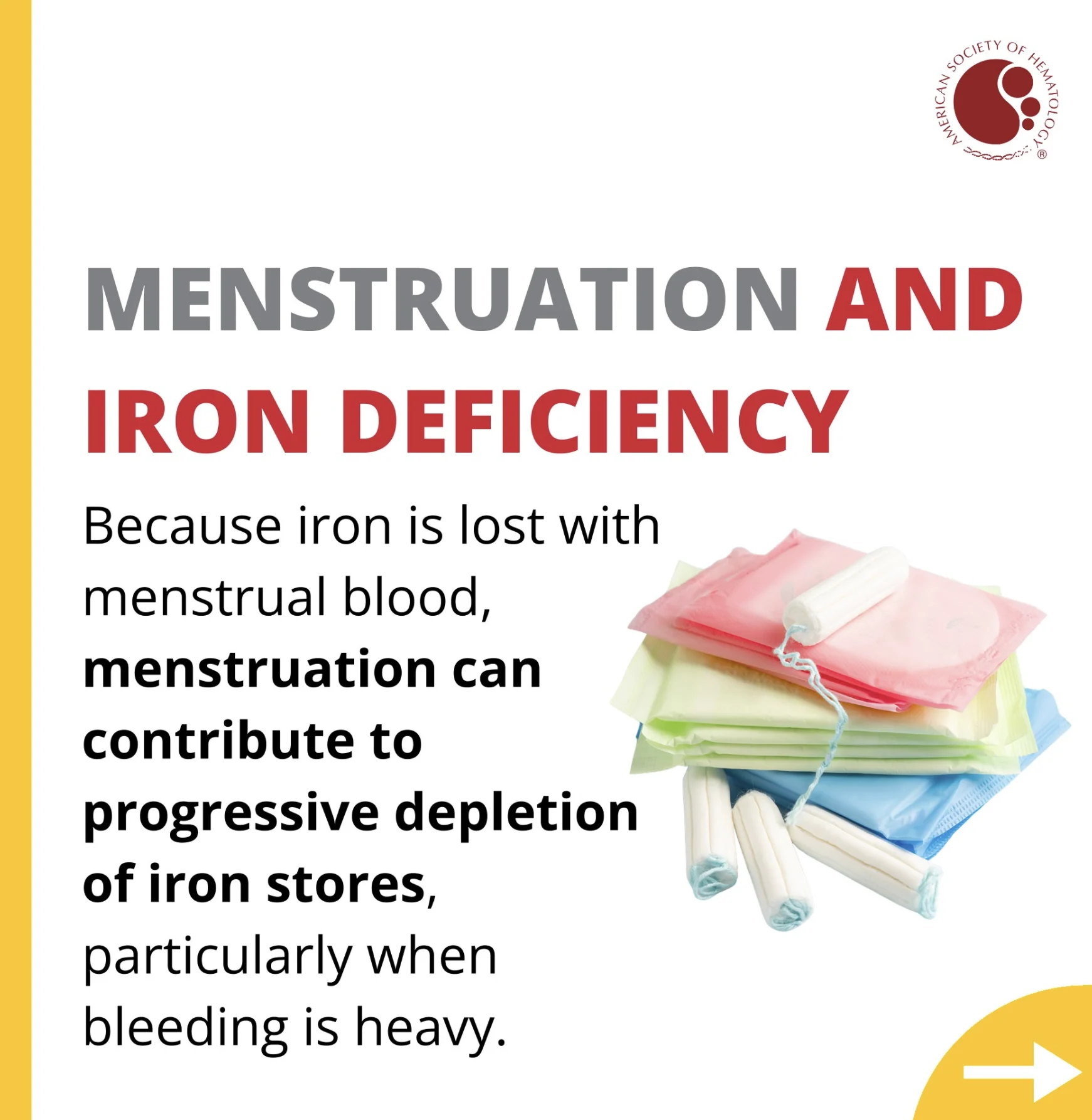
Women who menstruate or become pregnant are disproportionately affected during the reproductive years, when iron loss and requirements increase.
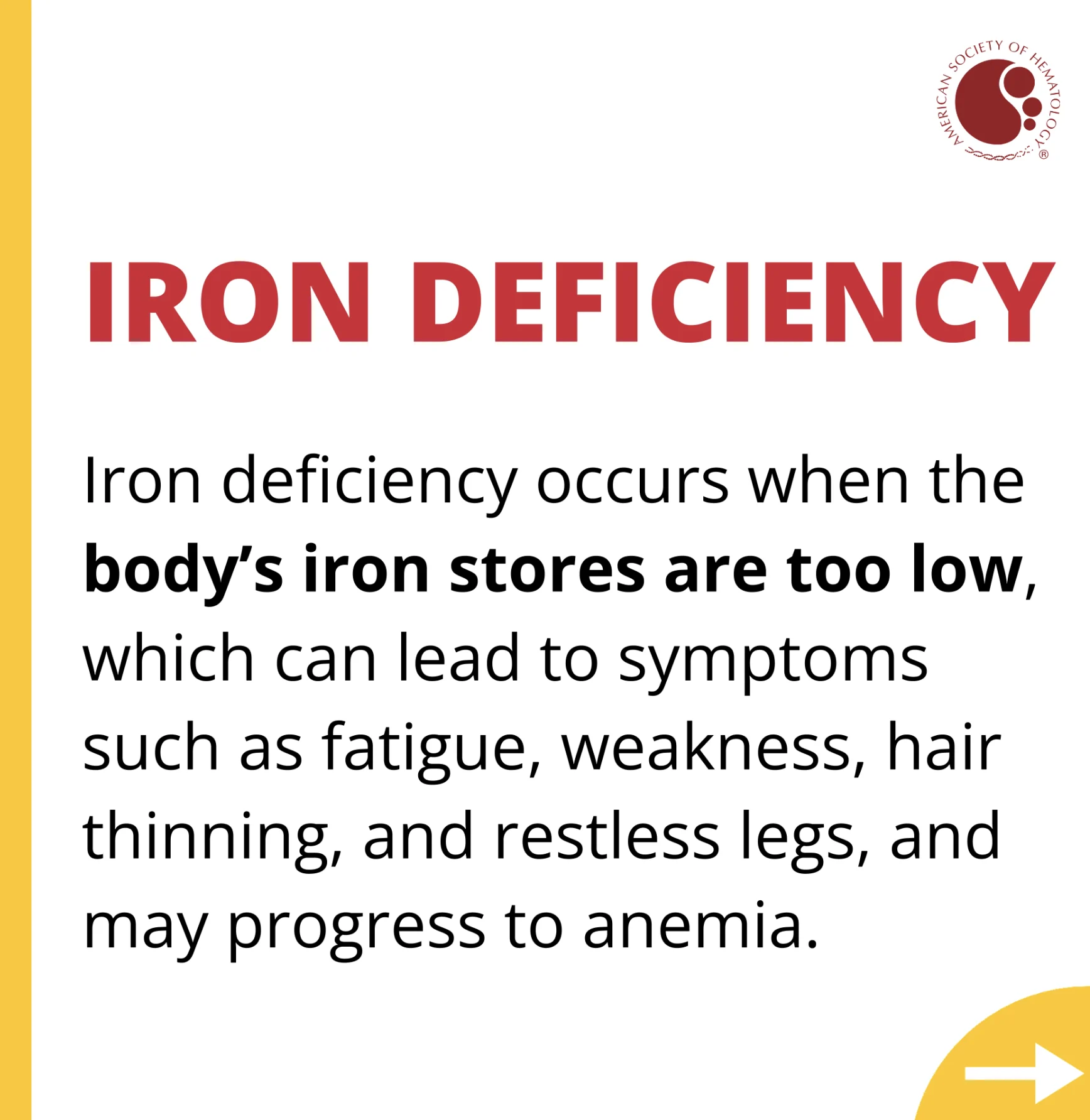
Iron deficiency can also cause symptoms even before anemia develops, including fatigue, weakness, hair thinning, low mood, and restless legs.
Greater awareness, earlier recognition, and continued research are needed to improve care and outcomes.
Share this post to help raise awareness and learn more.”
Stay updated with Hemostasis Today.
-
Sep 30, 2026, 01:52Javed Anees: DADA2 – When a Young Stroke Is More Than a Stroke
-
Sep 30, 2026, 01:51How a Venous Thrombus Becomes Revascularized – ISTH
-
Sep 29, 2026, 22:45Victor Agunyego: Paracetamol – The Most Common Drug We Underestimate
-
Sep 29, 2026, 22:42Nova Sinclair: Advancing the Future of Hematology – Meet Our 2027 Organizing Committee
-
Sep 29, 2026, 22:41Lorenz Räber: Intracoronary Imaging in PCI – Why, When, How, and Which Modality?
-
Sep 29, 2026, 22:31Selma Turkovic: Pleased to Deliver the Opening Presentation at Kingston Hospital
-
Sep 29, 2026, 22:31Miguel Teran: Ultrasound and Simulation in Arterial Blood Sampling
-
Sep 29, 2026, 22:28Mohammad Refaei: Navigating Your Career in Hematology From Training to Practice
-
Sep 29, 2026, 22:27Matteo Foschi: 10 Clinical Pearls for Antithrombotic Therapy in Secondary Stroke Prevention