

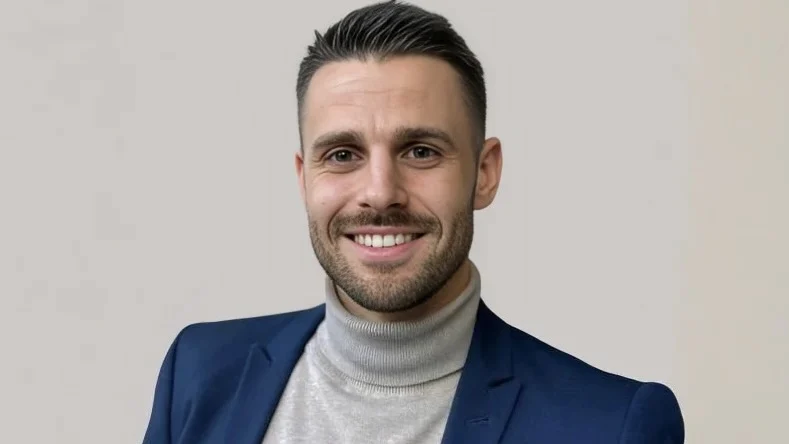
Maxime Dely: Anticoagulant Is an Invisible Yet Essential Ally of Therapeutic Apheresis
Maxime Dely, Sales and Application Specialist in Therapeutic Apheresis and Cell Therapy, shared a post on LinkedIn:
”Anticoagulant: the invisible yet essential ally of therapeutic apheresis
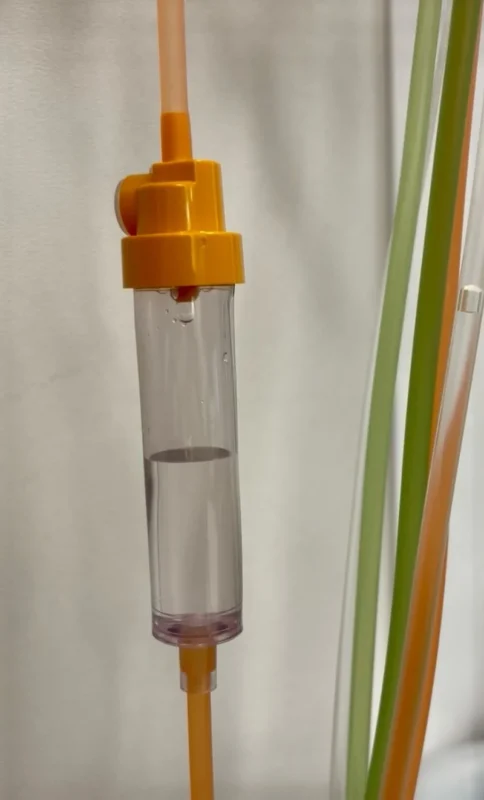
At first glance, one might think it’s normal saline.
Pearling drops, a steady flow, almost reassuring. And yet… what you’re seeing is far more than a simple solution.
It is an anticoagulant, a fundamental pillar of therapeutic apheresis procedures: ACD-A (Acid Citrate Dextrose – Solution A).
Its mission is clear and essential: to prevent blood from clotting in the extracorporeal circuit during apheresis.
Without it, safe blood processing would simply not be possible.
In practice, anticoagulation ratios can be adjusted depending on the procedure. But not all procedures are equal in terms of duration.
Plasma exchange or red cell exchange typically last 1 to 2 hours.
However, during hematopoietic stem cell collections or lymphocyte collections for CAR-T cell manufacturing, patients may remain connected to the machine for 3 to 6 hours, sometimes processing up to three mass of total blood volumes to achieve the required cell yield.
The specificity of ACD-A?
Citrate chelates calcium, which may lead to hypocalcemia: perioral tingling, metallic taste, chills, tremors… and potentially more severe symptoms if not anticipated.
This is why true expertise in apheresis is essential.
Optimizing a procedure means finding the right balance between collection efficiency, clinical safety, and patient comfort.
It requires close collaboration between nurses, physicians… and industry partners.
Because in apheresis, every single drop matters.”
Stay updated with Hemostasis Today.
-
Sep 30, 2026, 01:52Javed Anees: DADA2 – When a Young Stroke Is More Than a Stroke
-
Sep 30, 2026, 01:51How a Venous Thrombus Becomes Revascularized – ISTH
-
Sep 29, 2026, 22:45Victor Agunyego: Paracetamol – The Most Common Drug We Underestimate
-
Sep 29, 2026, 22:42Nova Sinclair: Advancing the Future of Hematology – Meet Our 2027 Organizing Committee
-
Sep 29, 2026, 22:41Lorenz Räber: Intracoronary Imaging in PCI – Why, When, How, and Which Modality?
-
Sep 29, 2026, 22:31Selma Turkovic: Pleased to Deliver the Opening Presentation at Kingston Hospital
-
Sep 29, 2026, 22:31Miguel Teran: Ultrasound and Simulation in Arterial Blood Sampling
-
Sep 29, 2026, 22:28Mohammad Refaei: Navigating Your Career in Hematology From Training to Practice
-
Sep 29, 2026, 22:27Matteo Foschi: 10 Clinical Pearls for Antithrombotic Therapy in Secondary Stroke Prevention