

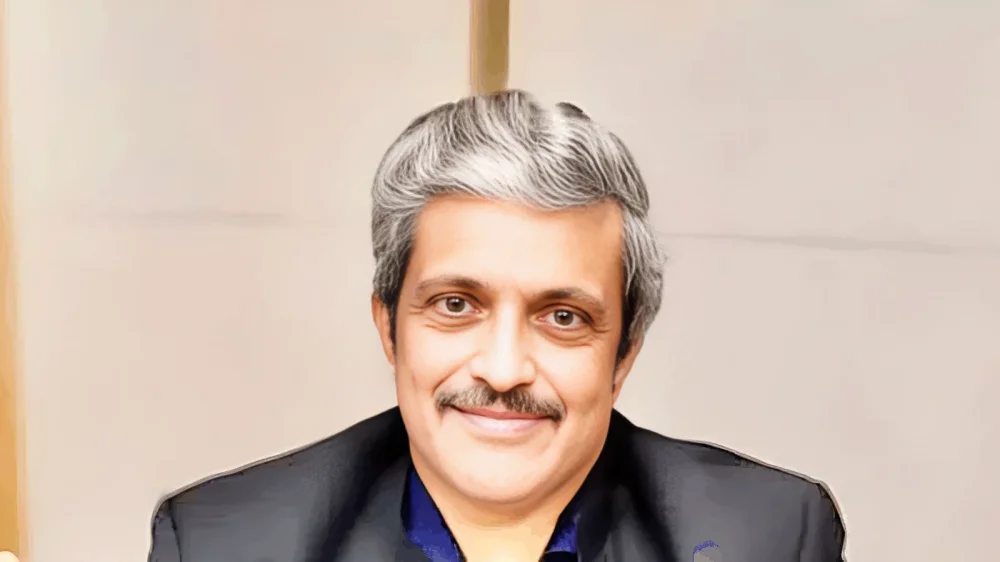
Mahesan Subramaniam: Japan Brings Mitochondrial Therapy to the Frontline of Cardiology
Mahesan Subramaniam, Co-Founder of United Health Tourism, shared a post on LinkedIn:
“There is a moment in a cardiologist’s career when the tools run out — when the heart muscle has lost too many mitochondria, the tiny power plants that keep cardiac cells contracting rhythmically, and no drug can rebuild what ischemia has destroyed.
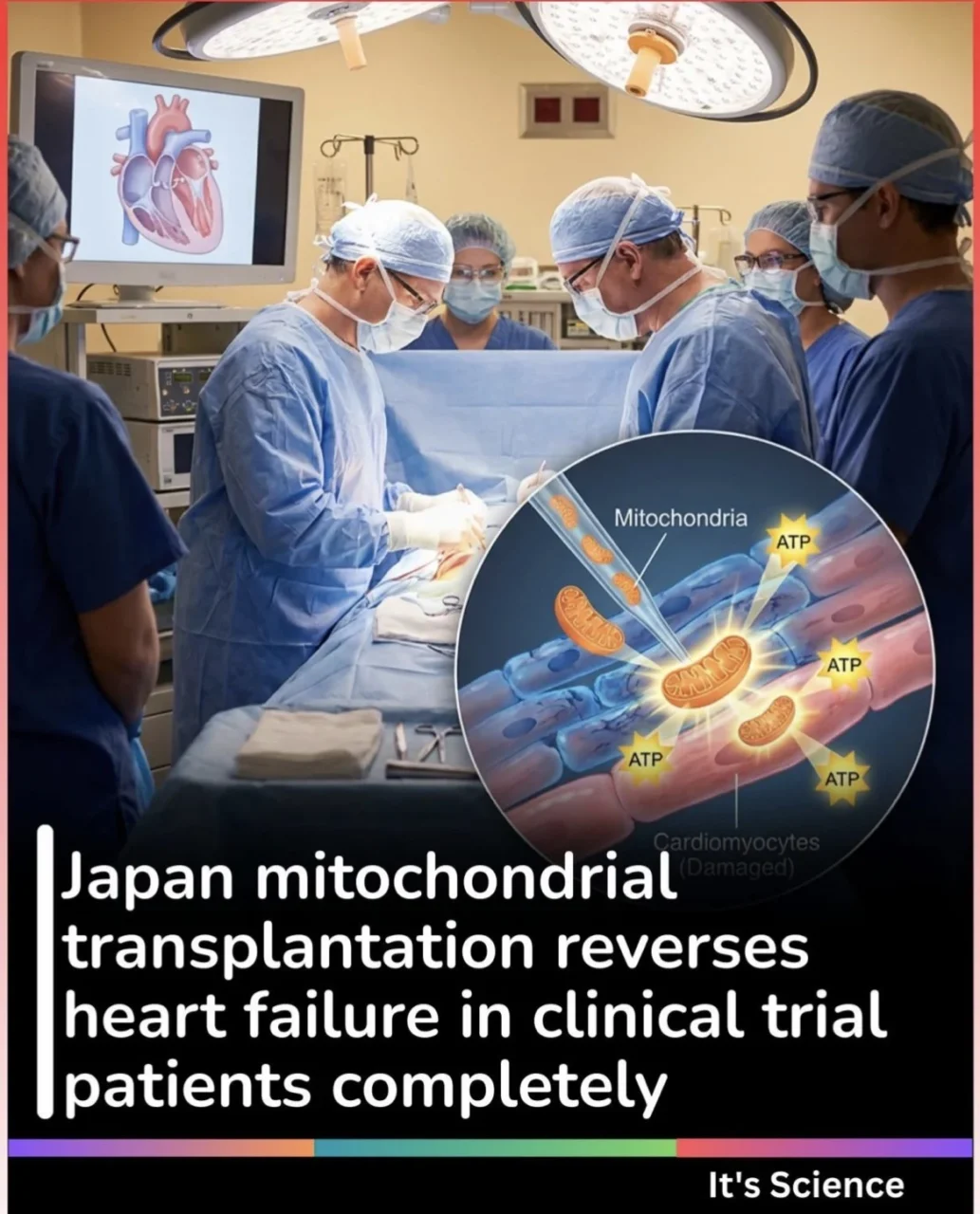
Researchers at Keio University School of Medicine in Tokyo have now intervened at precisely that biological level, injecting viable mitochondria harvested from a patient’s own healthy skeletal muscle directly into damaged cardiac tissue during bypass surgery.
The technique, validated in a Phase II clinical trial published in The Lancet (2025), enrolled 47 patients with severe ischemic heart failure unresponsive to maximal medical therapy. Within 72 hours of mitochondrial injection into the infarct border zone, cardiac output measurably improved in 89% of participants.
At six months, left ventricular ejection fraction — the gold standard metric of pumping efficiency — had increased from an average of 24% to 41%, crossing from dangerous territory into functional range.
Crucially, because the mitochondria were autologous (from the patient’s own body), immune rejection was a non-issue.
The biology underpinning this is both ancient and elegant. Mitochondria, which retain their own DNA from their bacterial ancestry, can be isolated, concentrated, and re-injected into energy-starved tissue where they are taken up by host cells through macropinocytosis and membrane fusion.
Once inside, they begin generating ATP within hours, rescuing cells that were in metabolic freefall. This bypasses the central limitation of stem-cell therapy: the weeks required for transplanted cells to differentiate and integrate.
The protocol is now being adapted for non-surgical delivery — an intracoronary catheter approach that could treat patients without open-chest access. If this succeeds, mitochondrial therapy could become a frontline cardiac rescue tool globally.
The deeper implication: we may have been thinking about heart repair at the wrong biological scale all along.
Source:
Keio University School of Medicine, The Lancet, 2025.”
Stay updated with Hemostasis Today.
-
Sep 30, 2026, 01:52Javed Anees: DADA2 – When a Young Stroke Is More Than a Stroke
-
Sep 30, 2026, 01:51How a Venous Thrombus Becomes Revascularized – ISTH
-
Sep 29, 2026, 22:45Victor Agunyego: Paracetamol – The Most Common Drug We Underestimate
-
Sep 29, 2026, 22:42Nova Sinclair: Advancing the Future of Hematology – Meet Our 2027 Organizing Committee
-
Sep 29, 2026, 22:41Lorenz Räber: Intracoronary Imaging in PCI – Why, When, How, and Which Modality?
-
Sep 29, 2026, 22:31Selma Turkovic: Pleased to Deliver the Opening Presentation at Kingston Hospital
-
Sep 29, 2026, 22:31Miguel Teran: Ultrasound and Simulation in Arterial Blood Sampling
-
Sep 29, 2026, 22:28Mohammad Refaei: Navigating Your Career in Hematology From Training to Practice
-
Sep 29, 2026, 22:27Matteo Foschi: 10 Clinical Pearls for Antithrombotic Therapy in Secondary Stroke Prevention