


Kalpana Gupta Shekhawat: Low Ferritin and Its Impact on Dopamine Signaling
Kalpana Gupta Shekhawat, Chairperson at the Functional and Metabolic Medicine Academy, Gurugram, India, shared a post on LinkedIn:
“Low Ferritin and Its Impact on Dopamine Signaling
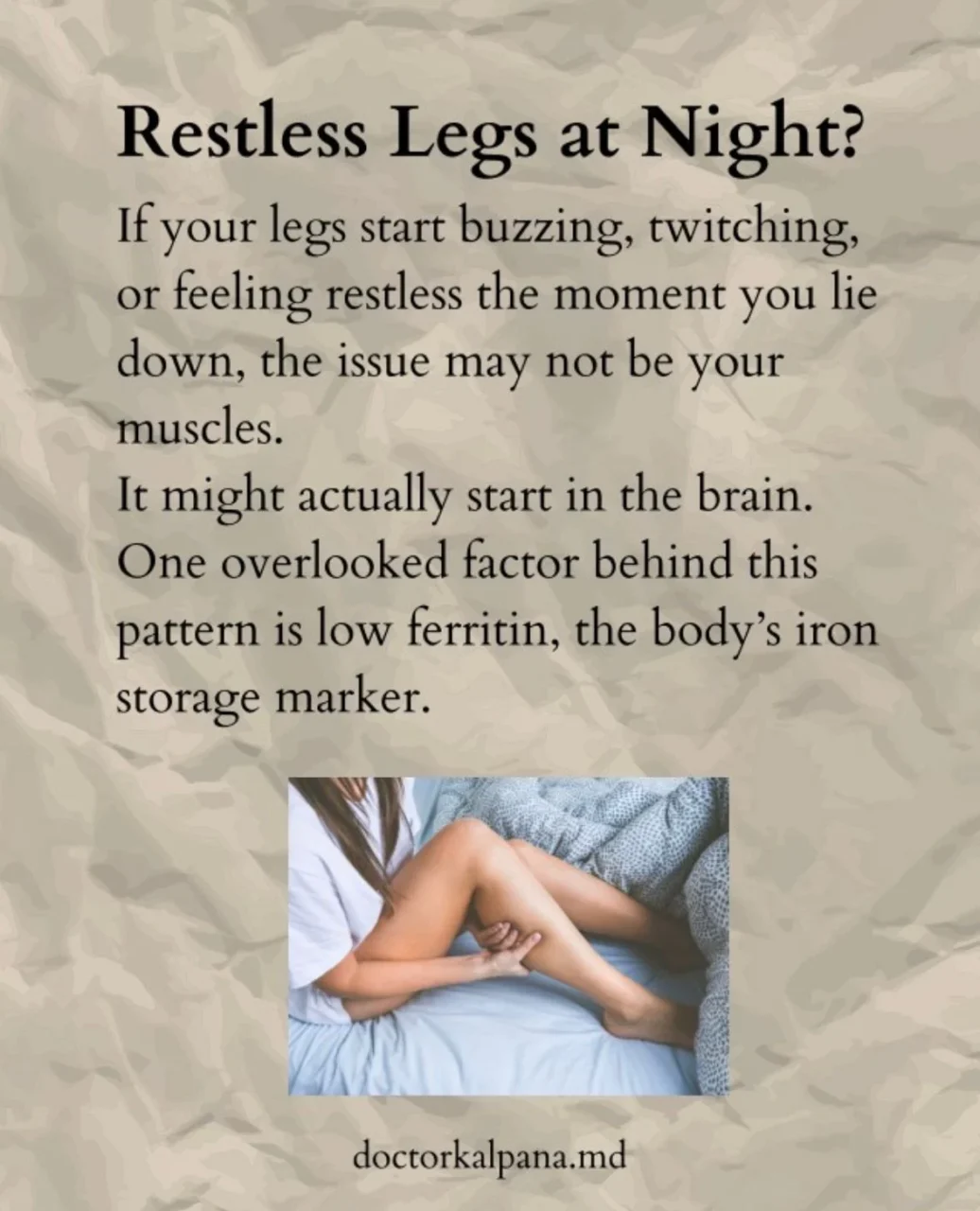
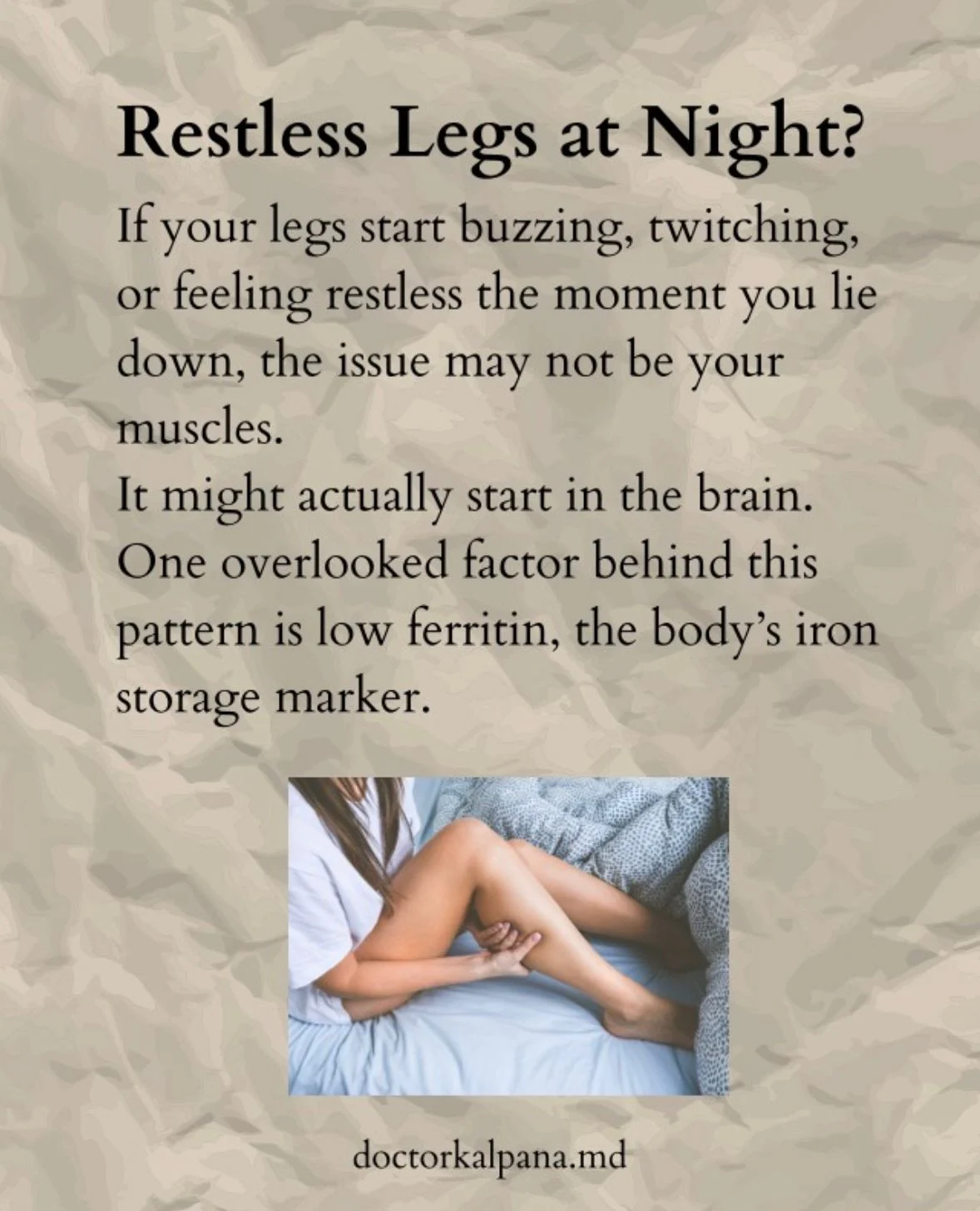
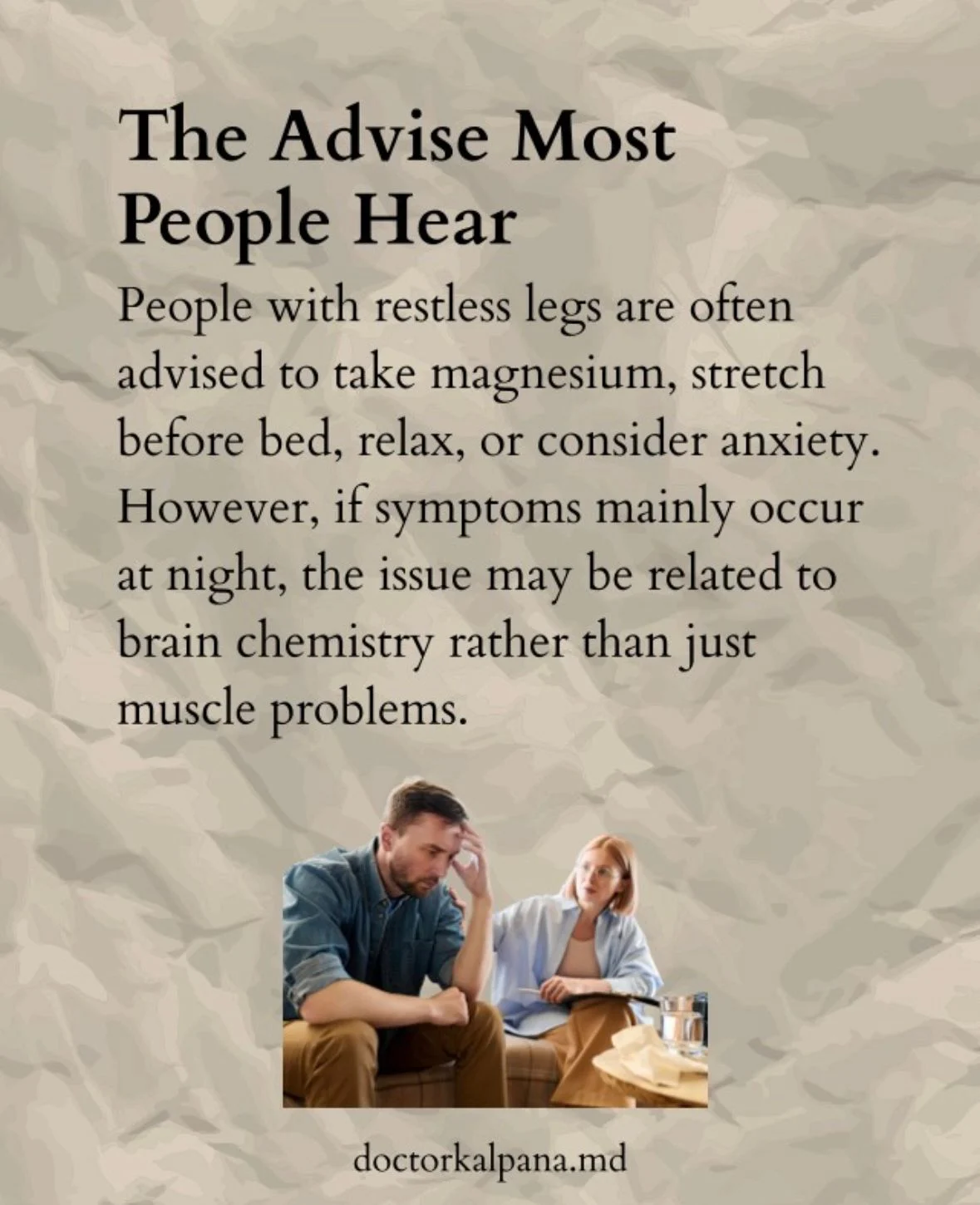
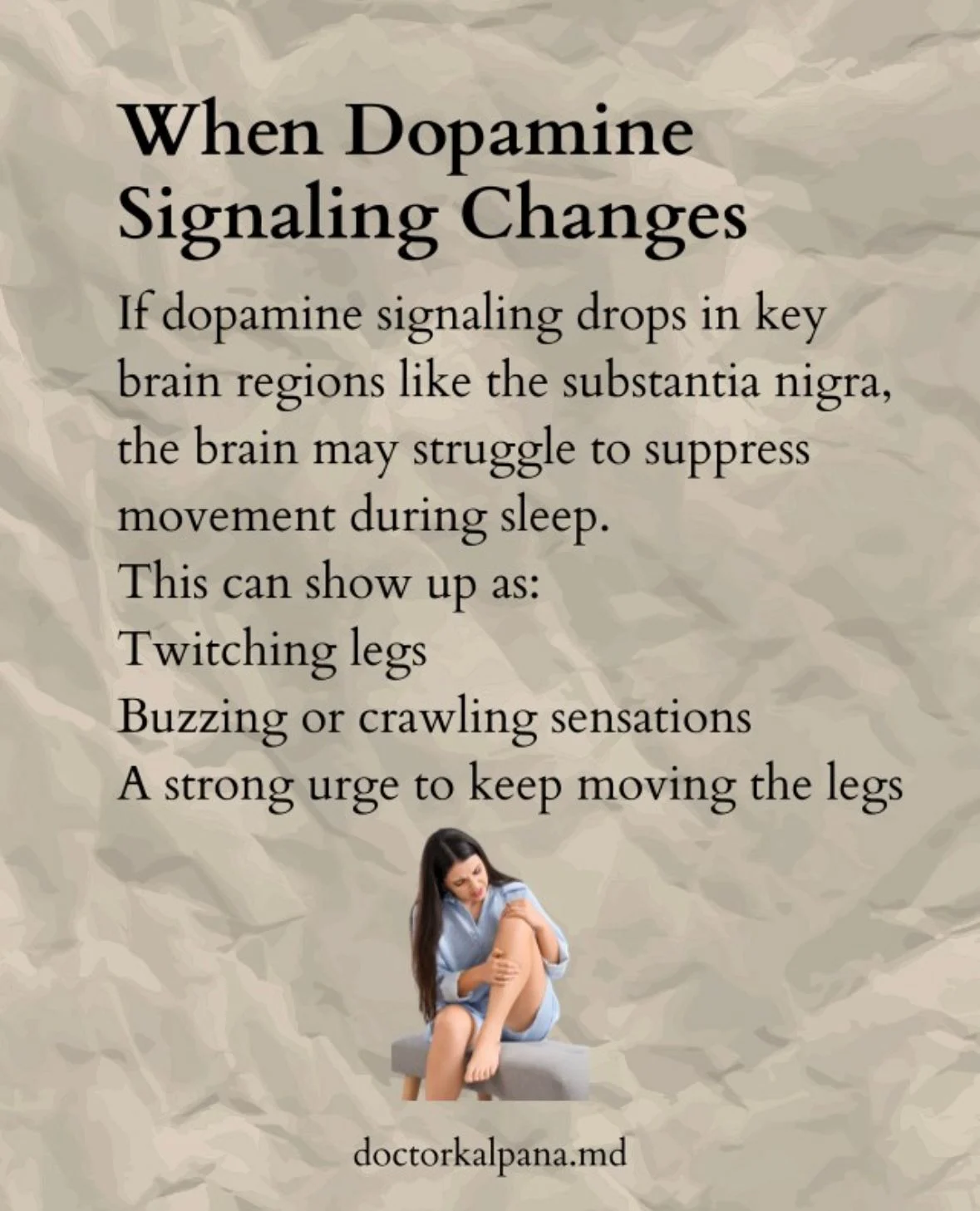
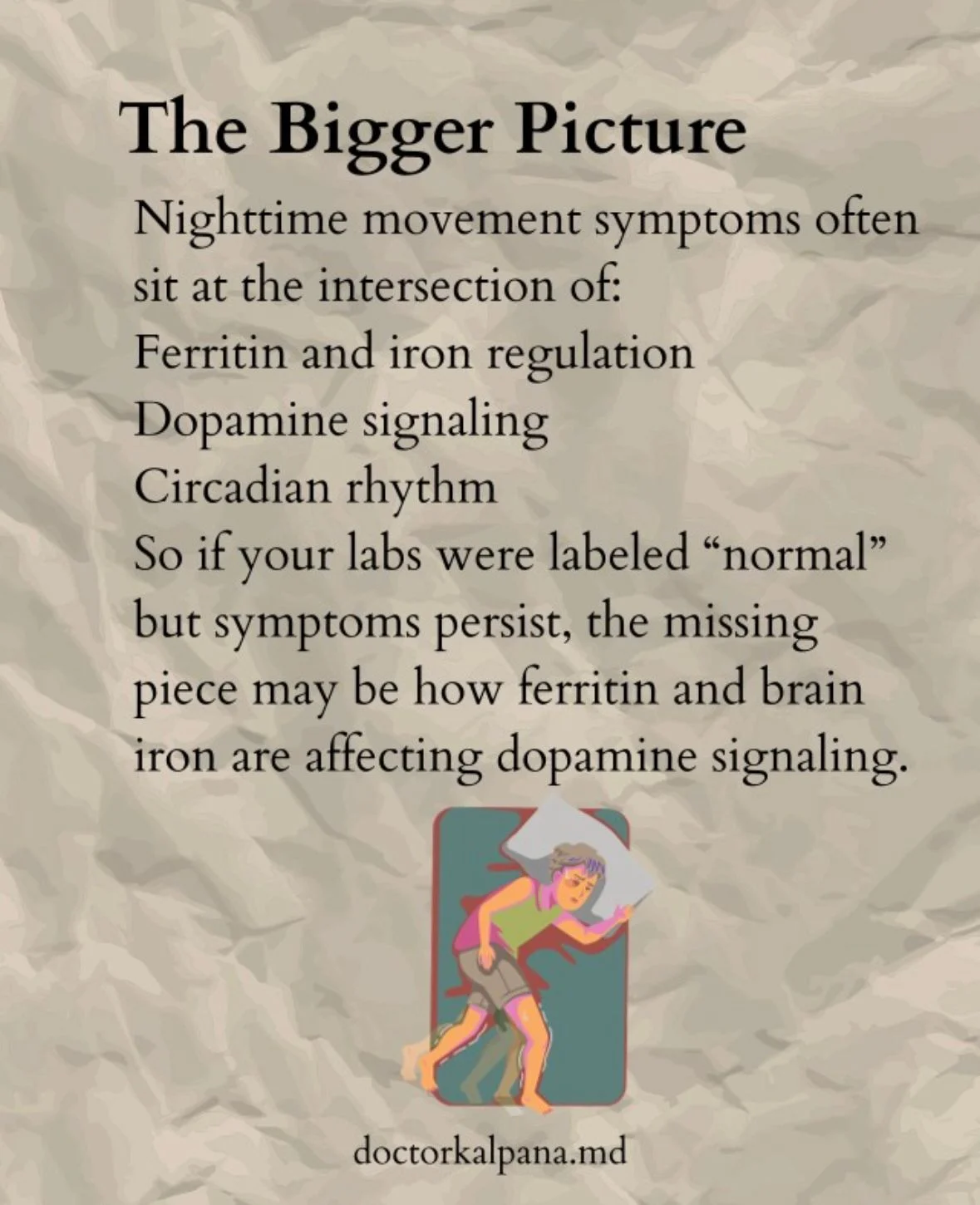
Nighttime restlessness in the legs is often simplified-magnesium, stretching, or stress are commonly blamed.
While these approaches can offer relief in some cases, they don’t fully explain a pattern many individuals describe: an urge to move the legs that appears predominantly at night, just as the body is trying to settle into rest.
When symptoms follow this timing, it is worth looking beyond the muscles and considering the brain.
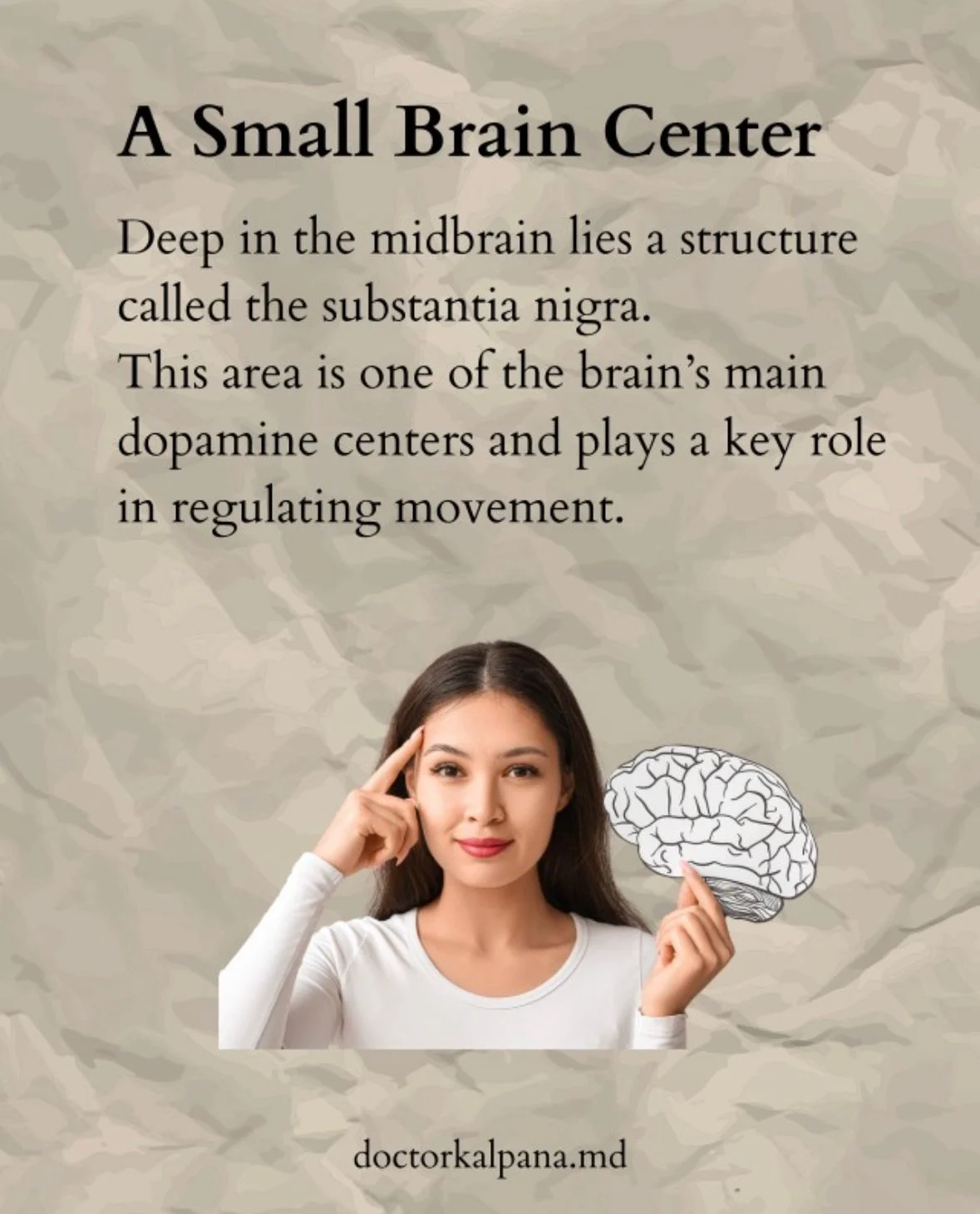
Deep within the midbrain lies the substantia nigra, a small but critical structure involved in dopamine production and movement regulation.
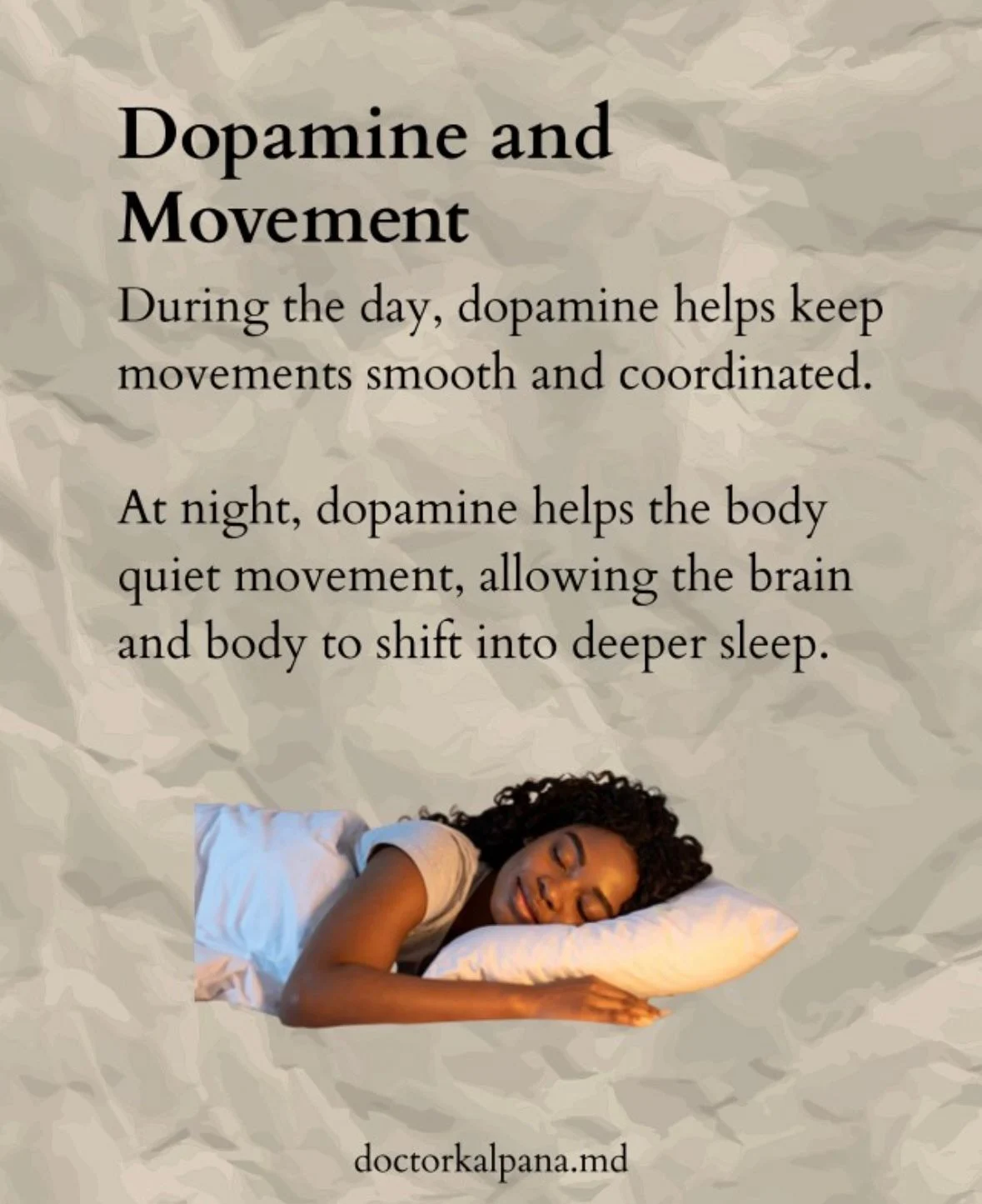
Dopamine plays a key role not only in coordination during the day but also in reducing unnecessary movement at night, allowing the body to transition into deeper stages of sleep.
When dopamine signaling is not optimal, the ability to remain still can be affected.
One important factor influencing this pathway is iron.
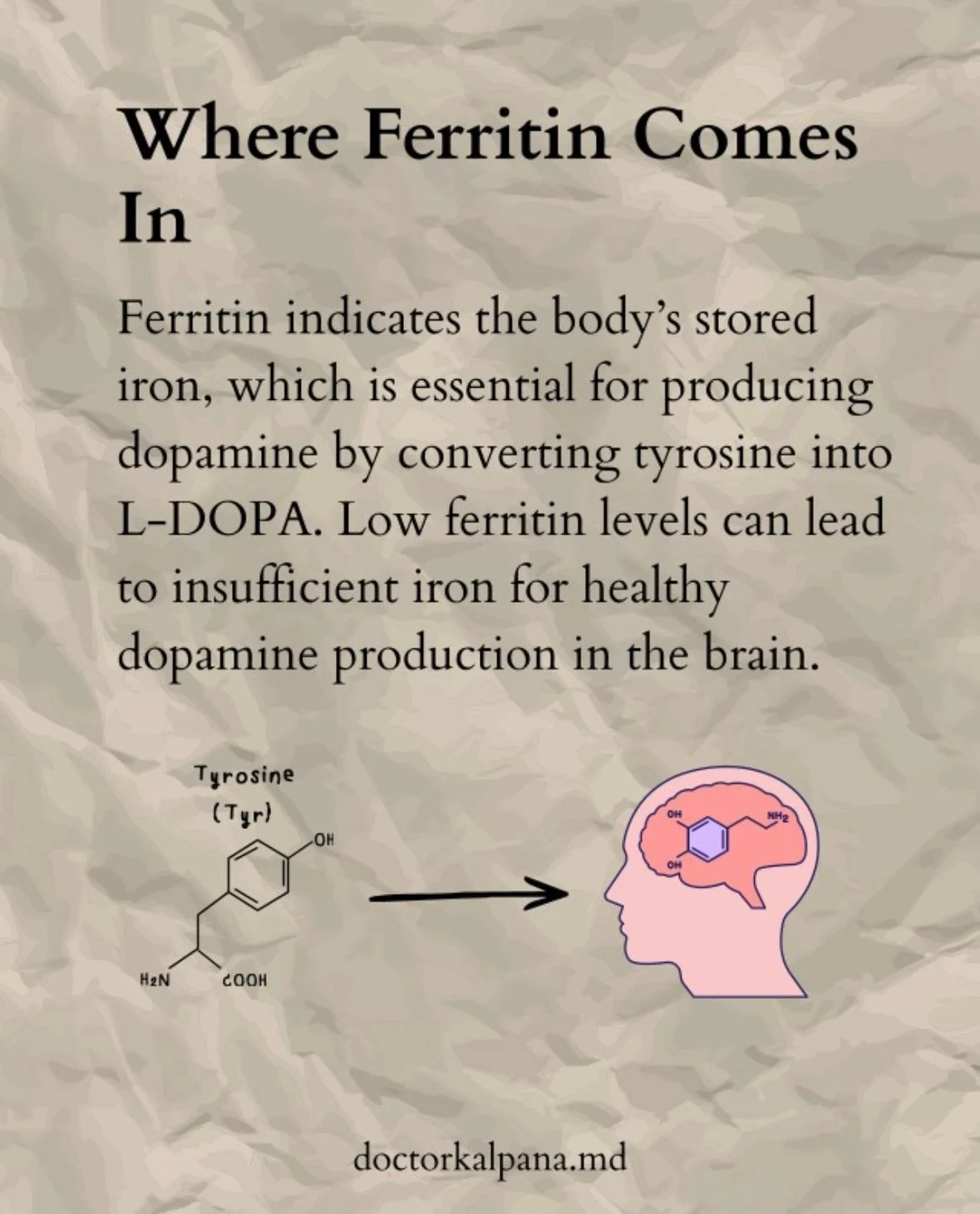
Iron is required for the enzyme that converts tyrosine into L-DOPA, the first step in dopamine production.
Ferritin, which reflects the body’s stored iron, helps indicate whether sufficient iron is available for this process.
When ferritin levels drop too low, dopamine production and signaling may be impacted.
What often creates confusion is that many individuals with these symptoms are told their lab results are ‘normal’.
Routine testing typically focuses on hemoglobin to assess anemia, but hemoglobin primarily reflects oxygen transport in the blood. It does not necessarily reflect how much iron is available for the brain.
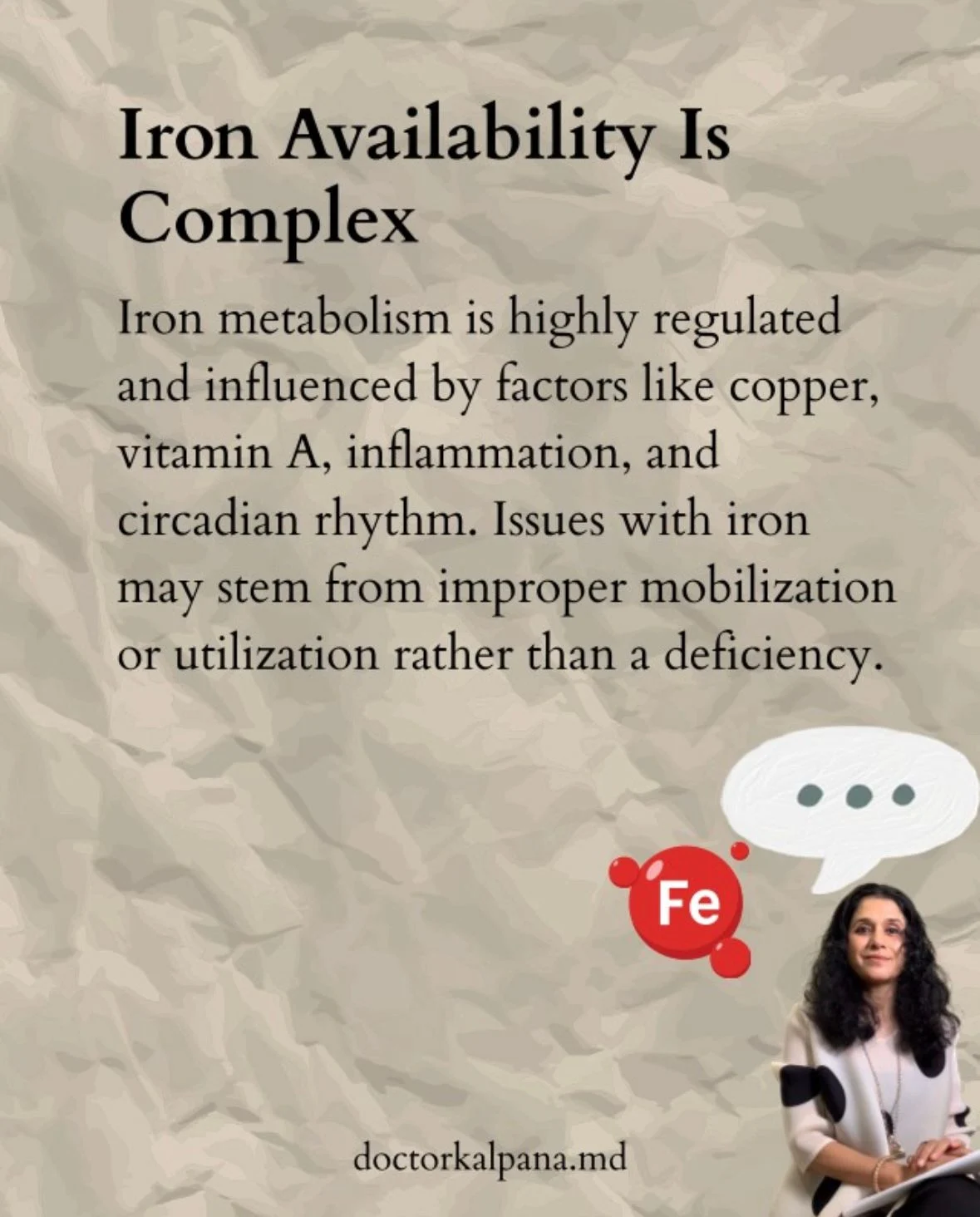
Iron metabolism is also tightly regulated. Factors such as inflammation, nutrient cofactors like copper and vitamin A, and even circadian rhythms can influence how iron is stored and utilized.
In some cases, the issue is not simply iron deficiency, but how effectively iron is being mobilized and made available to tissues.
Seen together, these symptoms often lie at the intersection of ferritin levels, dopamine signaling, and sleep physiology.
Recognizing this connection allows for a more complete and nuanced understanding of what the body may be signaling”
Stay updated with Hemostasis Today.

-
Sep 30, 2026, 01:52Javed Anees: DADA2 – When a Young Stroke Is More Than a Stroke
-
Sep 30, 2026, 01:51How a Venous Thrombus Becomes Revascularized – ISTH
-
Sep 29, 2026, 22:45Victor Agunyego: Paracetamol – The Most Common Drug We Underestimate
-
Sep 29, 2026, 22:42Nova Sinclair: Advancing the Future of Hematology – Meet Our 2027 Organizing Committee
-
Sep 29, 2026, 22:41Lorenz Räber: Intracoronary Imaging in PCI – Why, When, How, and Which Modality?
-
Sep 29, 2026, 22:31Selma Turkovic: Pleased to Deliver the Opening Presentation at Kingston Hospital
-
Sep 29, 2026, 22:31Miguel Teran: Ultrasound and Simulation in Arterial Blood Sampling
-
Sep 29, 2026, 22:28Mohammad Refaei: Navigating Your Career in Hematology From Training to Practice
-
Sep 29, 2026, 22:27Matteo Foschi: 10 Clinical Pearls for Antithrombotic Therapy in Secondary Stroke Prevention