


Seema Dawood: Blister Cell in G6PD Deficiency
Seema Dawood, Medical Laboratory Technologist at The Aga Khan University Hospital, shared a post on LinkedIn:
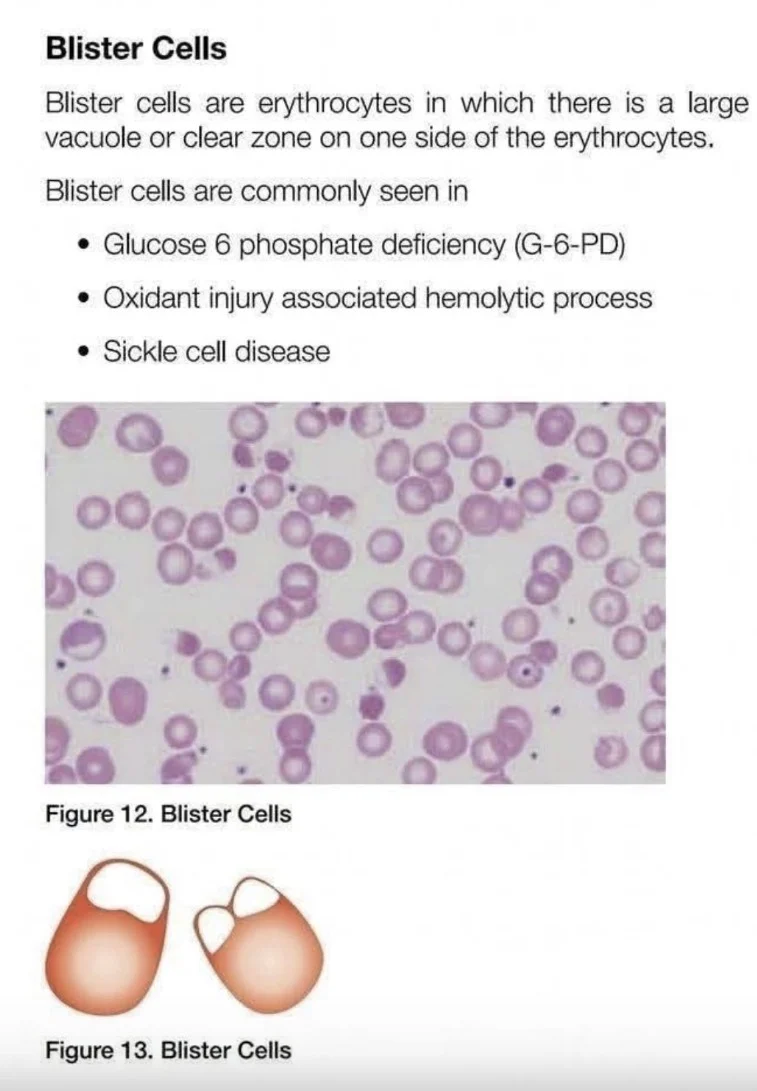
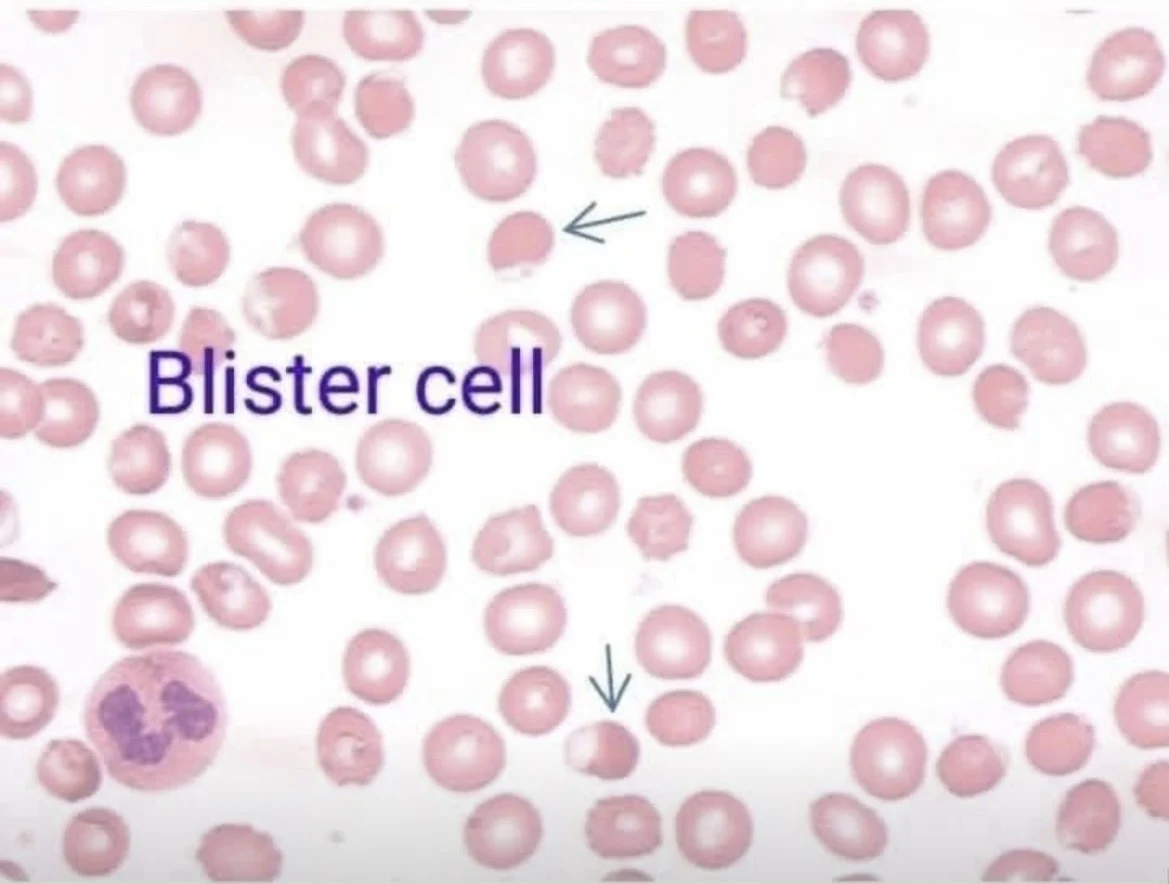
“Blister Cell in G6PD Deficiency
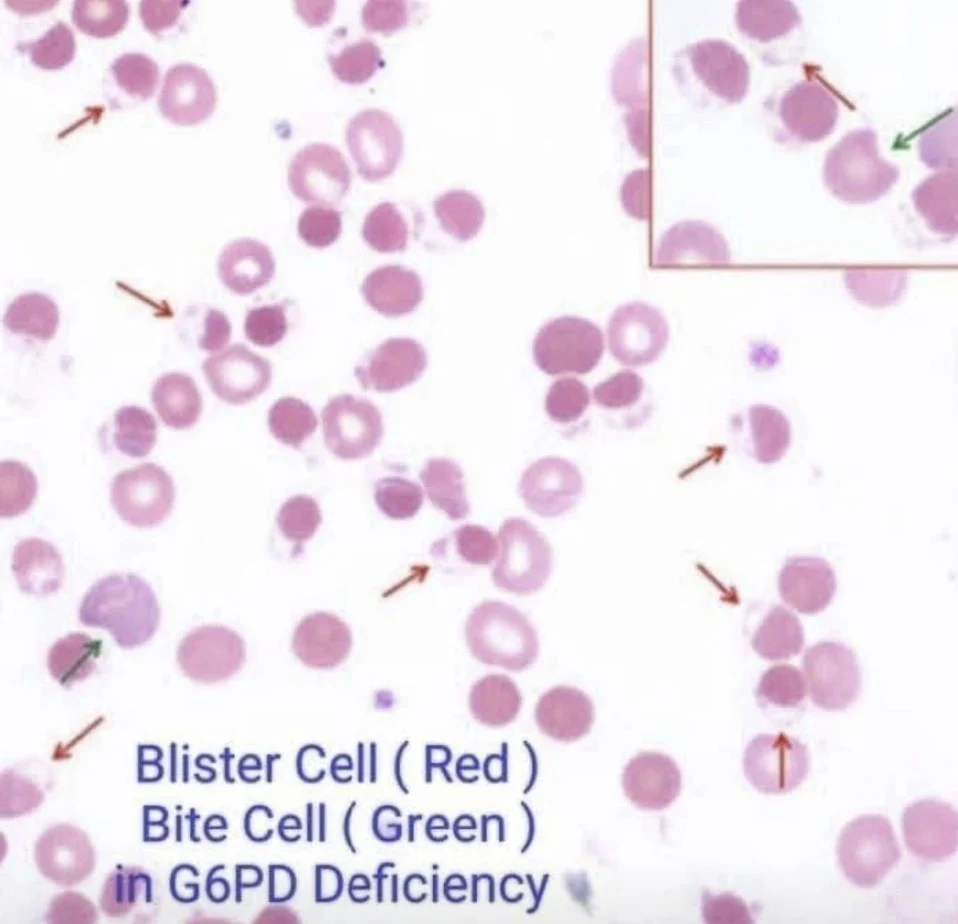
Red Blood Cell with a clear vacuole-like area on its membrane, resembling a blister.
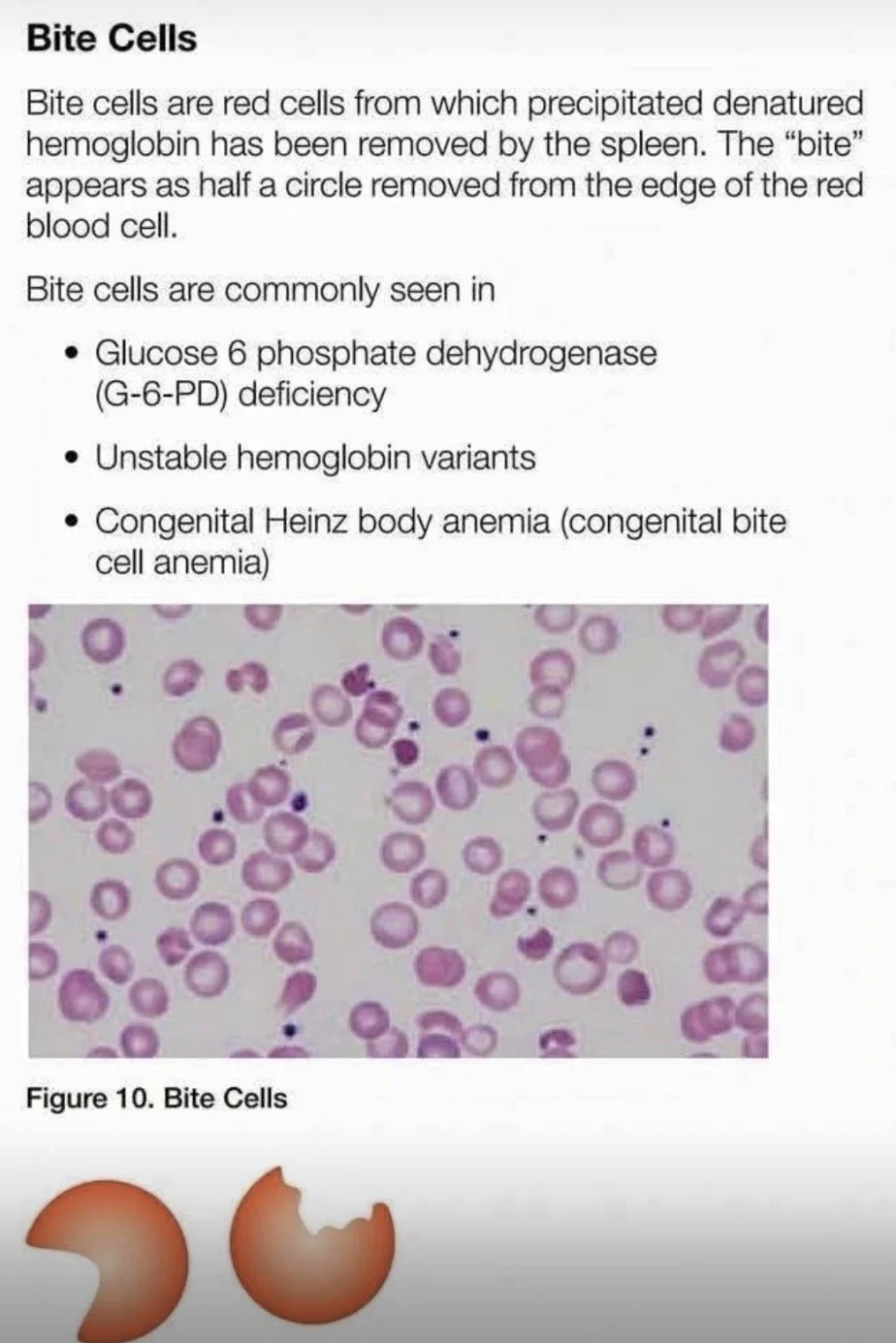
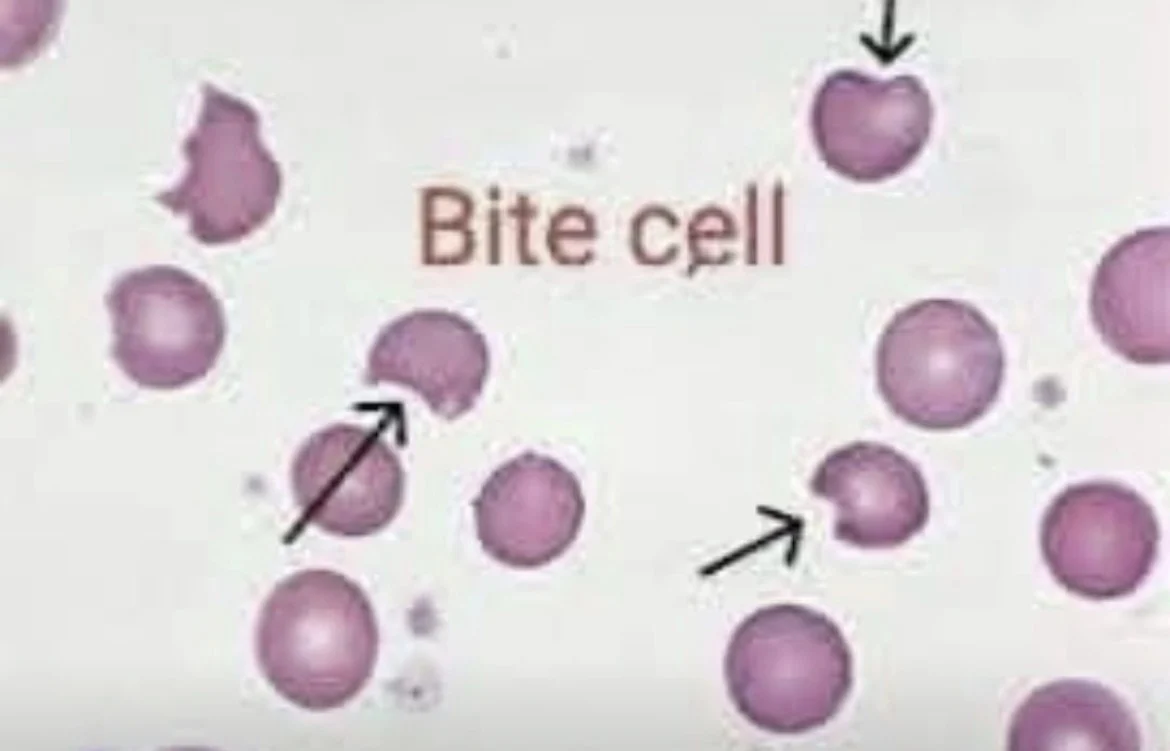
It usually results when splenic macrophages remove precipitated Heinz bodies from the red cell, leaving a blister-like defect.
The spleen then ‘bites out’ or removes these Heinz body–containing areas, producing Blister cells (early stage, vacuolated appearance) then Bite cells (after the blister ruptures or is removed)
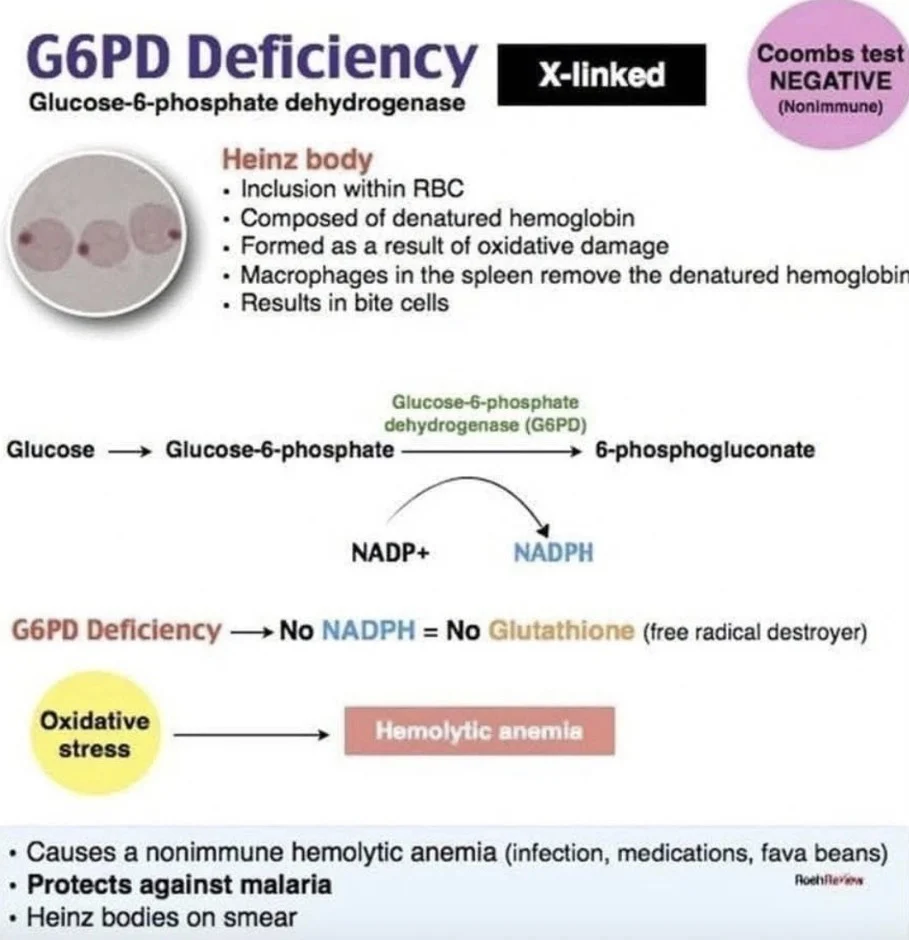
G6PD Deficiency
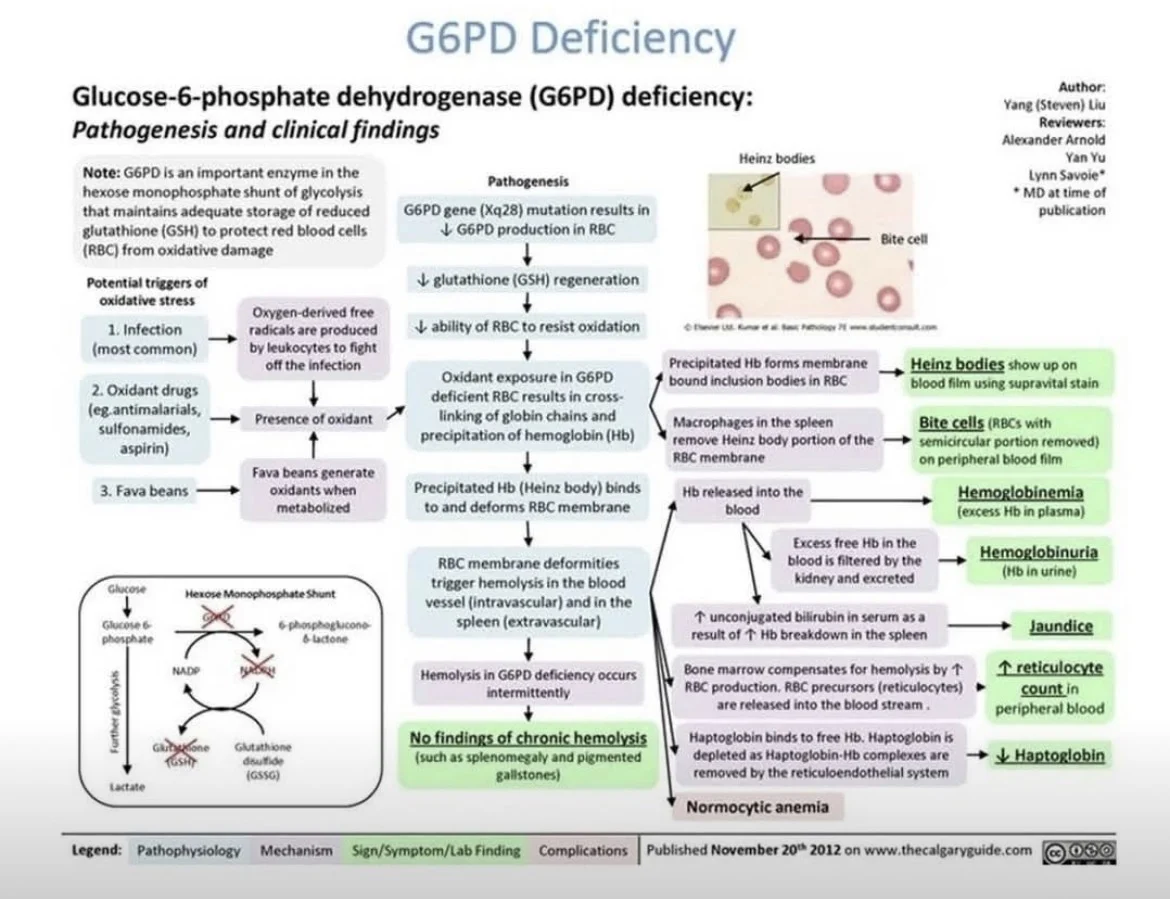
Genetic disorder characterized by low levels of the enzyme glucose-6-phosphate dehydrogenase (G6PD).
This enzyme plays a critical role in protecting red blood cells from oxidative damage.
When G6PD is deficient, red blood cells become fragile and more susceptible to destruction, leading to hemolytic anemia.
Genetic Characteristics
- Inheritance: X-linked recessive
- More common in males
- Females are usually carriers, but some may exhibit symptoms due to lyonization (X-inactivation)
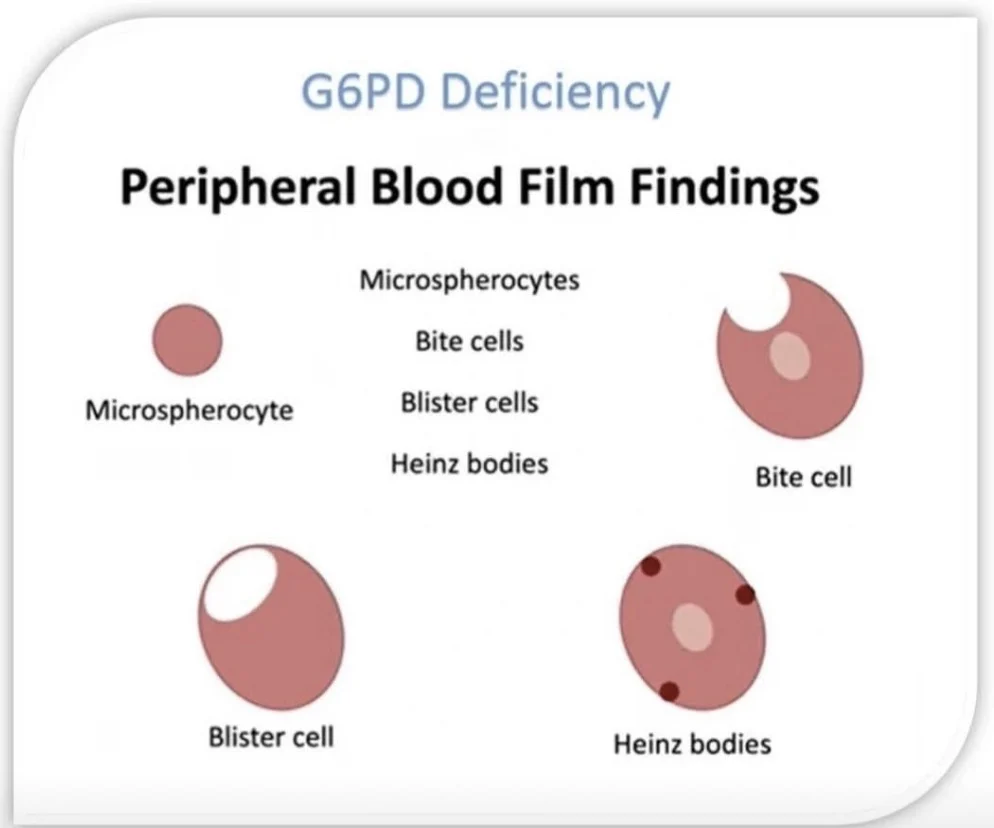
Blood Smear Features
- Bite cells Result from splenic removal of Heinz bodies
- Blister cells Red cells with vacuolated appearance, precursor to bite cells
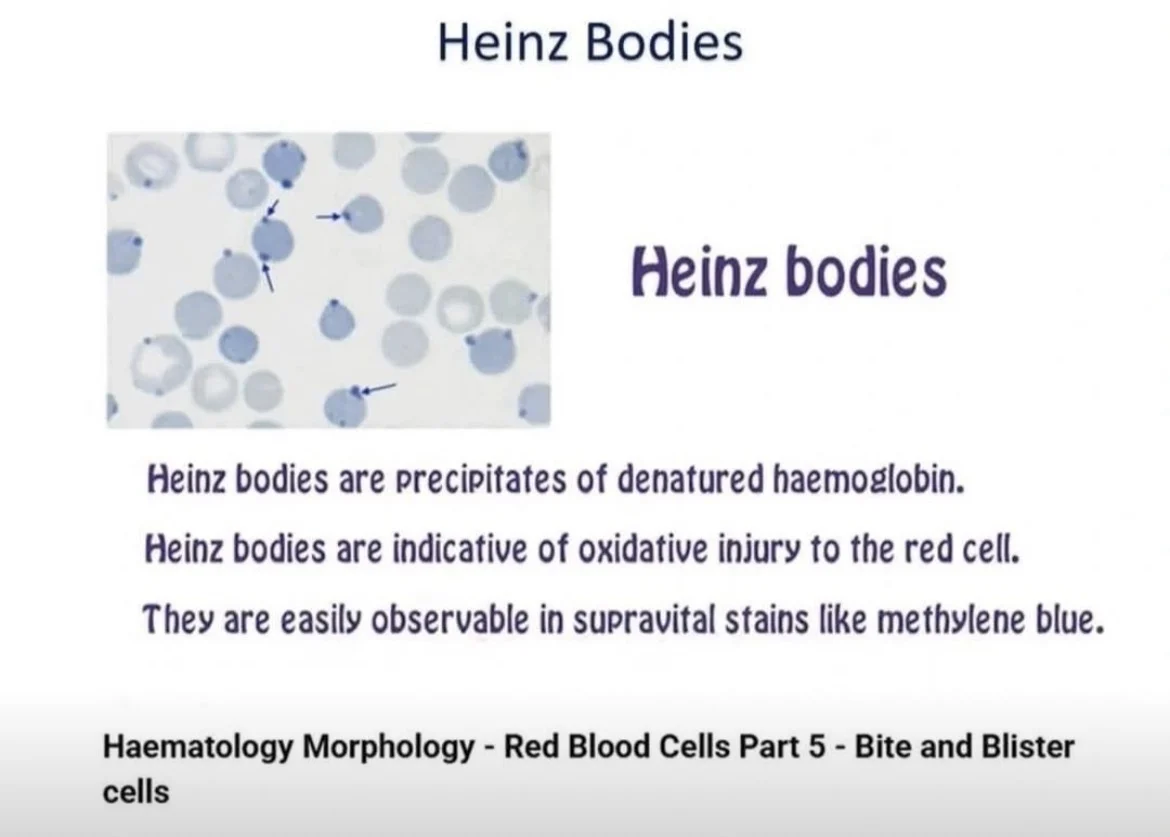
- Heinz bodies Denatured hemoglobin aggregates caused by oxidative stress
Heinz bodies are best visualized using supravital stains, such as Brilliant Cresyl Blue.
Common Clinical Presentations
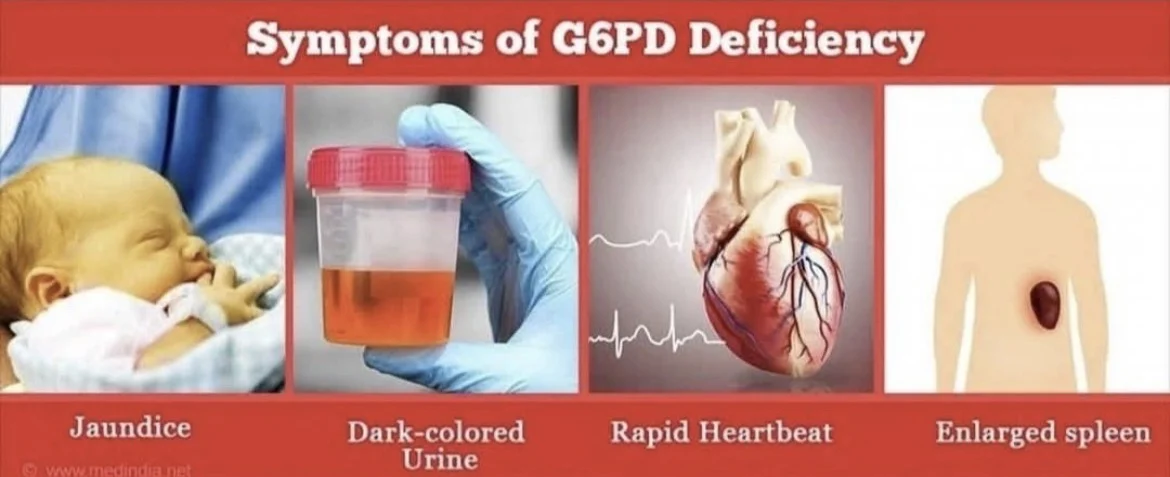
- Newborns : Severe jaundice (neonatal hyperbilirubinemia)
- Children/Adults: Pallor, jaundice, dark urine (hemoglobinuria), fatigue, and acute hemolytic anemia following oxidative trigger
Triggers of Hemolysis
- Medications: Sulfa drugs, antimalarials (e.g., Primaquine), high-dose aspirin
- Foods: Fava beans (favism)
- Infections: A major trigger of hemolysis
- Certain chemicals
Diagnosis
- G6PD enzyme activity assay
- Peripheral blood smear: Presence of bite cells and blister cells
- Heinz body stain: Using supravital dyes (e.g., Brilliant Cresyl Blue).”
Stay updated with Hemostasis Today.
-
Oct 7, 2026, 16:44Amor Salah: 2026 NCS/SCCM Guidelines for Managing Antithrombotic-Associated ICH
-
Oct 7, 2026, 16:04NETs in Thrombosis: From Mechanism to Therapeutic Target
-
Oct 7, 2026, 15:28Amir Samimi: Prognostic Value of Platelet Count in Resected HNSCC
-
Oct 7, 2026, 15:21Eloïse Laouenan: Bridging Immunity and Thrombosis in MVTE
-
Oct 7, 2026, 15:10Uthra Sundaram: Honouring Donors During International Plasma Awareness Week
-
Oct 7, 2026, 15:04Daniel Victor Ortigoza: Should Frail Older Patients With AF Switch From VKA to DOACs?
-
Oct 7, 2026, 14:53Susan Noone: Donor Turned Recipient Shares Lifesaving Transfusion Story
-
Oct 7, 2026, 14:49Aimee Burtenshaw: The Impact of the Infected Blood Inquiry on Hospital Transfusion Laboratories
-
Oct 7, 2026, 14:41Vikash Jaiswal: Does Timing Matter for Calcium in Pre-Eclampsia Prevention?