

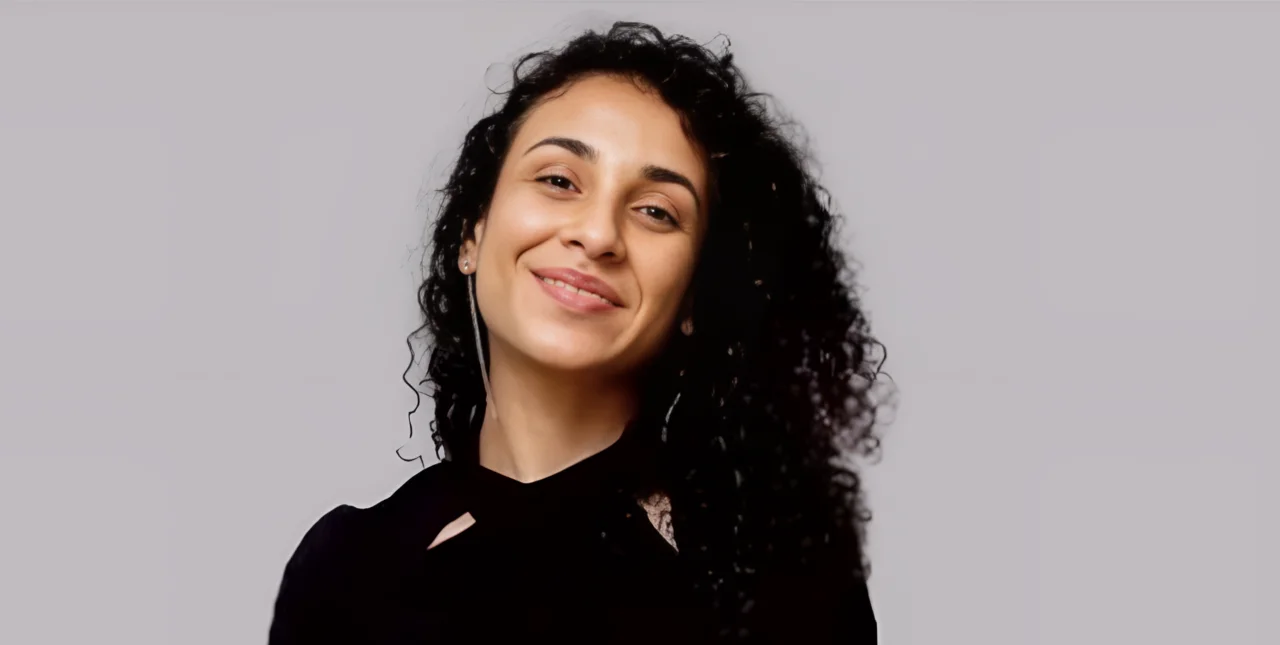
Deise Catamo Vaz/LinkedIn
Apr 2, 2026, 14:18
Deise Catamo Vaz: Closing A Large Information Gap in PSCI Through WSO Future Stroke Leaders Project
Deise Catamo Vaz, Neurologist at UEM Cardiology Research Center, shared on LinkedIn:
”The Post-stroke cognitive impairment (PSCI) is a significant, yet often overlooked, cause of persistent disability, affecting over one-third of stroke survivors.
However, we have limited knowledge about global practices and barriers in screening for cognitive impairment among stroke survivors.
We present our global project, divided into two phases:
- Survey and systematic review, led by members of the World Stroke Organization (WSO) Future Stroke Leaders Programme (FSLP), seeks to address this gap.
- Our main objective with this project is to understand the current situation and knowledge of healthcare professionals who care for patients after stroke globaly, with a strong emphasis in LMICs.
At the end of this project, we will have more information to improve the diagnosis of PSCI and vascular dementia, especially in LMICs, closing a large information gap in these area.
World Stroke Organization Future Stroke Leaders Cohort-3.”
Stay updated with Hemostasis Today.
-
Oct 6, 2026, 16:43Beth Shirley: Xylitol Consumption Increases Platelet Reactivity and Cardiovascular Risk
-
Oct 6, 2026, 16:37Jared Rice: What Sets the Transfusion Threshold in Anemia of Prematurity?
-
Oct 6, 2026, 16:30Thirunavukkarasu Angappan: Immunoglobulin Decides How Much Plasma Gets Collected
-
Oct 6, 2026, 16:18Gemma Davies: New CMML Research Selected for Presentation at the 68th ASH Annual Meeting
-
Oct 6, 2026, 16:03Professor Csongor Kiss Receives the Kálmán Laki Prize – Hungarian Society of Thrombosis and Haemostasis
-
Oct 6, 2026, 15:52Mark Kheifets: A Massive Stent Thrombosis Requiring Aspiration Thrombectomy
-
Oct 6, 2026, 15:40Joseph Aslan։ Targeting Mitochondrial Permeability Transition To Reduce Platelet Thrombogenicity
-
Oct 6, 2026, 15:36Nominations Open for ISTH Outstanding Mentor Awards – ISTH
-
Oct 6, 2026, 15:17Walaa Obaid: How Warfarin Went From Poison To Medicine