

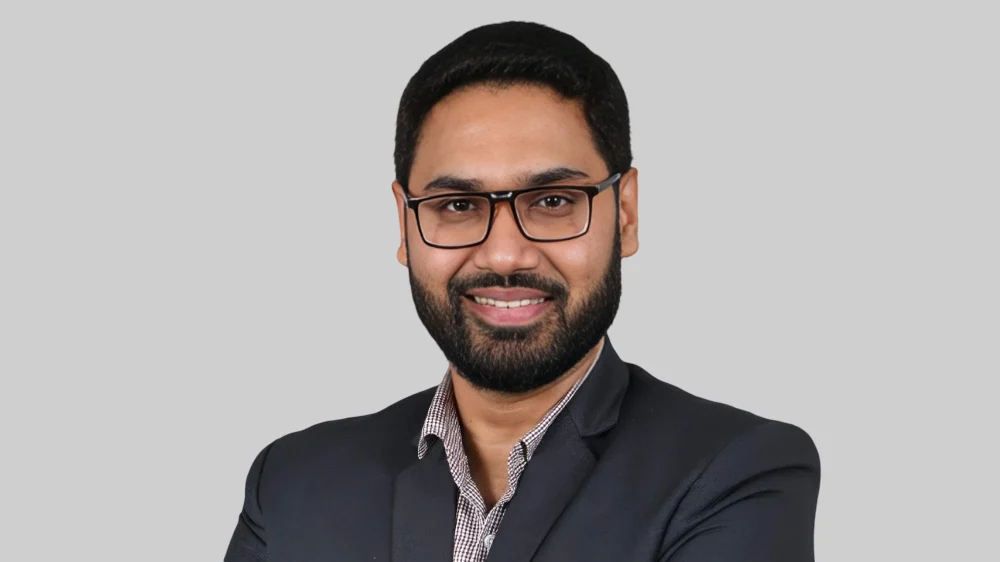
Syed Ibrahim Bukhari: From Conventional Therapy to Gene-Based Approaches in Hemophilia Care
Syed Ibrahim Bukhari, Clinical Fellow at The Hospital for Sick Children, shared a post on LinkedIn:
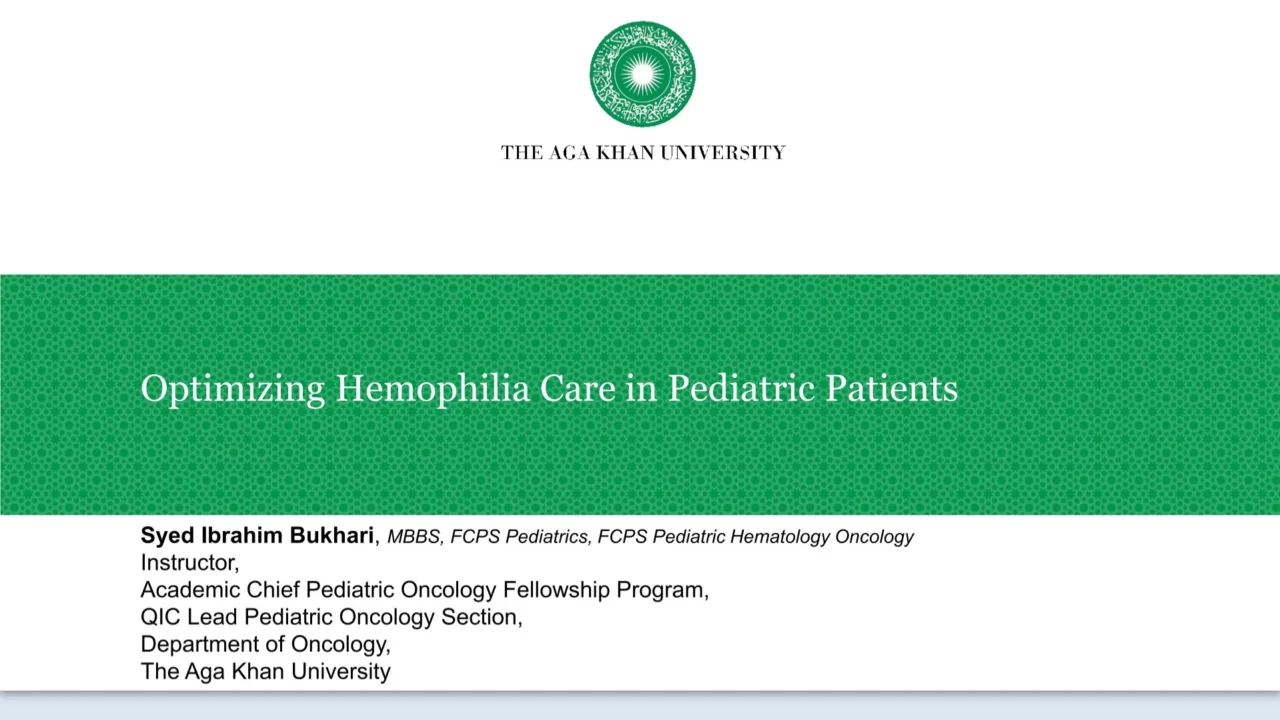
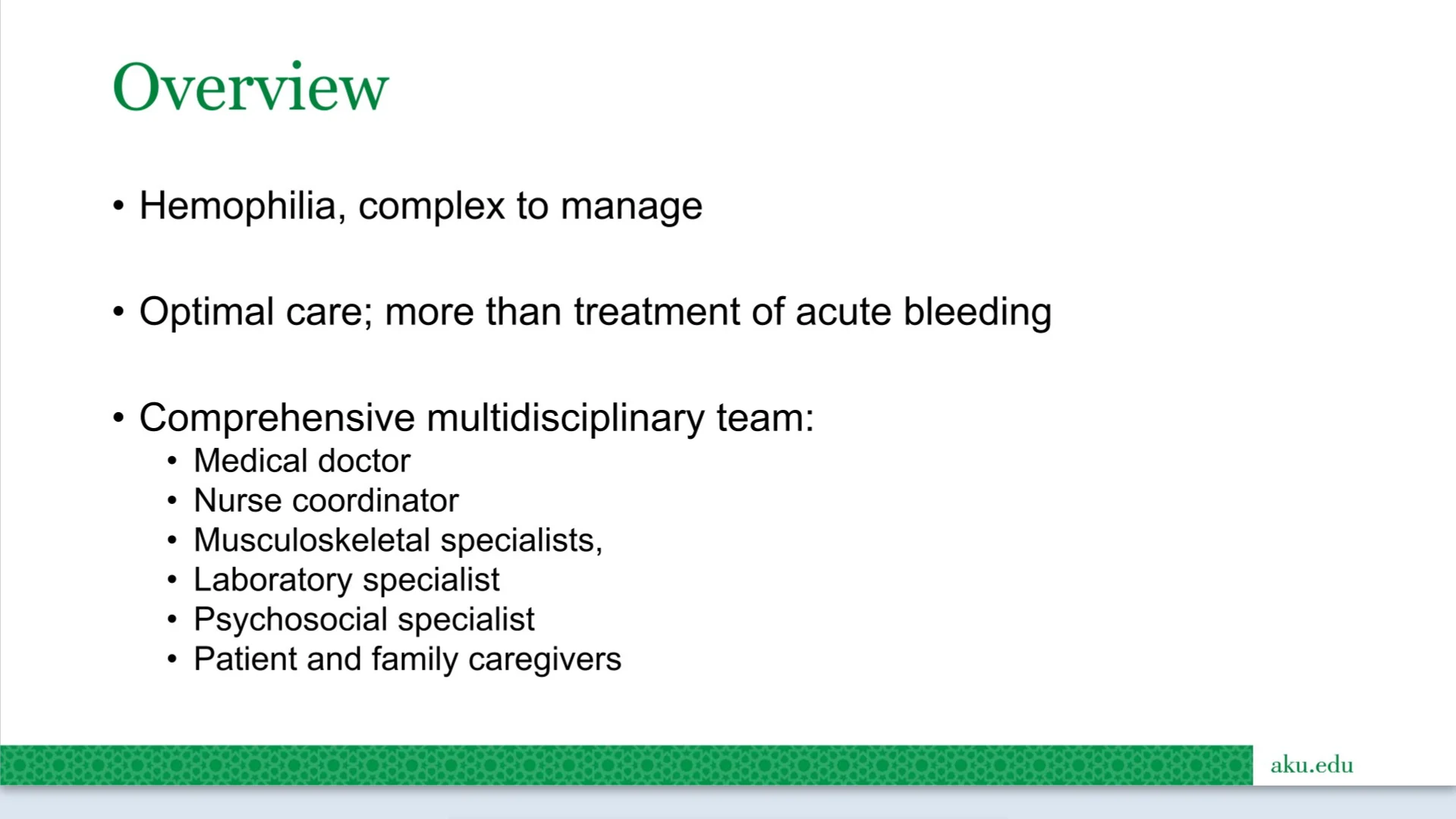
“In honor of World Hemophilia Day 2025, I had the privilege of presenting on ‘Hemophilia Management: Current Standards and Emerging Frontiers’ at the National Institute of Child Health (NICH) in Karachi.
The session focused on the critical importance of specialized care for pediatric patients and the evolving landscape of treatment.
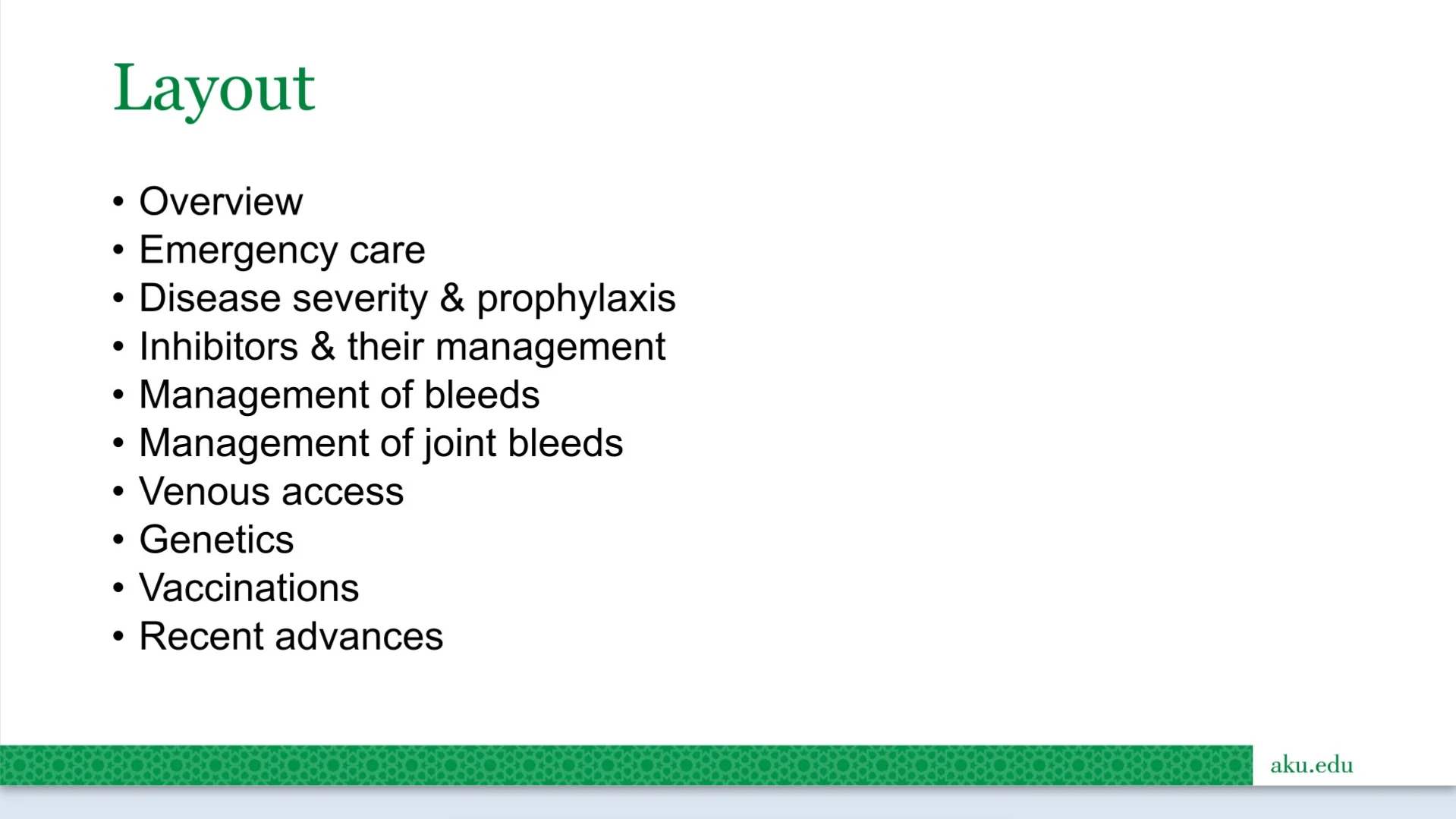
Key Highlights from the Presentation:
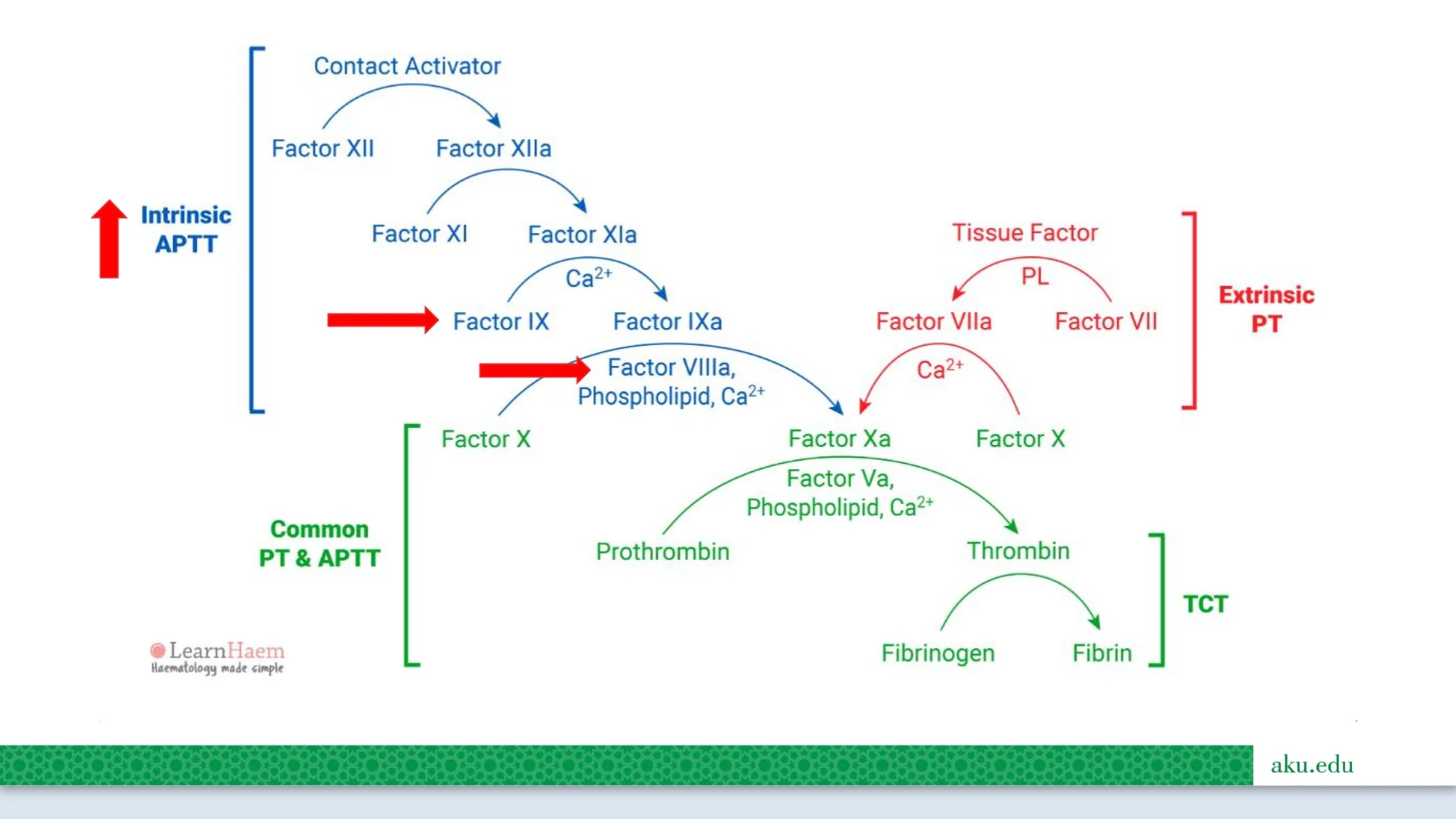
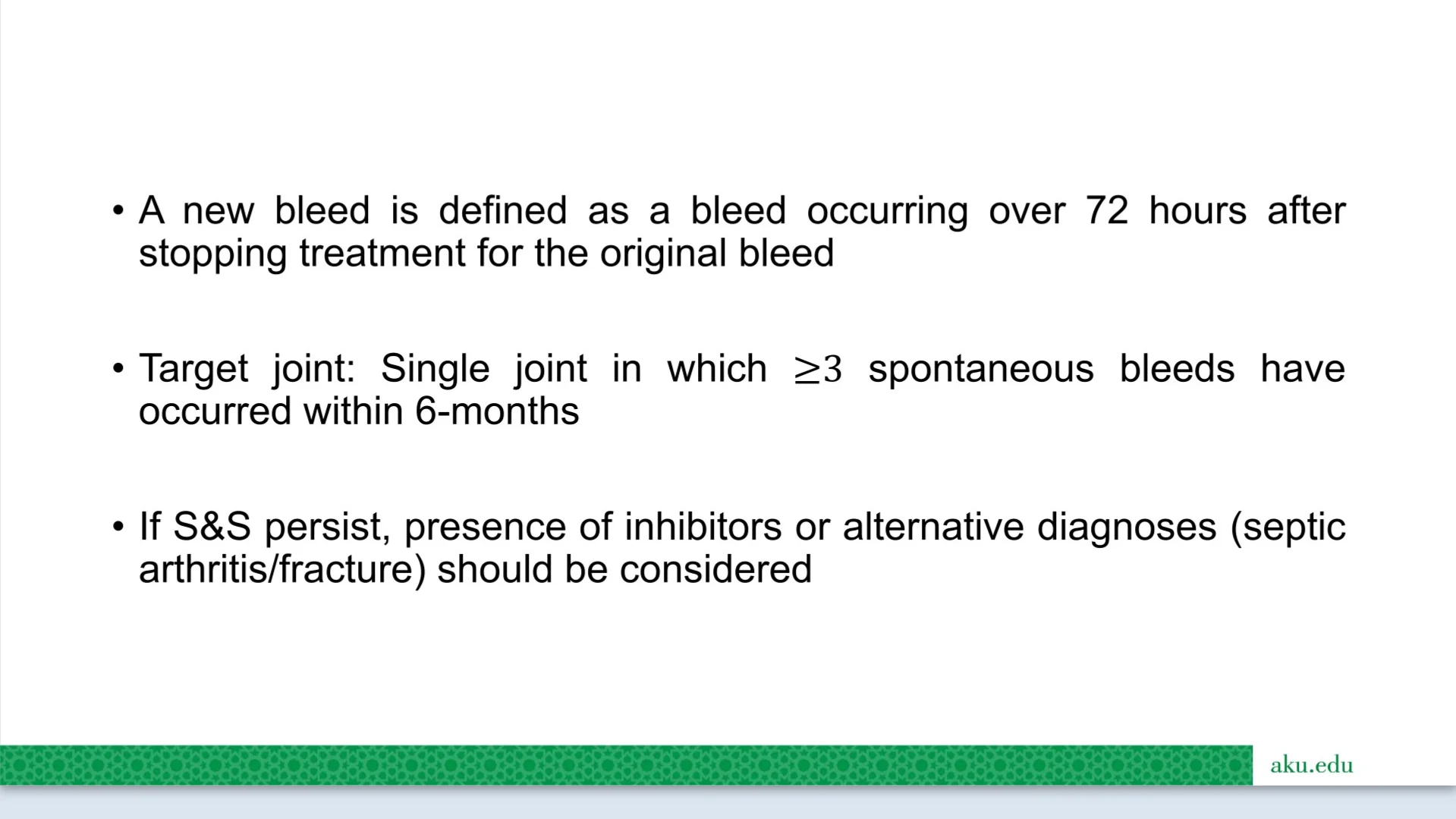
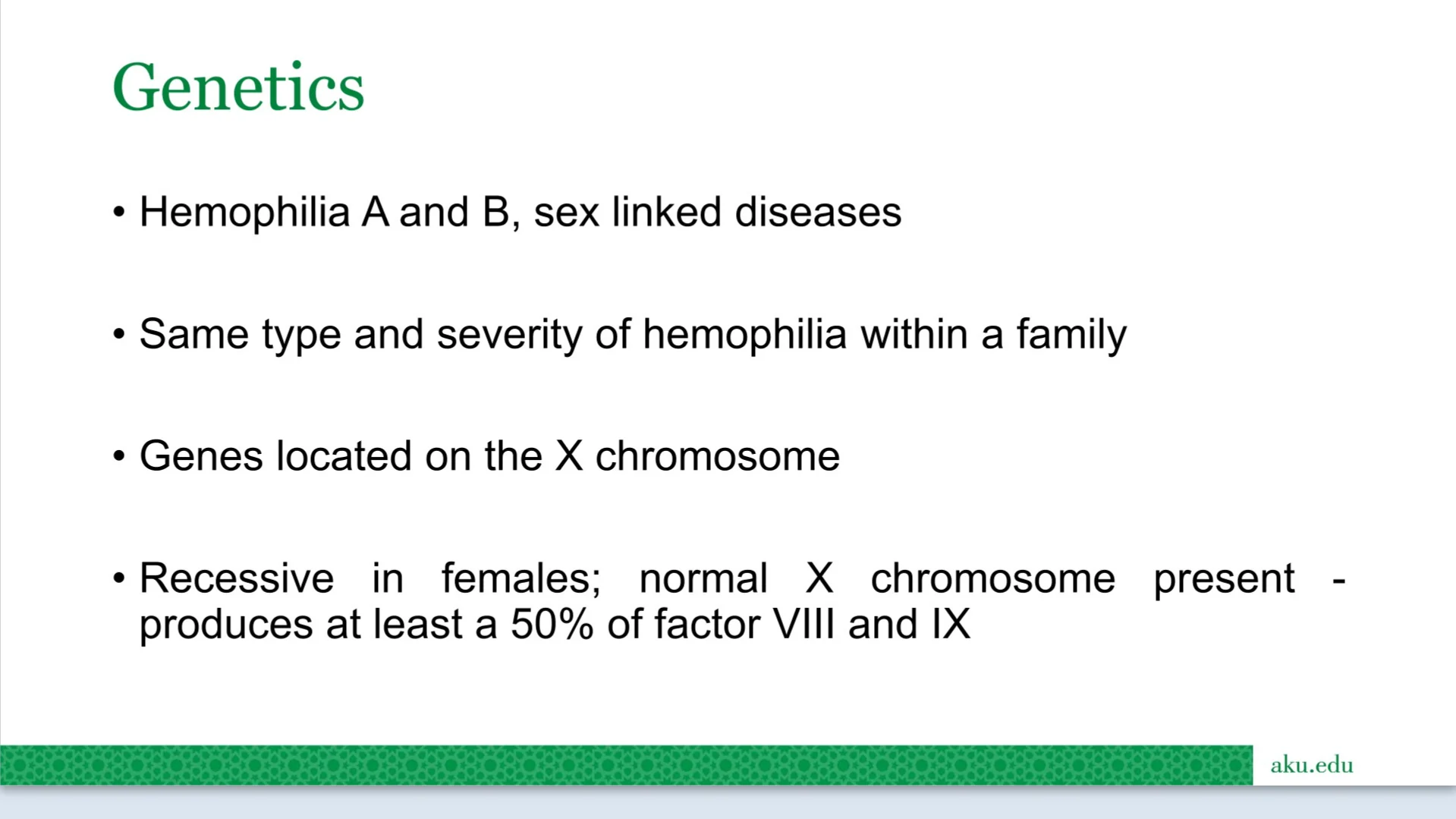
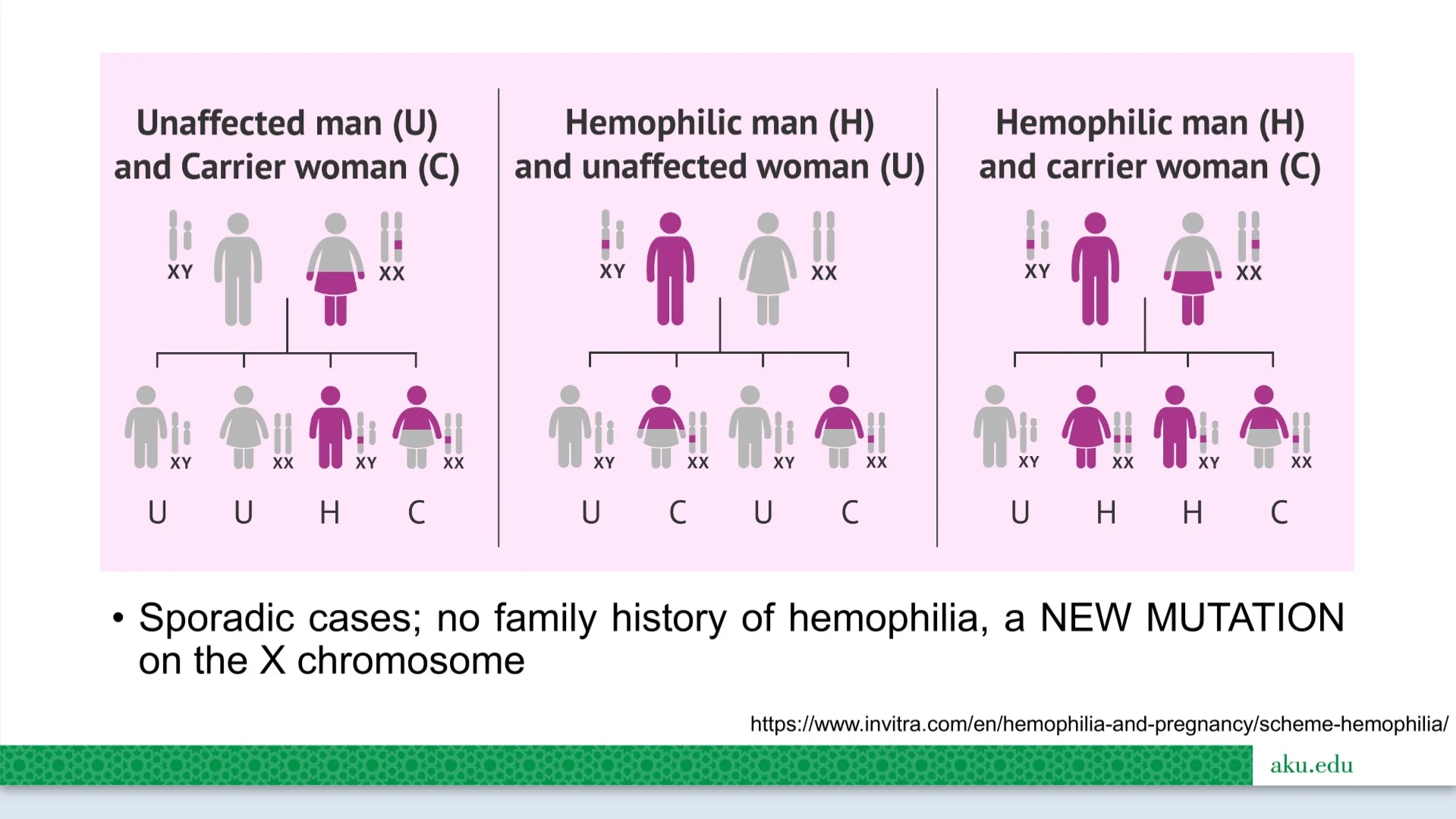
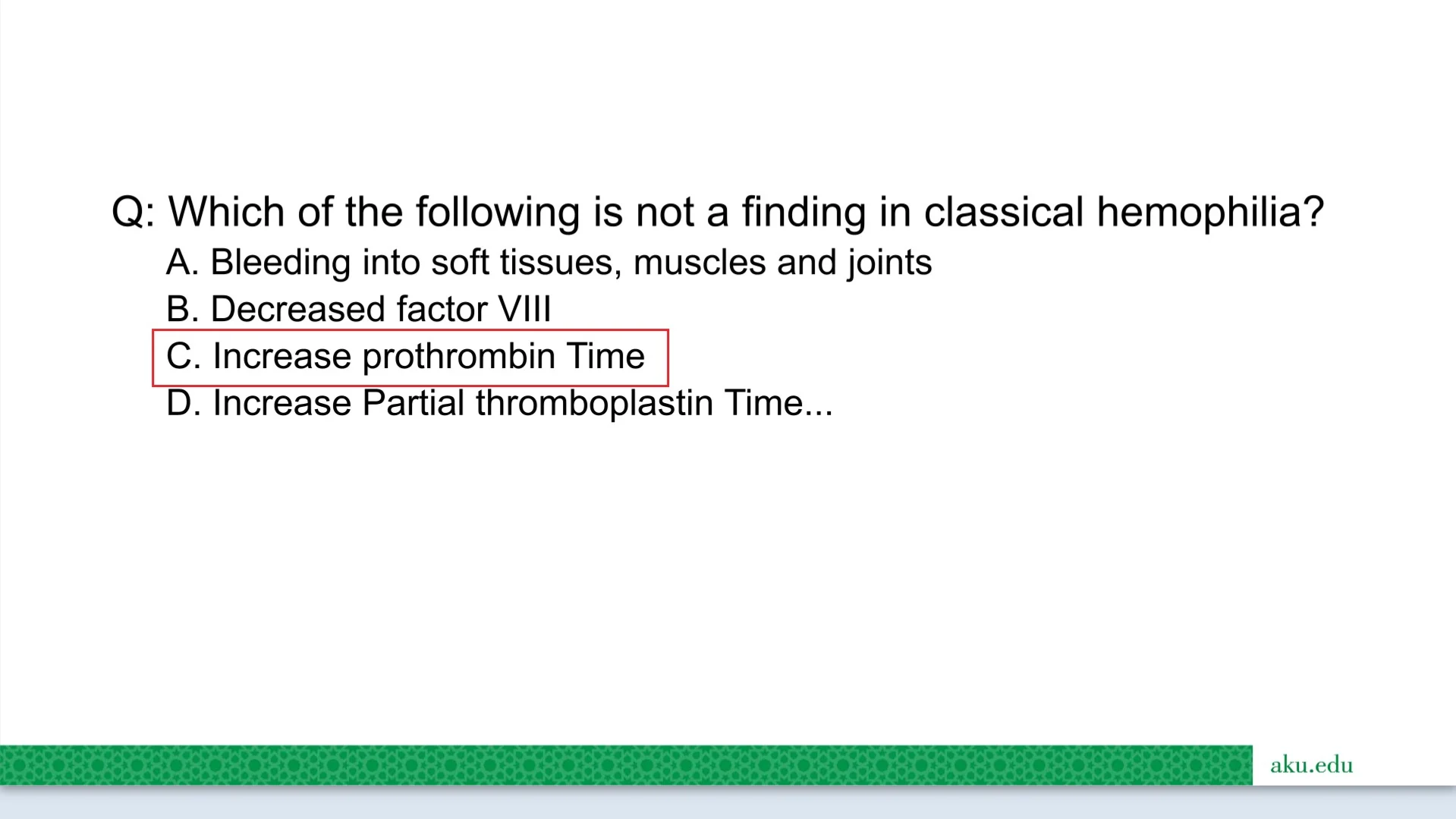
The Core Challenge: Hemophilia A and B are X-linked recessive disorders characterized by deficiencies in clotting factors VIII and IX, respectively, leading to prolonged bleeding and potential joint damage.
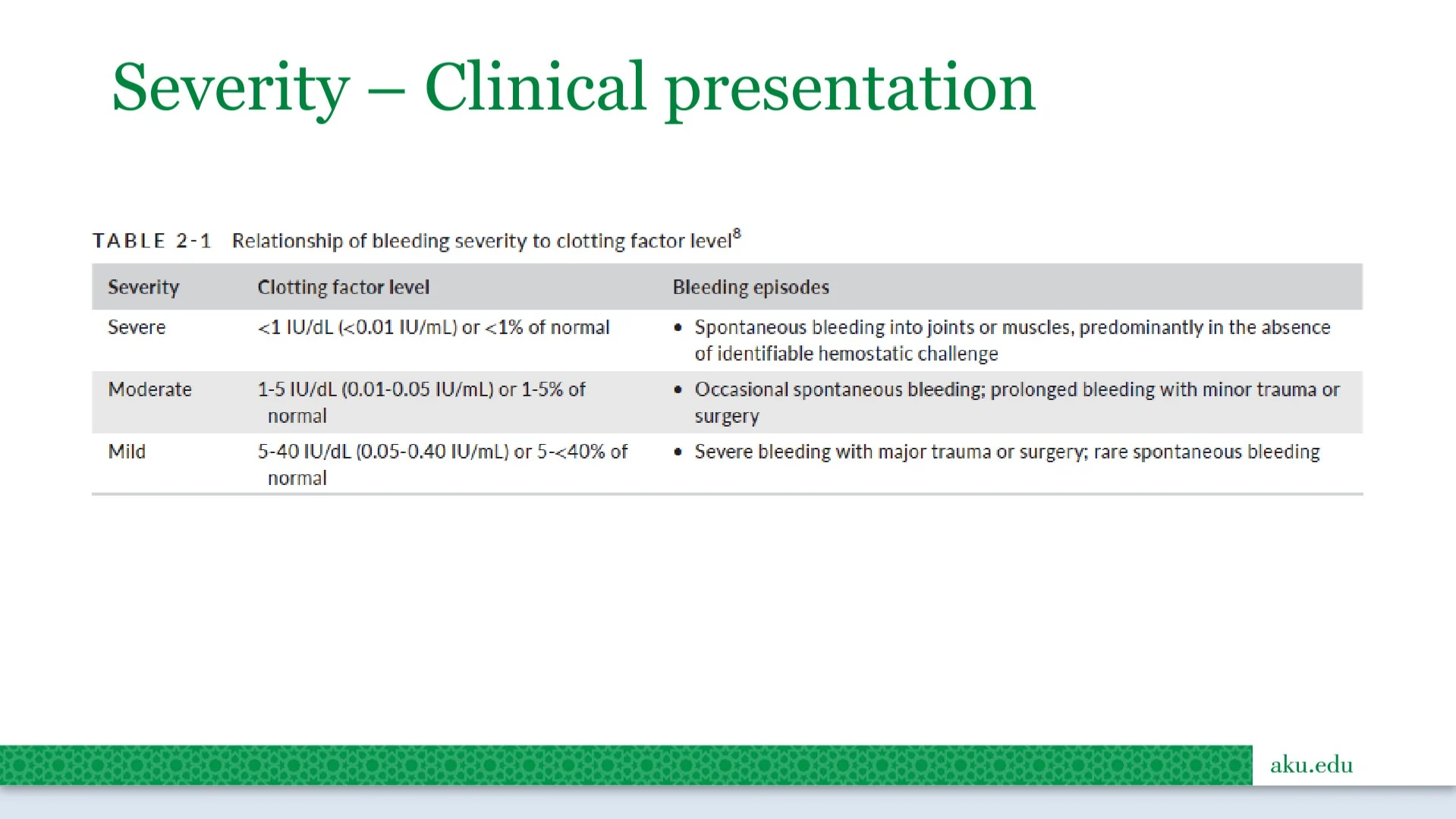
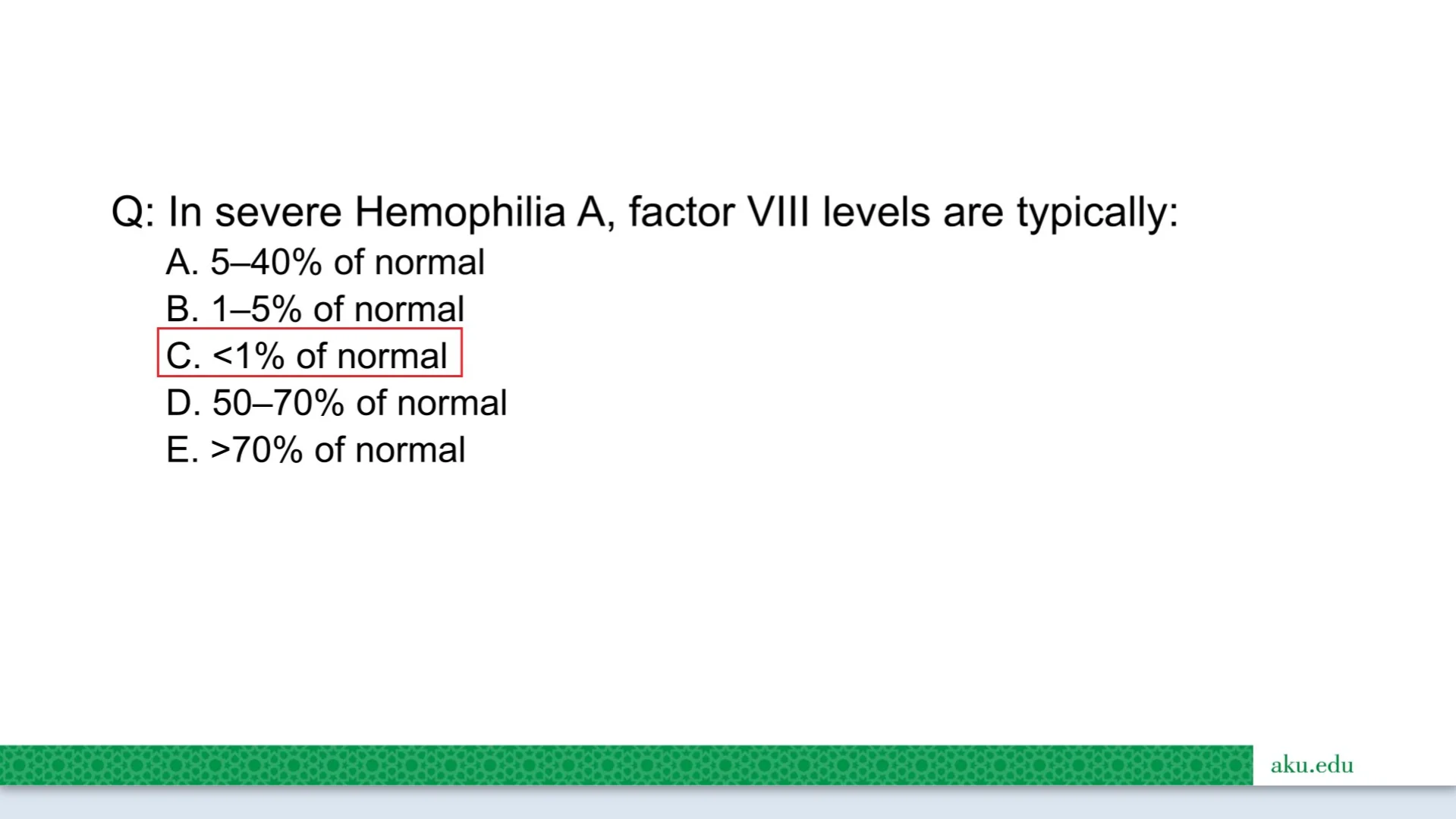
Diagnosis and Severity: We discussed the importance of classifying severity based on factor levels—Severe (<1 percent), Moderate (1-5 percent), and Mild (5-40 percent)—to tailor treatment effectively.
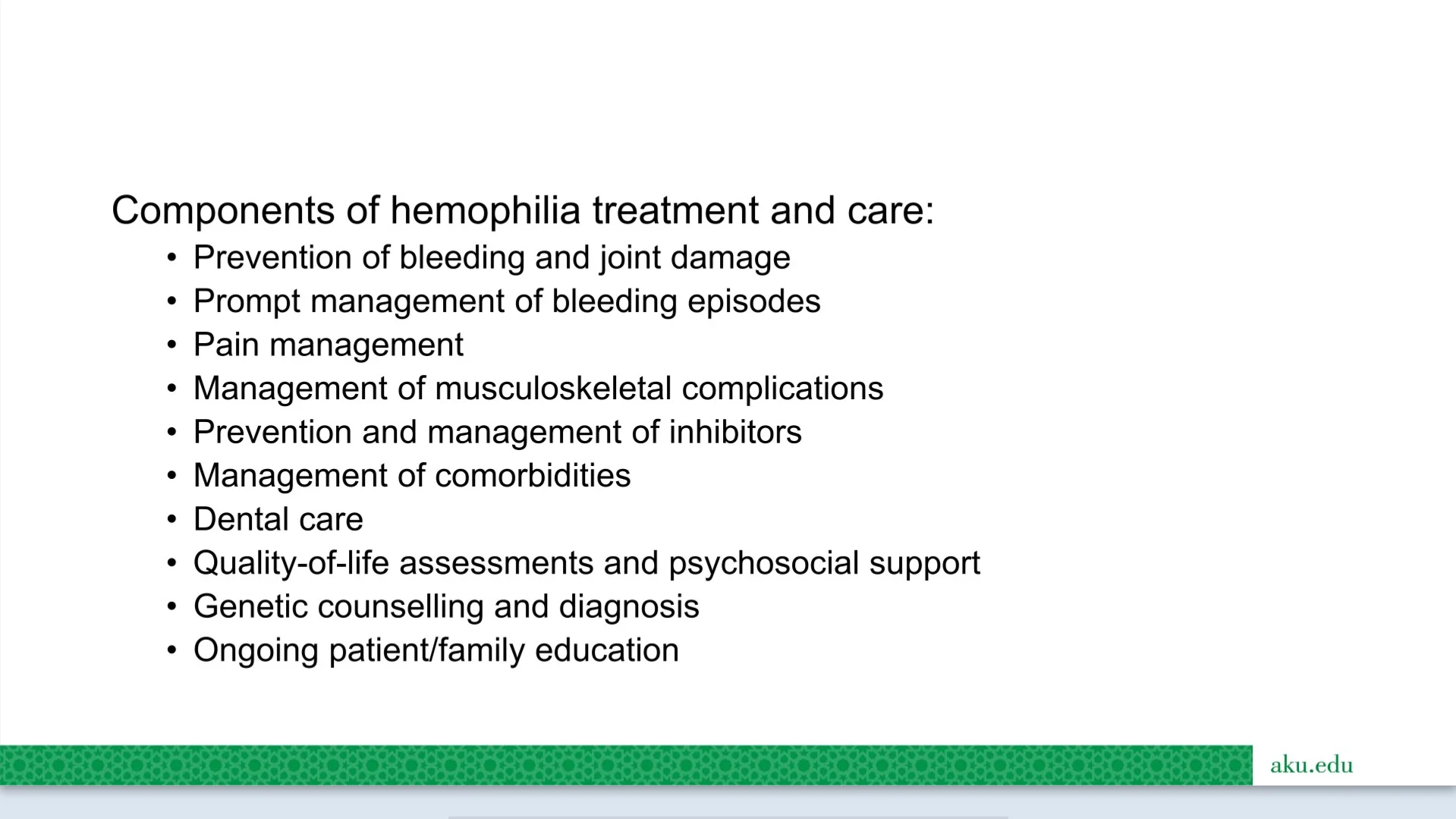
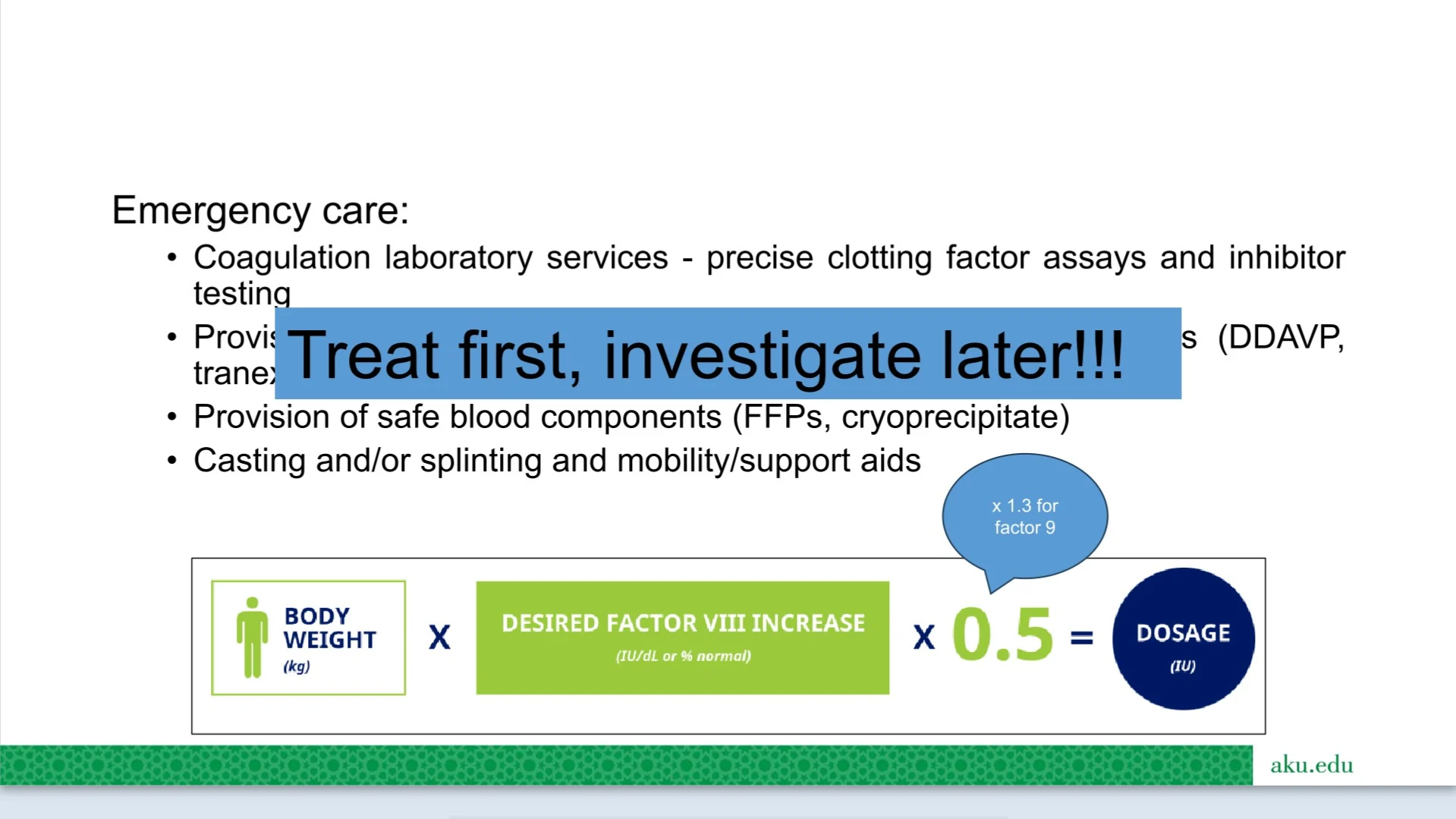
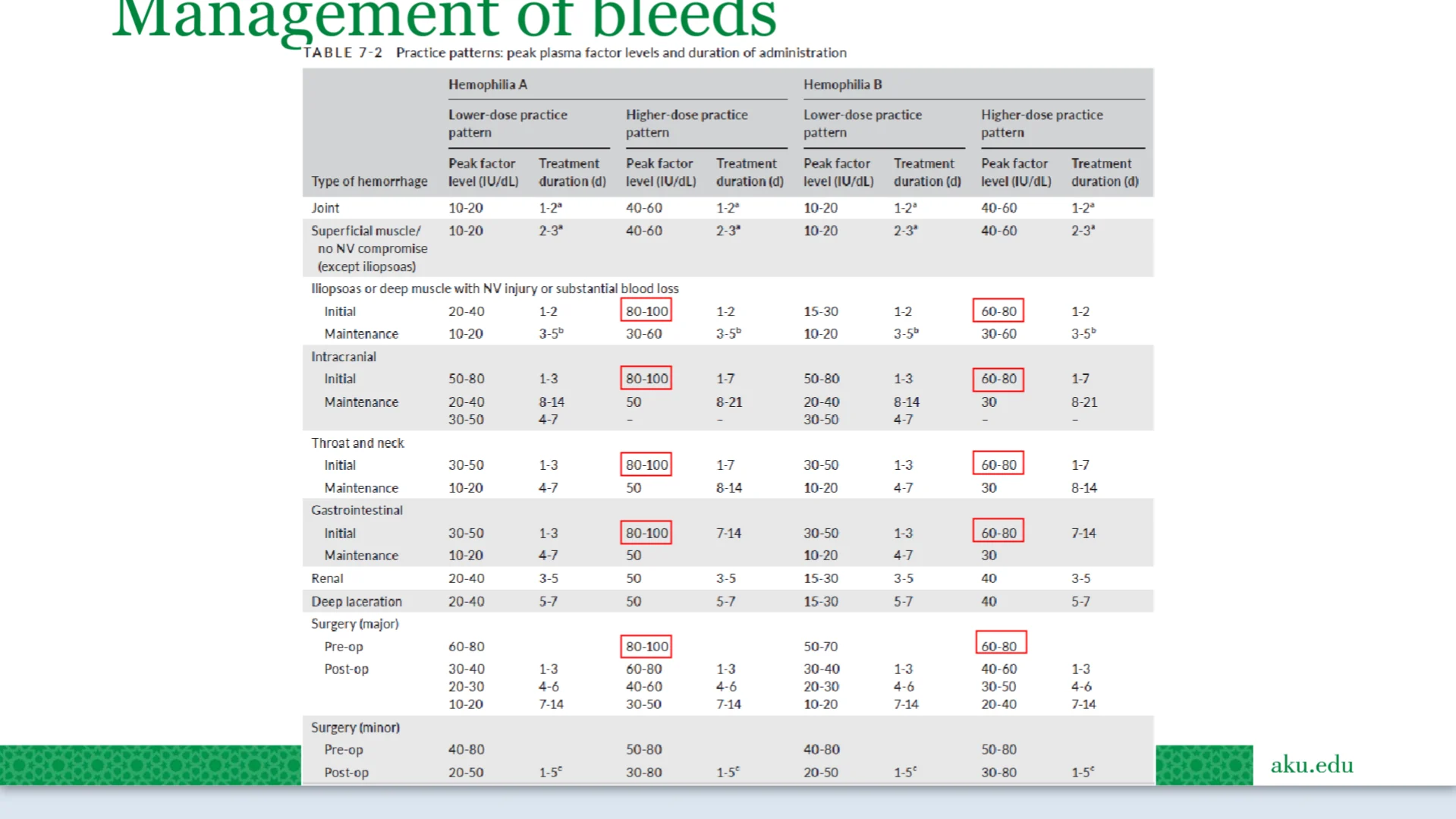
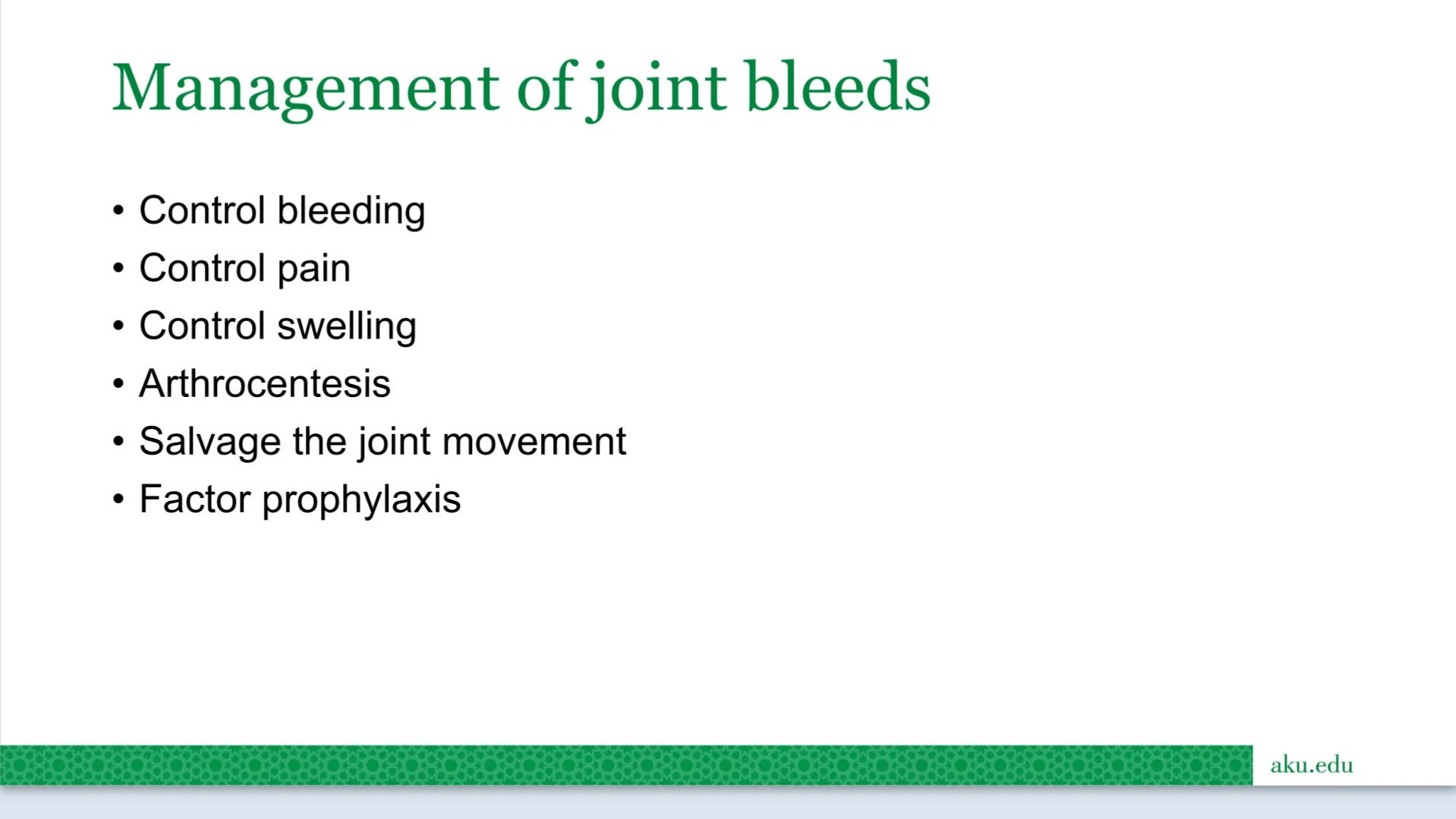
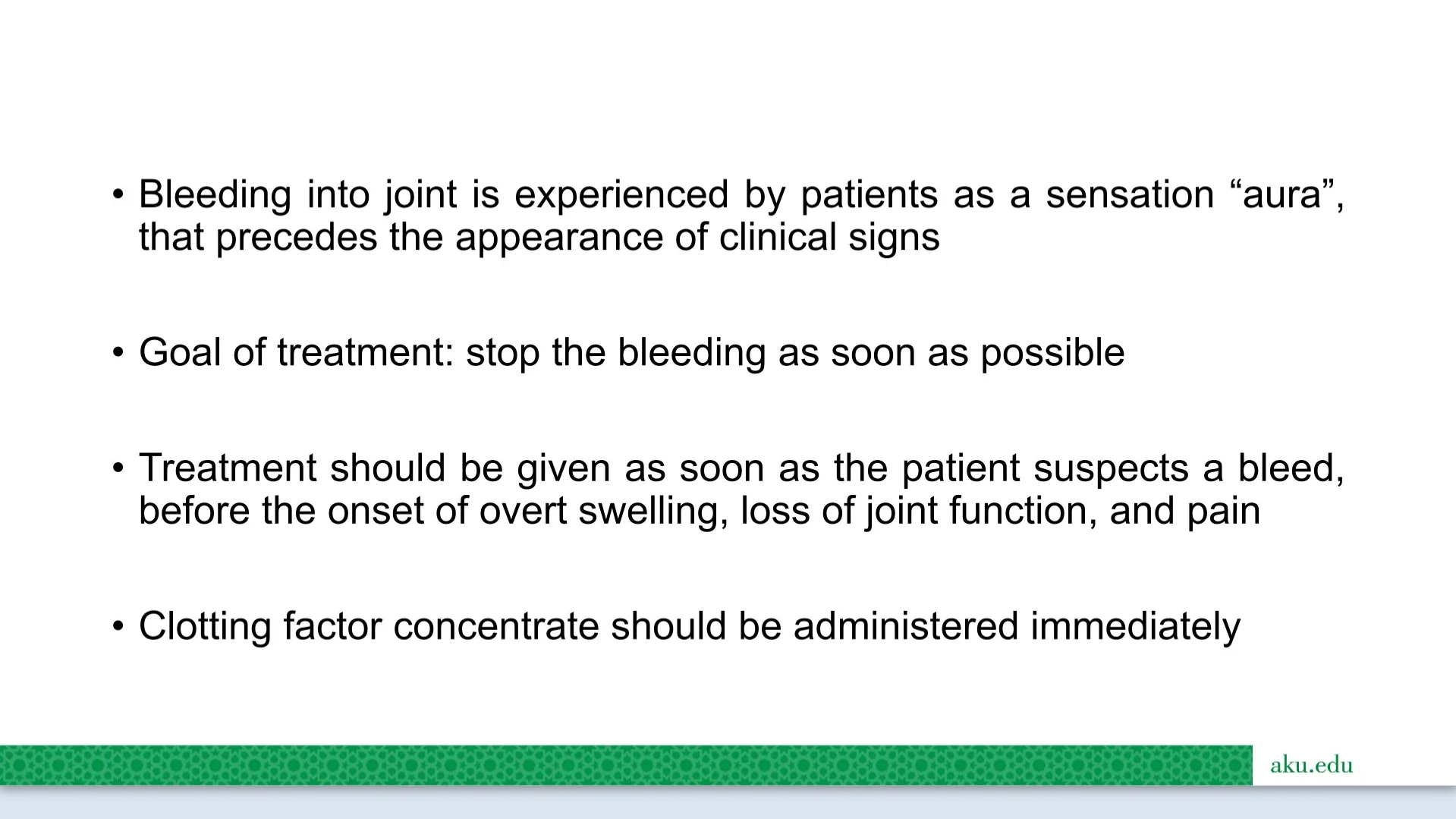
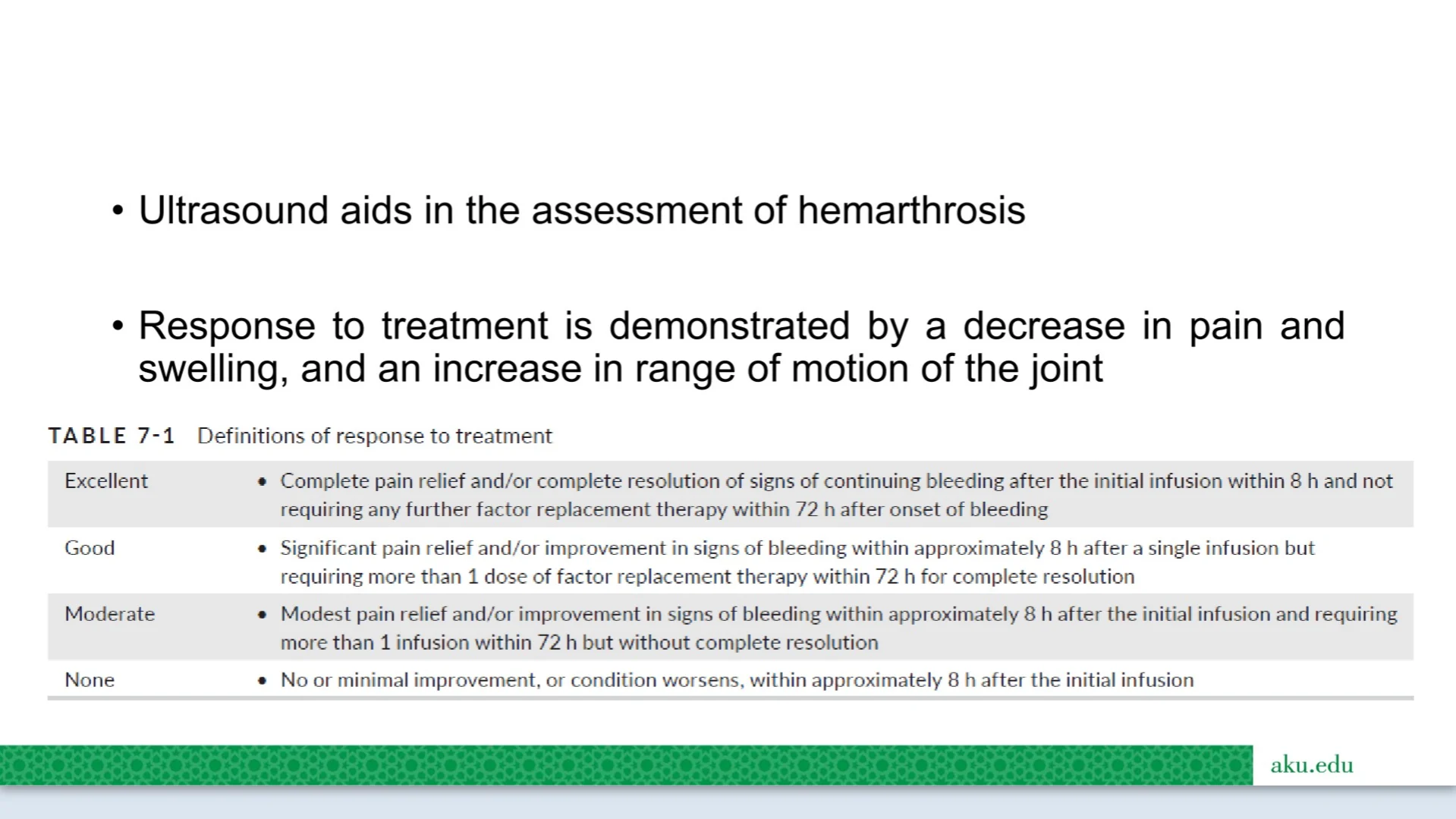
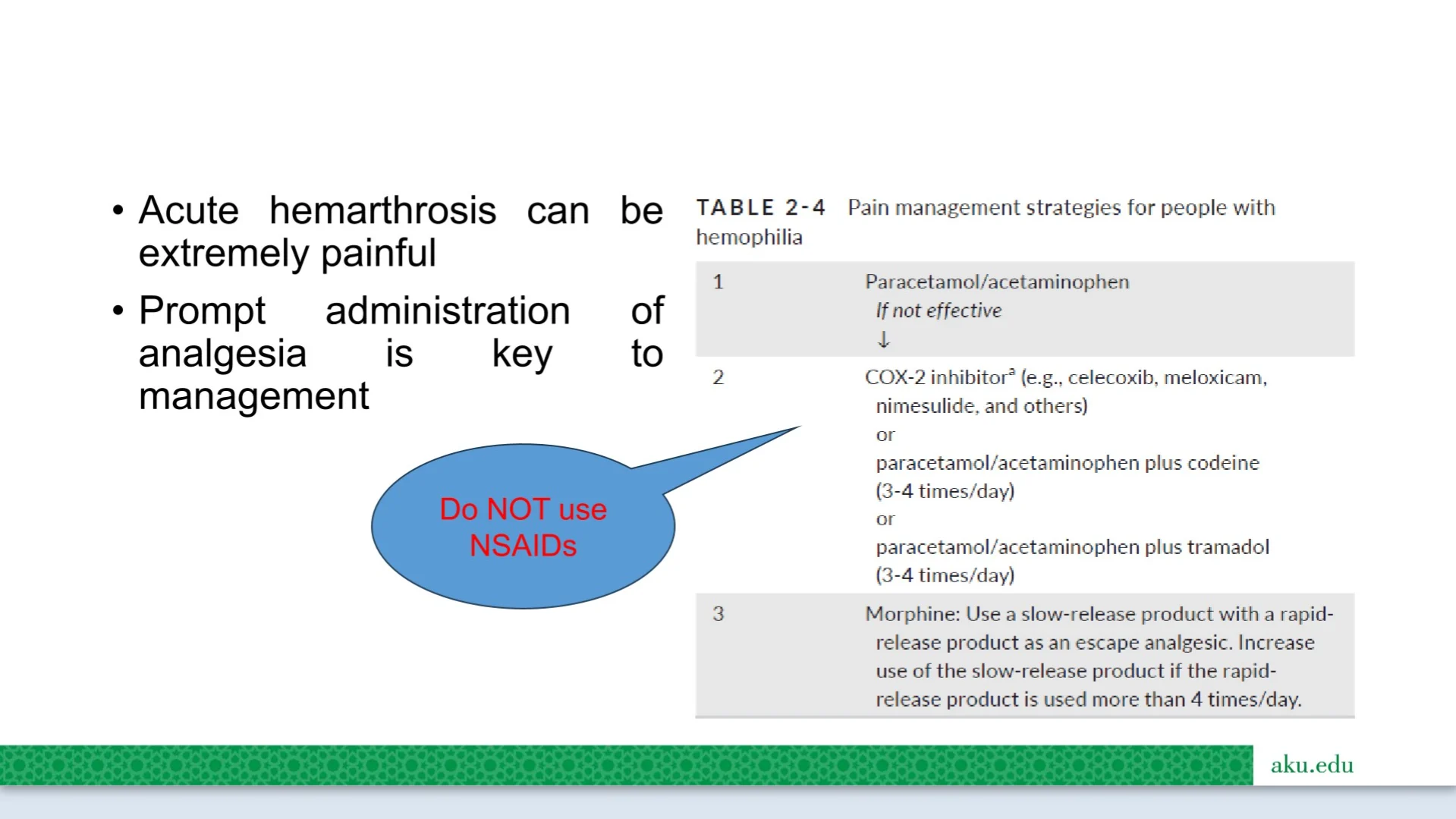
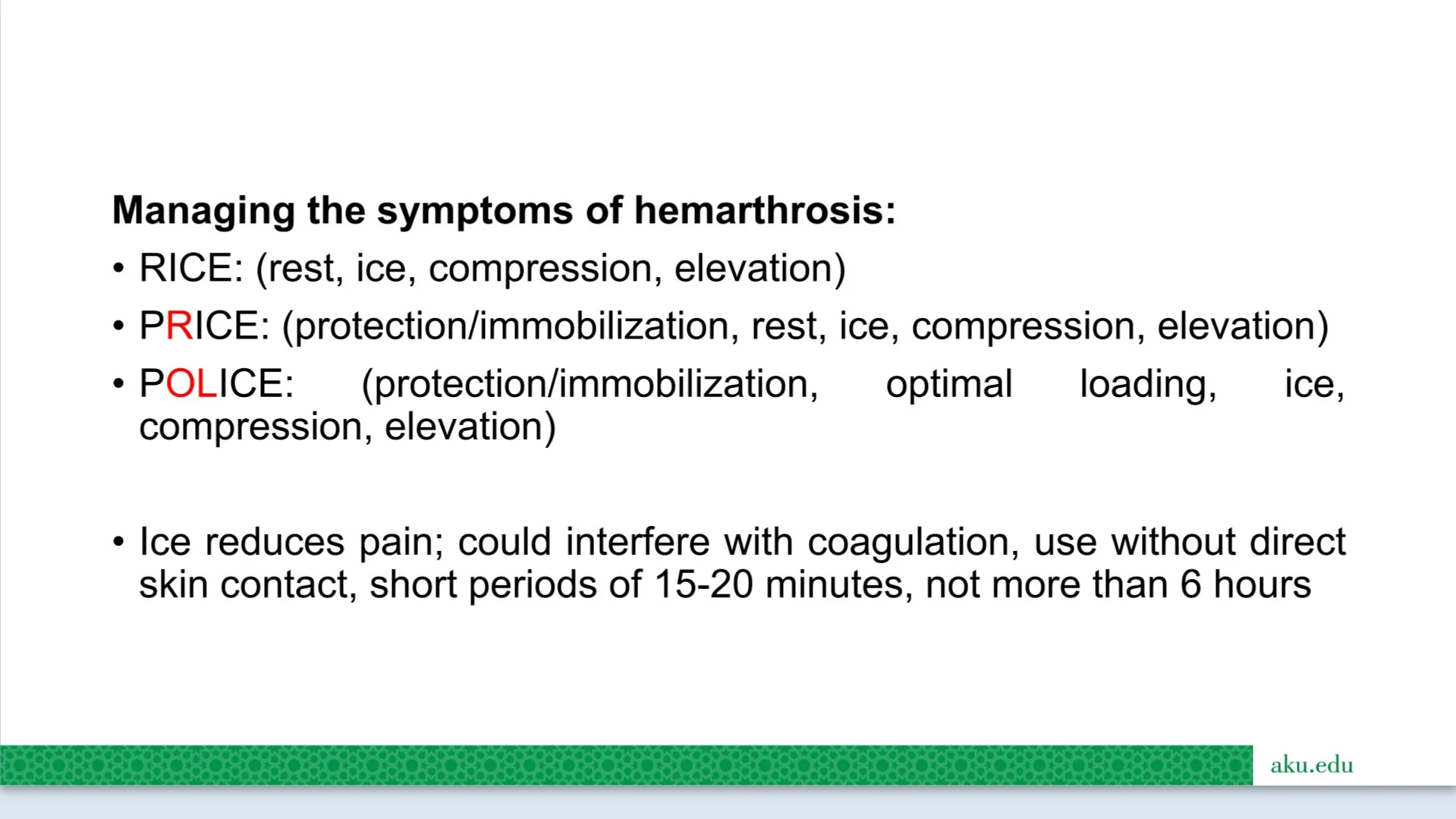
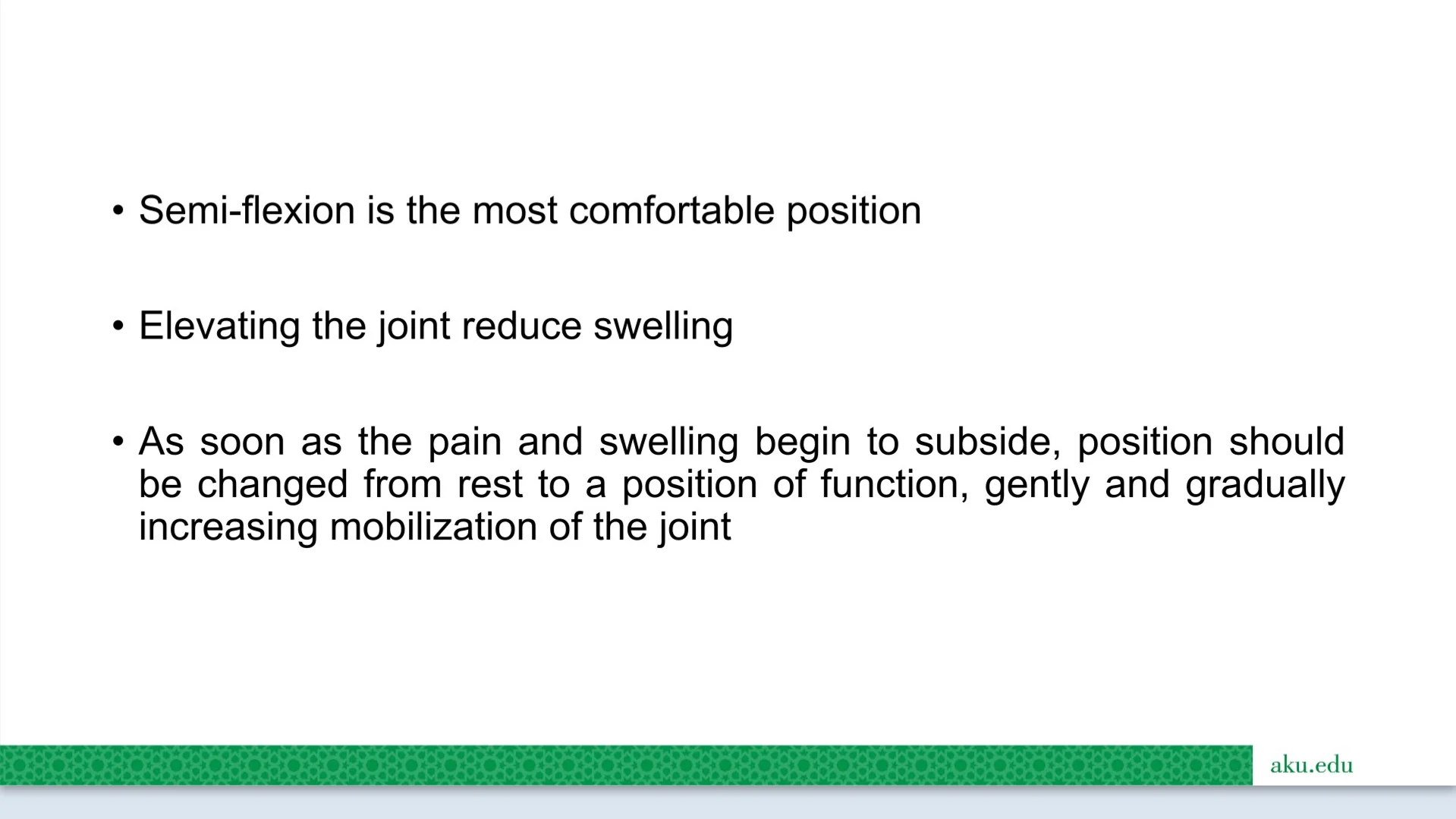
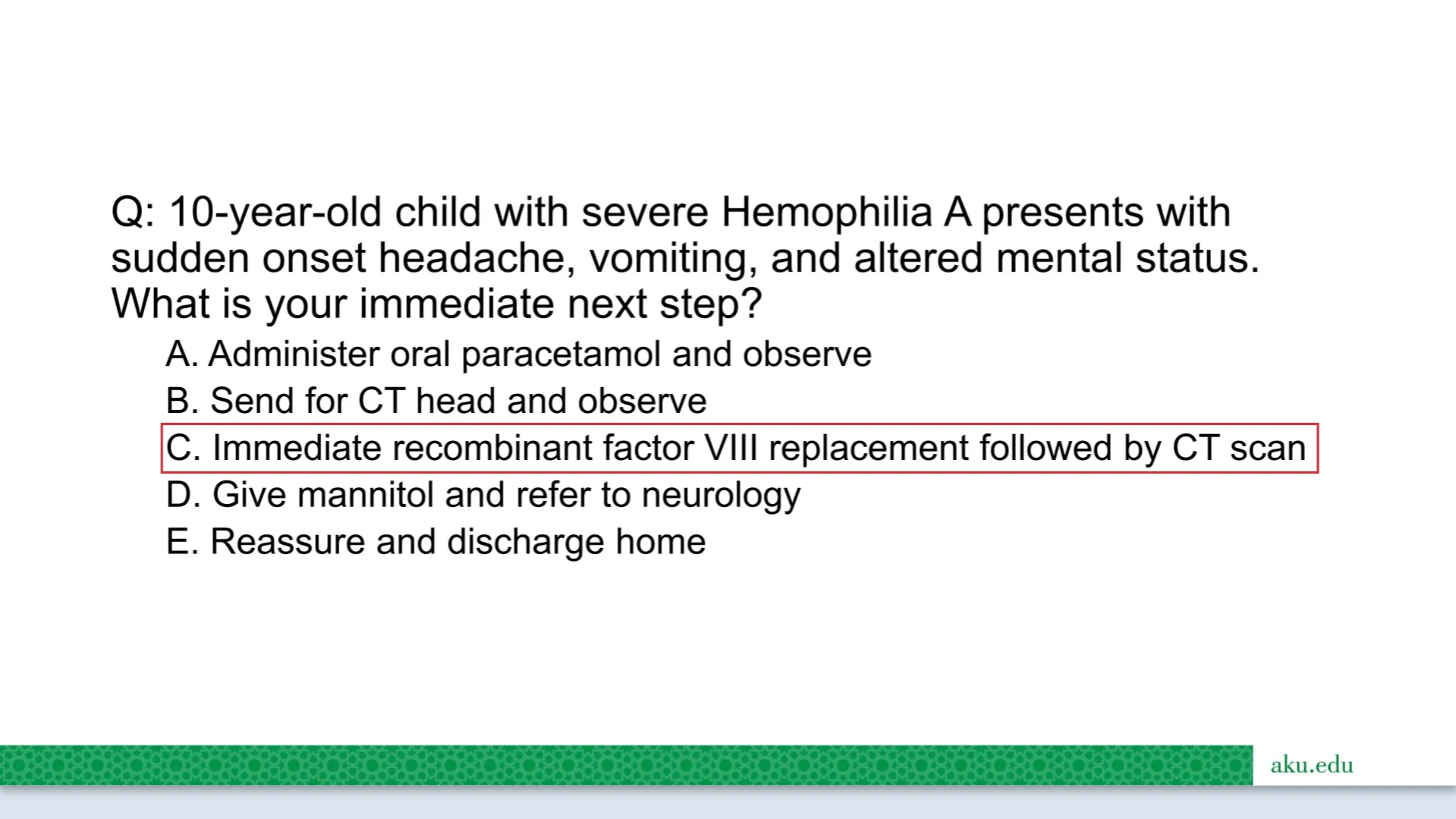
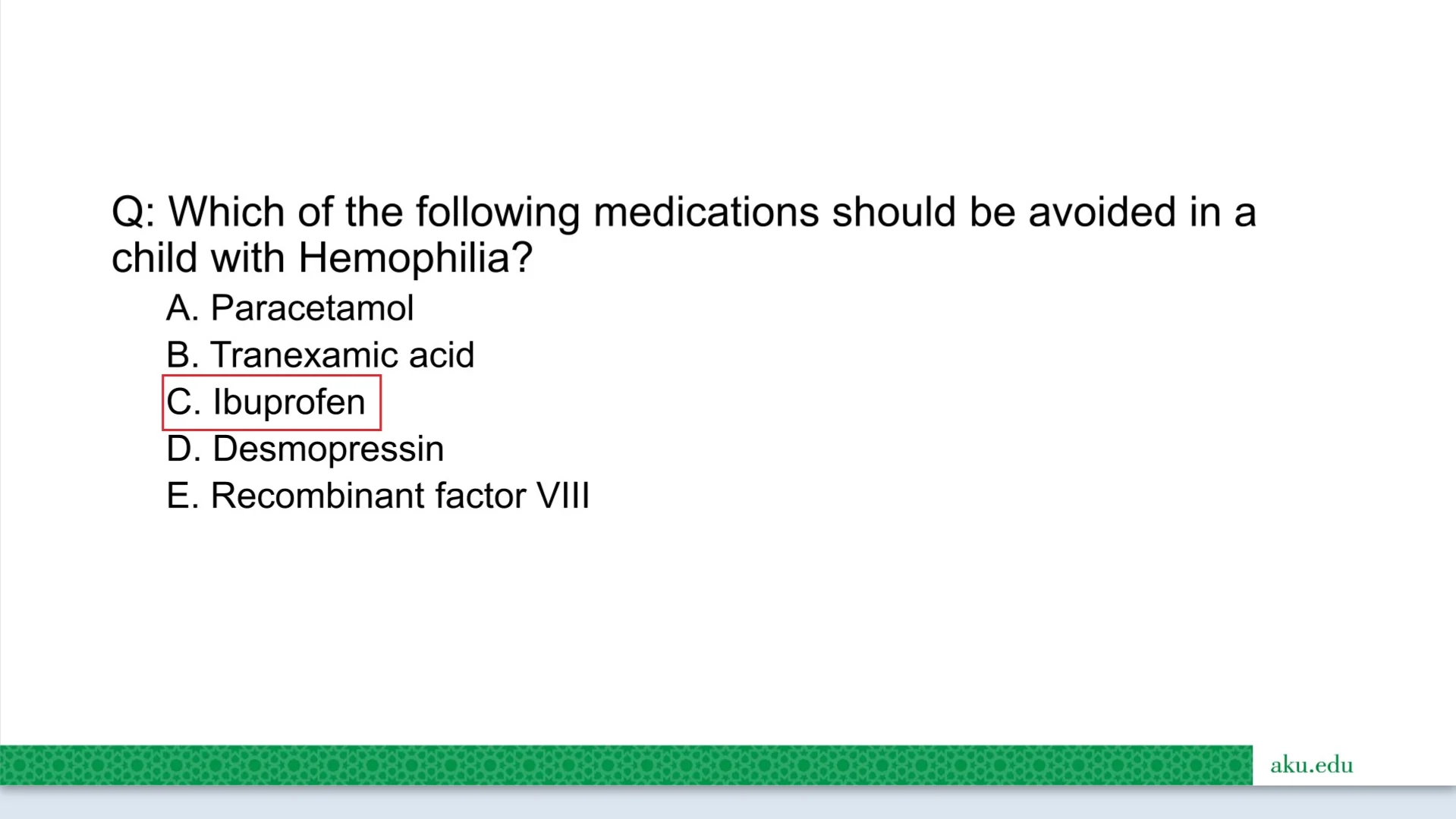
Management Pillars: The talk emphasized the ‘P.R.I.C.E’ protocol for acute bleeds (Protection, Rest, Ice, Compression, Elevation) alongside prompt factor replacement therapy.
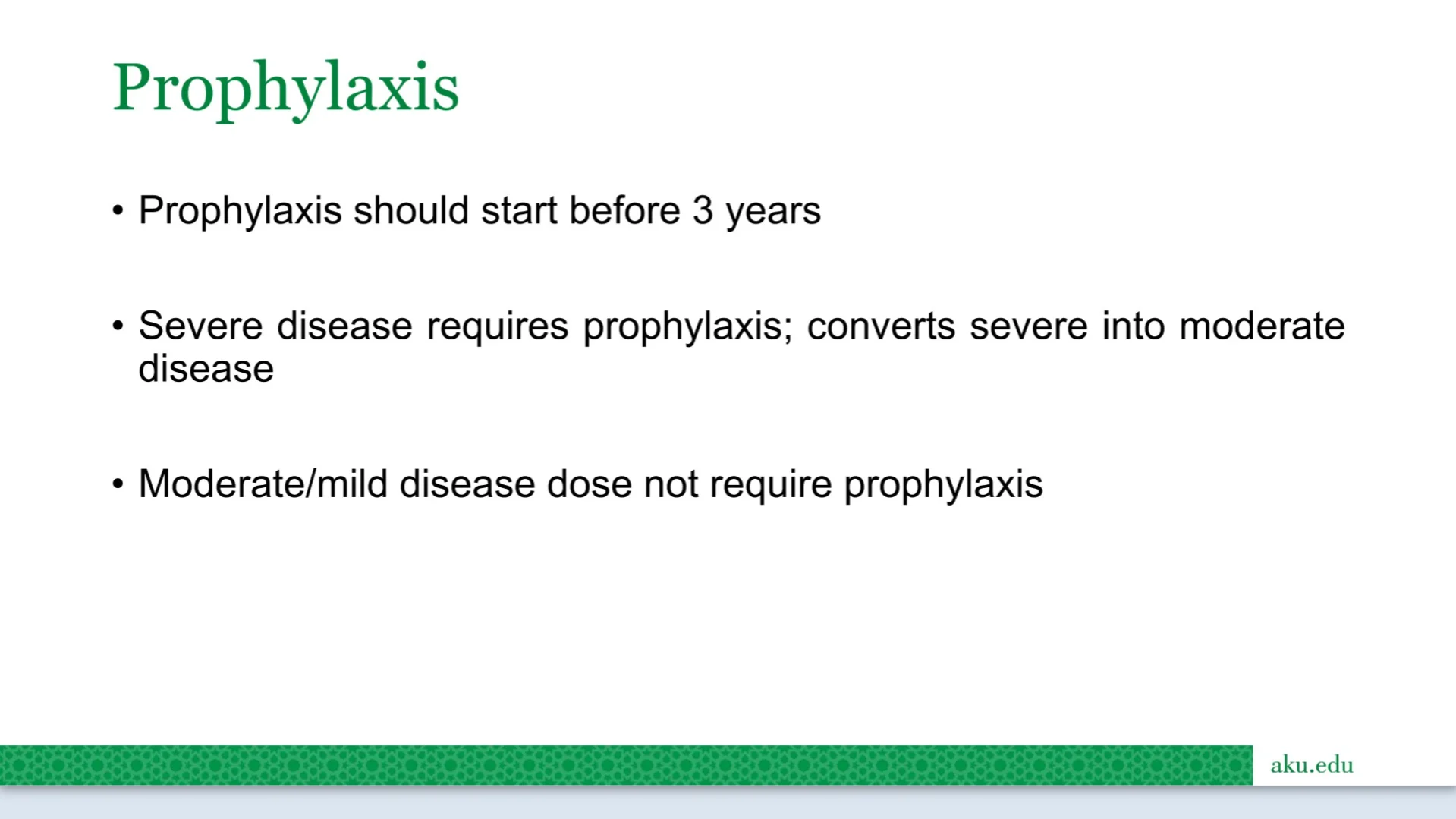
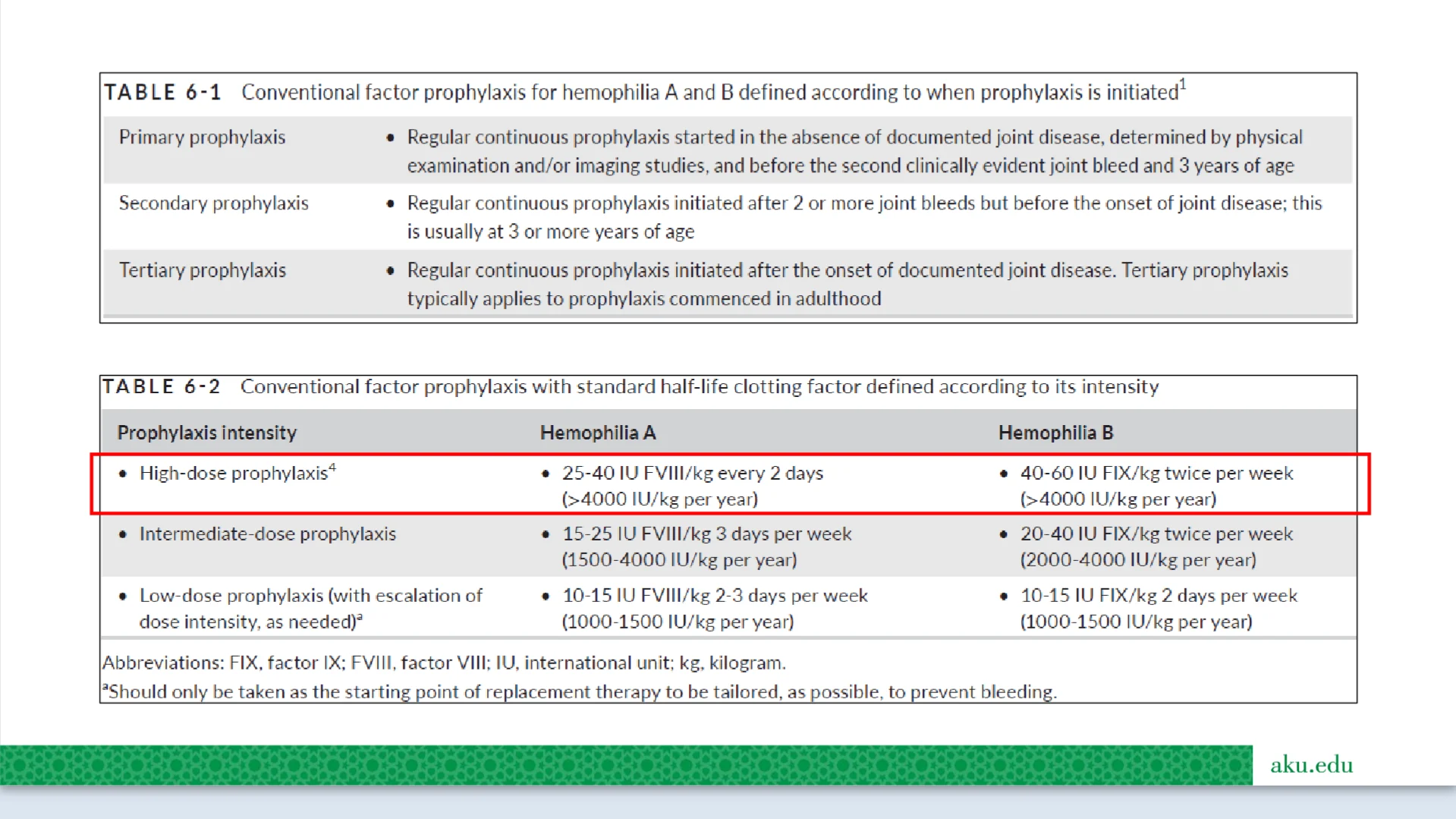
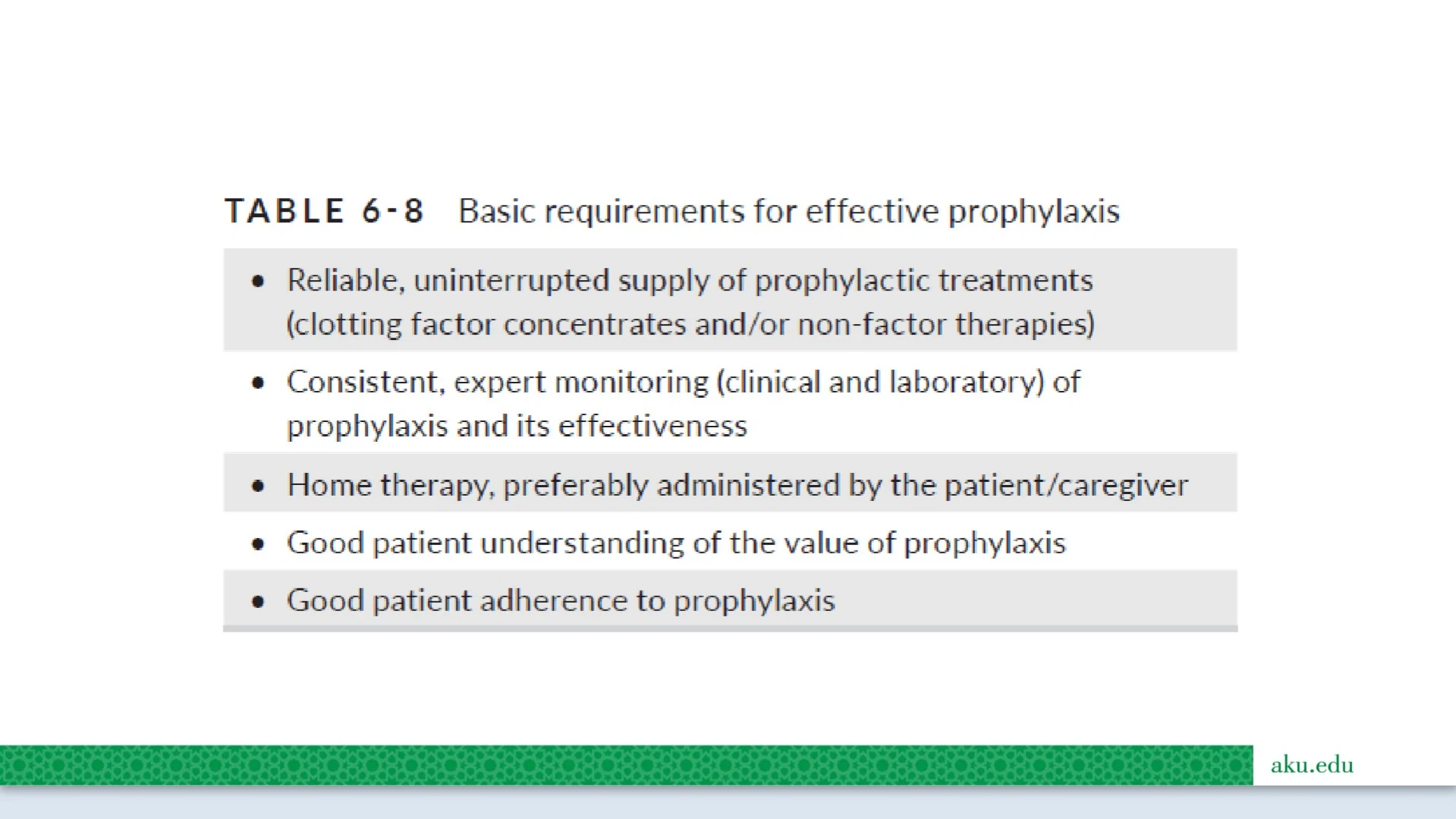
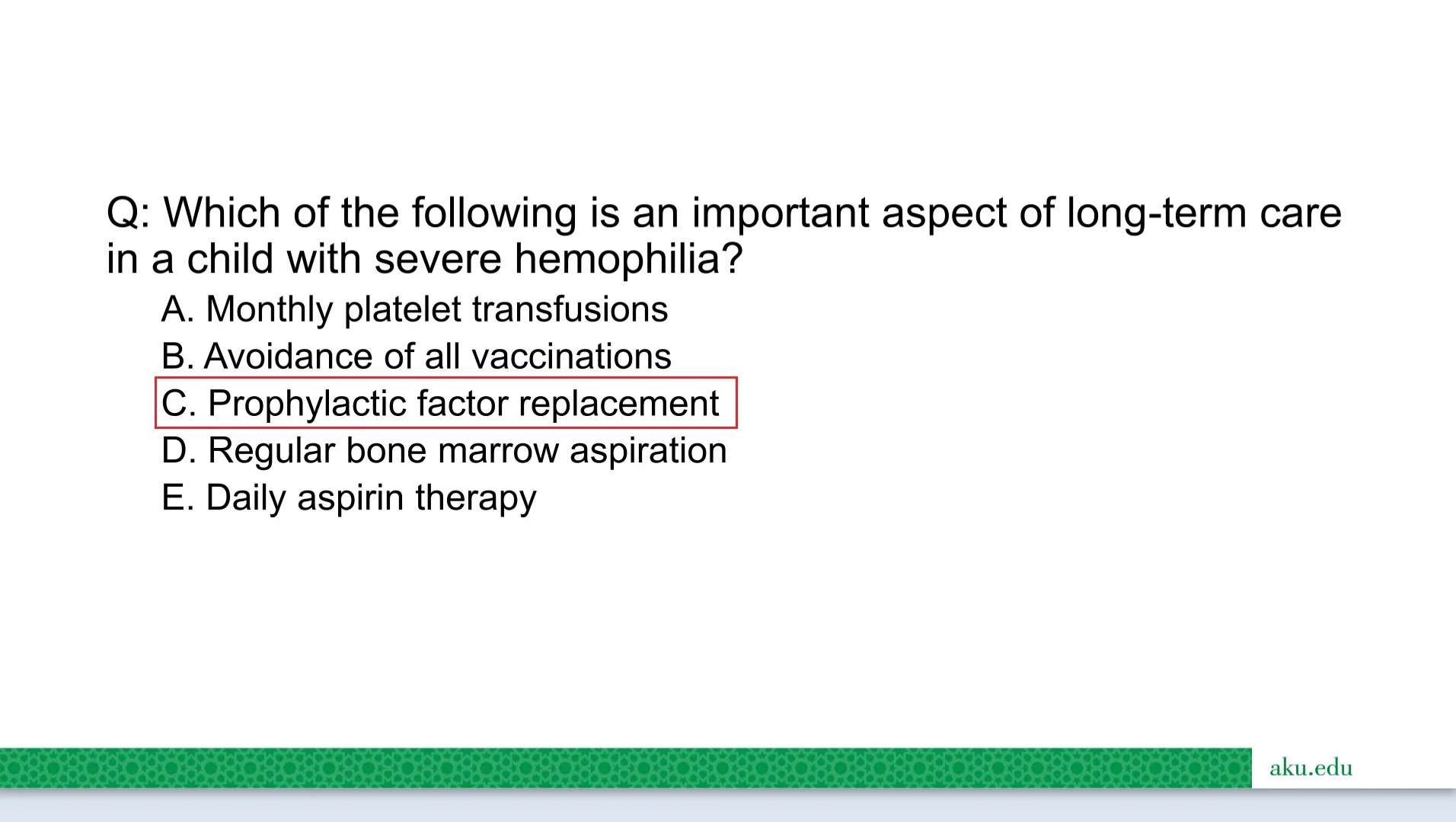
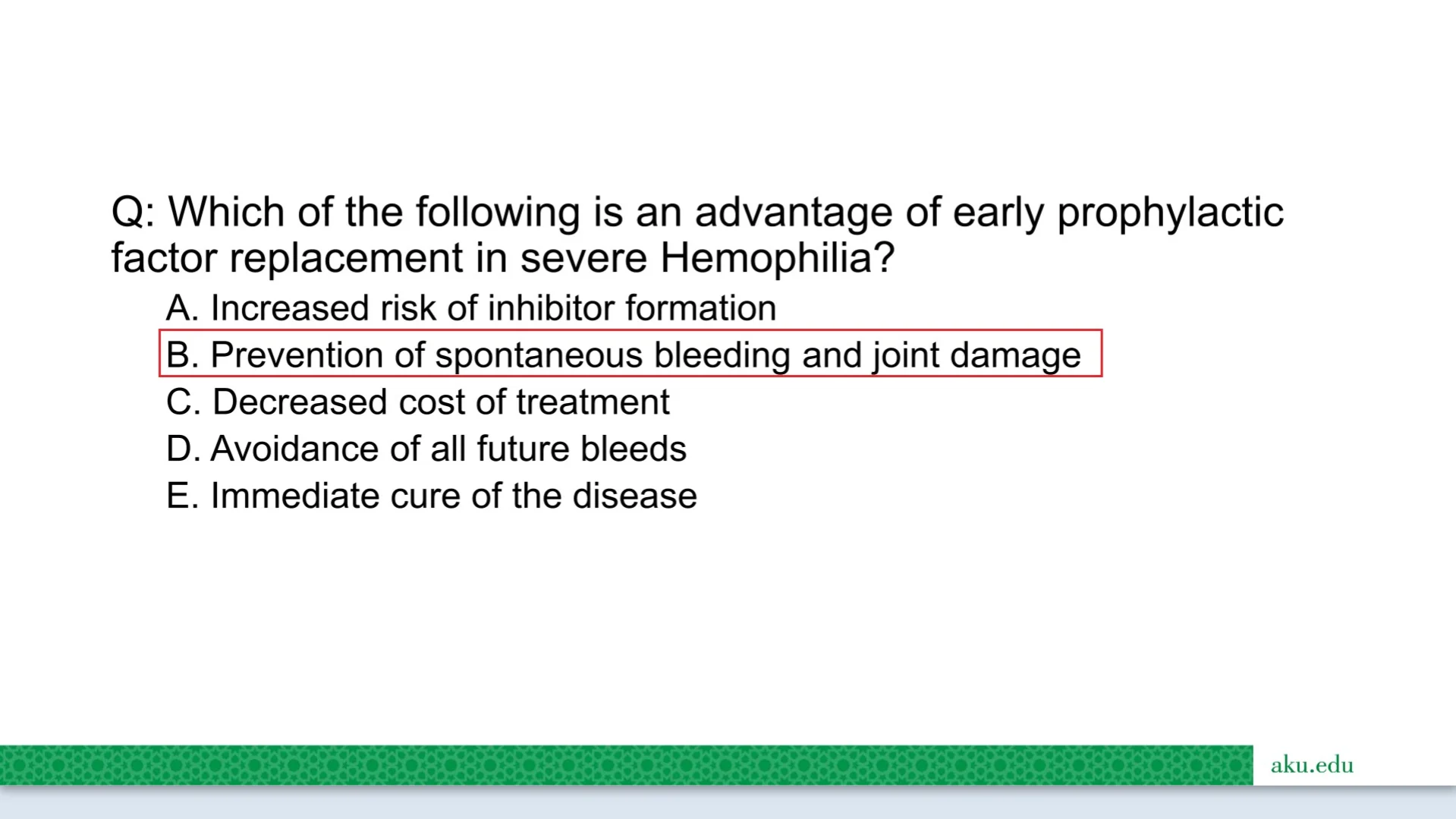
Prophylaxis versus Episodic Care: A major focus was the shift toward prophylaxis (regular treatment to prevent bleeds) as the gold standard for preventing chronic hemophilic arthropathy and improving quality of life.
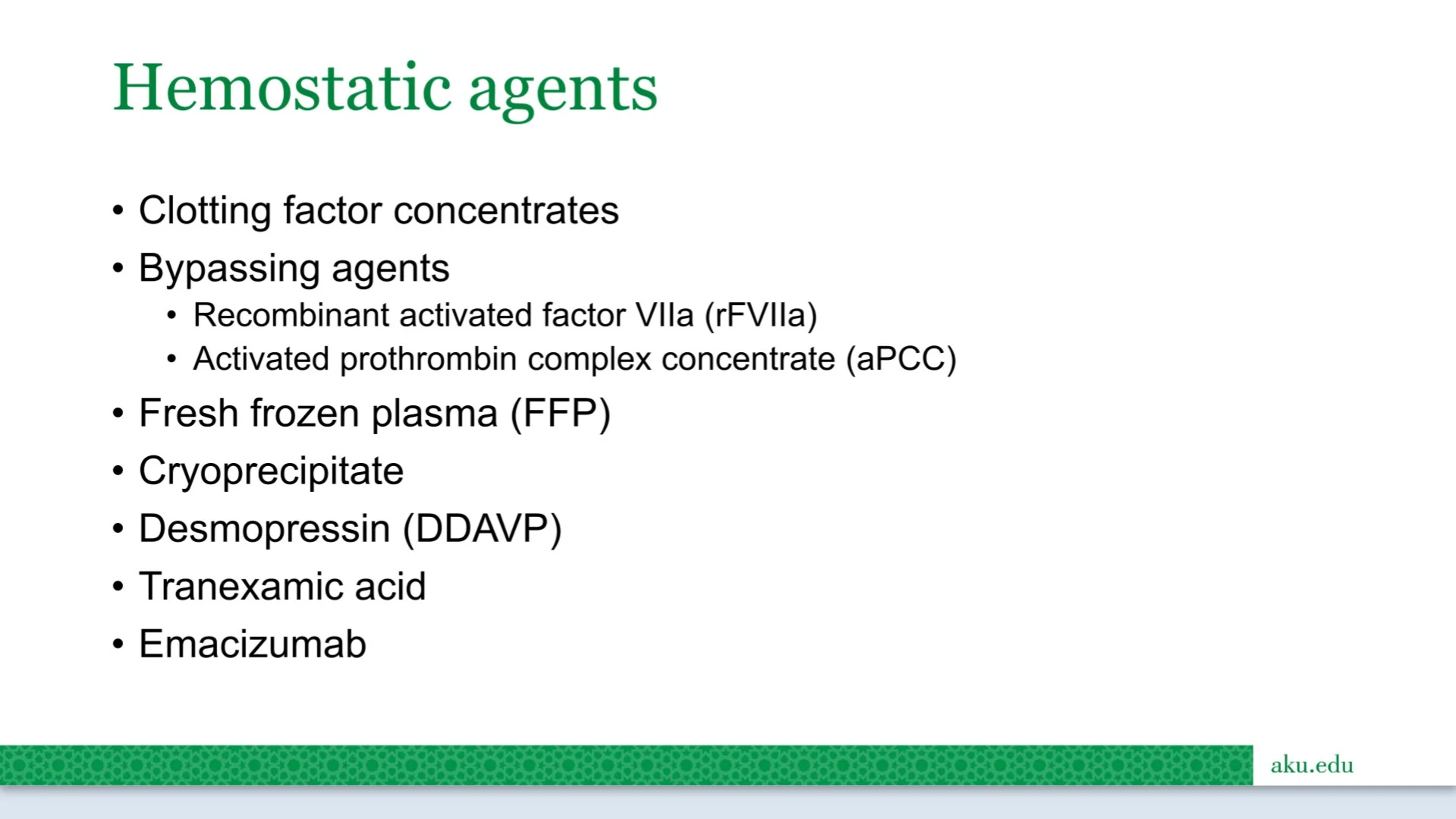
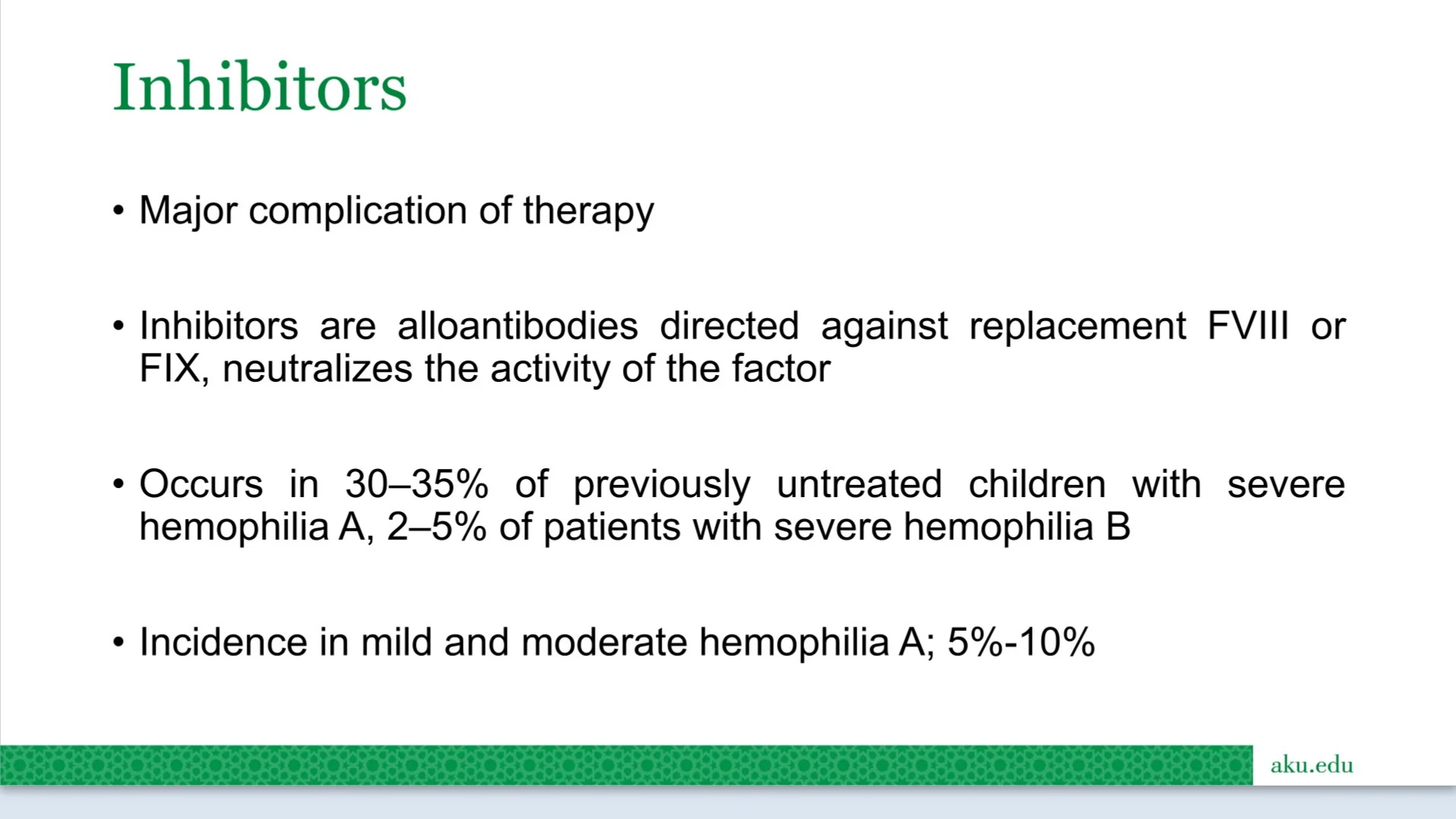
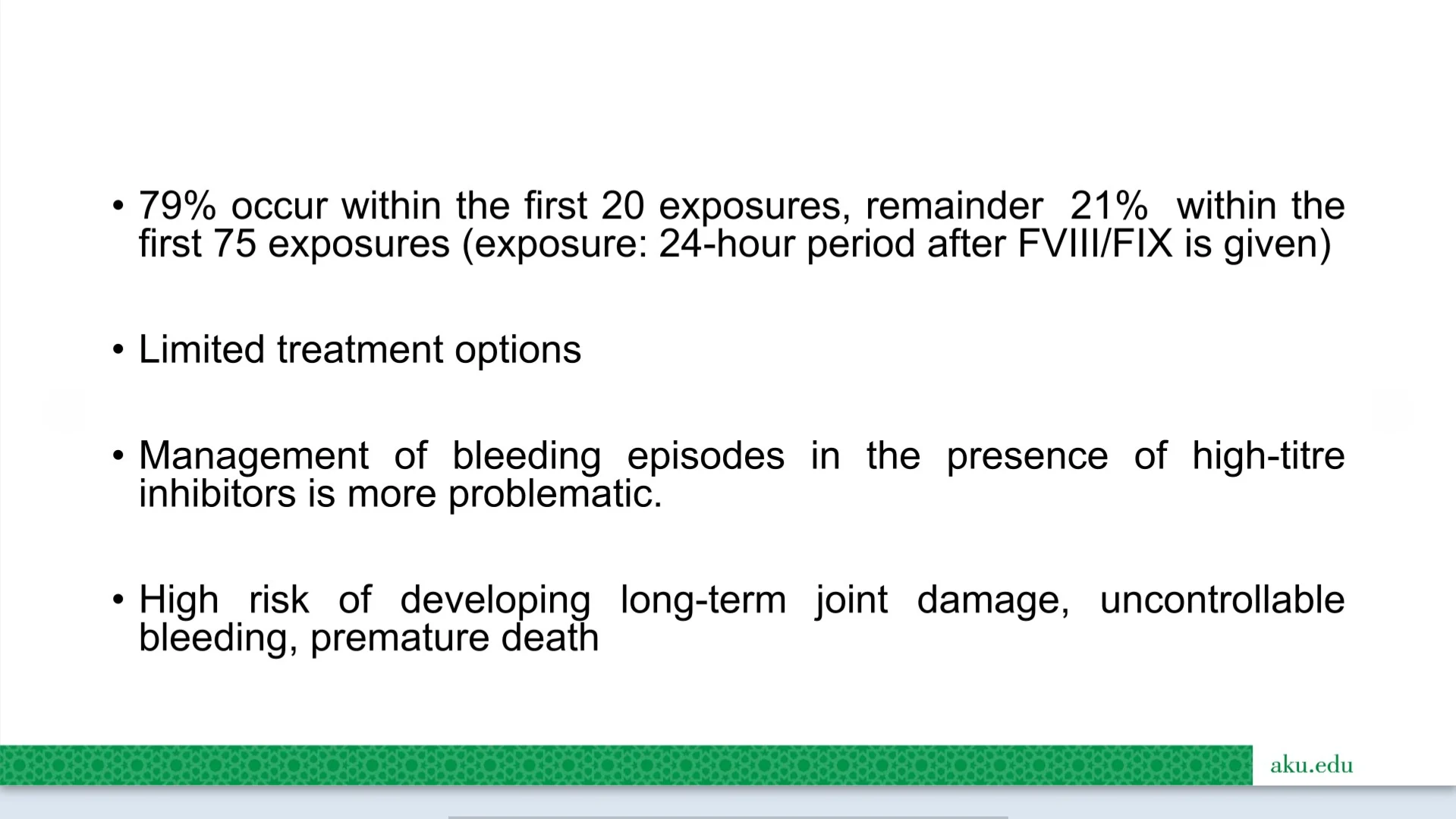
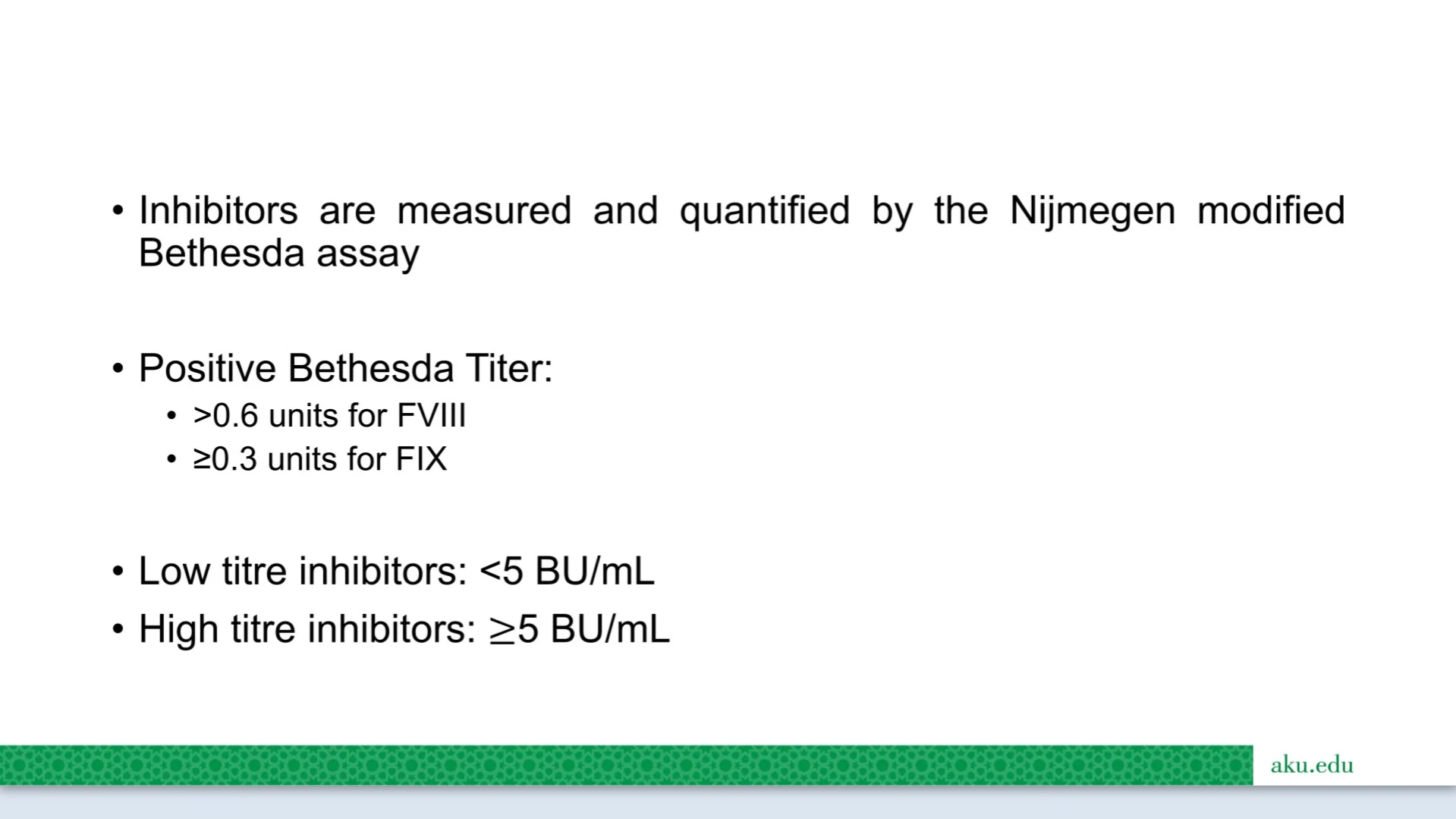
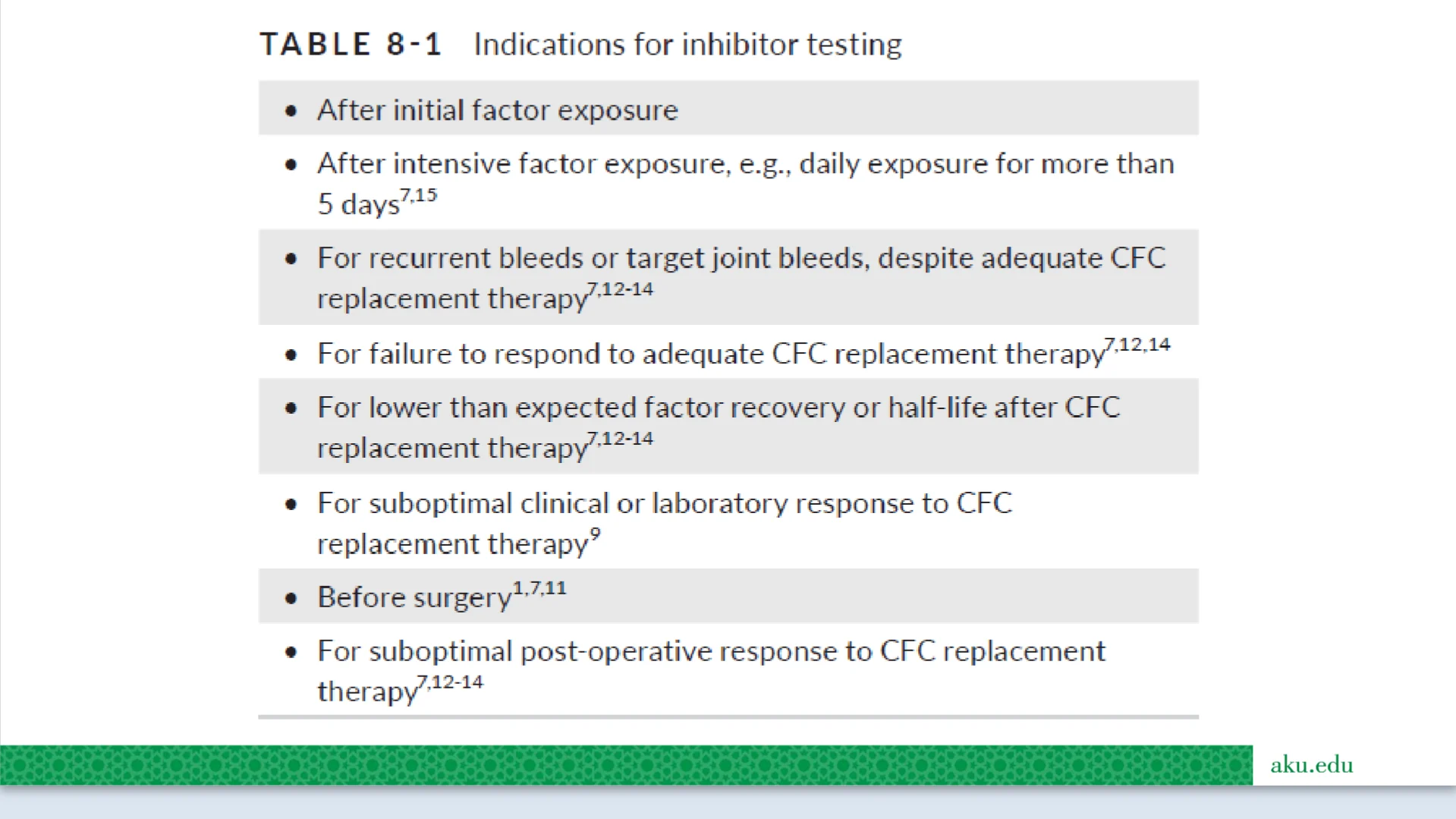
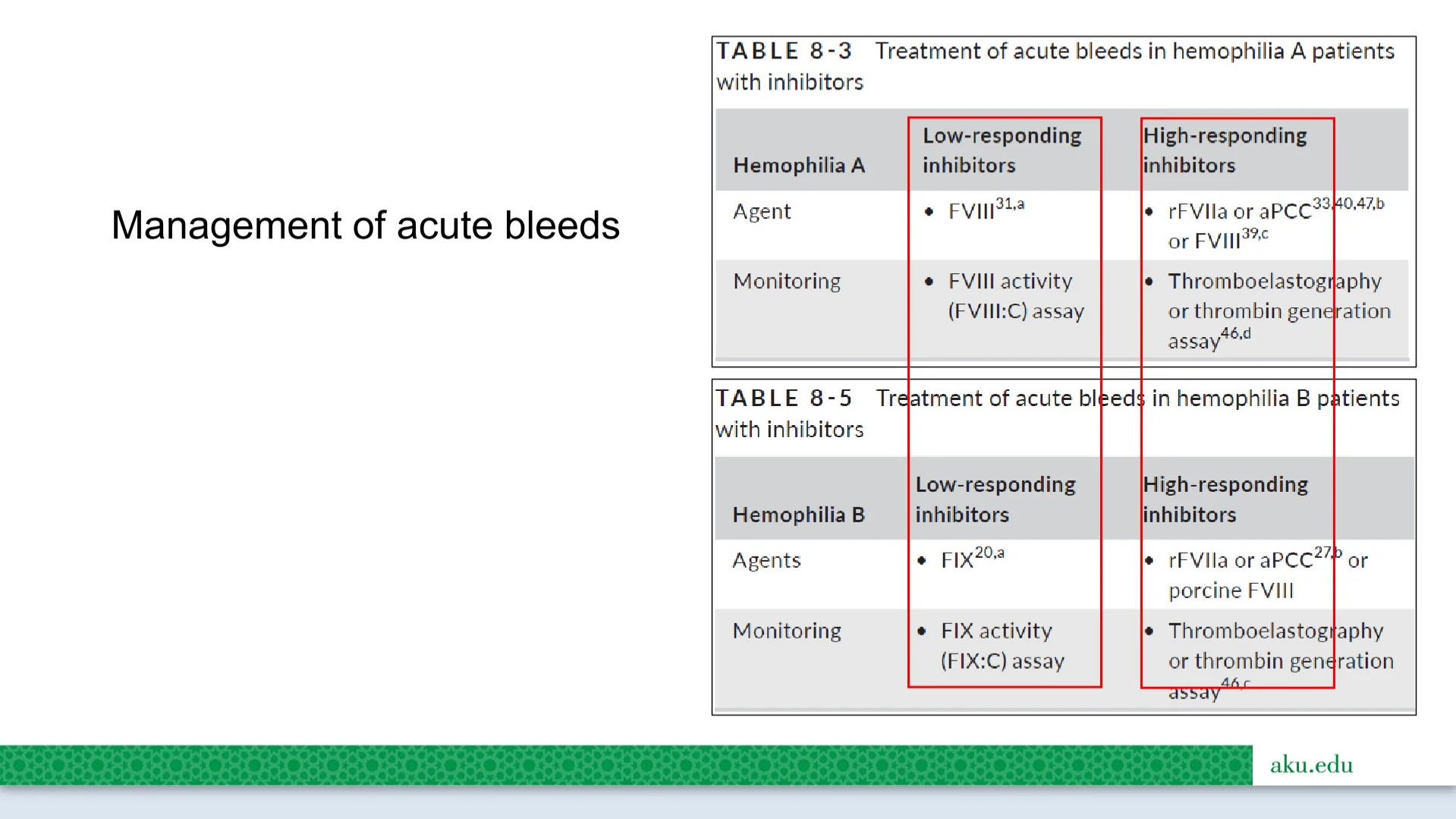
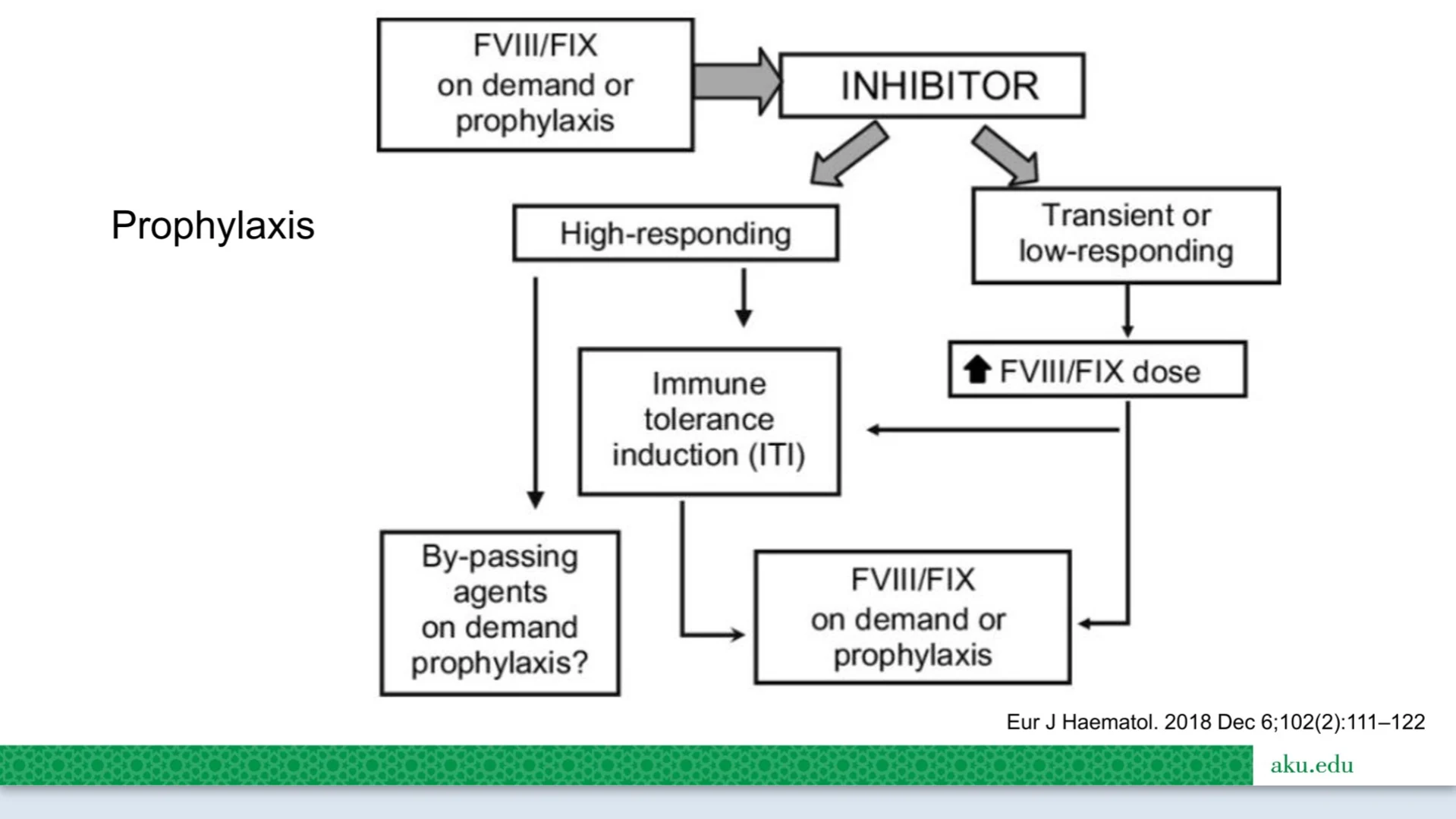
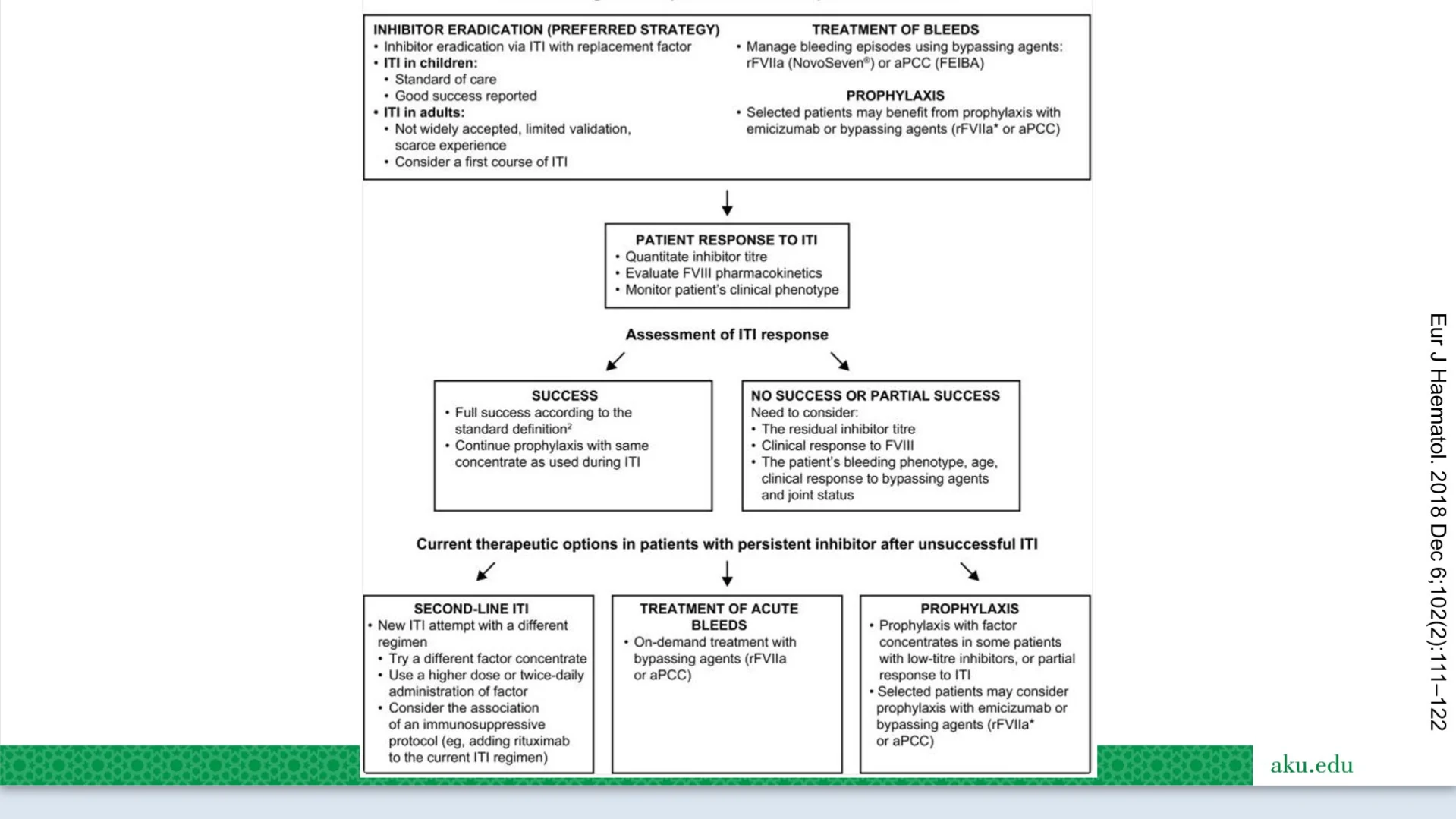
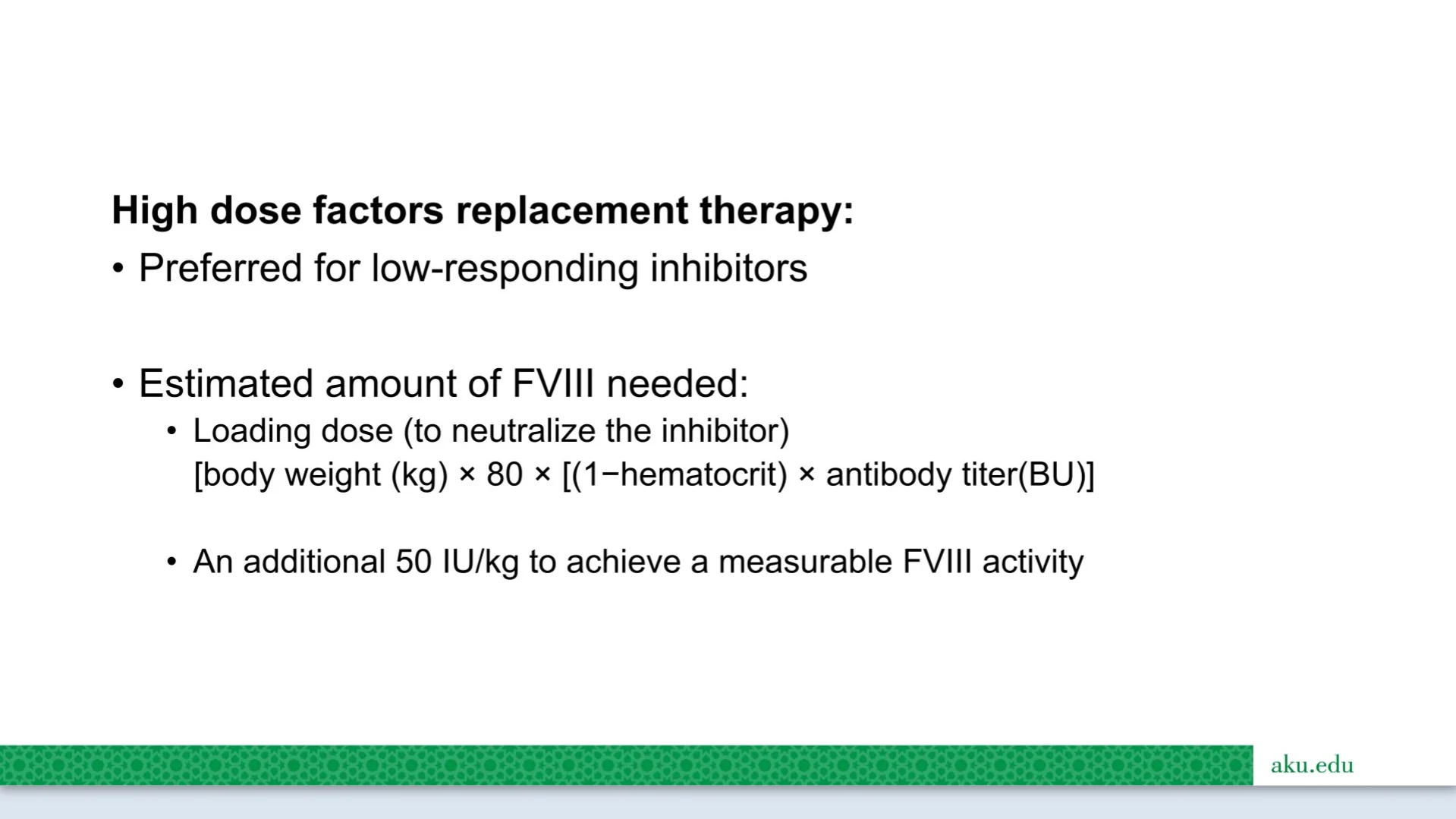
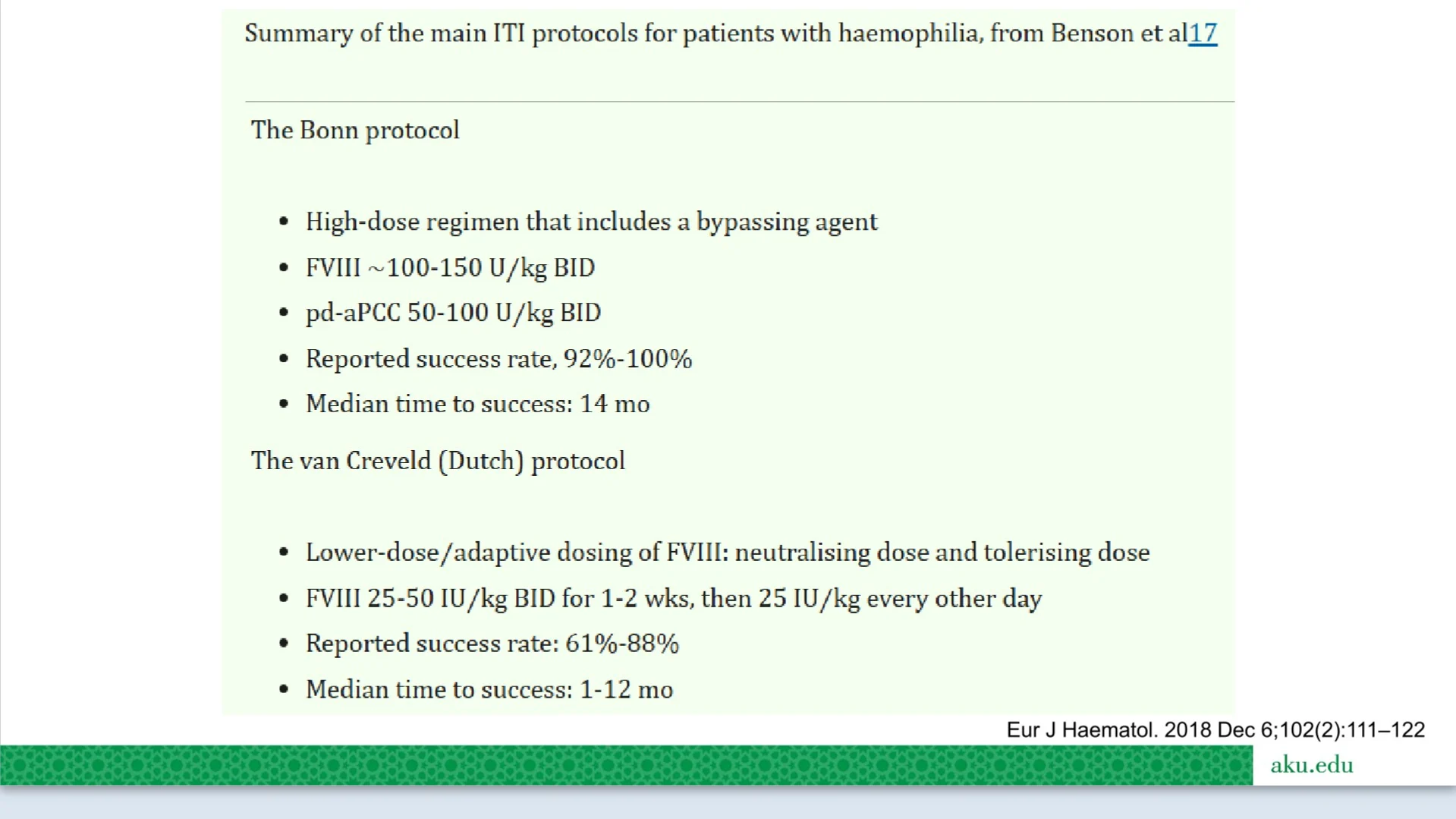
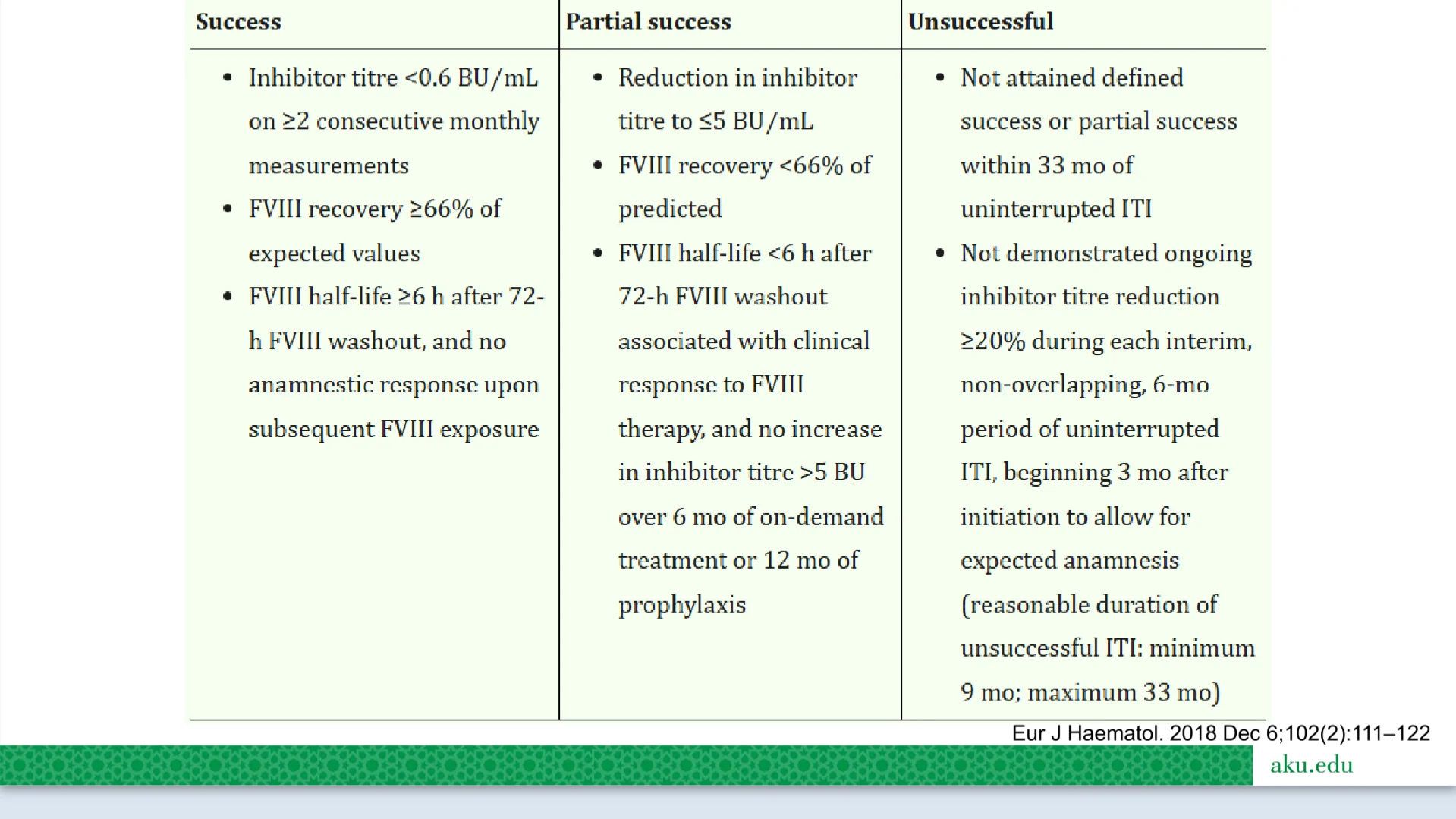
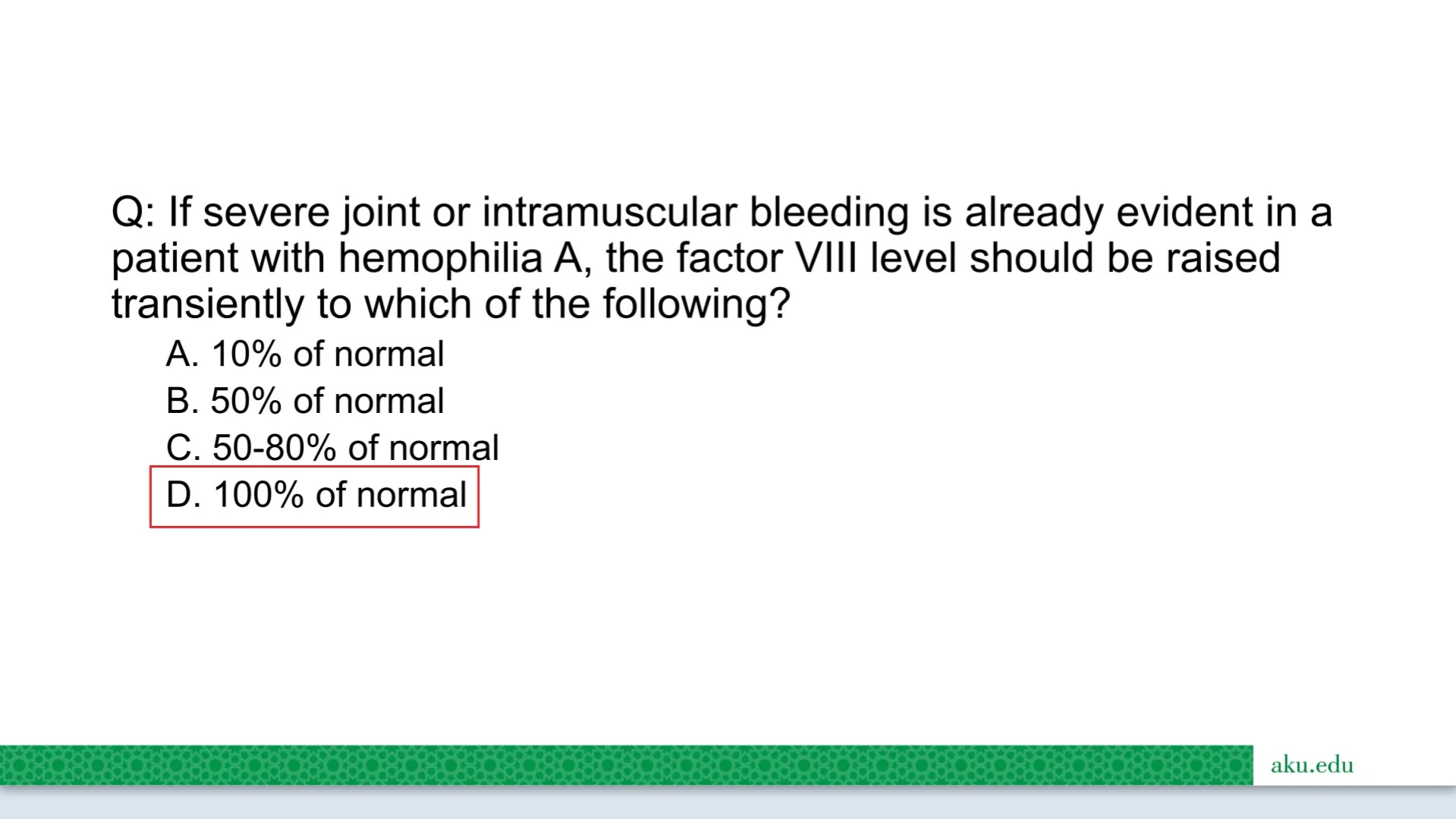
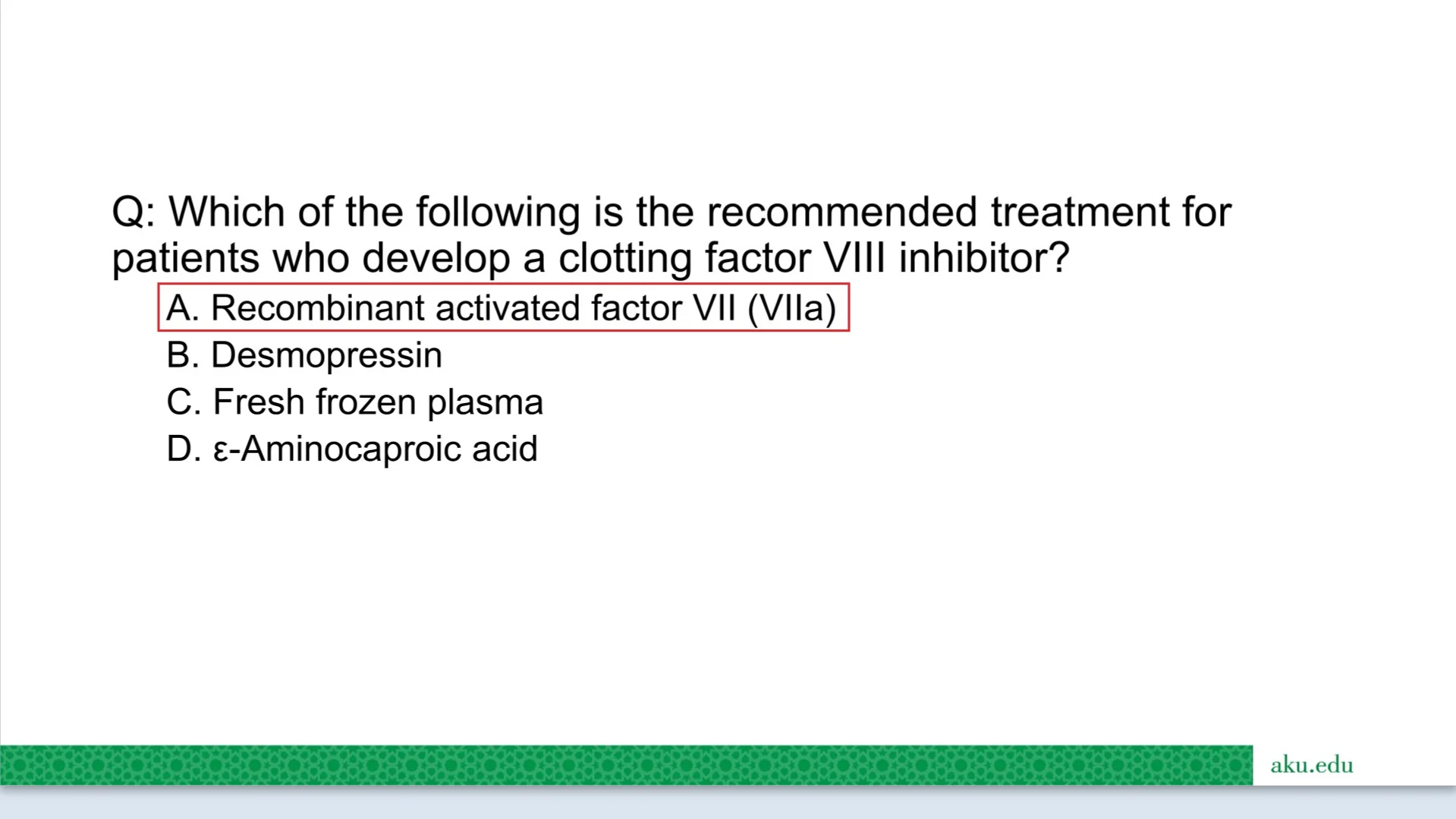
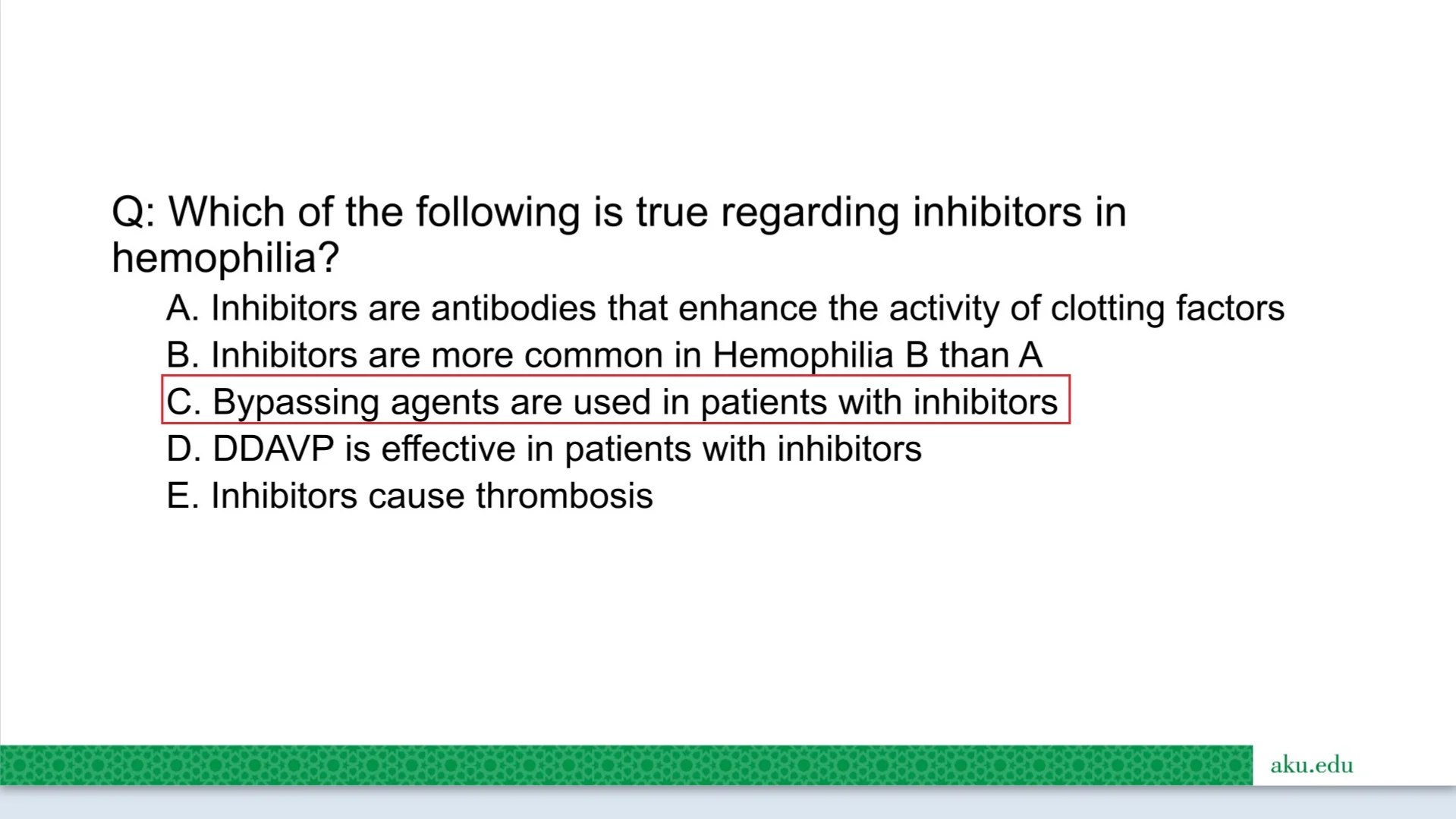
Inhibitors and Complications: We addressed the challenge of inhibitors, where the body’s immune system reacts against replacement factors, necessitating advanced bypass agents or immune tolerance induction.
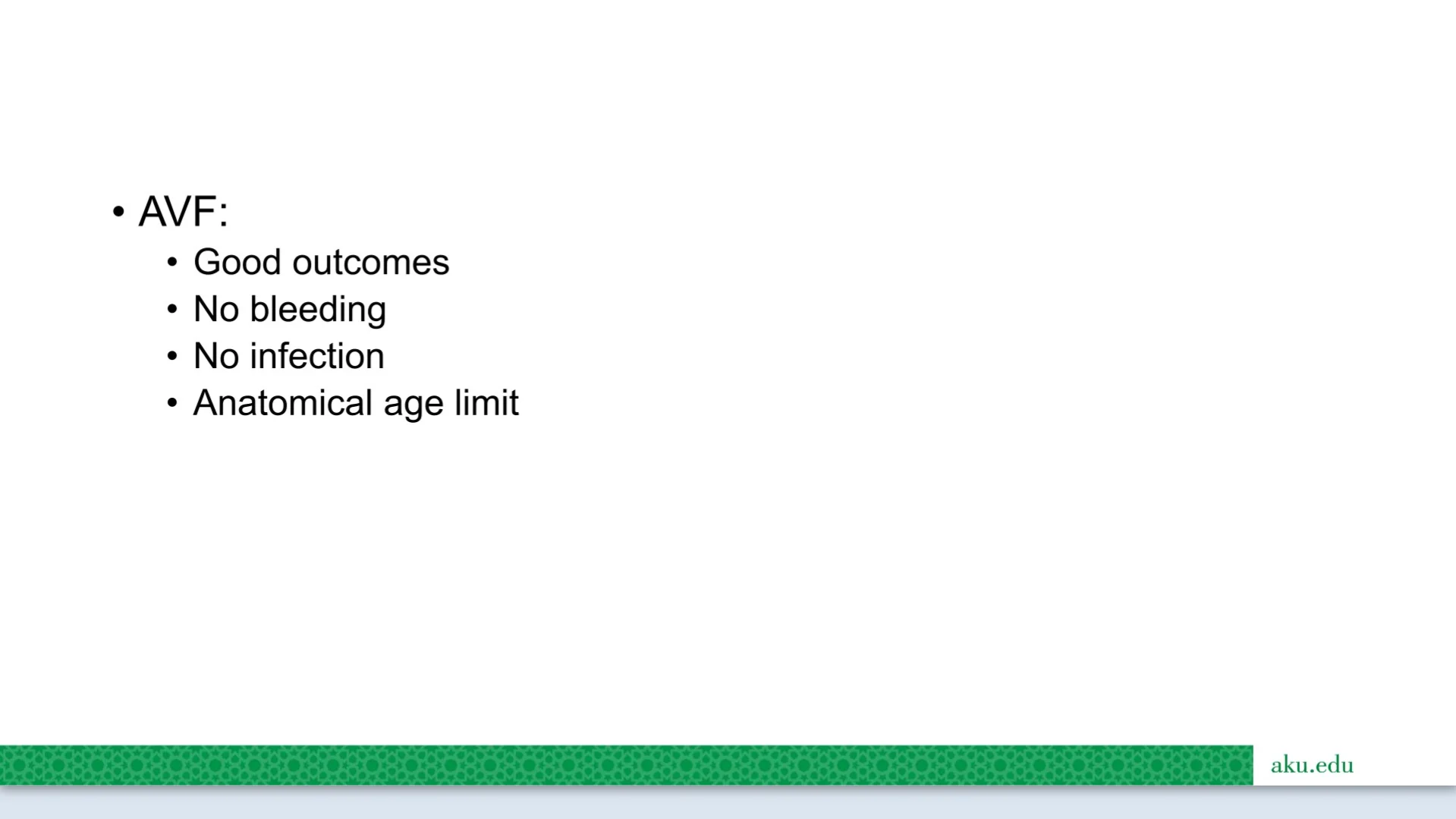
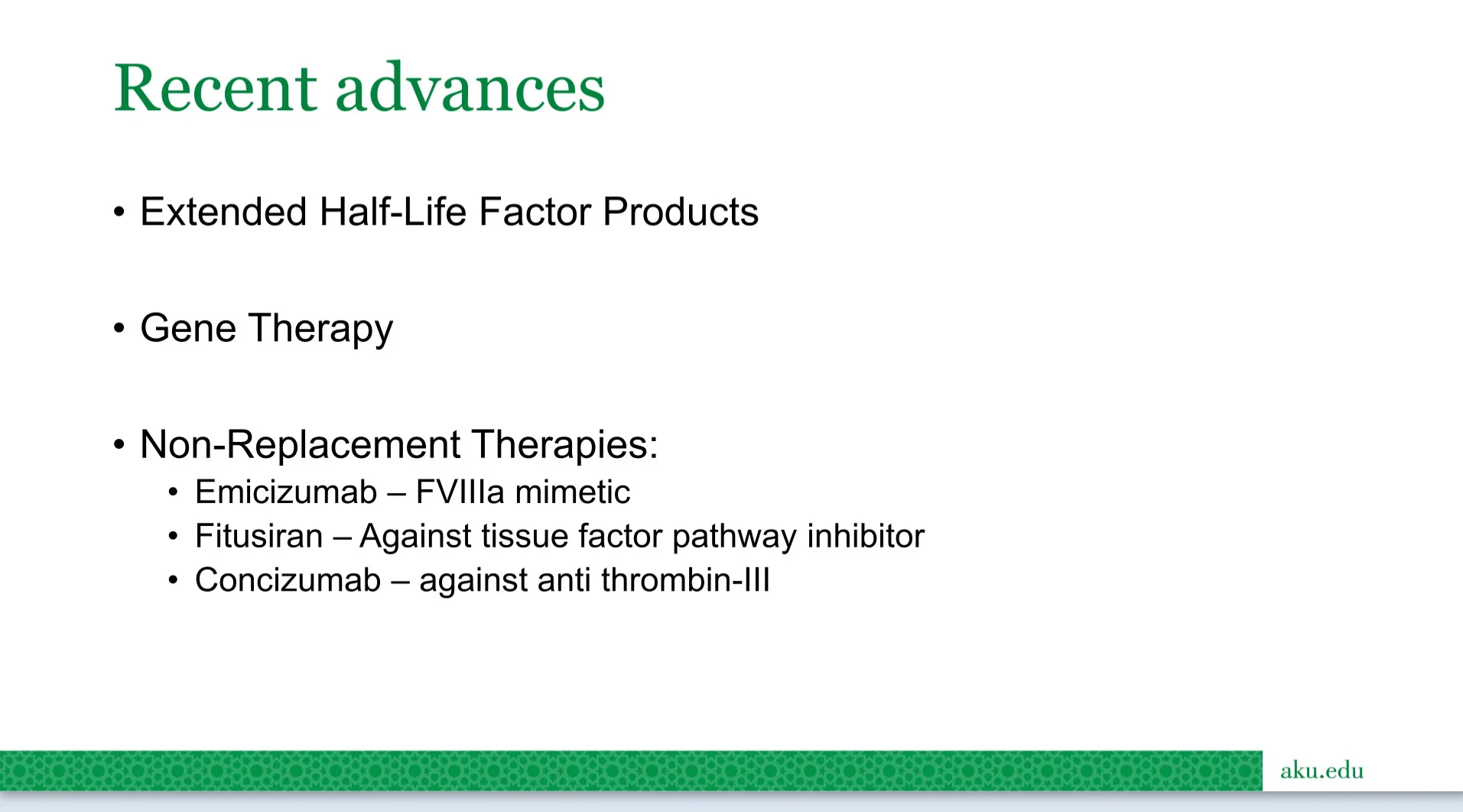
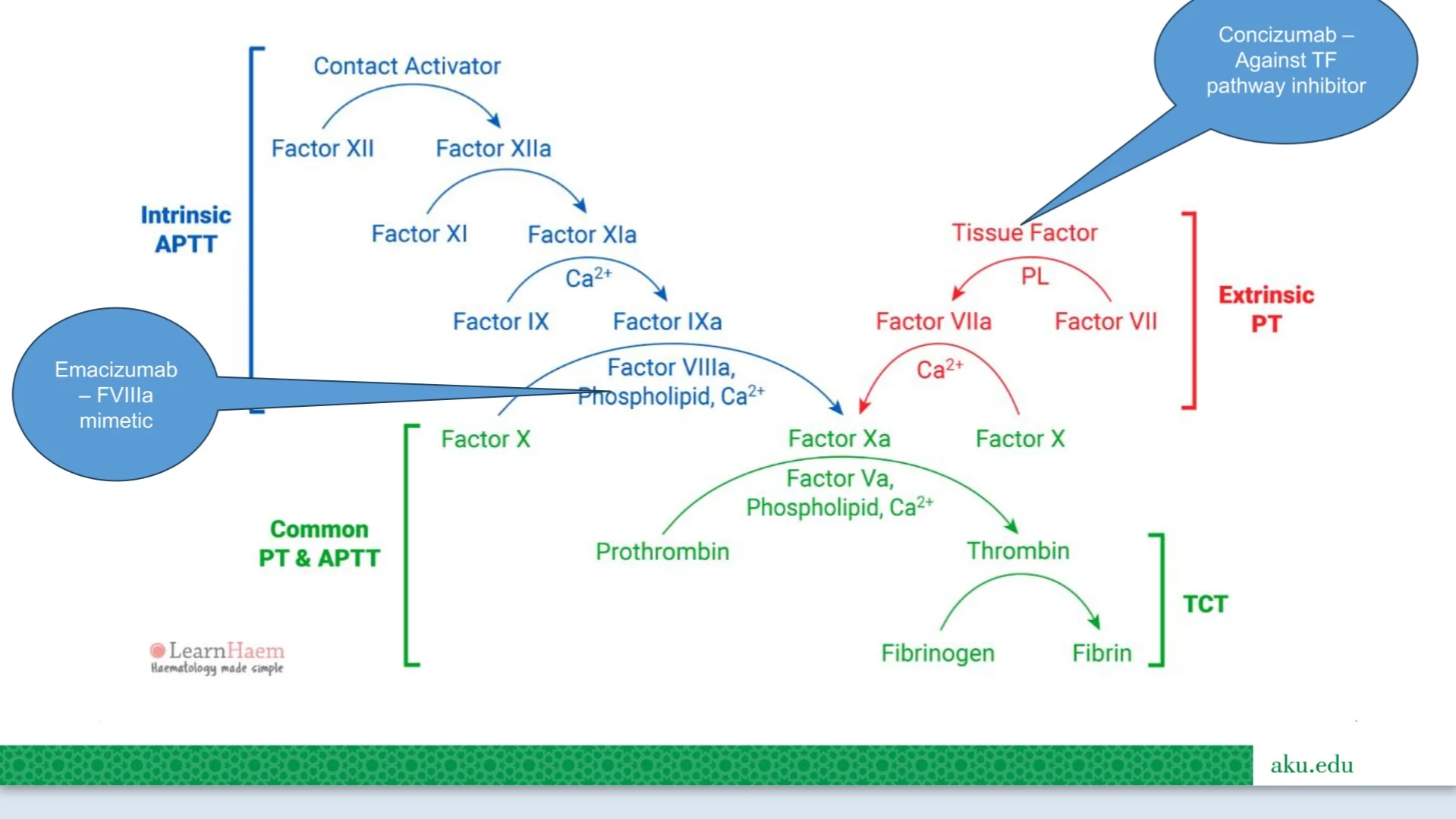
Future Frontiers: I shared insights into the potential of gene therapy and non-factor replacement therapies, like Emicizumab, which are revolutionizing how we approach long-term care.
Thank you to the team at NICH for organizing this event and for their unwavering commitment to our young patients in Karachi.
Together, we can strive for a future where ‘Access for All’ becomes a reality.”
See more in the gallery.
Stay updated with Hemostasis Today.
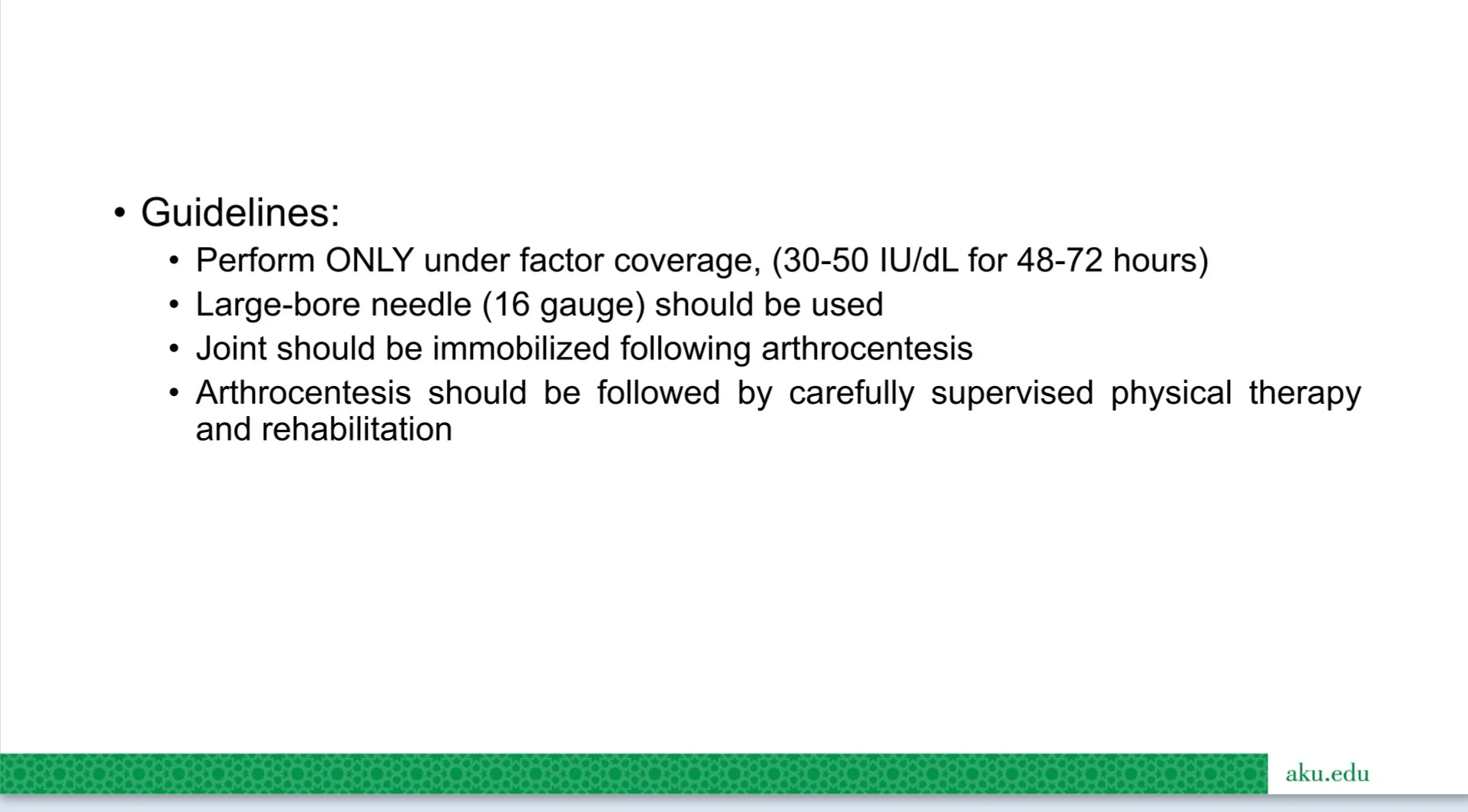
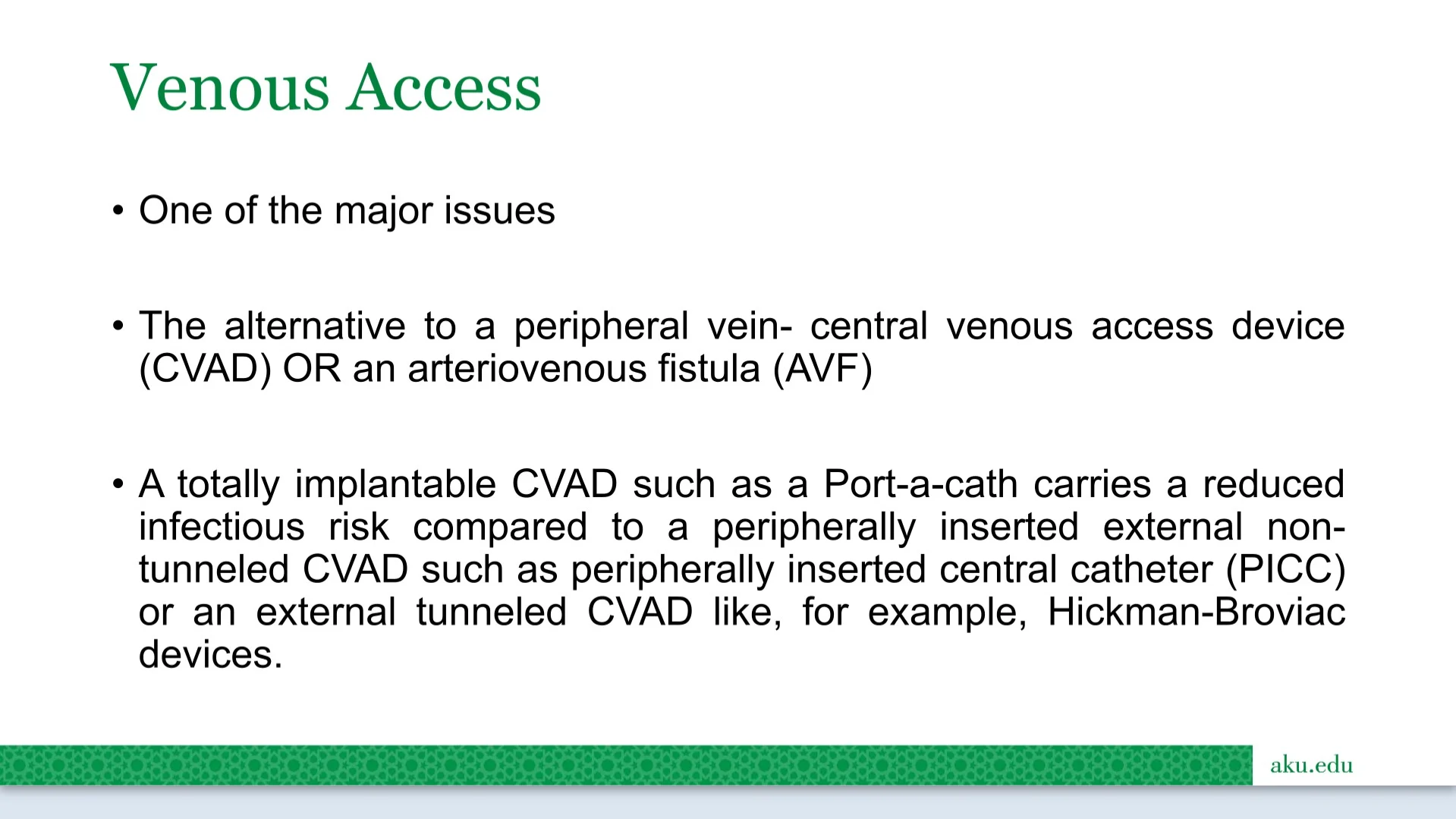
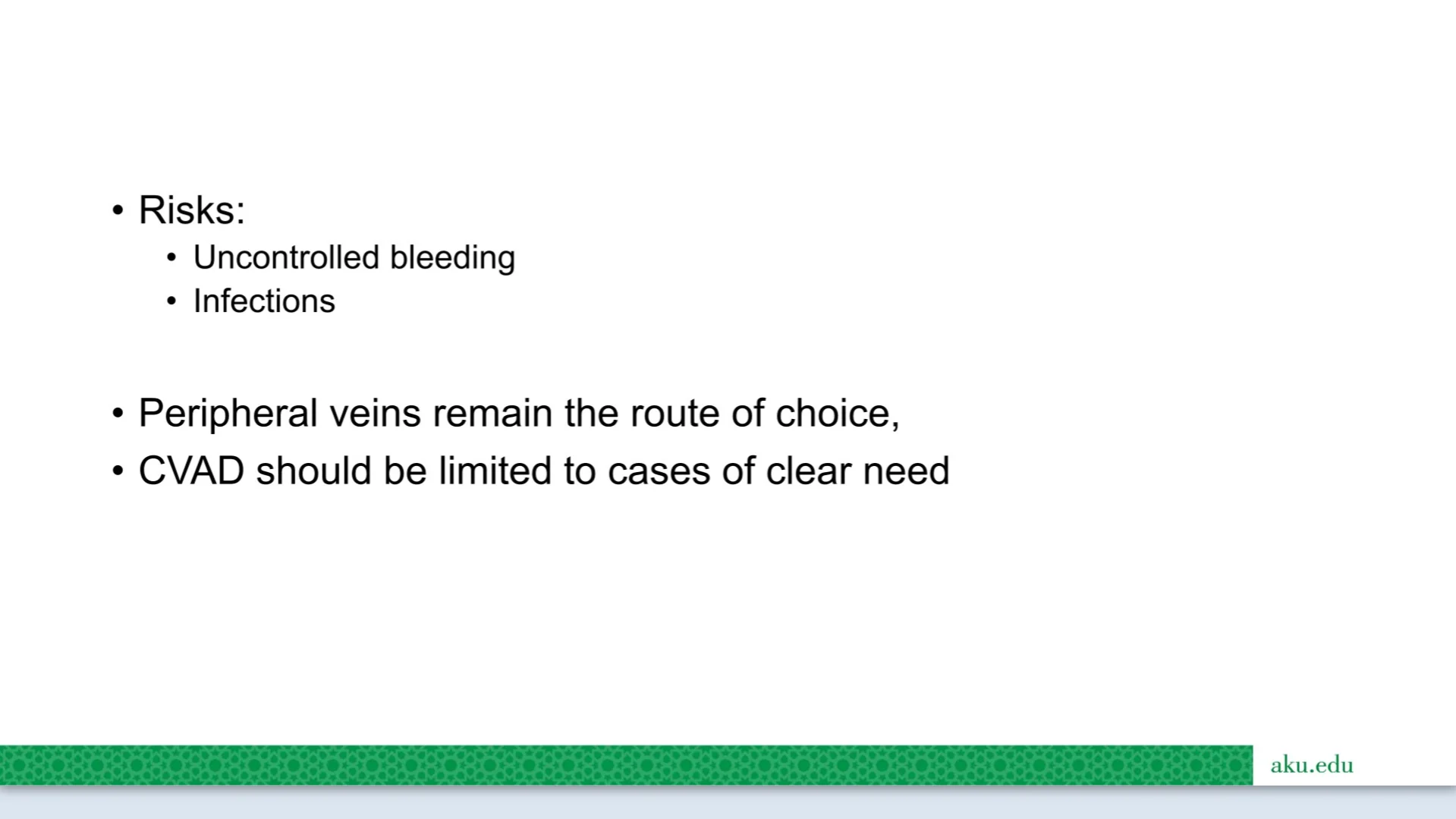
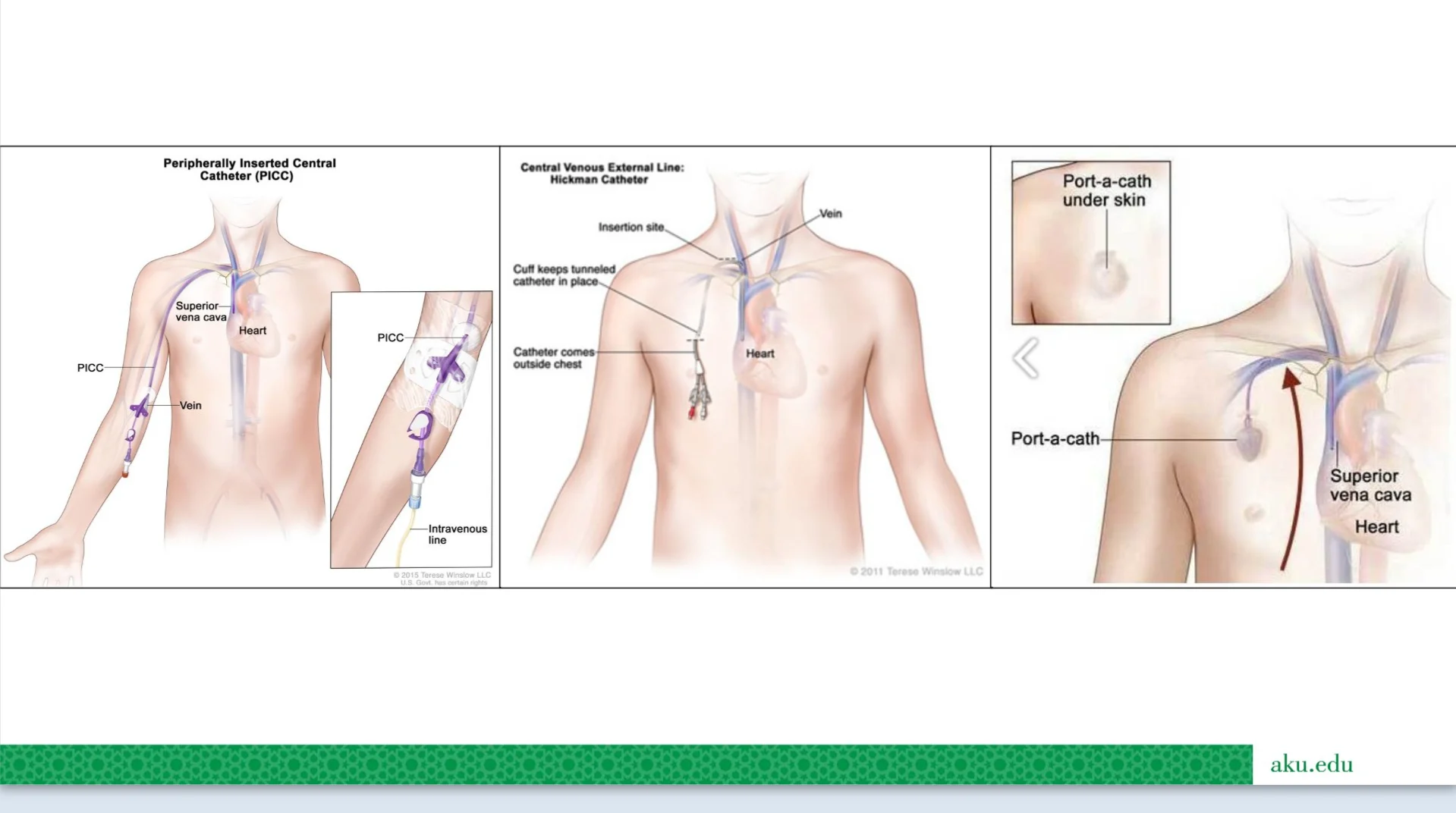
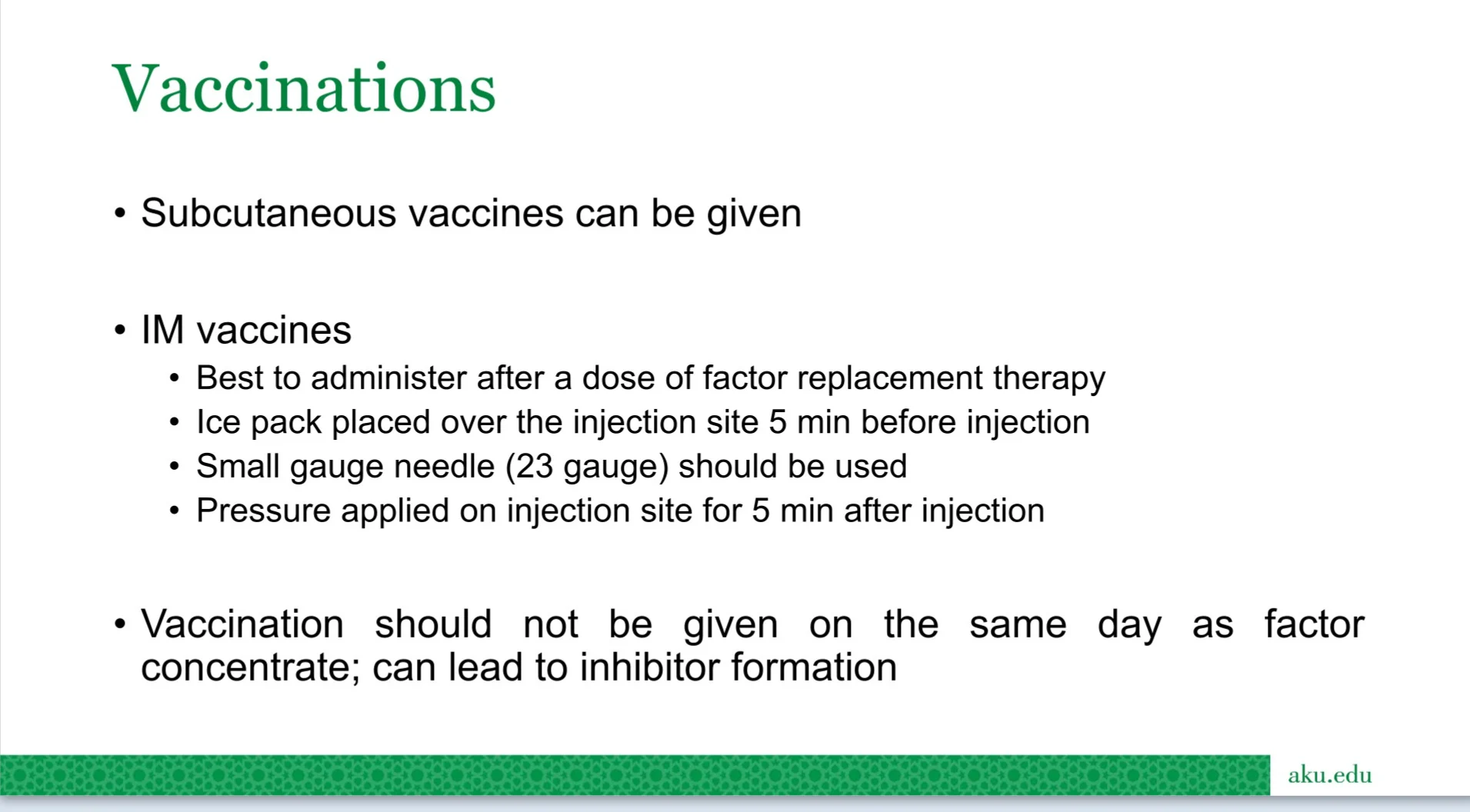
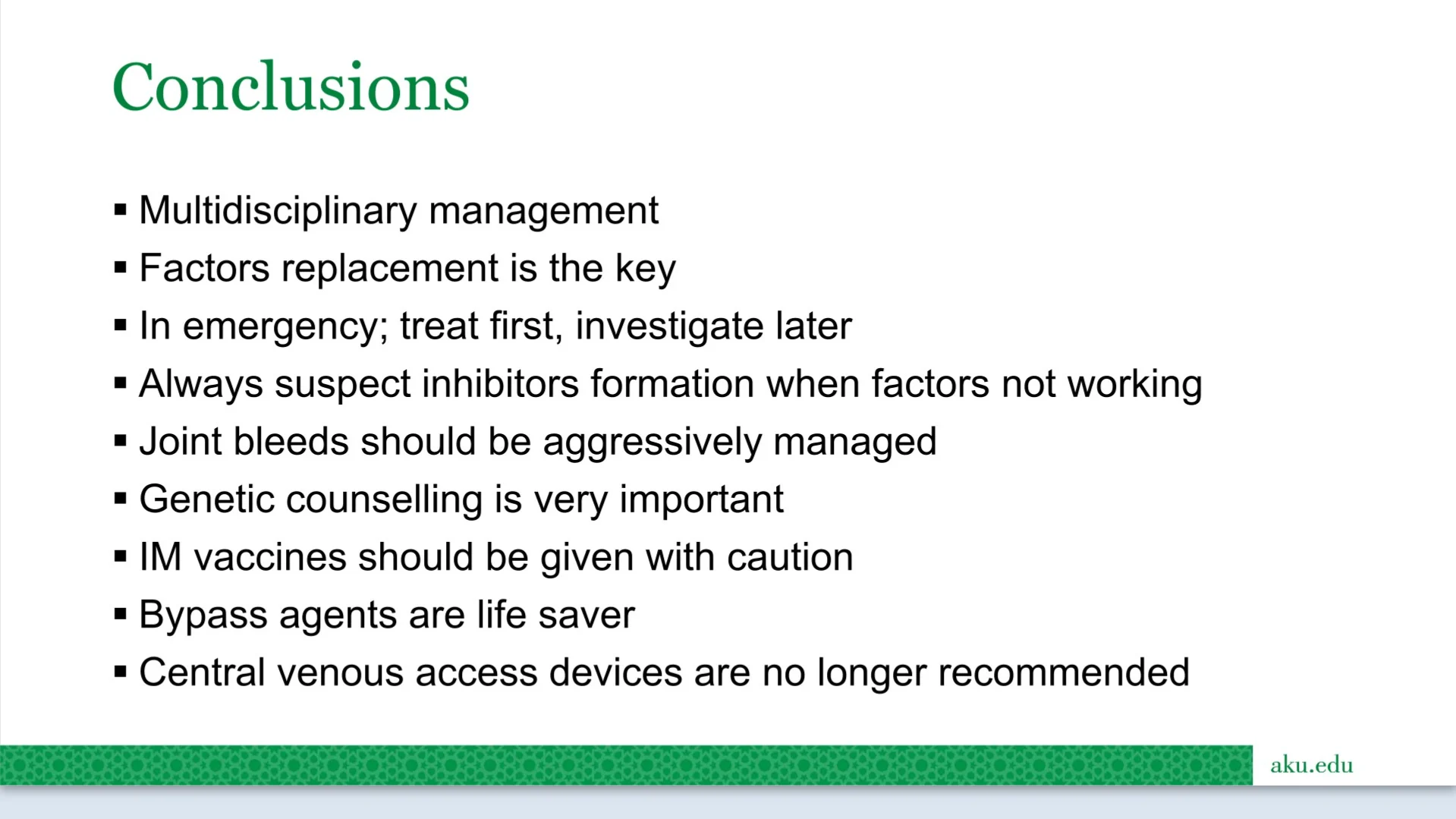

-
Sep 30, 2026, 01:52Javed Anees: DADA2 – When a Young Stroke Is More Than a Stroke
-
Sep 30, 2026, 01:51How a Venous Thrombus Becomes Revascularized – ISTH
-
Sep 29, 2026, 22:45Victor Agunyego: Paracetamol – The Most Common Drug We Underestimate
-
Sep 29, 2026, 22:42Nova Sinclair: Advancing the Future of Hematology – Meet Our 2027 Organizing Committee
-
Sep 29, 2026, 22:41Lorenz Räber: Intracoronary Imaging in PCI – Why, When, How, and Which Modality?
-
Sep 29, 2026, 22:31Selma Turkovic: Pleased to Deliver the Opening Presentation at Kingston Hospital
-
Sep 29, 2026, 22:31Miguel Teran: Ultrasound and Simulation in Arterial Blood Sampling
-
Sep 29, 2026, 22:28Mohammad Refaei: Navigating Your Career in Hematology From Training to Practice
-
Sep 29, 2026, 22:27Matteo Foschi: 10 Clinical Pearls for Antithrombotic Therapy in Secondary Stroke Prevention