


Monica Michele Carrozzo McSherry: Converging Pathways Between Homocysteine and Cholesterol in Cardiovascular Risk
Monica Michele Carrozzo McSherry, Registered Nutritional Therapist at Healthmatters Health Store, Freelance Writer at Dulwich Nutrition, shared a post on LinkedIn:
“Homocysteine (Hcy), a sulfur-containing amino acid derived from methionine metabolism, is remethylated to methionine via folate and vitamin B12 or transsulfurated to cystathionine via vitamin B6.
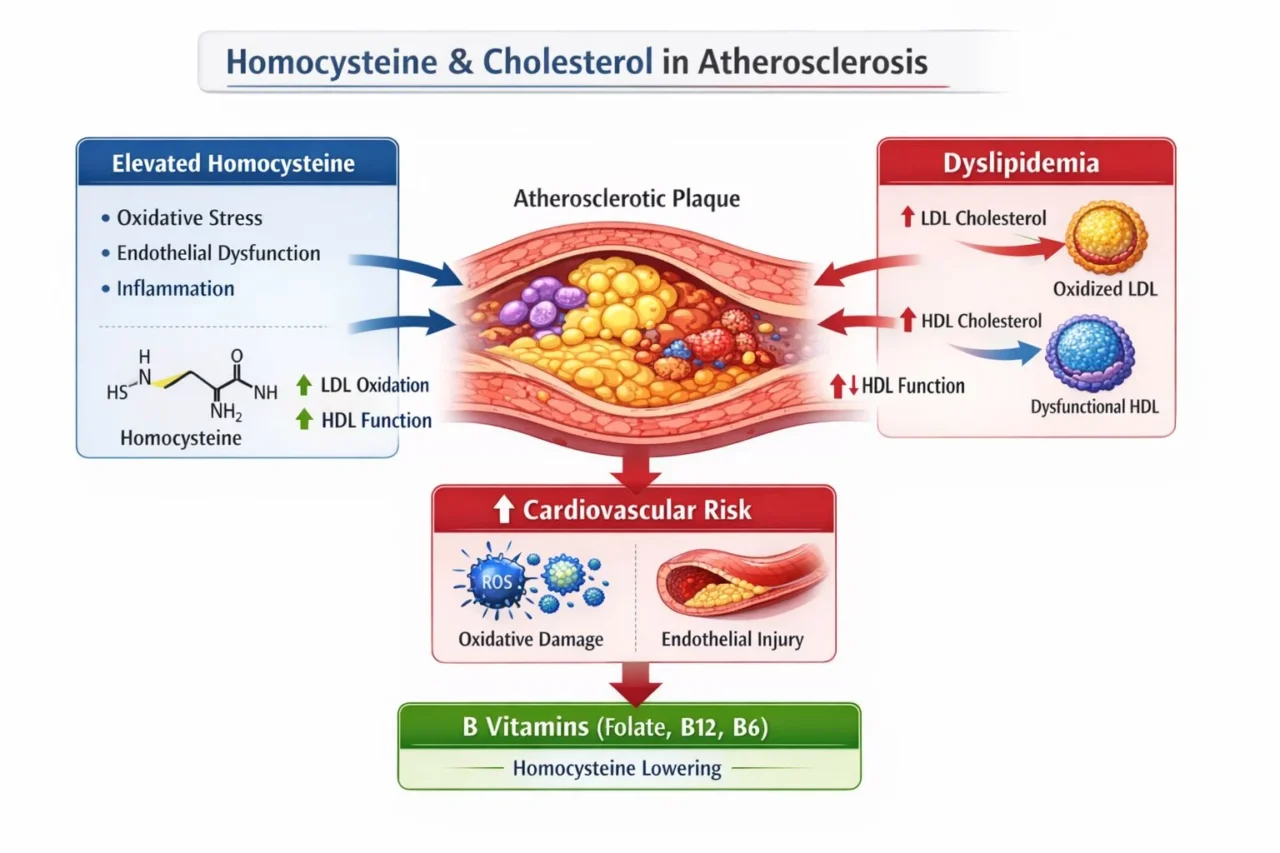
Elevated plasma Hcy, or hyperhomocysteinemia, is a recognized risk factor for atherosclerosis, primarily through endothelial dysfunction, oxidative stress, and inflammation.
Hcy promotes reactive oxygen species formation, reduces nitric oxide bioavailability, and stimulates pro-inflammatory pathways, accelerating vascular injury.
Cholesterol, particularly LDL-C, drives atherogenesis through subendothelial deposition, oxidation, and foam cell formation, whereas HDL-C facilitates reverse cholesterol transport and vascular protection.
Evidence indicates that hyperhomocysteinemia interacts with lipid metabolism by increasing LDL oxidation, impairing HDL function, and modulating hepatic cholesterol synthesis.
Oxidized LDL generated under elevated Hcy conditions is highly atherogenic, while inhibition of HDL-associated paraoxonase-1 reduces antioxidant defense, compounding vascular risk.
Genetic variants affecting homocysteine metabolism, such as MTHFR C677T, associate with elevated Hcy and altered lipid profiles, highlighting a combined genetic predisposition to cardiovascular disease.
Epidemiological data suggest additive risk when hyperhomocysteinemia coexists with dyslipidemia.
While B-vitamin supplementation lowers Hcy levels, effects on lipid profiles and cardiovascular outcomes are inconsistent, reflecting complex interactions involving oxidative stress, endothelial repair, and lipid oxidation.
In summary, homocysteine and cholesterol are intertwined modulators of cardiovascular risk.
Hyperhomocysteinemia exacerbates LDL oxidation and HDL dysfunction, potentiating atherogenesis.
Beyond lipid-lowering therapies, nutritional strategies targeting Hcy through folate, B12, and B6 may provide complementary cardiovascular protection, particularly in genetically susceptible populations.
Future research should clarify the mechanistic crosstalk and therapeutic implications of the homocysteine-cholesterol axis.”
Stay updated with Hemostasis Today.
-
Sep 25, 2026, 12:53Bastu Odoka: What Happened to Blood Donation?
-
Sep 25, 2026, 12:43Thomas Dayspring: Reshaping the Biology of Atherosclerotic Plaques with New Therapies
-
Sep 25, 2026, 12:14Garima Sharma: Community Clinical Linkages for Better Postpartum Cardiovascular Care
-
Sep 25, 2026, 10:49Shefina S: From Presenting to Hosting at TRANSCON 2026
-
Sep 25, 2026, 10:37Michelle Leona Cecil: Hemophilia Advocacy and the Power of Community
-
Sep 25, 2026, 10:13Michael Baria: Platelet Concentration and PRP Outcomes in Partial Rotator Cuff Tears
-
Sep 25, 2026, 09:49Haley Coleman: Volunteering to Support Hemophilia Awareness
-
Sep 25, 2026, 08:55Hitarth Mehta: BHMS Students Gain Practical Exposure to Haemophilia Diagnosis
-
Sep 25, 2026, 07:25Varun Capoor: How Therapeutic Apheresis and Transfusion Medicine Can Complement Clinical Management in SCD