

Giovanni Solimeno: When the Common Femoral Artery Wall is Diseased, Closure is Not a Step
Giovanni Solimeno, Vascular and Endovascular Surgeon at Pineta Grande Hospital, shared a post on LinkedIn:
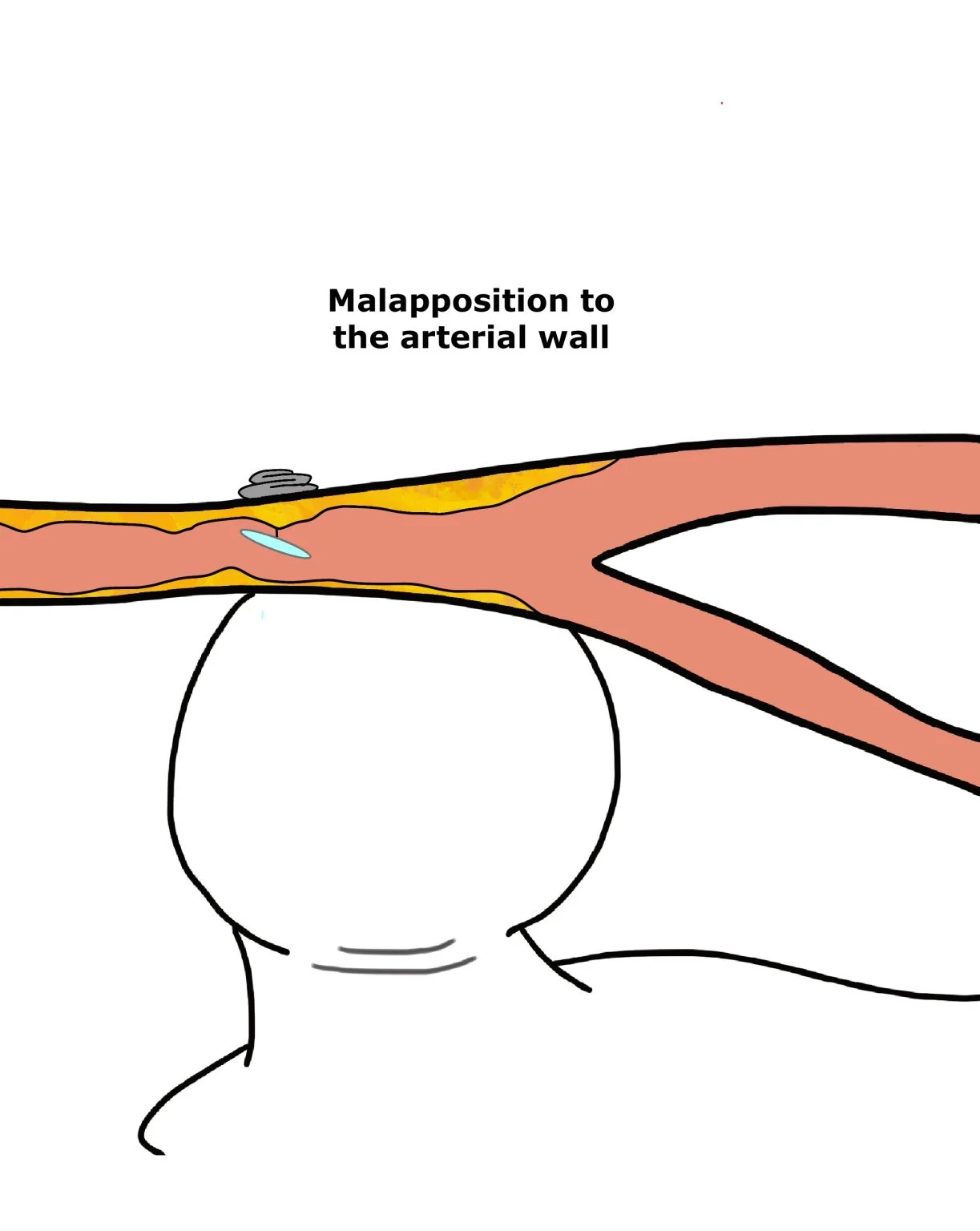
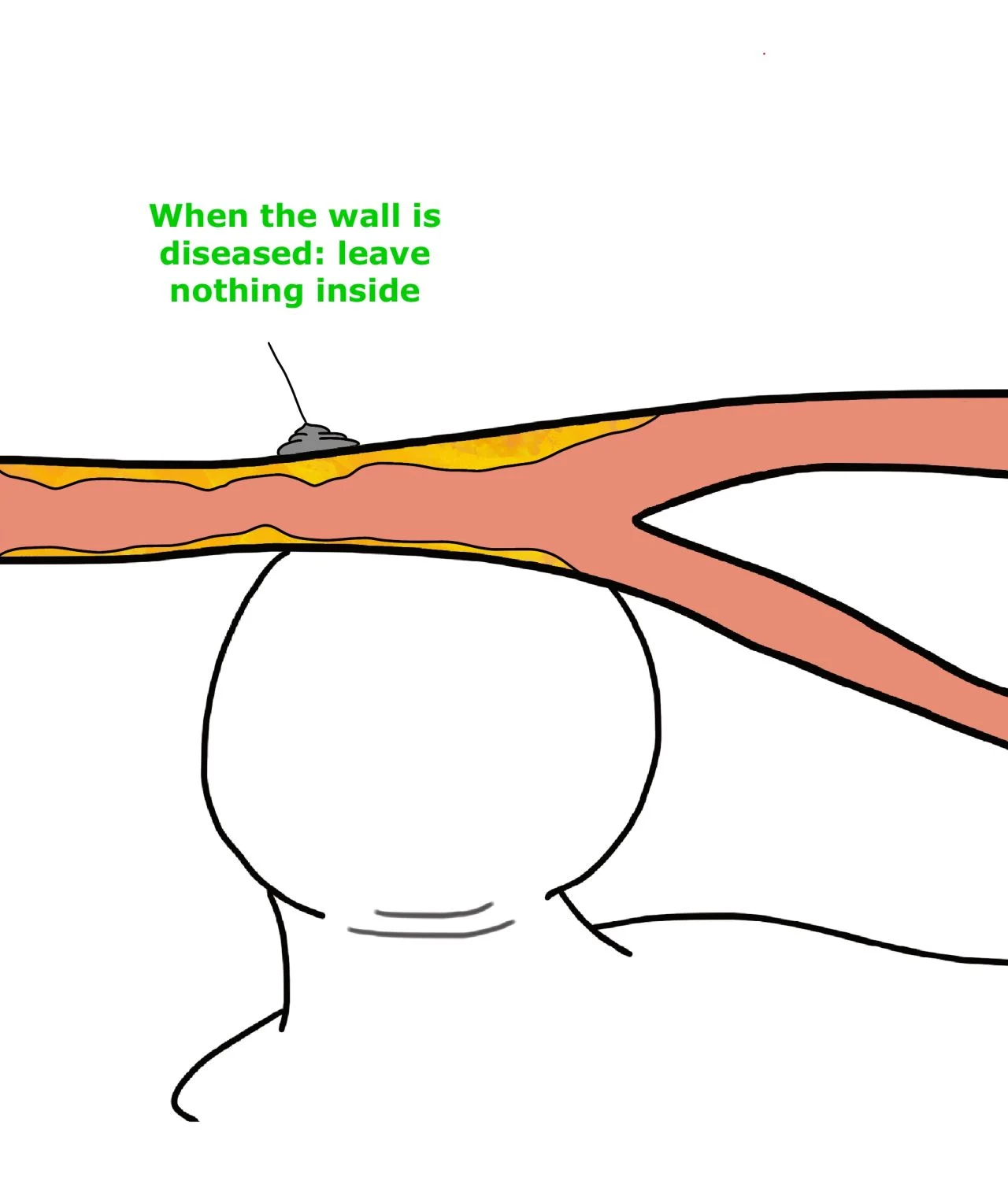
“When the Common Femoral Artery wall is diseased, closure is not a step — it’s a part of the endovascular access strategy.
We all love fast hemostasis.
But there’s one scenario where a ‘standard’ closure can become a trap:
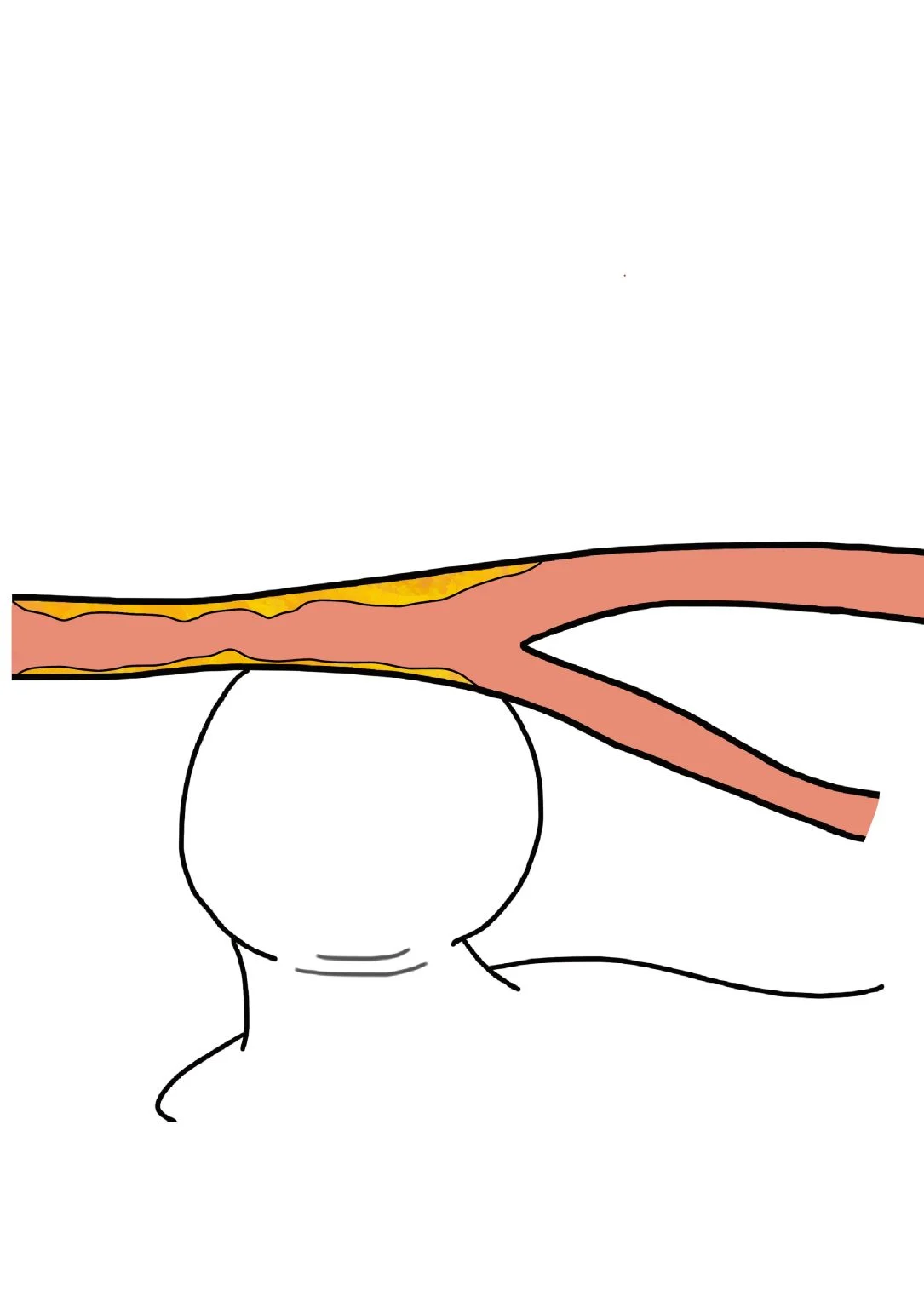
a patent, non-critical CFA… with a truly diseased wall.
Here’s the mechanism (simple, but easy to underestimate):
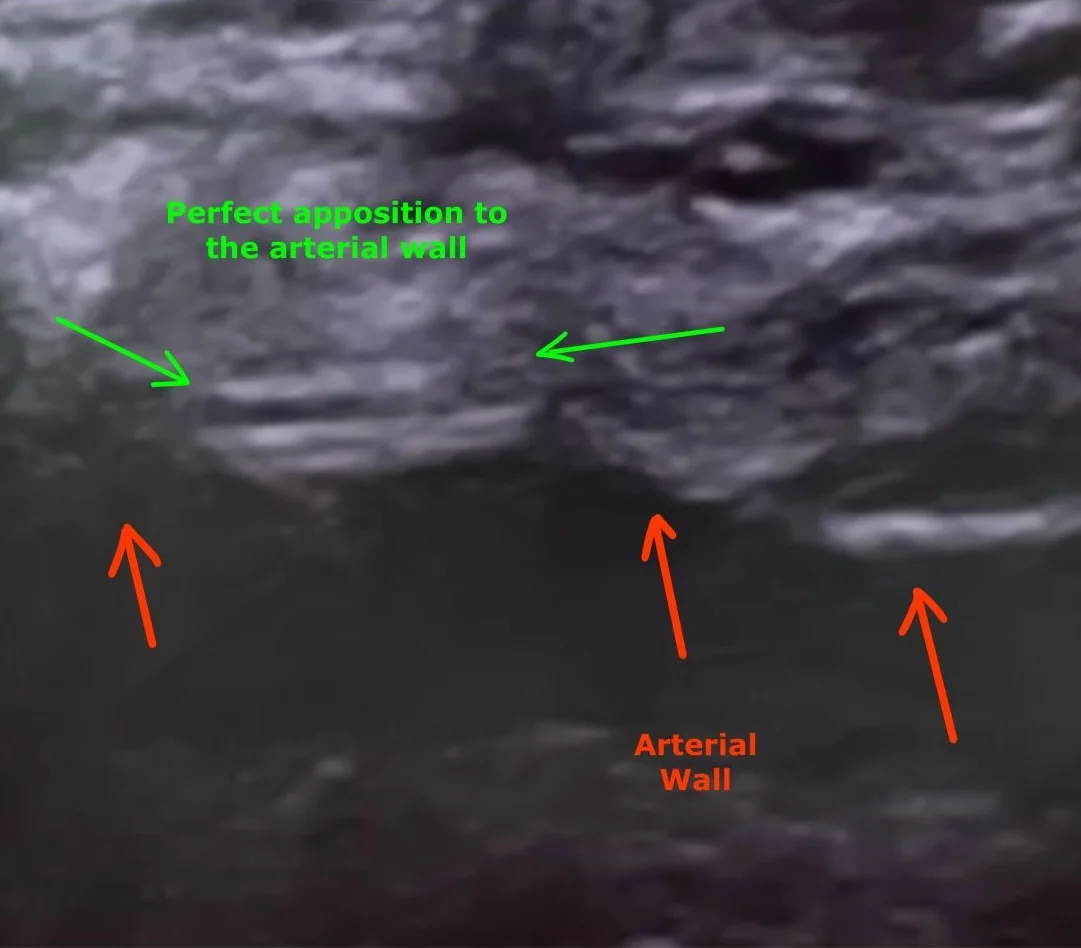
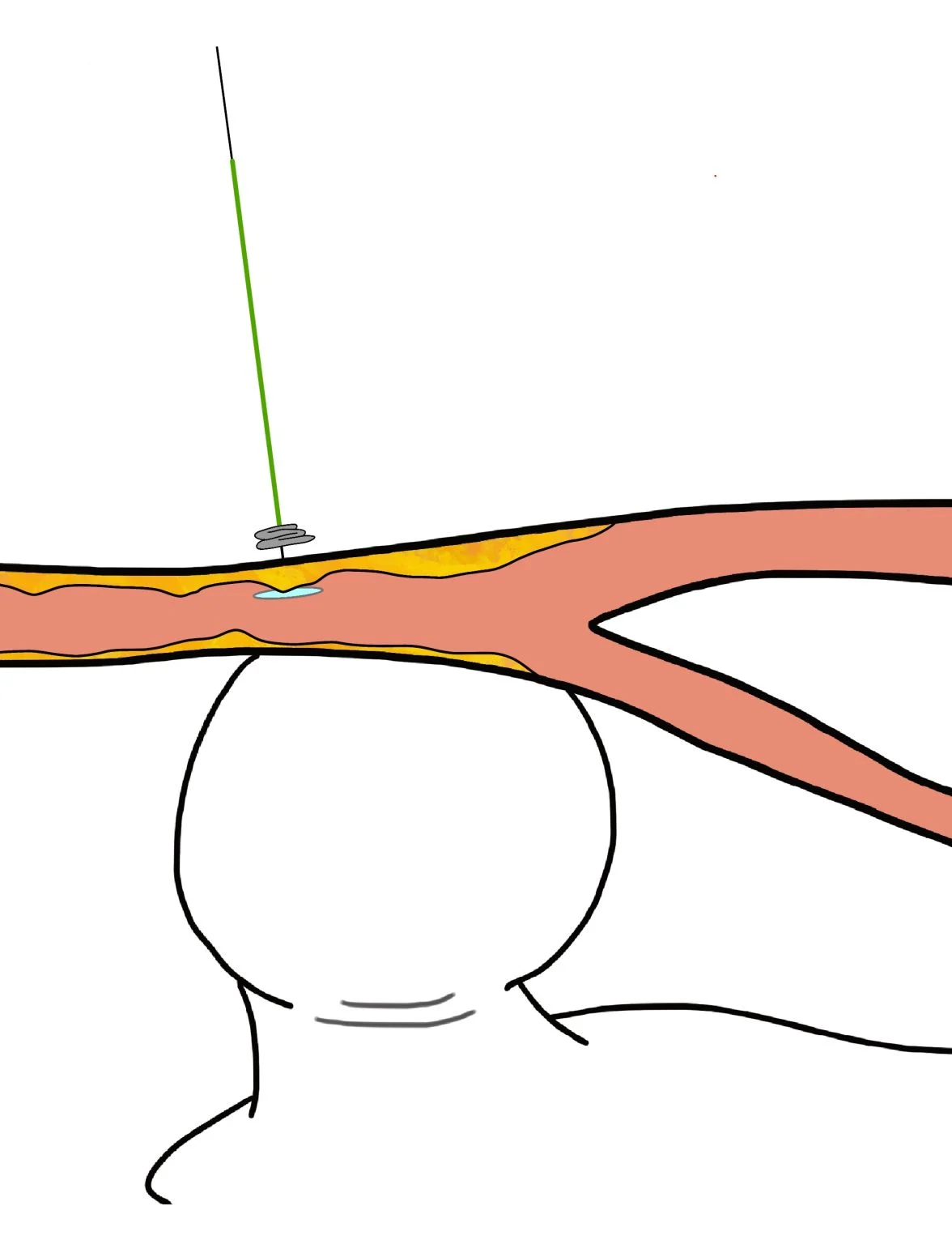
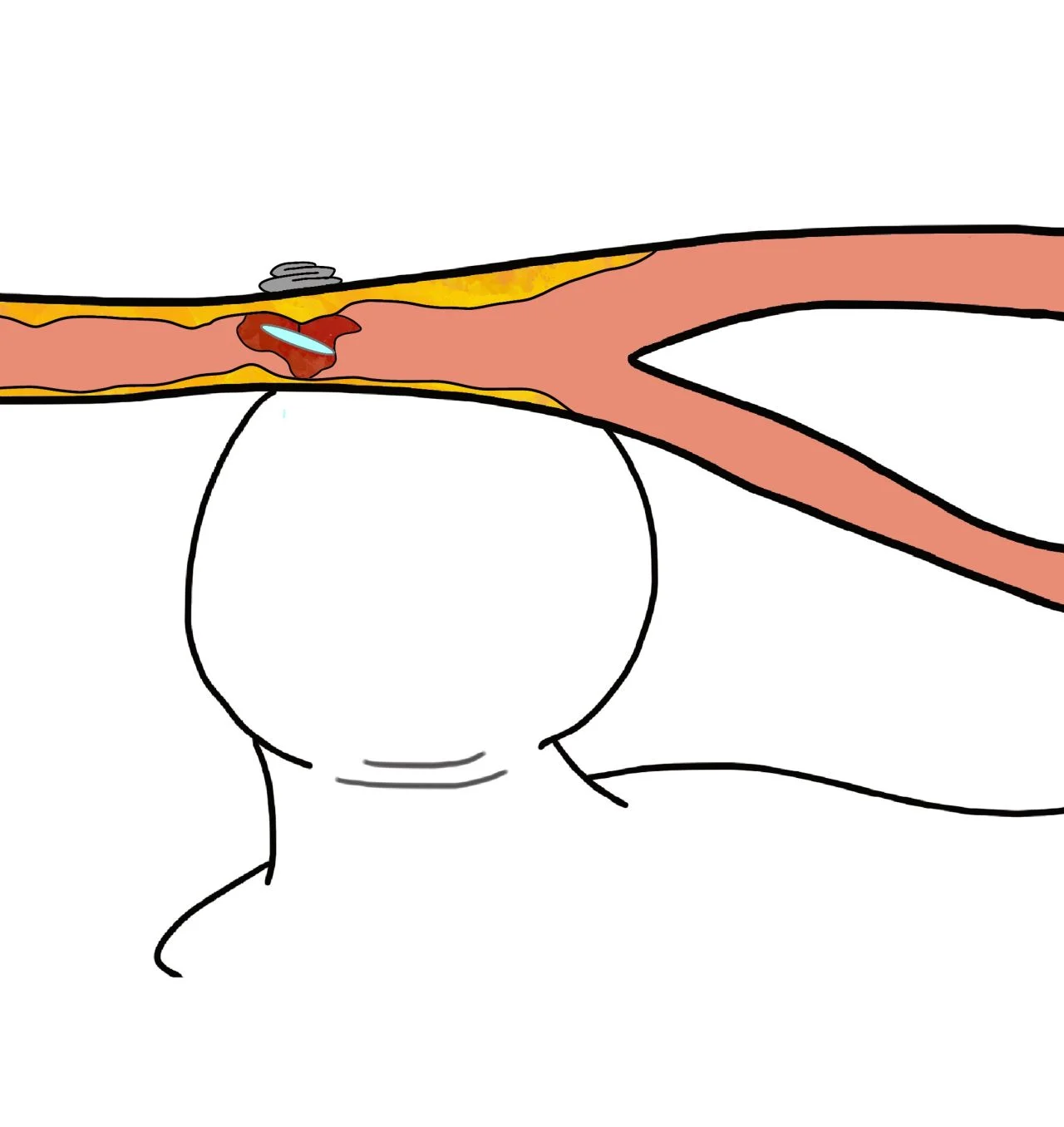
If you deploy a closure system that relies on proper wall apposition, and the device lands on a plaque, tension can be imperfect so the intraluminal component may end up malapposed.
And then two things can happen:
- Incomplete hemostasis is usually manageable with compression.
- The real problem: an intraluminal foreign body and disturbed flow can increase the risk of acute thrombosis/occlusion in a vessel you absolutely don’t want to lose.
So my practical rule is simple, but non-negotiable:
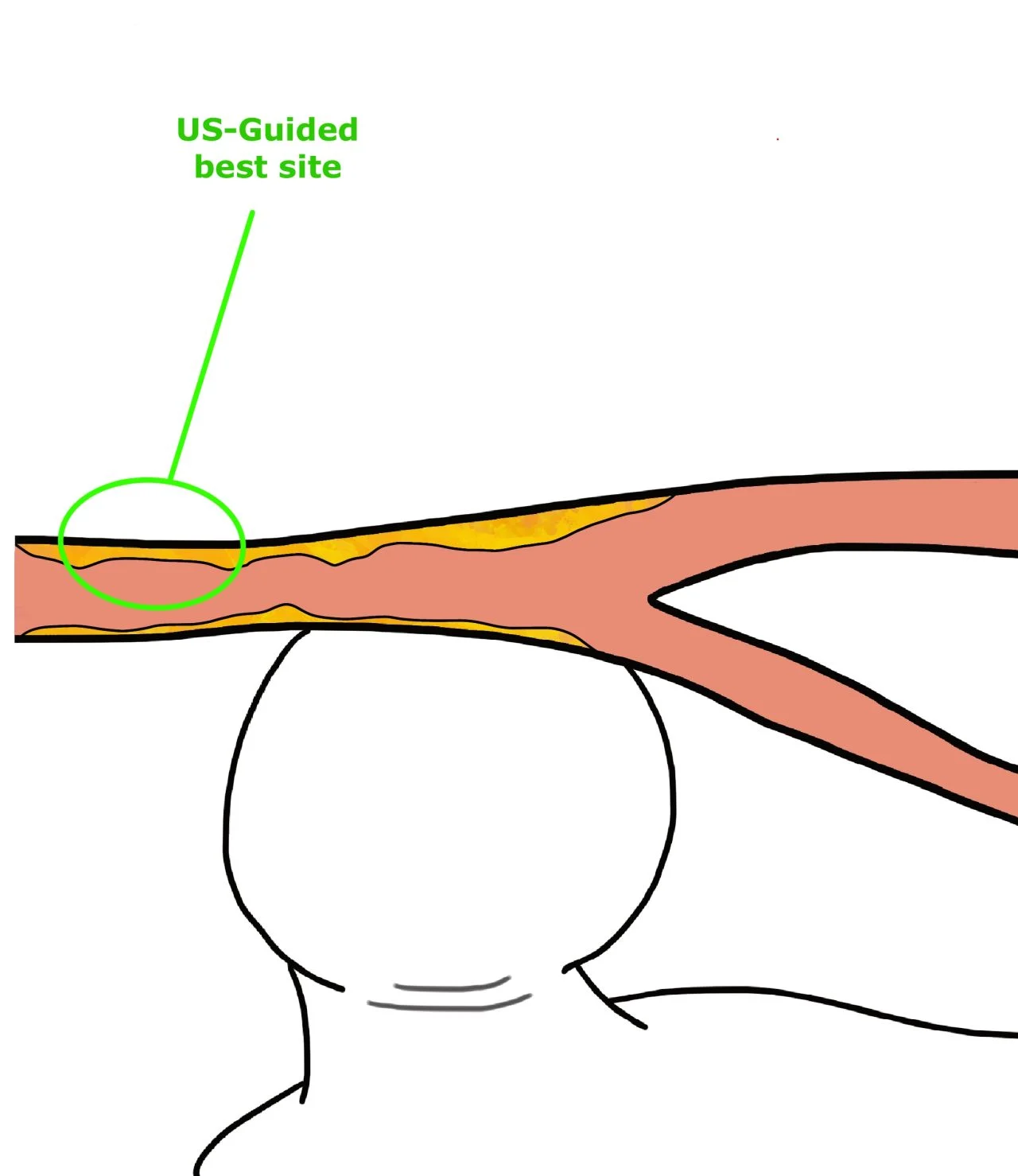
- US-guided puncture – always. Find the healthiest CFA segment.
- If the wall is hostile and I can’t guarantee a safe landing zone, I’m happy to compress, or I choose a strategy that doesn’t leave anything intraluminal.
- Closure is not ‘after the case’. It’s part of the case.
How do you handle closure in a calcified / diseased CFA? Any personal red flags?”
Stay updated with Hemostasis Today.
-
Sep 30, 2026, 01:52Javed Anees: DADA2 – When a Young Stroke Is More Than a Stroke
-
Sep 30, 2026, 01:51How a Venous Thrombus Becomes Revascularized – ISTH
-
Sep 29, 2026, 22:45Victor Agunyego: Paracetamol – The Most Common Drug We Underestimate
-
Sep 29, 2026, 22:42Nova Sinclair: Advancing the Future of Hematology – Meet Our 2027 Organizing Committee
-
Sep 29, 2026, 22:41Lorenz Räber: Intracoronary Imaging in PCI – Why, When, How, and Which Modality?
-
Sep 29, 2026, 22:31Selma Turkovic: Pleased to Deliver the Opening Presentation at Kingston Hospital
-
Sep 29, 2026, 22:31Miguel Teran: Ultrasound and Simulation in Arterial Blood Sampling
-
Sep 29, 2026, 22:28Mohammad Refaei: Navigating Your Career in Hematology From Training to Practice
-
Sep 29, 2026, 22:27Matteo Foschi: 10 Clinical Pearls for Antithrombotic Therapy in Secondary Stroke Prevention